How UV-C Technology Reduces Home Allergens by 89 Percent in 2026
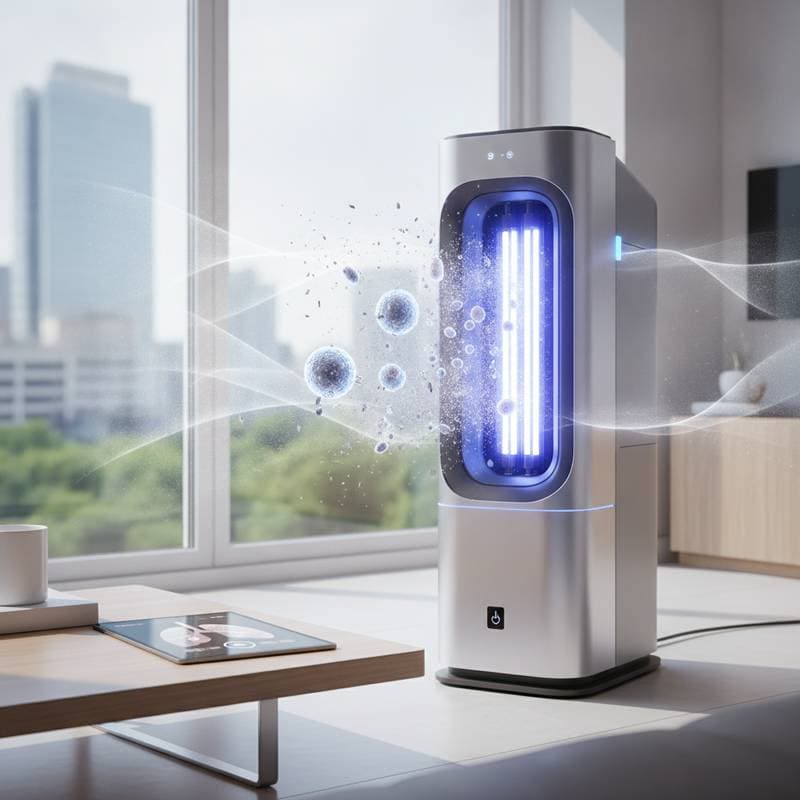
Indoor air quality impacts health, energy efficiency, and daily comfort. Persistent allergy symptoms often stem from dust, mold spores, pet dander, and bacteria that circulate through HVAC systems. Innovations in UV-C air purification now enable a reduction in airborne allergens by up to 89 percent, fostering healthier living spaces.
This guide details the mechanics of UV-C technology, installation costs, the science of allergen reduction, and practical steps for homeowners to incorporate it into existing HVAC systems.
Installation Costs for UV-C Air Purifiers
The average cost to install a UV-C air purifier in a residential HVAC system falls between $400 and $1,500. Factors such as system type, brand, and installation complexity influence the final price. Larger homes with multiple air handlers or extensive ductwork may need additional units for comprehensive coverage.
| Type | Average Cost | Details |
|---|---|---|
| Coil-mounted UV-C light | $400 – $800 | Positioned near the evaporator coil to inhibit mold and biofilm growth |
| Air-duct UV-C system | $700 – $1,500 | Addresses airborne pathogens and allergens across the entire duct network |
| Whole-home UV-C purifier | $900 – $1,500 | Seamlessly integrates with the HVAC for ongoing air disinfection |
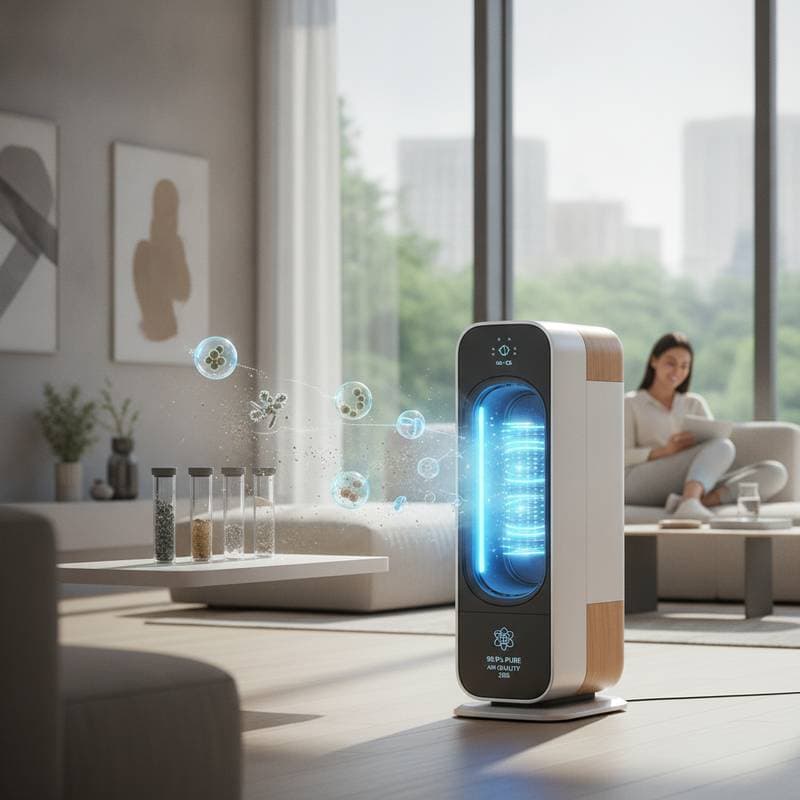
| Portable UV-C purifier | $150 – $400 | Suitable for individual rooms or compact areas as a standalone option |
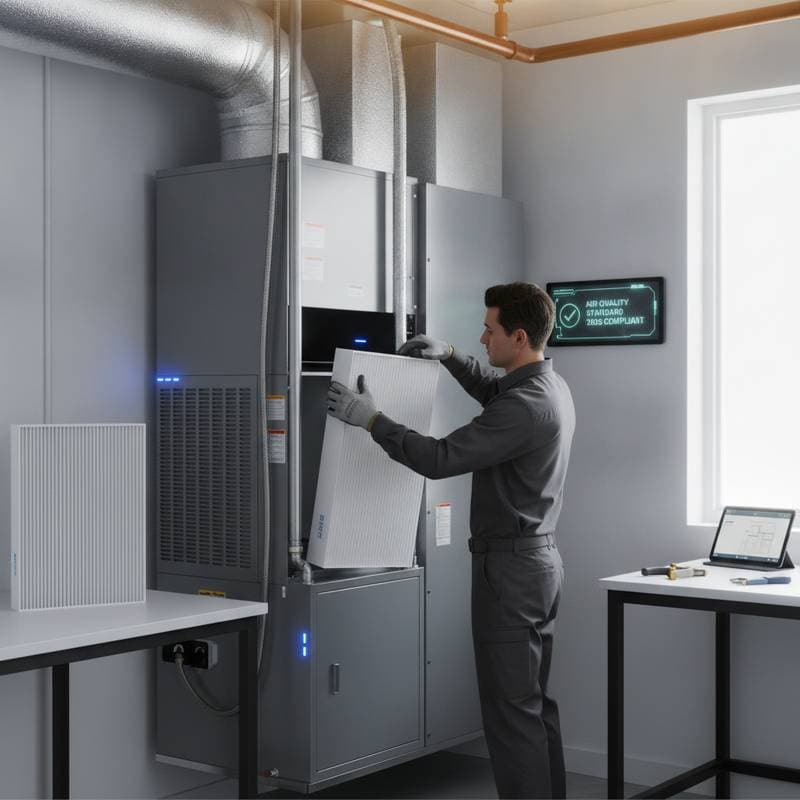
Professionals recommend expert installation to guarantee safety and optimal positioning within the air stream. Improper setup may diminish performance or harm HVAC elements.
UV-C Purification Compared to Standard Air Filters
HEPA filters excel at trapping particles, yet they fail to eliminate viable microorganisms. UV-C light enhances filtration by inactivating pathogens that evade capture or accumulate on system surfaces.
| Feature | HEPA Filter | UV-C Purifier | Combined System |
|---|---|---|---|
| Captures Dust & Pollen | Yes | Limited | Yes |
| Destroys Mold & Bacteria | No | Yes | Yes |
| Removes Odors | Partial | Yes | Yes |
| Energy Efficiency | Moderate | High | High |
| Maintenance Needs | Regular filter changes | Annual bulb replacement | Balanced |
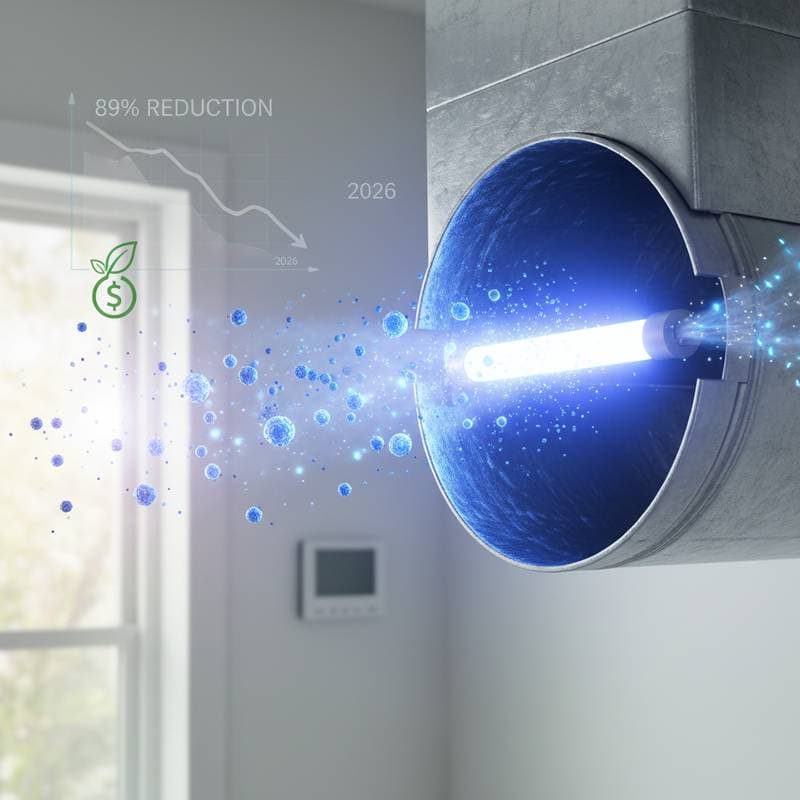
Integrating both delivers superior allergen control. Filters handle particulate matter, while UV-C targets biological threats, achieving the 89 percent reduction noted in tested settings.
Key Benefits of UV-C Technology for Allergen Control
UV-C systems provide continuous disinfection during HVAC operation, maintaining cleaner air around the clock. They minimize microbial accumulation on coils and drains, which prolongs equipment lifespan. Cleaner coils enhance heat transfer, reducing overall energy consumption.
Fewer allergens and pathogens improve respiratory health, particularly for those with allergies or asthma. The technology also neutralizes odor-causing organic compounds, eliminating musty smells. These advantages position UV-C as a worthwhile investment for sustained comfort and wellness.
Frequently Asked Questions About UV-C Air Purifiers
How Long Do UV-C Bulbs Last?
Residential UV-C bulbs deliver effective performance for approximately one year under continuous operation. Beyond this, output intensity declines below germicidal thresholds, despite visible illumination. Annual replacement preserves allergen reduction and system reliability.
Can UV-C Systems Replace Air Filters?
UV-C systems support filters but do not substitute for them. Filters remove dust, hair, and larger debris, whereas UV-C inactivates microbes. This dual approach tackles both physical and biological pollutants effectively.
Are UV-C Air Purifiers Safe for Residential Use?
Installed correctly within HVAC ducts, UV-C systems pose no risk to occupants due to enclosed operation and no direct light exposure. Protective housings block ultraviolet rays, and safety switches deactivate the light during access. Certified professionals ensure secure wiring and placement.
Do UV-C Lights Eliminate Cooking or Pet Odors?
UV-C light inactivates certain organic molecules but focuses primarily on pathogens. For robust odor management, pair it with activated carbon or photocatalytic systems. Hybrid configurations offer thorough air treatment for diverse needs.
How Soon Can Cleaner Air Be Noticed?
Many homeowners observe improvements within days of activation. Repeated air cycling through UV-C exposure gradually lowers allergen levels. Ongoing use sustains these gains and blocks recontamination.
Does UV-C Assist with Seasonal Allergies?
UV-C reduces pollen, mold spores, and bacteria in the air, mitigating reactions during high-allergen periods. Combine it with HVAC servicing and advanced filters for optimal safeguarding of vulnerable residents.
Obtaining Quotes for UV-C Installation
UV-C projects demand customization based on HVAC configuration, duct configuration, and specific requirements. Variations in cost and efficacy arise from these elements.
Essential Questions for Contractors
- Which UV-C system aligns best with my HVAC configuration?
- How many units ensure full-home coverage?
- What placement maximizes disinfection efficiency?
- What safety protocols accompany the installation?
- What is the replacement schedule and cost for bulbs?
- Are rebates or incentives available for energy or air quality upgrades?
- How does integration impact current filters or airflow?
- Do maintenance plans exist for regular servicing?
- What warranties apply to bulbs and components?
- Can air quality tests demonstrate pre- and post-installation results?
Sustaining Optimal Indoor Air Quality
Maintenance involves annual bulb replacement, fixture cleaning during HVAC tune-ups, and filter monitoring. Integrate UV-C with humidity regulation and duct cleaning for a holistic approach.
This strategy yields fresher air, simpler breathing, and diminished allergy effects. UV-C air purification delivers up to 89 percent fewer airborne allergens, safeguards HVAC longevity, and promotes year-round wellness through proactive health measures.