
UV-C Technology: Elevating HVAC Performance Beyond Filtration
The Role of UV-C in Enhancing Indoor Air Quality
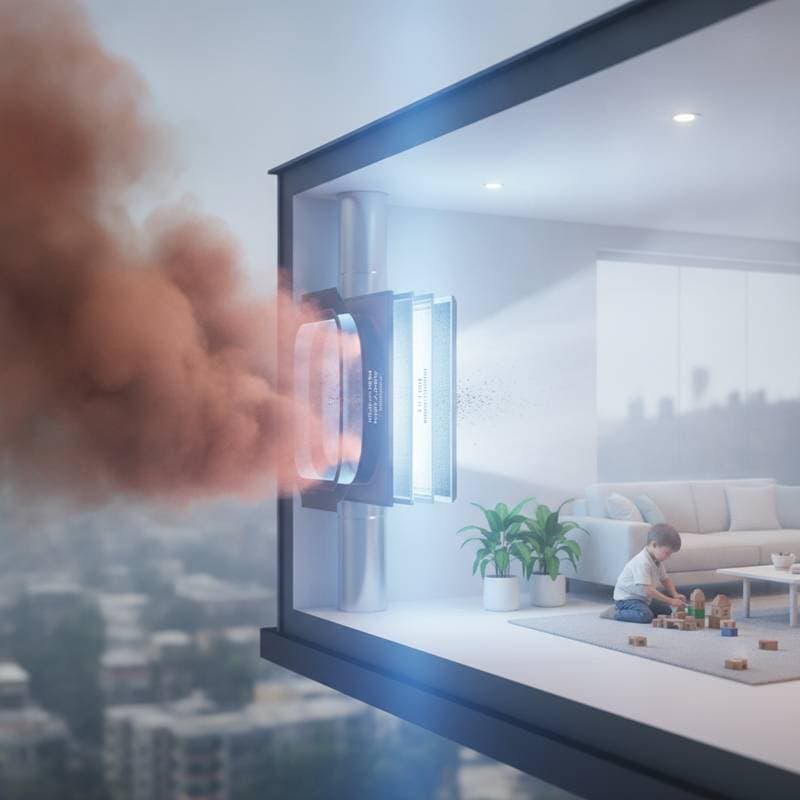
Homeowners and business owners increasingly recognize the importance of superior indoor air quality. Airborne pathogens, allergens, and microorganisms pose ongoing challenges that standard HVAC filters alone cannot fully address. UV-C light purification systems integrate seamlessly into air handlers or ductwork to target and neutralize these invisible threats, delivering cleaner air and fostering healthier environments.
This overview details the mechanics of UV-C technology, its key benefits for HVAC systems, installation costs, and essential considerations for professional setup.
Installation Costs for UV-C Systems
Residential UV-C purification systems generally cost between $400 and $1,500 to install, influenced by the unit's size and setup complexity. Commercial applications demand higher investments, typically from $1,500 to $5,000, based on the scale of air handlers and airflow distribution.
| Type of UV-C System | Average Cost | Details |
|---|---|---|
| Coil-mounted UV-C Light | $400 – $800 | Focuses on mold and biofilm removal from evaporator coils |
| Air-stream UV-C Light | $600 – $1,200 | Treats air as it flows through ducts to disinfect pathogens |
| Dual-lamp UV-C System | $1,000 – $1,500 | Provides combined coil and air purification for comprehensive protection |
| Commercial Multi-Lamp System | $1,500 – $5,000 | Suited for extensive HVAC setups or multiple zones |
These estimates cover the UV-C lamp assembly, mounting hardware, electrical connections, and technician labor. Bulb replacements range from $50 to $150 each and occur every 12 to 24 months, aligned with usage and manufacturer guidelines.
Key Advantages of UV-C Integration
UV-C purification extends far beyond basic air cleaning, offering tangible improvements to HVAC operation and occupant well-being.
- Superior Air Quality: UV-C wavelengths disrupt the DNA of mold spores, bacteria, and viruses, rendering them harmless as they circulate through the system.
- Respiratory Health Support: Lower levels of biological pollutants can alleviate symptoms associated with allergies and asthma.
- Preserved System Integrity: Continuous exposure prevents microbial growth on coils and drain pans, maintaining optimal heat transfer and eliminating persistent odors.
- Reduced Upkeep Expenses: Coils stay cleaner longer, minimizing the need for intensive cleaning schedules.
- Optimized Energy Use: Enhanced airflow and efficiency lower the energy required for heating and cooling, while prolonging overall equipment life.
Frequently Asked Questions on UV-C Systems
What Is the Lifespan of UV-C Bulbs?
UV-C bulbs maintain effective output for 9,000 to 12,000 hours of operation. Although visible light may persist, germicidal efficacy diminishes gradually. Schedule replacements every 12 to 24 months to sustain peak performance.
Does UV-C Pose Risks to HVAC Equipment or Occupants?
Professional installation ensures safety. Lamps remain shielded inside the HVAC enclosure or ducts, preventing direct exposure to humans or pets. Built-in safeguards, such as automatic shutoffs, activate during servicing.
Can UV-C Systems Substitute for Traditional Filters?
UV-C serves as a complementary layer, not a replacement. Filters handle particulate matter like dust and pollen, whereas UV-C addresses submicron biological agents. This dual approach maximizes air purification effectiveness.
How Does UV-C Combat Odors?
UV-C targets odor sources by neutralizing mold and bacteria on coils and in drain pans. It also curbs the spread of musty scents through ventilation pathways.
In What Ways Does UV-C Boost Energy Efficiency?
Clean coils and ducts facilitate unrestricted airflow and superior heat exchange. The HVAC unit then operates with reduced strain, consuming less power and enjoying an extended service life.
Steps to Secure Professional UV-C Installation
Essential Inquiries for Contractors
- Which UV-C configuration suits my furnace or air conditioner?
- How many lamps ensure complete system coverage?
- What durability can I expect from bulbs and supporting components?
- Are spare parts readily available for ongoing care?
- Will this modification impact my existing HVAC warranty?
- What duration does the installation process require?
- Do you offer guarantees or maintenance packages?
- What protocols protect against unintended UV exposure?
- Can you share client testimonials or installation portfolios?
- What elements comprise the final cost estimate?
Sustaining UV-C Effectiveness Over Time
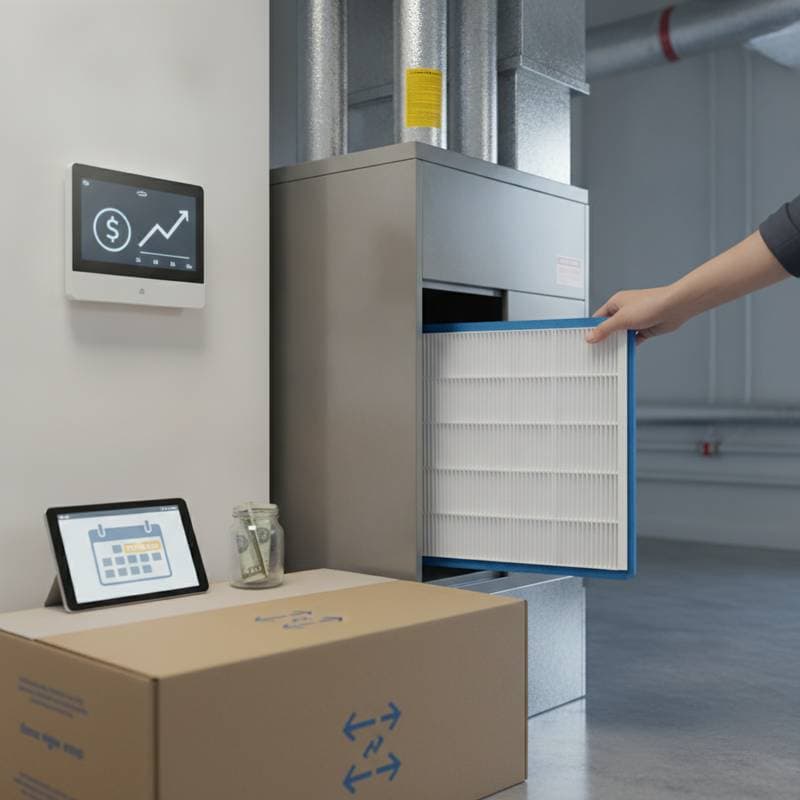
UV-C systems demand little routine attention. During annual HVAC inspections, check the lamp enclosure for integrity and adhere to bulb replacement timelines. Wipe the quartz sleeve periodically and monitor output levels to preserve disinfection power.
For those committed to optimal air quality, UV-C purification delivers reliable, evidence-backed results. It merges cutting-edge microbial control with operational savings, positioning it as a vital upgrade for enduring comfort and health.