UV-C Light Eliminates 89% of Mold in Your HVAC System
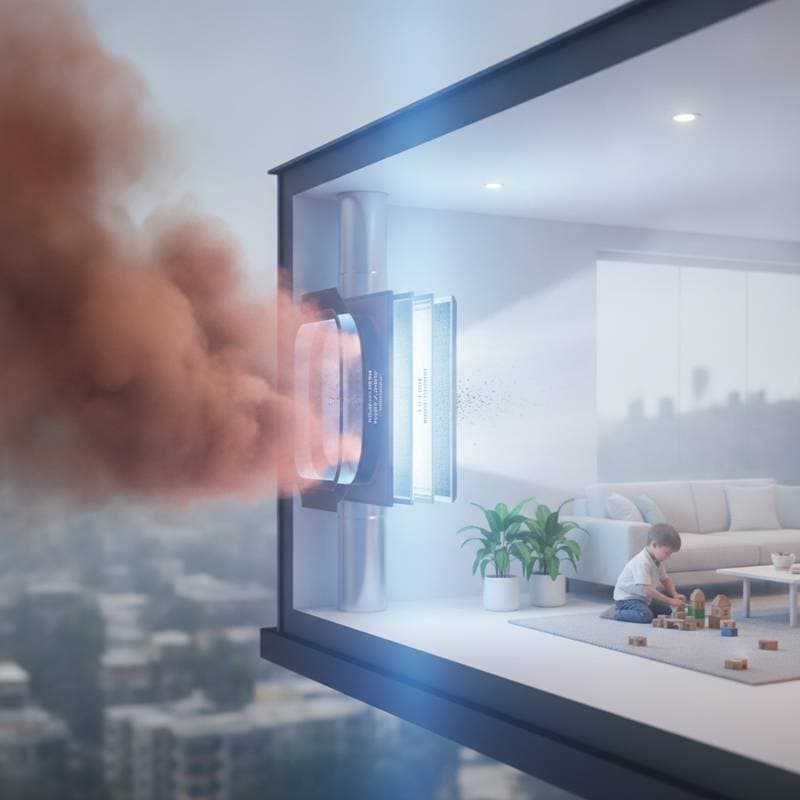
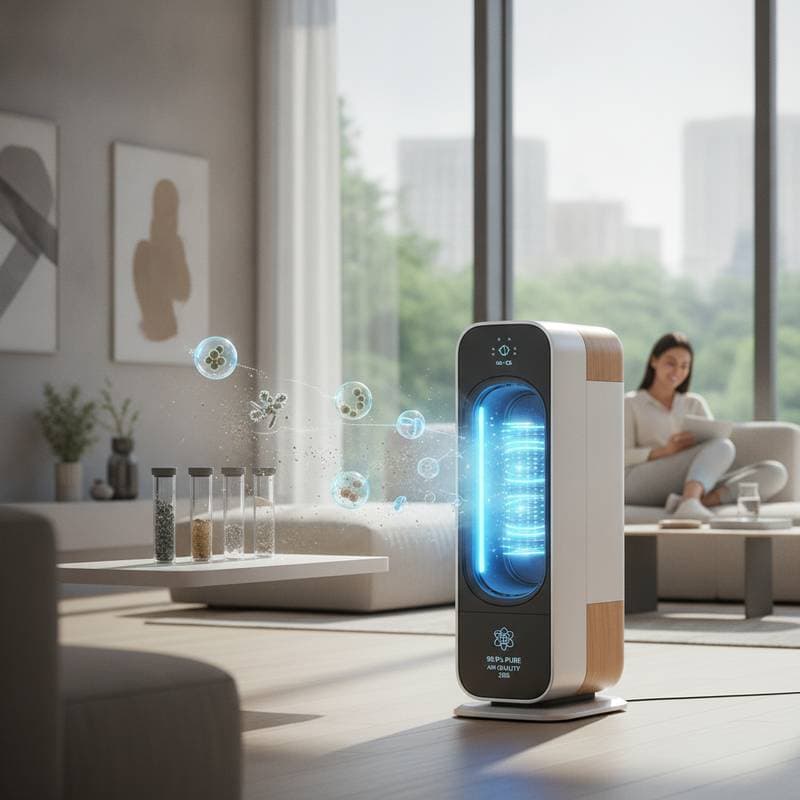
Mold growth in heating, ventilation, and air conditioning systems poses a significant threat to indoor air quality. These microorganisms thrive in the moist, dark environments of HVAC units, spreading spores that can affect respiratory health. UV-C light offers a proven solution by targeting and destroying up to 89% of mold and bacteria, ensuring cleaner air circulation throughout your home.
This technology integrates seamlessly into existing systems, providing continuous protection without harsh chemicals. Homeowners benefit from reduced allergens and enhanced system efficiency. In the following sections, explore how UV-C light functions, its advantages, and practical steps for implementation.
Understanding UV-C Light Technology
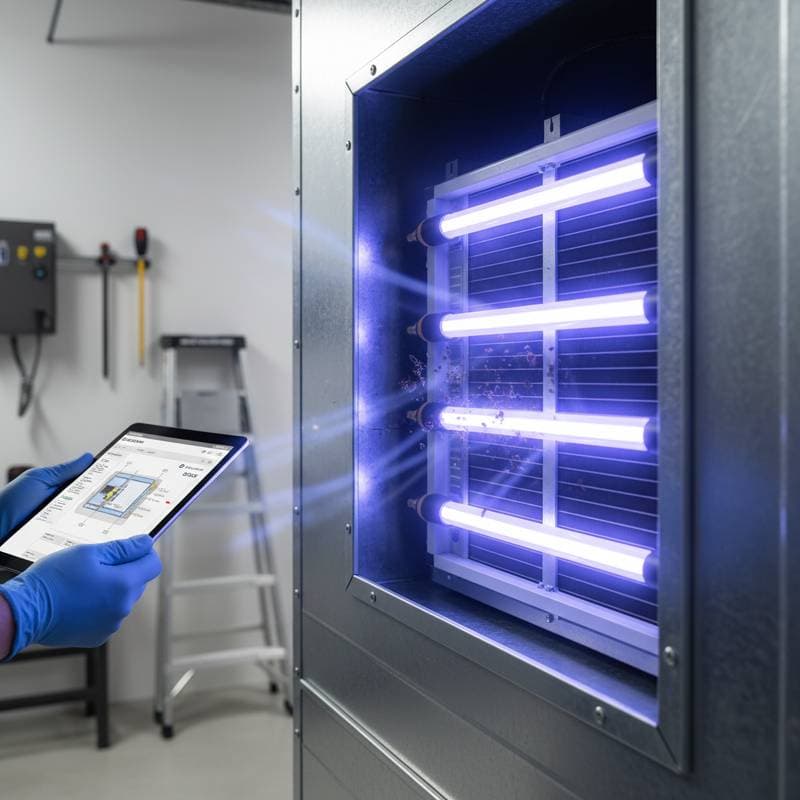
UV-C light operates at wavelengths between 200 and 280 nanometers, which disrupt the DNA of microorganisms. When installed in the HVAC plenum or coil area, the light exposes air passing through the system to this germicidal radiation. Studies indicate that it inactivates 89% of common mold species, such as Aspergillus and Penicillium, within hours of exposure.
The process requires no direct contact; the light simply irradiates surfaces and airborne particles. Bulbs last up to 9,000 hours, equivalent to several years of operation. This durability makes UV-C a reliable choice for long-term air purification.
Unlike filters that capture particles, UV-C eliminates them at the source. It prevents mold from colonizing evaporator coils, a common issue in humid climates. As a result, your HVAC system runs more efficiently, with less strain on components.
Key Benefits for Health and Home Efficiency
Improved indoor air quality stands as the primary advantage of UV-C installation. By reducing mold and bacteria levels by 89%, it minimizes triggers for asthma, allergies, and other respiratory conditions. Families with children or elderly members experience fewer illnesses, leading to a healthier living environment.
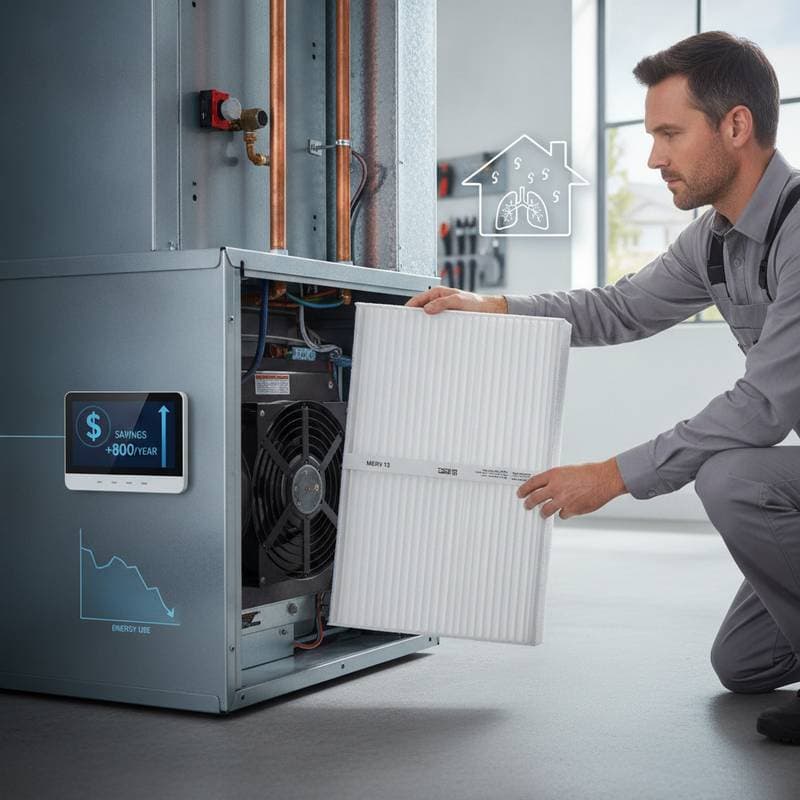
Energy efficiency improves as clean coils allow for better heat exchange. Homeowners report up to 20% savings on utility bills due to optimized performance. Additionally, the system extends the lifespan of HVAC equipment by preventing microbial buildup that causes corrosion.
In 2026, with rising awareness of air quality post-pandemic, UV-C upgrades align with modern home standards. It provides peace of mind, knowing your air is purified around the clock. These benefits extend beyond immediate health gains to long-term cost savings.
The Installation Process Step by Step
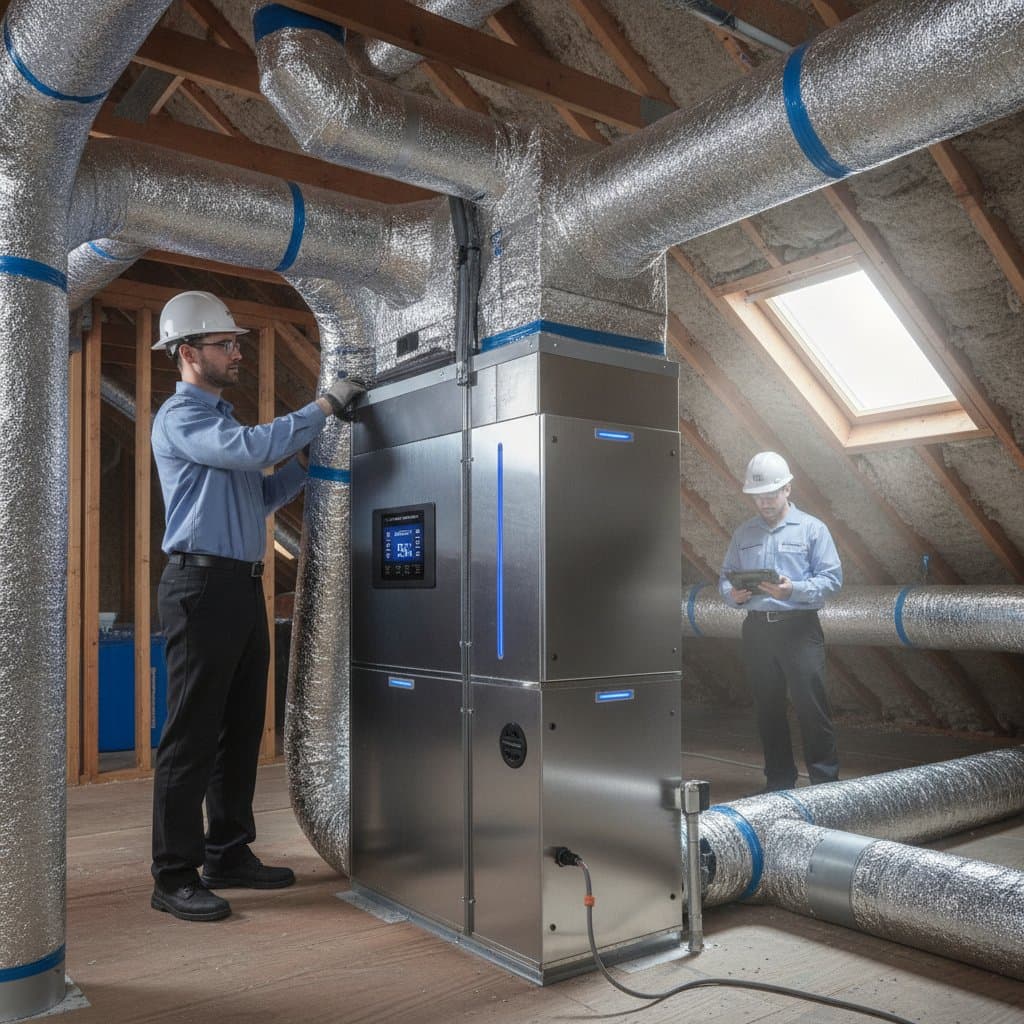
Professional installation ensures optimal placement and safety. Begin with a thorough inspection of your HVAC system to identify mold hotspots. Technicians then select the appropriate UV-C lamp size based on duct dimensions and airflow rates.
Mounting occurs inside the unit, typically near the evaporator coil. Wiring connects to the system's power source, with safeguards to prevent exposure to the light. The entire process takes 1 to 2 hours for most residential setups.
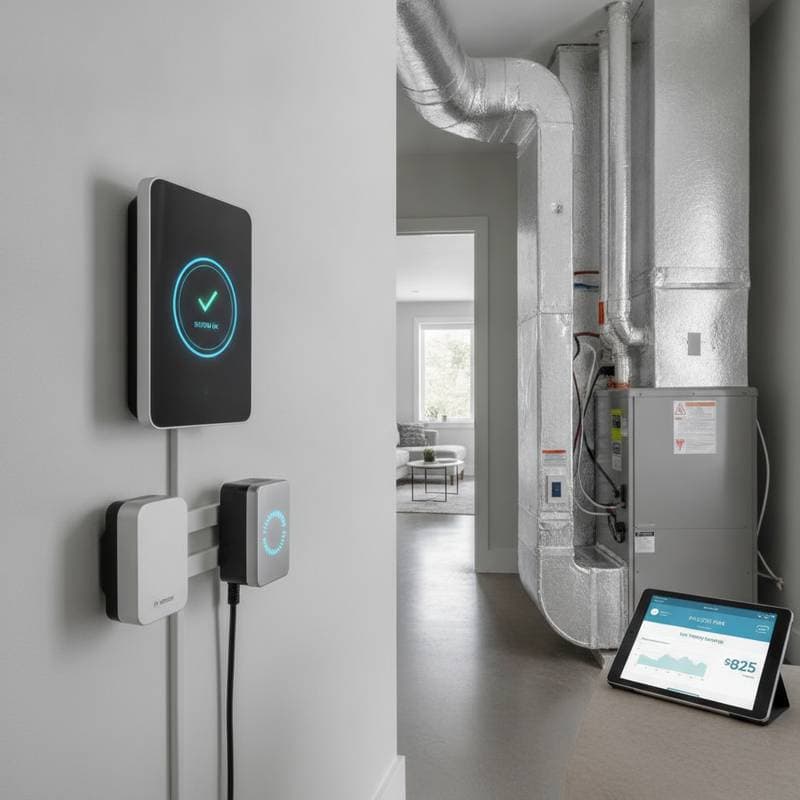
Post-installation, test the system to verify coverage. Technicians adjust intensity if needed for maximum efficacy. Homeowners receive guidance on monitoring bulb life through integrated indicators.
Estimating Costs and Return on Investment
Initial costs for UV-C systems range from $500 to $1,500, depending on home size and complexity. Basic kits for smaller homes start at the lower end, while whole-house installations approach the higher figure. Labor fees add $200 to $400, varying by location.
Ongoing expenses remain minimal, with bulb replacements costing $50 to $100 every 2 to 3 years. Compare this to potential HVAC repairs from mold damage, which can exceed $2,000. The investment pays off through energy savings and health improvements within 1 to 2 years.
Financing options, such as rebates for energy-efficient upgrades, may reduce upfront costs. Consult local providers for tailored quotes. This strategic addition enhances property value in health-conscious markets.
Selecting the Ideal UV-C System for Your Home
Consider your HVAC type when choosing a system. For central air units, coil-mounted lamps provide targeted protection. Duct-mounted options suit homes with extensive ductwork, ensuring broad coverage.
Evaluate intensity levels; higher-output bulbs handle larger spaces effectively. Systems with safety sensors prevent accidental exposure during maintenance. Opt for models certified by organizations like the EPA for verified performance.
Assess your climate; humid areas require robust units to combat moisture. Reviews from similar households guide decisions. A consultation with a certified technician refines choices to match specific needs.
Maintenance Tips for Long-Term Performance
Regular checks keep UV-C systems operating at peak efficiency. Inspect bulbs quarterly for dust accumulation, which can reduce output. Clean housings gently with a soft cloth to maintain transparency.
Monitor airflow; restricted ducts diminish effectiveness. Replace bulbs promptly when indicators signal end-of-life. Annual professional servicing ensures alignment and functionality.
Track air quality with simple home tests to measure improvements. These habits sustain the 89% mold reduction rate over time. Consistent care maximizes health and efficiency gains.
Achieving Cleaner Air and Greater Comfort
Integrating UV-C light into your HVAC system transforms indoor environments. It delivers substantial mold reduction, fostering healthier homes with minimal effort. Take the step toward purer air by scheduling an assessment today.
Experience the difference in breathability and system reliability. This upgrade positions your household for wellness in 2026 and future years. Prioritize air quality for enduring benefits.