Revolutionary Humidity Control Reduces Allergens by 58%
Indoor allergens create discomfort for numerous homeowners, particularly as humidity levels increase. Mold, dust mites, and bacteria flourish in moist settings, leading to sneezing, coughing, and irritated eyes. Advanced whole-home humidity control systems now transform indoor air quality management. These systems achieve up to a 58 percent reduction in allergens. The following sections explain the technology, its benefits, and implementation steps for your residence.
Understanding Whole-Home Humidity Control
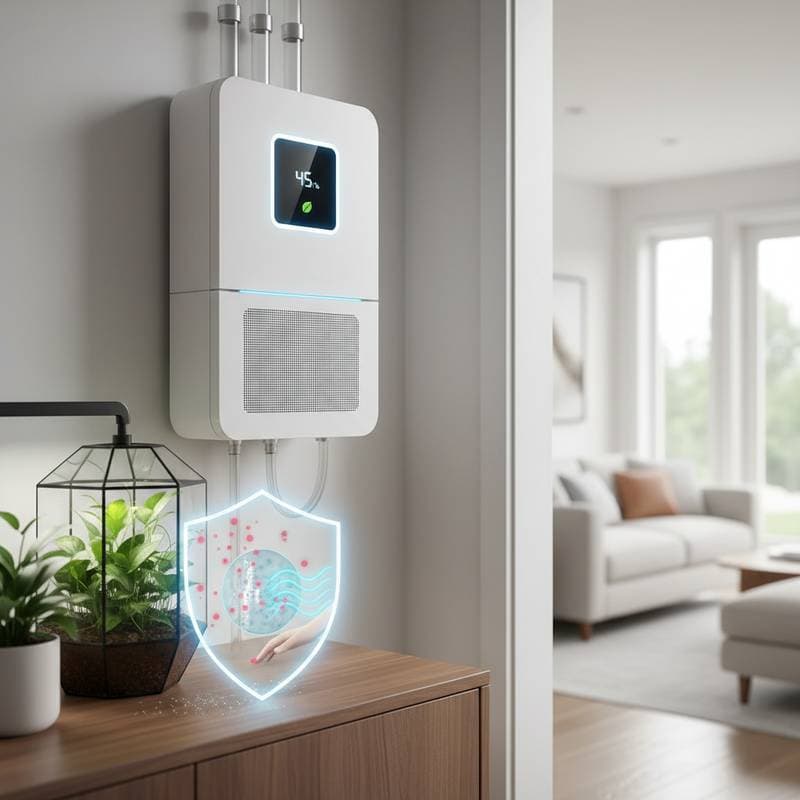
Whole-home humidity control involves systems designed to sustain optimal moisture levels across an entire residence. In contrast to portable dehumidifiers that address single rooms, these units integrate with the central HVAC framework. They extract excess moisture from circulating air via ductwork, maintaining consistent humidity in every space.
Optimal humidity supports more than mere comfort. It influences health, air purity, and structural integrity. Excessively dry conditions irritate skin and respiratory passages, whereas high moisture promotes mold proliferation, dust mite colonies, and damage such as warped flooring or deteriorating paint. Effective systems target the 40 to 50 percent range, where allergens struggle to persist.
Mechanics of Advanced Humidity Technology
Modern humidity control surpasses traditional dehumidification. Contemporary units incorporate intelligent sensors and dynamic adjustments to track environmental conditions continuously. Upon detecting elevated humidity, the system activates to eliminate moisture while preserving balanced airflow and temperature.
Essential Components of Sophisticated Systems
- Intelligent Sensors: Devices that assess temperature and relative humidity in real time, enabling automatic system responses.
- **Energy ** Variable-speed fans and compressors minimize energy consumption by avoiding unnecessary HVAC strain.
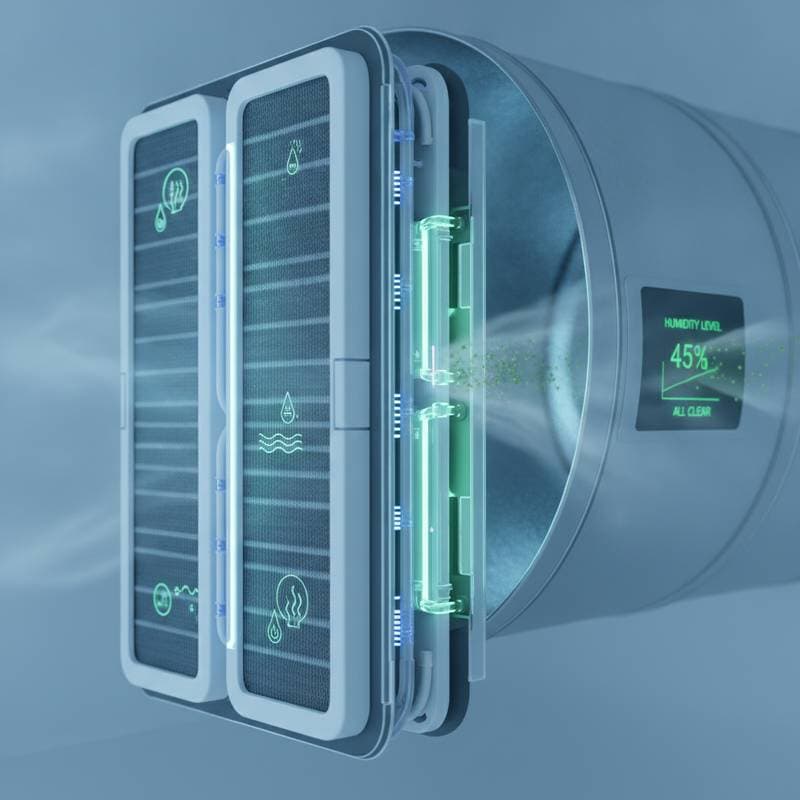
- Built-In Filtration: Integration of HEPA or antimicrobial filters captures particles as moisture balances occur.
- Low-Noise Design: Enhanced engineering and soundproofing ensure operation remains unobtrusive.
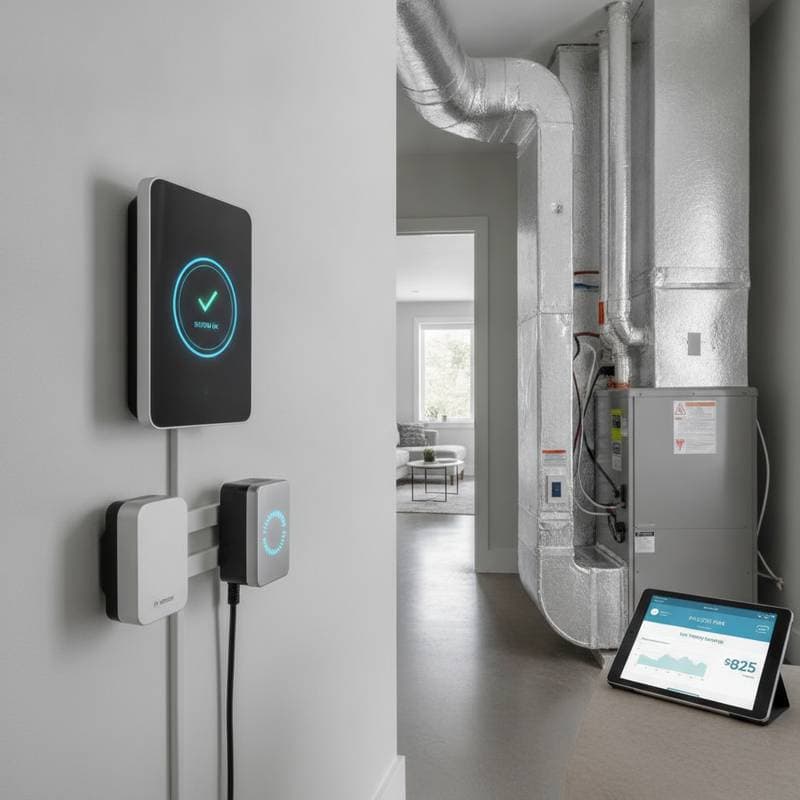
- Remote Monitoring: Compatibility with mobile applications or smart home platforms permits oversight of humidity from remote locations.
Such precision stabilizes indoor conditions, curbing environments conducive to allergen growth.
Indicators of Excessive Humidity in Your Home
Certain observations signal the need for enhanced humidity management. Persistent issues may warrant a whole-home dehumidifier installation.
- Persistent musty smells in basements, bathrooms, or storage areas
- Visible condensation on windows, mirrors, or other cool surfaces
- Emergence of mold or mildew on walls, ceilings, or near ventilation points
- Sensations of sticky or heavy air indoors
- Worsening allergy or asthma reactions among occupants
- Swelling or distortion in wooden floors, doors, or furnishings
These symptoms highlight elevated moisture. Without intervention, such conditions compromise health and property durability.
Mechanism for Achieving 58 Percent Allergen Reduction
Humidity regulation ranks among the most potent methods for mitigating allergens. Dust mites, mold, and bacteria depend on moisture for survival. Maintaining levels between 40 and 50 percent severely restricts their development.
Scientific Basis for Effectiveness
- Dust Mite Control: These organisms draw hydration from ambient air. Levels below 50 percent cause dehydration and mortality.
- Mold Suppression: Spores activate only above approximately 60 percent humidity. Control prevents germination entirely.
- Pathogen Limitation: Certain bacteria and viruses propagate more readily in humid air. Balanced conditions inhibit their viability.
Direct humidity intervention disrupts allergen lifecycles. Consequently, air quality improves, and triggers diminish home-wide.
Variables Influencing Installation Expenses
Expenses for a whole-home humidity system fluctuate according to multiple elements. Precise figures hinge on residence specifics and regional labor costs, yet typical ranges account for these considerations:
- Residence Dimensions: Greater square footage demands higher capacity for uniform coverage.
- Unit Configuration: Options range from HVAC-integrated models to independent setups.
- Performance Specifications: Superior efficiency ratings involve higher initial outlay but reduced ongoing energy demands.
- Setup Demands: Aging ducts or confined spaces extend labor requirements.
- Supplementary Options: Features like digital interfaces, premium filters, or wireless controls elevate totals.
Schedule a specialist evaluation prior to commitment. An HVAC expert determines appropriate sizing and tailors the solution to your layout.
Comparing Self-Managed Solutions to Expert Services
Basic measures offer short-term humidity relief, yet professional intervention provides enduring outcomes.
Accessible Homeowner Actions
- Activate exhaust fans during cooking or bathing to expel steam.
- Maintain clear gutters to avert water seepage into foundations.
- Deploy portable units in targeted zones like laundry rooms.
- Apply weatherstripping to windows and doors, blocking humid external air.
These steps alleviate minor issues but fail to regulate moisture comprehensively.
Benefits of Professional Expertise
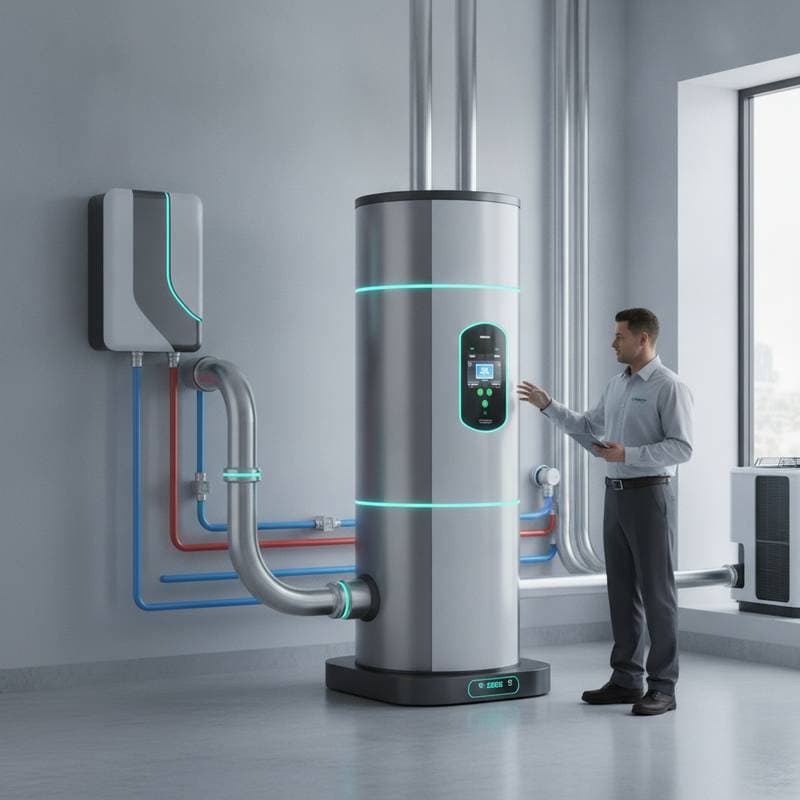
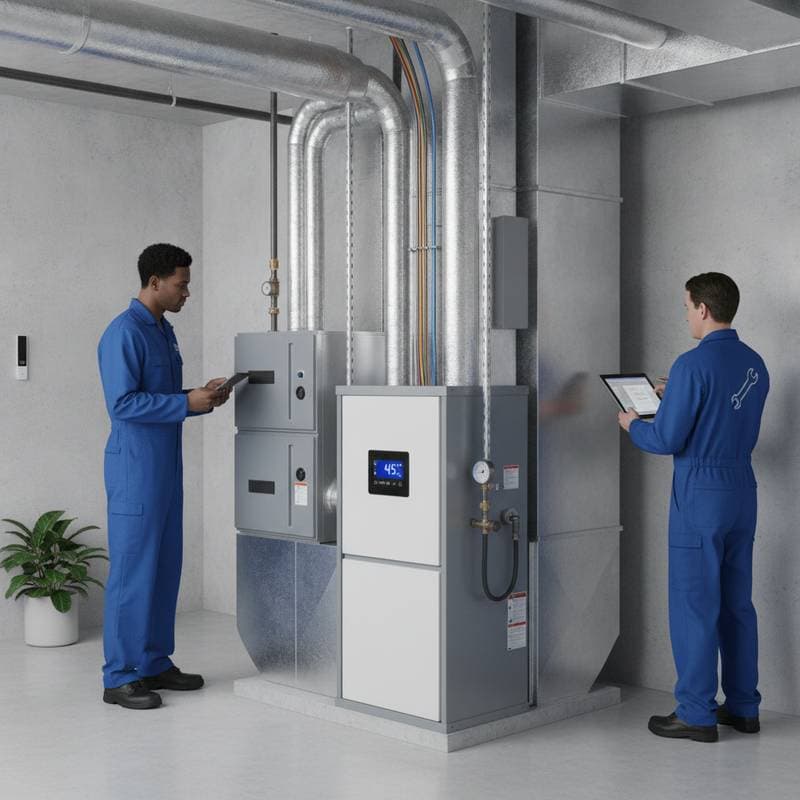
Whole-home installations necessitate handling of wiring, refrigerants, and duct modifications. Certified technicians perform:
- Compatibility checks on existing HVAC components.
- Precise unit sizing based on home volume and climate.
- Secure connections for power and coolant lines.
- Fine-tuning of sensors for reliable operation.
Expert oversight ensures compliance, performance, and warranty validity.
Step-by-Step Installation Overview
Familiarity with the process eases preparation and builds confidence.
- Initial Evaluation: Technicians assess square footage, current HVAC setup, and moisture patterns.
- Model Recommendation: Selection aligns with requirements for capacity and energy use.
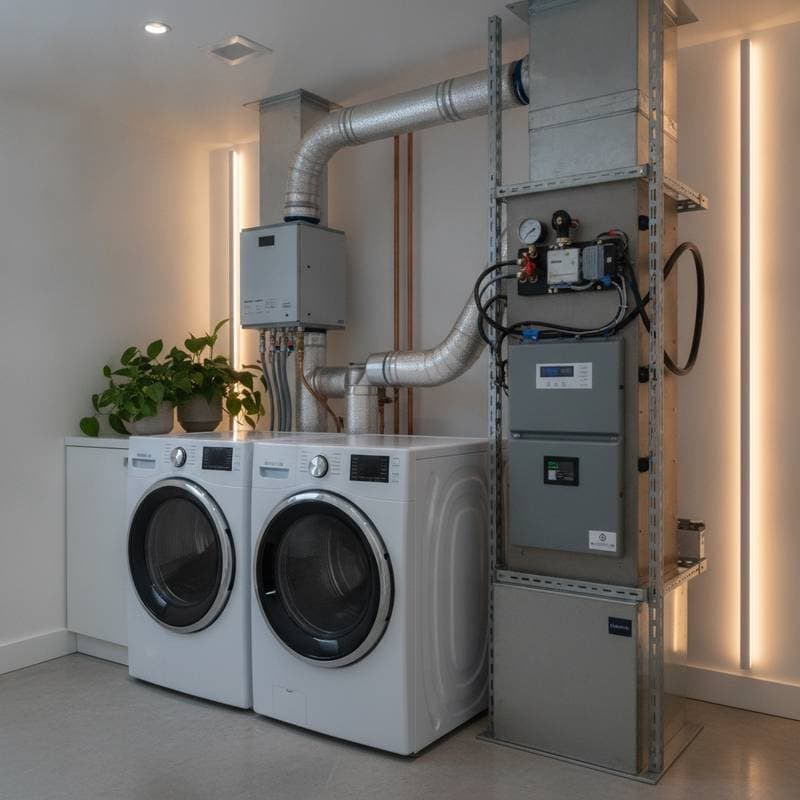
- HVAC Linkage: Connection occurs at the air handler or return ducts for full-home treatment.
- Moisture Discharge: Installation of piping routes collected water to a safe outlet.
- Performance Verification: Testing confirms functionality, with sensor adjustments for precision.
- User Orientation: Instructions cover monitoring, adjustments, and routine care.
Common Inquiries Addressed
How Can I Detect Elevated Humidity?
Acquire a hygrometer for precise measurement. Indicators such as surface condensation, odors, or mold growth suggest problems. Experts provide verified assessments.
Is Year-Round Operation Feasible?
Affirmative. Systems activate solely when needed, extracting moisture in damp seasons and deactivating in arid periods.
Does Dehumidification Lower Temperatures?
Moisture removal enhances perceived coolness without altering actual temperature. Thermostat tweaks maintain desired warmth.
What Maintenance Schedule Applies?
Annual servicing suffices. Professionals clean components, examine wiring, and clear drainage to sustain efficiency.
Does the Investment Justify Itself?
Indeed. It enhances comfort, prevents structural harm, elevates air quality, and curbs allergens, yielding substantial returns over time.
Implement Humidity Balance for Lasting Wellness
Allergy challenges or moisture concerns may resolve through targeted humidity management. Sustaining equilibrium slashes allergens by over half, refines air purity, and fortifies your residence. Professional whole-home systems deliver reliable, quantifiable enhancements beyond temporary remedies.