The UV-C Secret to 89% Fewer Home Allergens
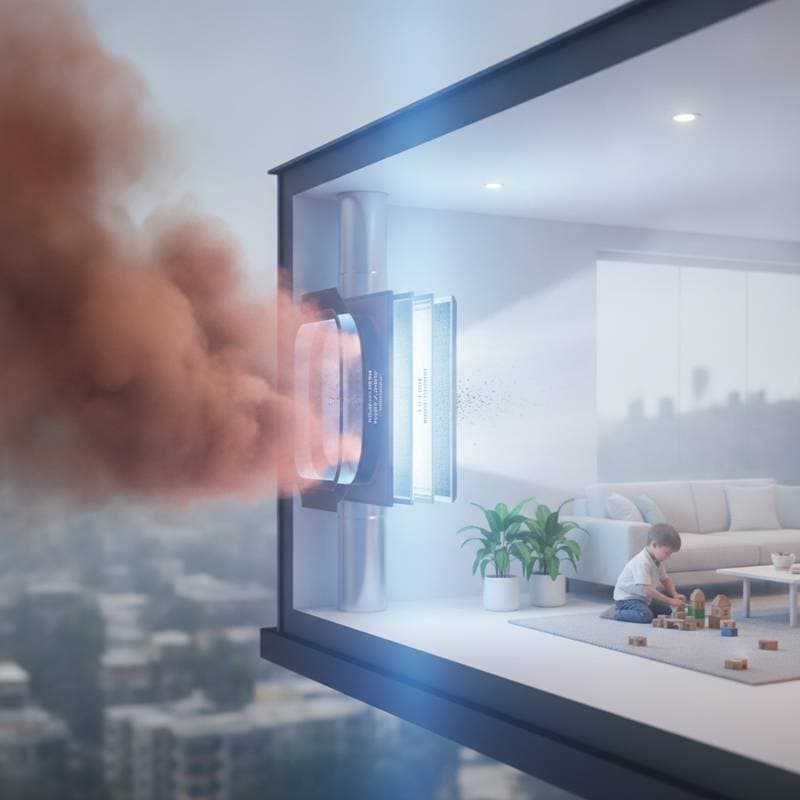
If you or your family experience sneezing, itchy eyes, or constant congestion inside your home, your HVAC system might distribute more than conditioned air. Invisible allergens such as mold spores, dust mites, and bacteria often contribute to these issues. UV-C air purifiers offer a powerful solution, reducing these allergens by up to 89% when implemented properly. This guide explains how UV-C technology functions, its benefits, and steps for safe integration into your home.
What Is UV-C Air Purification?
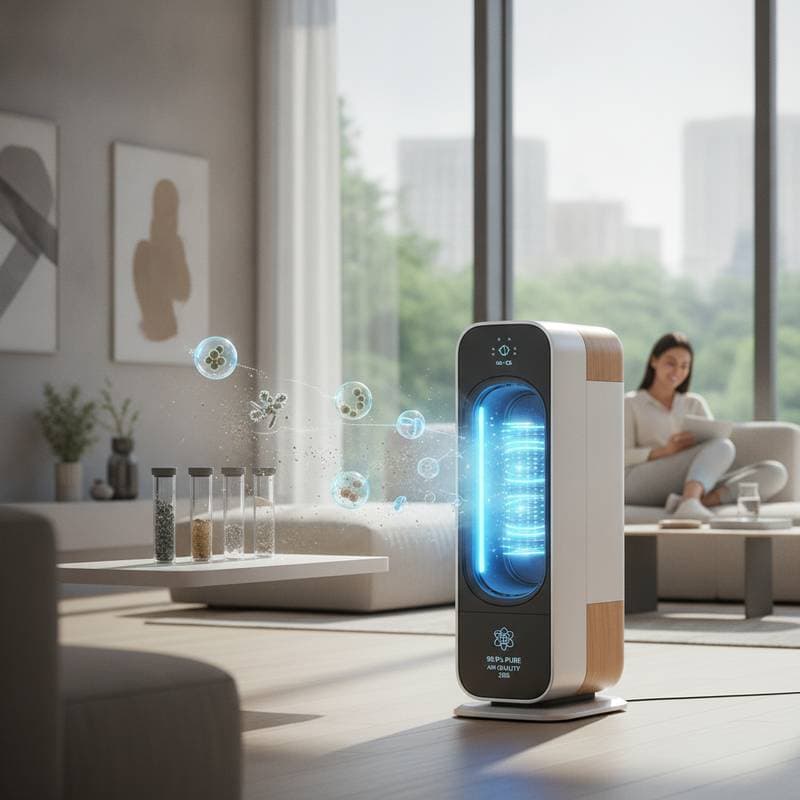
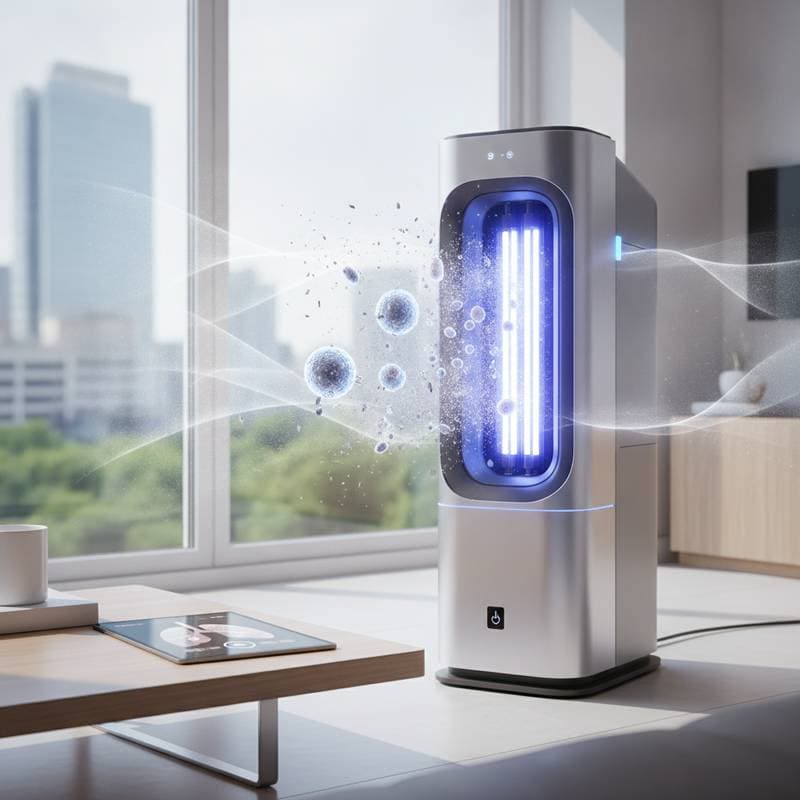
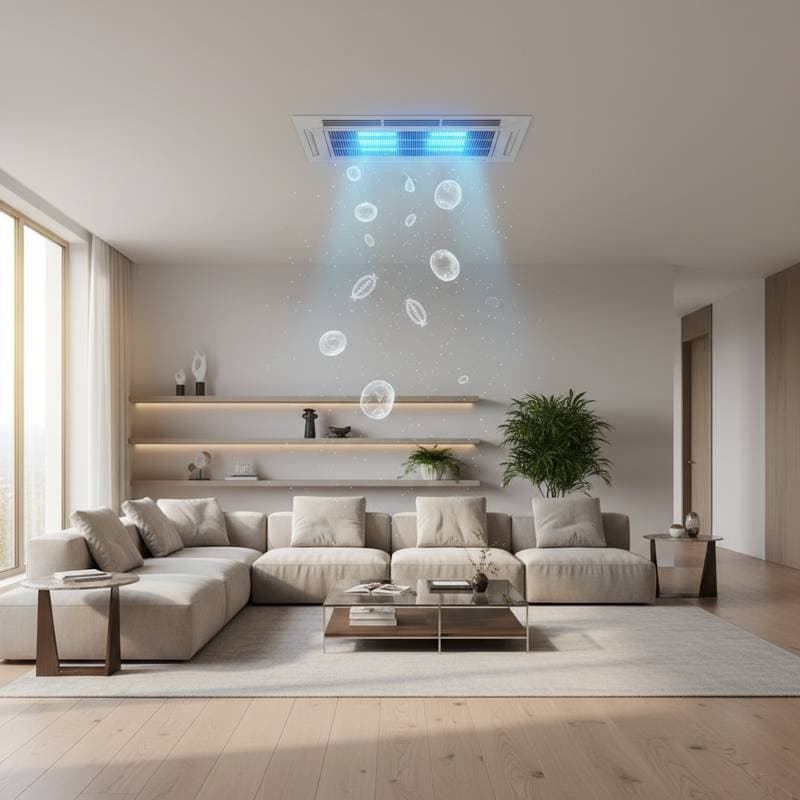
UV-C represents a wavelength of ultraviolet light with germicidal effects. This short-wave light disrupts the DNA or RNA of microorganisms, including bacteria, viruses, and mold, halting their reproduction. Integrated into an HVAC system or standalone purifier, UV-C lamps neutralize biological contaminants as air circulates through the unit.
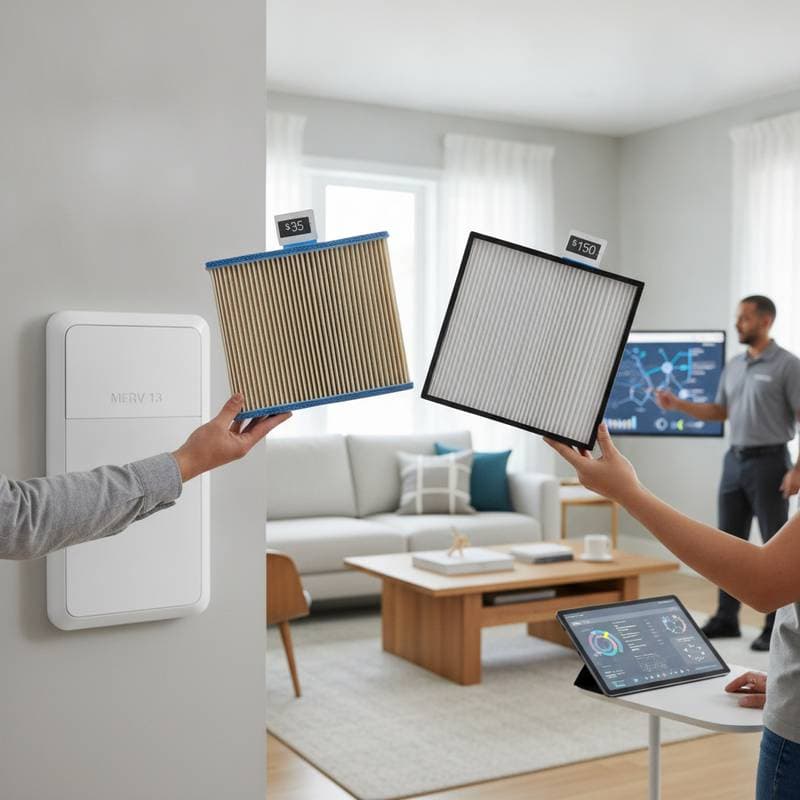
Traditional filters capture particles, but UV-C light kills or inactivates airborne pathogens. It complements rather than replaces filters. Pairing UV-C with HEPA or electrostatic filters enhances protection against contaminants that filters miss.
How UV-C Technology Works in Your HVAC System
Install a UV-C lamp inside the HVAC system, usually near the evaporator coil or air return duct. As air flows past, the light exposes moving air and surfaces to destroy microorganisms before recirculation occurs.
The process unfolds in these steps:
- Air enters the HVAC system, carrying dust, dander, and microorganisms.
- Filters capture larger particles such as pet hair and dust.
- UV-C light damages the cellular structure of remaining microscopic contaminants.
- Treated air returns to living spaces, lowering exposure to allergens and germs.
This ongoing treatment maintains cleaner air and boosts system efficiency. UV-C also inhibits mold growth on coils, which enhances airflow and reduces energy use.
Common Signs You Need UV-C Air Purification
Consider UV-C technology if certain indicators appear in your home. Persistent allergy symptoms despite thorough cleaning suggest airborne irritants persist. Musty odors from vents or visible mold near registers point to internal contamination.
Dust that reaccumulates rapidly after cleaning indicates inadequate filtration. Frequent indoor sinus problems among family members further signal poor air quality. Addressing these with UV-C can transform your indoor environment.
The Science Behind the 89% Allergen Reduction
Research demonstrates that properly installed and maintained UV-C systems reduce airborne allergens by up to 89%. This figure derives from tests in homes using UV-C alongside standard filters. The light neutralizes biological pollutants that circulate unchecked otherwise.
Achieving this reduction requires adequate exposure time and strategic placement. Position the lamp where air flows at an optimal speed for effective contact. Professional installation ensures these conditions, leading to noticeable air quality improvements in days.
Key Factors Affecting UV-C Air Purifier Performance
Performance depends on several elements. Evaluate lamp placement first: proximity to the evaporator coil or airflow path maximizes contaminant exposure.
Lamp intensity and wattage matter next. Select units matched to your HVAC size; insufficient power diminishes results, while excess generates unnecessary heat.
Airflow rate influences efficacy. Excessive speed reduces dwell time for UV-C action; technicians adjust systems for balance.
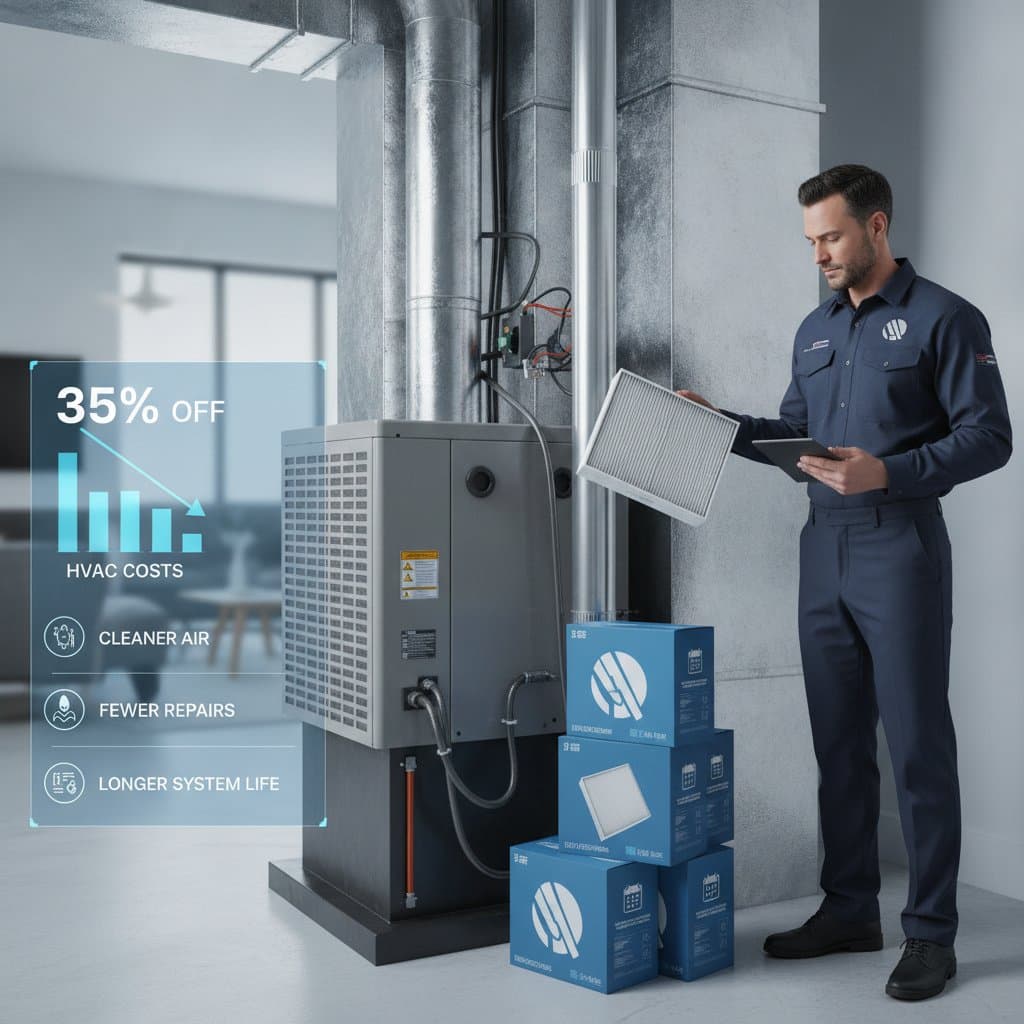
Maintenance plays a crucial role. Bulbs degrade over time, so replace them annually. Wipe dust from surfaces to sustain output.
Integrate UV-C with filters, dehumidifiers, and ventilation for layered protection. This combination yields superior air purification.
DIY Installation vs. Hiring a Professional
Homeowners handle some tasks safely. Clean around the HVAC unit to prepare the area. Replace filters on schedule and ensure vents remain unobstructed.
For bulb replacement in existing systems, follow manufacturer instructions precisely.
Professionals manage initial installations. They address electrical wiring, exact placement, and shielding to block UV exposure. Errors risk system damage or health hazards.
Experts verify lamp compatibility with your HVAC model. They secure wiring, optimize airflow, and seal units against leaks. This approach safeguards your investment and well-being.
Types of UV-C Air Purifiers
Coil Sterilization Units
Mount these near the evaporator coil for constant operation. They target mold and bacteria on moist surfaces. Energy-efficient designs suit homes focused on preventing odors and buildup.
Air Sterilization Units
Position these in ducts to treat passing air. They activate with HVAC cycles, directly combating airborne pathogens. Ideal for whole-home allergen control.
Portable UV-C Air Purifiers
Use these freestanding devices in specific rooms. They merge filters and UV-C for localized cleaning. Beneficial in high-use areas like bedrooms, though not a full-system substitute.
The UV-C Air Purifier Installation Process
Expect a structured approach from your technician.
- Assessment: Review HVAC design, airflow, and coil status to select the right unit and location.
- System Preparation: Shut off power, clean the site, and remove any mold or debris.
- Lamp Mounting: Secure the fixture in the air handler or ducts with proper shielding.
- Electrical Connection: Link to a power source tied to HVAC operation.
- Testing and Verification: Measure output, check for issues, and provide maintenance advice.
This methodical process ensures reliable, safe performance.
Frequently Asked Questions
Does UV-C light remove dust and pet hair?
UV-C targets microorganisms but does not capture particles. Rely on quality filters for dust and dander removal.
Can I use UV-C air purifiers if I already have a HEPA filter?
Yes, this pairing enhances results. HEPA traps particles while UV-C eliminates viable contaminants.
Are UV-C lamps safe for my family and pets?
Sealed installations prevent light escape into occupied areas. Professional setup avoids direct exposure risks.
How long do UV-C bulbs last?
Expect one year of effective use. Replace promptly to maintain intensity, regardless of visible glow.
Will UV-C light increase my energy bills?
Consumption remains low, akin to a small bulb. Efficiency gains from cleaner coils often offset costs.
Ensuring Long-Term Air Quality Benefits
Routine maintenance sustains your UV-C system's effectiveness. Adhere to bulb replacement schedules and filter cleaning protocols. Annual professional inspections confirm optimal operation.
These steps minimize allergy triggers, promote restful sleep, and elevate home comfort. Collaborate with HVAC experts to safeguard health through sustained clean air. UV-C serves as an effective, unobtrusive tool for healthier living spaces.