Advanced HVAC Humidity Control: Reducing Mold Risk by 90 Percent and Cooling Costs by 18 Percent
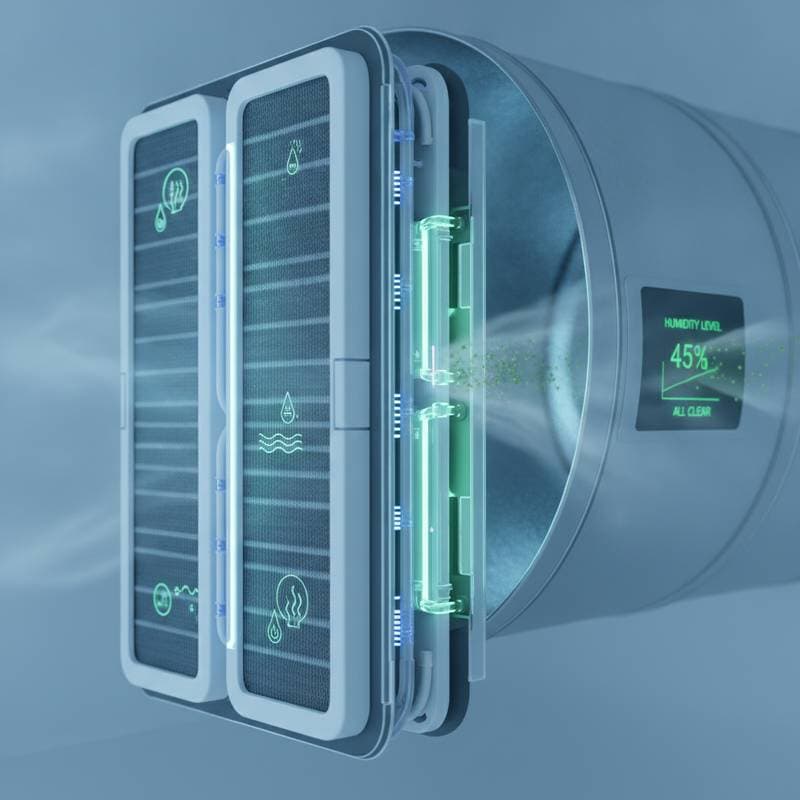
Homeowners facing persistent humidity issues often encounter musty smells, elevated energy expenses, and potential health concerns. The latest HVAC humidity control systems, projected for widespread adoption by 2026, integrate dehumidification technology to address these challenges effectively. These systems lower mold risk by up to 90 percent and reduce cooling costs by as much as 18 percent. This article explores the mechanics of these innovations, associated expenses, and practical benefits for creating a more comfortable living environment.
| Feature | Average Range |
|---|---|
| Typical Installed Cost | $2,000 - $4,500 |
| Savings on Cooling | Up to 18% |
| Ideal Indoor Humidity | 40% - 50% |
| Mold Risk Reduction | Up to 90% lower |
Understanding Costs for HVAC Humidity Control Systems
Integrating a whole-home humidity control system into an existing HVAC framework generally ranges from $2,000 to $4,500. This price encompasses the equipment, professional labor, and necessary modifications to air handlers or ductwork. In contrast, portable dehumidifiers cost between $200 and $600, though they cover only specific areas and demand regular upkeep.
When installing a new HVAC system, incorporating humidity management adds $1,200 to $2,000 to the base price. Such investments yield returns through enhanced energy savings and reduced mold remediation expenses, often recouping costs within two to three cooling seasons.
Factors Influencing the Price of Humidity Control Systems
Multiple elements determine the overall expense of a humidity control installation. Homeowners benefit from evaluating these aspects to establish a realistic budget.
Capacity and System Type
Larger residences or those in high-humidity regions require units with greater capacity. For instance, a system suited for 1,500 square feet incurs lower costs than one engineered for over 3,000 square feet, reflecting differences in equipment scale and power requirements.
Level of Integration Required
Modifying existing ductwork or HVAC components increases labor expenses. Properties equipped with recent HVAC models that support digital interfaces typically involve simpler adaptations, minimizing additional work.
Efficiency Specifications
Units featuring advanced sensors and variable-speed compressors provide precise humidity regulation. Although initial prices are higher, these models optimize energy consumption, potentially decreasing cooling demands by up to 18 percent over time.
Brand Quality and Warranty Options
Established manufacturers command premium pricing yet deliver superior performance and extended warranties. Comprehensive coverage protects against repair costs, which could otherwise accumulate significantly.
Exploring Options in HVAC Dehumidification Systems
Homeowners select from various humidity control configurations based on property size, budget, and lifestyle preferences. Each option presents distinct advantages for moisture management.
Whole-Home Dehumidification Units
These systems connect directly to HVAC ductwork, processing air throughout the entire residence without manual intervention.
Advantages:
- Comprehensive coverage of all indoor spaces
- Effective prevention of mold and mildew proliferation
- Automated operation requiring little ongoing attention
Disadvantages:
- Elevated initial investment
- Necessitates skilled professional setup
Standalone Portable Dehumidifiers
Designed for mobility, these devices suit targeted applications such as basements or individual rooms.
Advantages:
- Affordable acquisition price
- Simple setup without structural changes
- Immediate usability upon plugging in
Disadvantages:
- Restricted to localized areas
- Demands routine water reservoir emptying and component cleaning
Integrated Smart HVAC Solutions
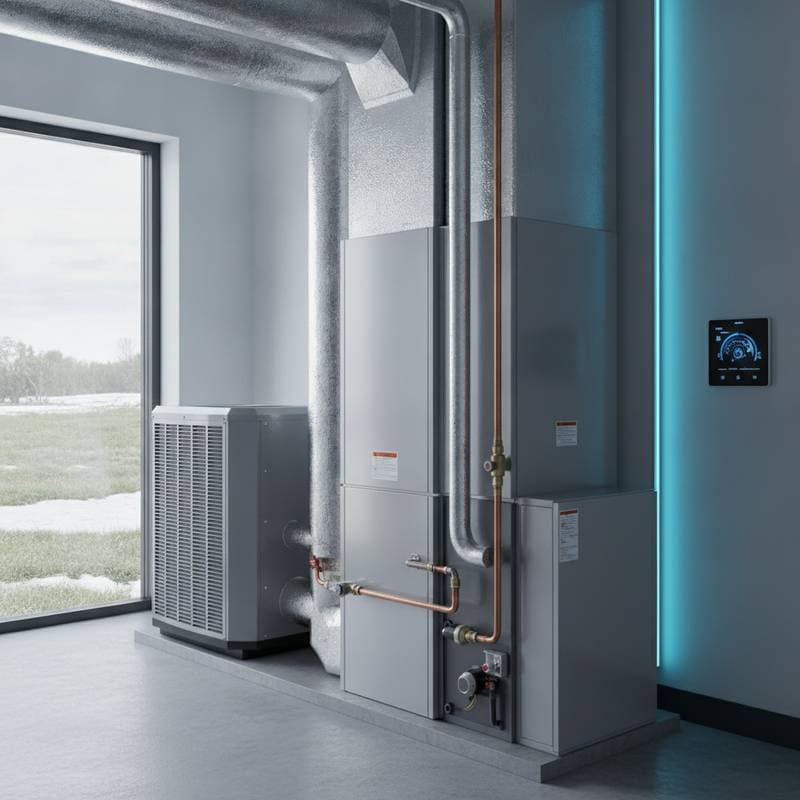
These comprehensive systems merge heating, cooling, and dehumidification functions, often interfacing with home automation platforms.
Advantages:
- Unified control for optimal indoor conditions
- Reduced overall energy consumption
- Integration with intelligent thermostats for enhanced functionality
Disadvantages:
- Highest cost among available choices
- Typically involves replacing the existing HVAC infrastructure
Indicators That Signal the Need for Humidity Management Upgrades
Excess moisture indoors leads to structural deterioration and health risks beyond mere unease. Recognize these symptoms to determine if an upgrade is essential:
- Lingering odors suggestive of dampness
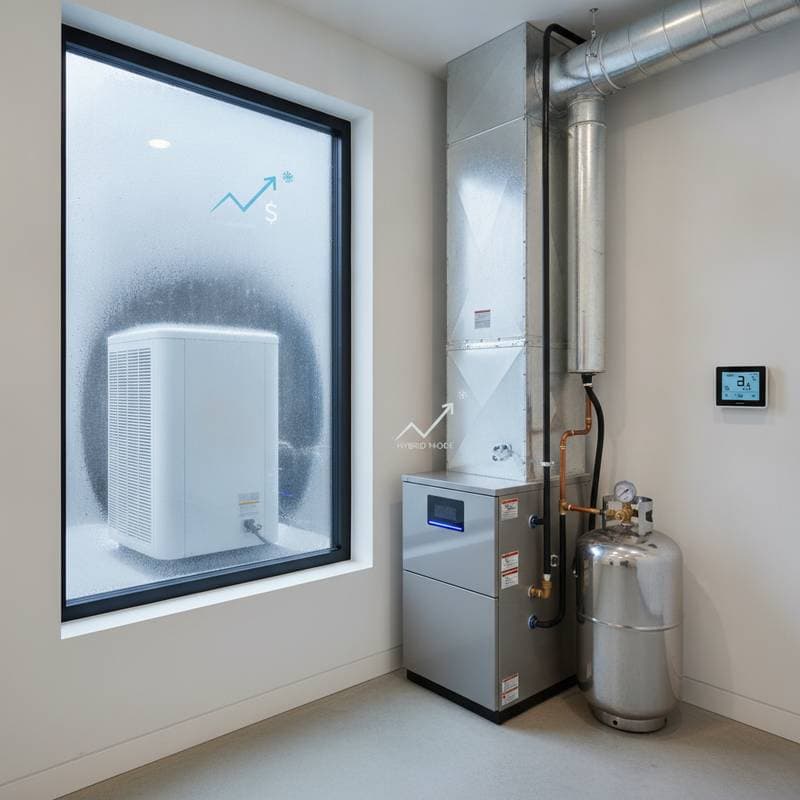
- Moisture buildup on glass surfaces or ventilation outlets
- Apparent fungal growth on interior walls or overhead areas
- Clammy atmosphere despite active air conditioning
- Worsening allergic reactions or breathing difficulties
- Distortion in wooden elements like floors or cabinetry
Step-by-Step Guide to Installing HVAC Humidity Control
Professional installation ensures optimal performance and longevity. The process unfolds in structured phases to integrate the system seamlessly.
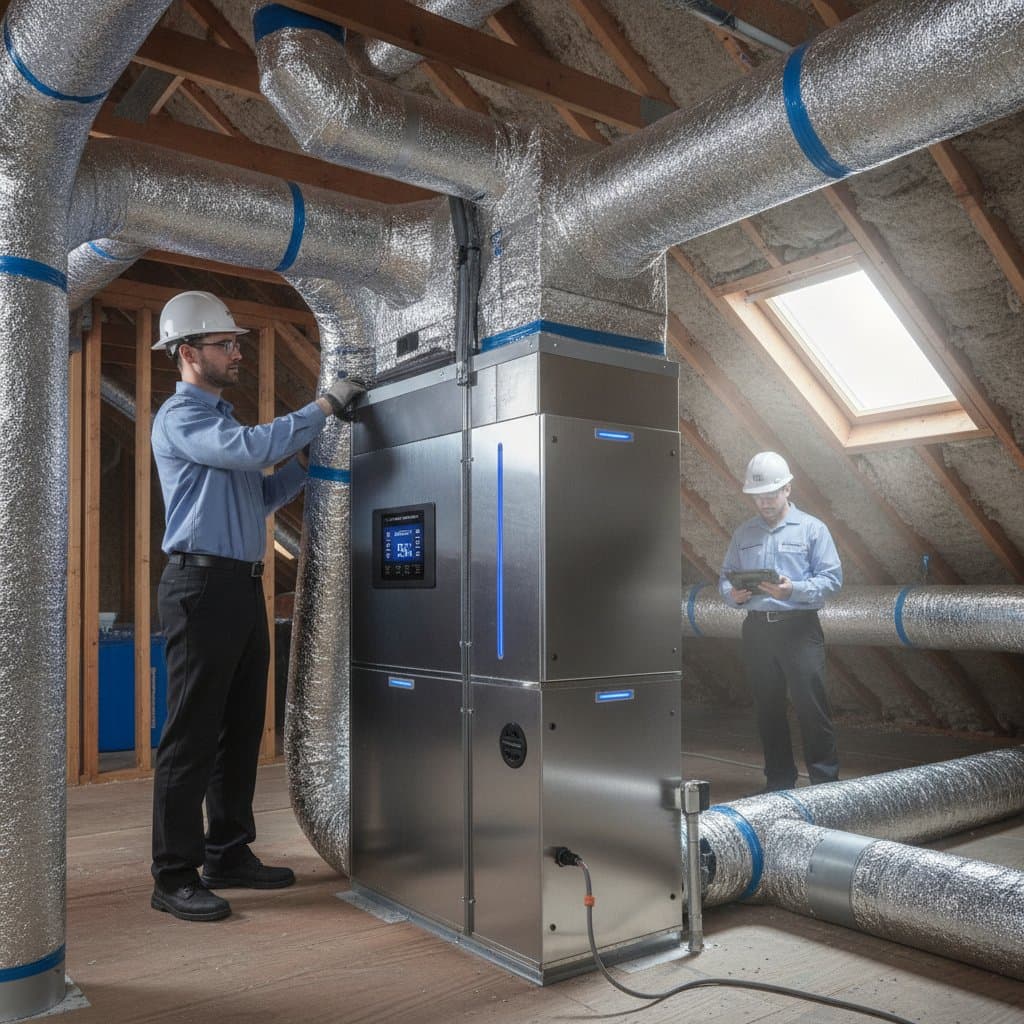
- Initial Evaluation and Equipment Selection: Technicians assess air volume, current humidity readings, and HVAC compatibility to recommend appropriately sized units.
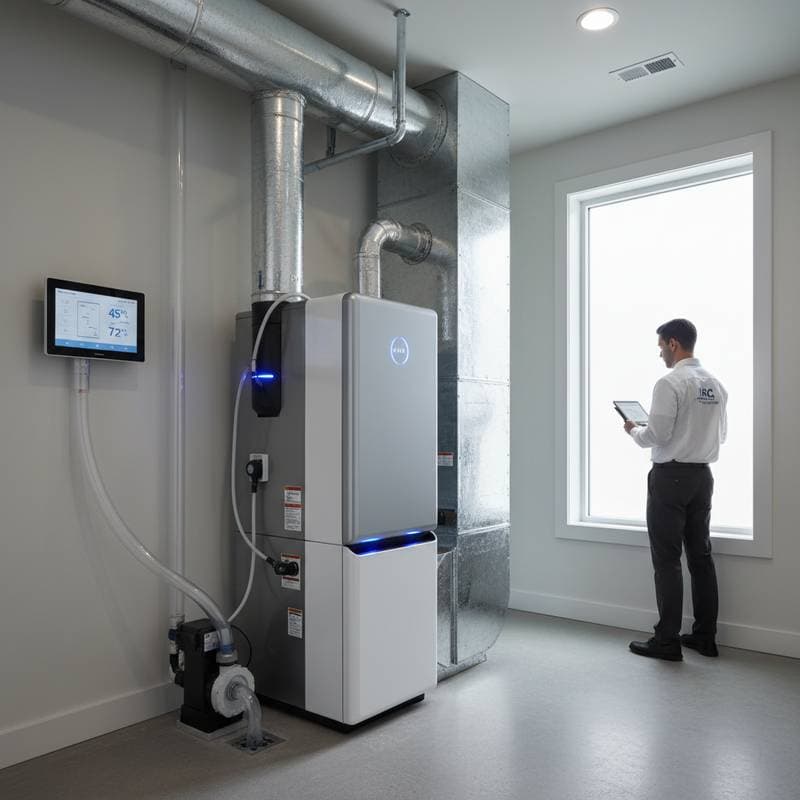
- Incorporation into Existing Infrastructure: The dehumidifier links to ductwork or the central air handler for unified operation.
- Moisture Removal Pathway Establishment: Dedicated lines direct condensed water away from the system to avoid backups or damage.
- Power and Control Linkage: Electrical connections tie the unit to the HVAC supply, including any digital monitoring features.
- Performance Verification: Comprehensive testing adjusts settings to achieve balanced airflow and target humidity levels.
- **Operational ** Technicians provide detailed guidance on configuration, filter maintenance, and thermostat utilization.
Breakdown of Labor Expenses for Humidity Control Projects
Installation labor constitutes 35 to 50 percent of the total expenditure. Rates typically fall between $800 and $2,000, varying with unit dimensions and residence configuration. Supplementary modifications, such as duct expansions or wiring enhancements, may elevate these figures modestly.
Common Questions on HVAC Humidity Control
In What Ways Does Humidity Regulation Lower Cooling Expenses?
Dehumidified air enhances perceived coolness, allowing the air conditioner to cycle less frequently. This adjustment results in energy reductions of up to 18 percent while preserving comfort.
Does a Dehumidifier Effectively Prevent Mold Development?
Maintaining humidity at 40 to 50 percent desiccates surfaces sufficiently to inhibit mold spore germination and growth.
Is Retrofitting Possible for Current HVAC Setups?
Contemporary systems accommodate add-on whole-home dehumidifiers in most cases. An on-site inspection confirms duct suitability and model compatibility.
What Maintenance Do These Systems Require?
Regular filter replacement or cleaning occurs every three to six months. Periodic drainage inspections prevent obstructions and potential water issues.
Are These Systems Beneficial Exclusively in Humid Areas?
Although most advantageous in moisture-prone locales, they prove valuable nationwide, particularly during wet periods or when standard AC units underperform in moisture extraction.
How Do Intelligent Thermostats Enhance Humidity Oversight?
These devices track both temperature and moisture metrics simultaneously. Automated responses fine-tune dehumidification and cooling for steady, efficient indoor conditions.
Securing Long-Term Home Protection Through Humidity Management
Uncontrolled indoor moisture erodes property value and escalates operational costs. Adopting an advanced HVAC humidity control system safeguards against mold proliferation, elevates living quality, and promotes sustainable energy practices. Schedule a professional consultation to evaluate your home's needs and initiate improvements that deliver enduring advantages.