Advanced Whole-Home Dehumidifiers Reduce Airborne Allergens by 58%
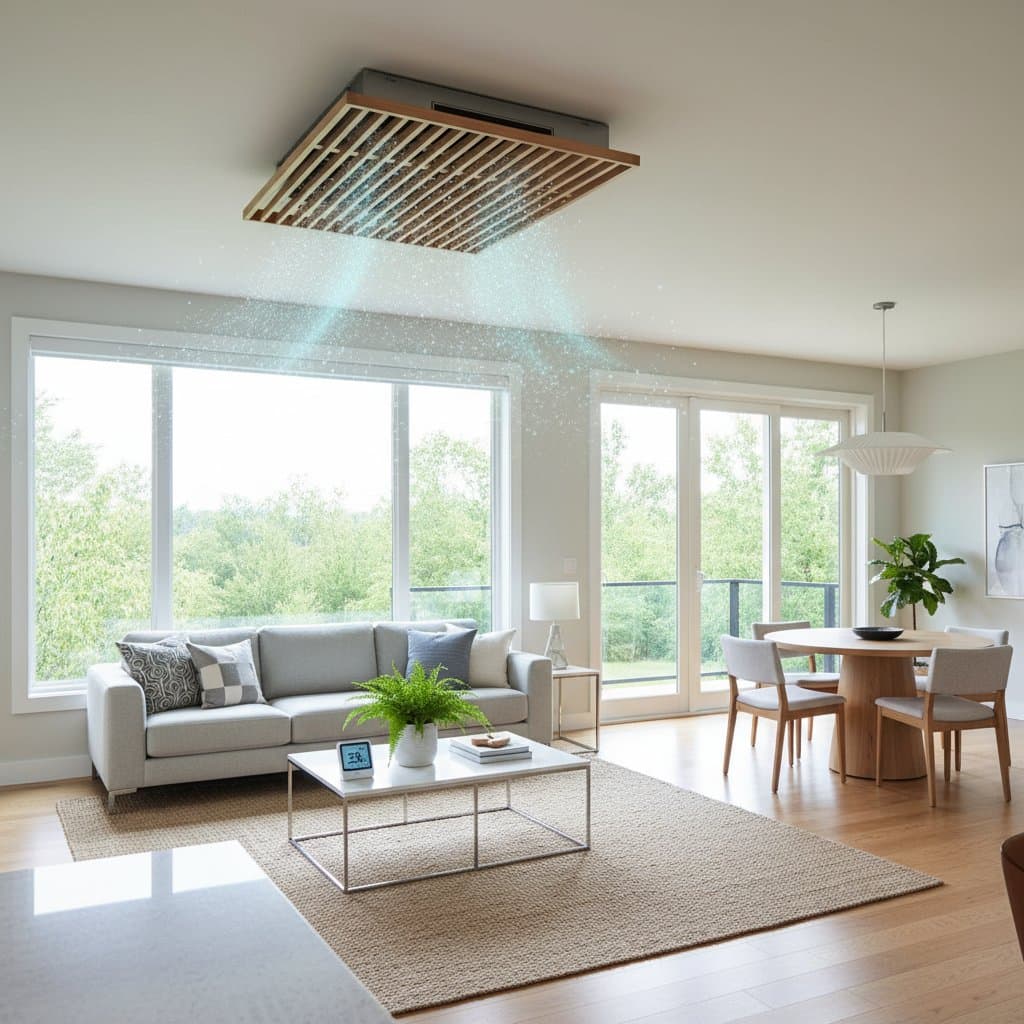
Advanced humidity control technology now enables homeowners to achieve superior indoor air quality. Recent studies indicate that whole-home dehumidifiers decrease airborne allergens by as much as 58 percent. These systems maintain optimal moisture levels throughout the residence, which inhibits mold proliferation, dust mite proliferation, and associated respiratory discomfort. This article details the mechanics of the technology, its significance, and implications for residential health and comfort.
| Benefit | Improvement |
|---|---|
| Allergen Reduction | Up to 58% |
| Recommended Humidity Range | 40% - 50% |
| Average Installed Cost | $1,800 - $3,000 |
| Expected Lifespan | 8 - 12 Years |
| Routine Maintenance | Annual Filter and Coil Cleaning |
Installed Costs for Whole-Home Dehumidifiers
Installed whole-home dehumidification systems generally range from $1,800 to $3,000, varying by unit size and performance specifications. Units suited for residences under 2,000 square feet start around $1,500, whereas robust models for expansive or multi-story homes may approach $4,000. These figures encompass the equipment, installation labor, and essential integration with existing ductwork.
Portable alternatives appear more economical initially, yet they address only isolated areas and demand regular manual draining. In contrast, whole-home dehumidifiers link seamlessly to the HVAC infrastructure, facilitating automatic moisture removal and uniform humidity regulation across the entire property.
Factors Influencing the Cost of Humidity Control Systems
Multiple elements determine the expense of implementing advanced humidity management solutions. Grasping these components aids in selecting an appropriate investment aligned with specific needs.
Capacity Requirements
Dehumidifiers operate based on their daily moisture removal capacity, measured in pints. Residences prone to persistent dampness or those in humid regions necessitate units with greater capacity. For instance, a 70-pint model suffices for a standard single-family home, but a 120-pint variant proves ideal for larger structures or tropical climates.
Energy Efficiency Standards
Models boasting superior energy efficiency command higher initial prices, though they yield long-term savings on operational costs. Prioritize units certified by Energy Star, which typically lower electricity consumption by 15 to 20 percent relative to conventional options.
Compatibility with Current HVAC Setup
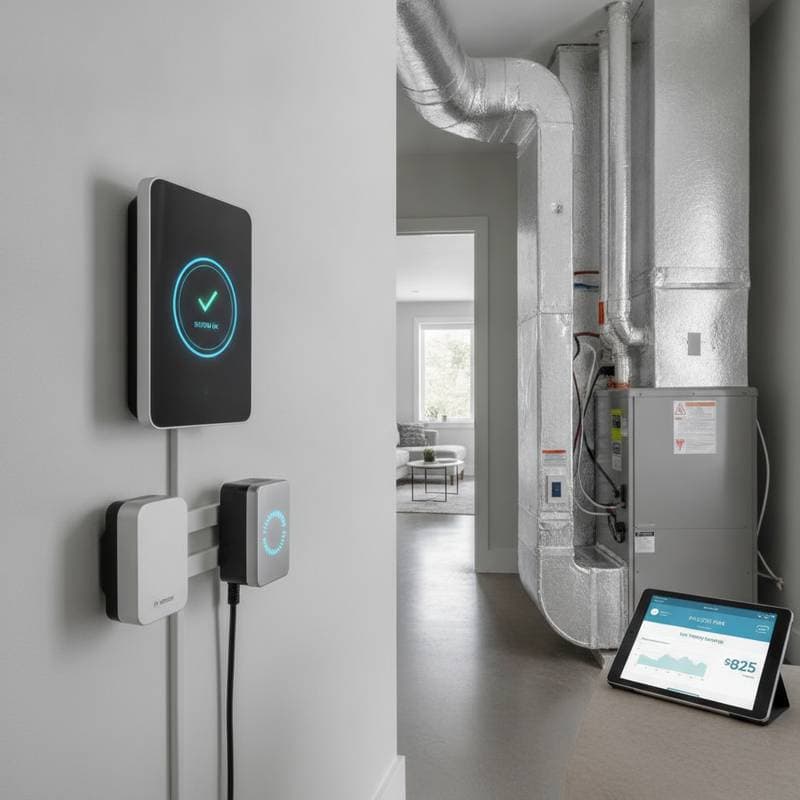
Integration proceeds smoothly with modern HVAC systems equipped with intelligent thermostats. Legacy systems, however, might require enhancements to ductwork or control mechanisms, thereby elevating labor expenses. Expert installation guarantees optimal airflow and even humidity dispersal.
Manufacturer Quality and Integrated Features
High-end units from reputable brands incorporate sophisticated sensors and adaptive controls that monitor both interior and exterior environmental factors. Such intelligent capabilities enhance user comfort and operational efficiency, albeit at a premium price point.
Categories of Whole-Home Humidity Management Solutions
Various humidity control options exist to accommodate diverse residential configurations and preferences. Each category presents distinct advantages alongside specific upkeep demands.
Centralized Dehumidification Units
- Advantages: Seamless HVAC integration, comprehensive home coverage, minimal ongoing maintenance
- Disadvantages: Elevated initial investment, mandatory professional setup
Portable Dehumidification Devices
- Advantages: Budget-friendly, mobile design, installation-free operation
- Disadvantages: Restricted to single-room use, repeated tank draining, shorter durability
Intelligent Humidity Regulation Systems
- Advantages: Automated humidity adjustments, superior energy conservation, remote access capabilities
- Disadvantages: Increased cost, dependence on compatible smart thermostats
Integrated HVAC Systems Featuring Dehumidification
- Advantages: Unified cooling and moisture control, optimal for humid locales
- Disadvantages: Substantial equipment expense, intricate servicing protocols
Indicators of Inadequate Humidity Management
Imbalanced humidity within a residence manifests through observable and sensory cues. Recognize these signals to address underlying issues promptly:
- Persistent musty odors in basements or storage areas
- Visible condensation on windows, pipes, or other surfaces
- Emergence of mold or mildew on walls, ceilings, or upholstery
- Intensified allergic reactions or asthma episodes
- Distortion in wooden floors or deterioration of paint finishes
- Clammy indoor atmosphere despite active air conditioning
Such symptoms reveal deficiencies in current moisture regulation. Introducing a whole-home dehumidifier restores equilibrium and fosters a stable indoor environment.
Step-by-Step Installation Overview
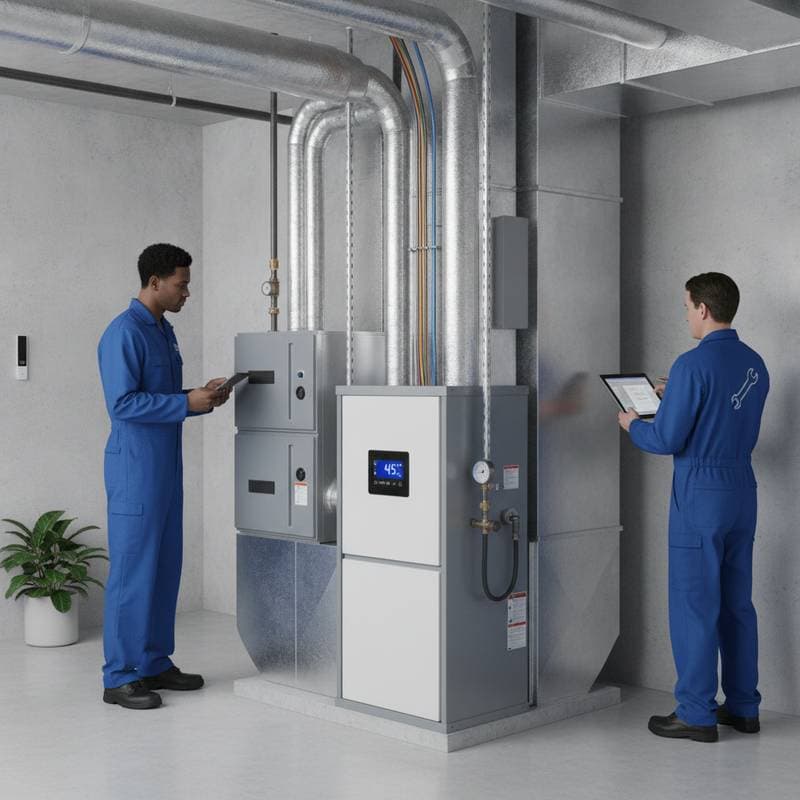
Engaging certified professionals guarantees efficient and secure system deployment. The procedure unfolds as follows:
- Initial Evaluation: Technicians assess square footage, insulation quality, and HVAC capabilities.
- Unit Selection: Appropriate model determined by residence dimensions and ambient humidity.
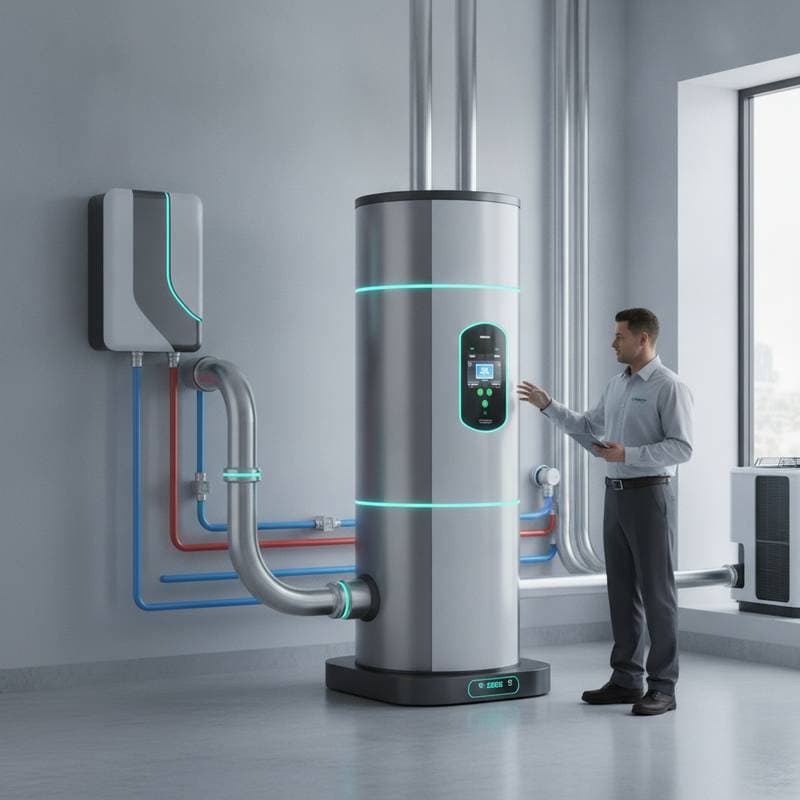
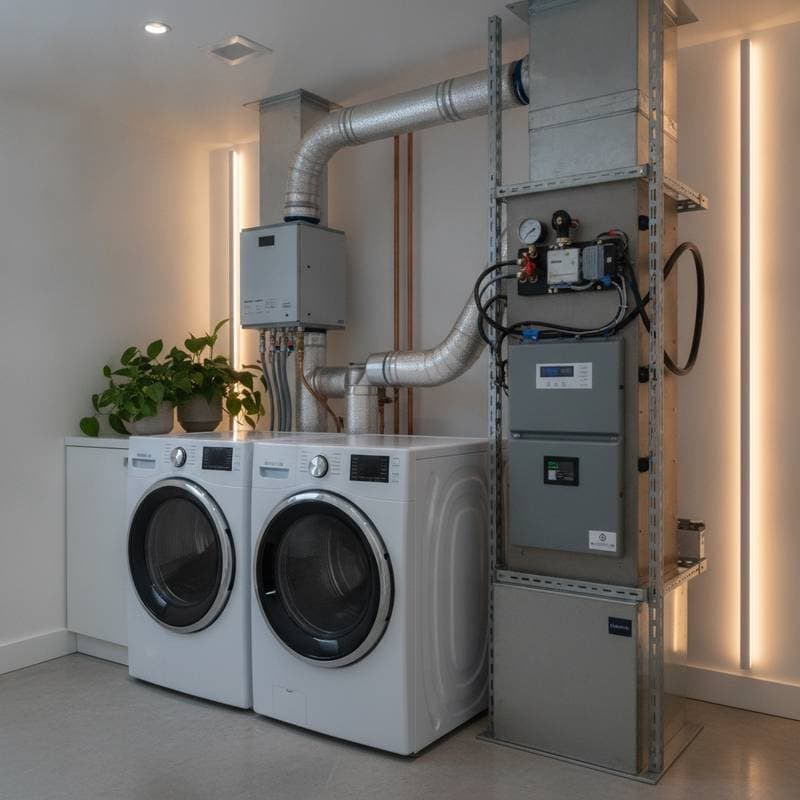
- System Connection: Dehumidifier linked to return air ducts and drainage conduits.
- Configuration: Optimal humidity setpoints established, generally 40 to 50 percent.
- Performance Verification: Full operational test conducted for airflow, drainage efficacy, and control precision.
- Care Instructions: Guidance provided on filter maintenance and scheduled professional servicing.
Completion typically requires several hours, with immediate enhancements to air quality.
Associated Labor Expenses
Labor for professional installation spans $400 to $800, covering setup, adjustments, and validation. Properties with intricate duct configurations or dated HVAC components may incur supplementary charges for adaptations. Selecting a licensed HVAC specialist mitigates risks of leaks, electrical faults, or uneven distribution. Routine annual inspections, priced at $100 to $200, prolong system longevity.
Common Questions on Humidity Control Systems
In What Ways Does Humidity Regulation Mitigate Allergens?
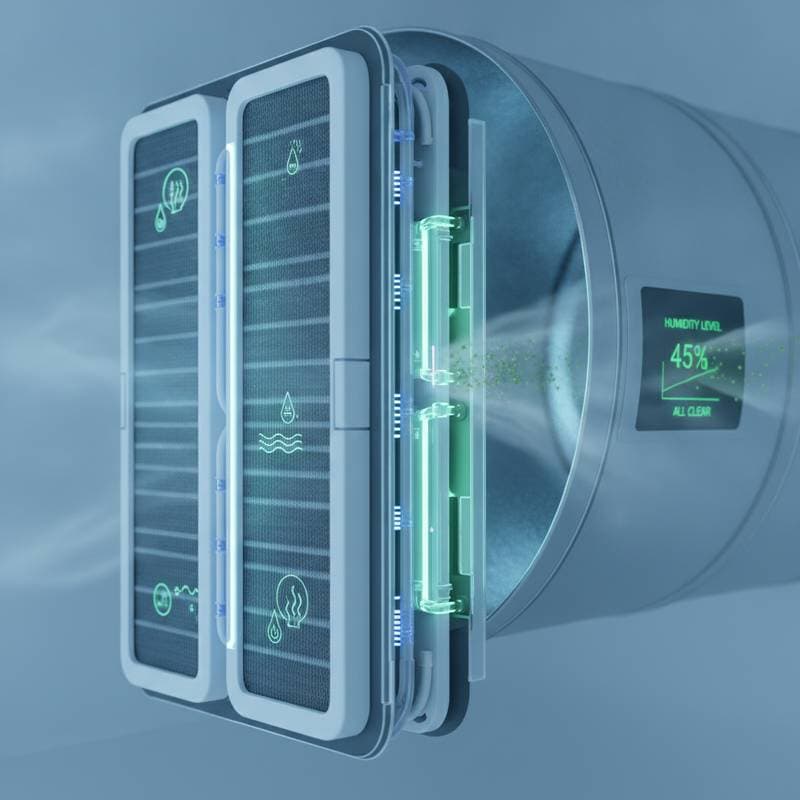
Optimal humidity discourages the survival of dust mites and mold spores. Sustaining levels between 40 and 50 percent deprives these allergens of the moist environment essential for reproduction.
Does a Whole-Home Dehumidifier Enhance Perceived Coolness?
Indeed, reduced humidity facilitates natural sweat evaporation, amplifying air conditioning effectiveness without necessitating lower temperature settings.
Is Self-Installation of a Whole-Home Dehumidifier Advisable?
Self-installation lacks recommendation due to the involvement of electrical wiring and duct modifications compliant with building regulations. Professional execution safeguards safety, performance, and manufacturer warranties.
What Maintenance Schedule Applies to Dehumidifiers?
Clean or replace filters every three to six months. Annual professional review of coils and drains prevents obstructions and sustains efficiency.
How Does Humidity Control Safeguard Furnishings and Flooring?
Excessive moisture induces warping in wood, degradation of furniture, and blistering of paint. Consistent humidity preservation upholds the integrity of structural and decorative elements.
Do Intelligent Humidity Systems Justify Their Premium Pricing?
Yes, for households valuing automation and energy savings. Remote monitoring and adaptive operation offset the higher cost through reduced utility bills and enhanced convenience.
Implement Humidity Control for Enhanced Residential Wellness
Adopting a whole-home humidity management system stands as a pivotal step toward superior indoor air purity and allergen minimization. Achieving reductions of up to 58 percent in irritants translates to tangible health improvements and sustained comfort. Consult a qualified HVAC provider to evaluate your home and initiate this vital upgrade.