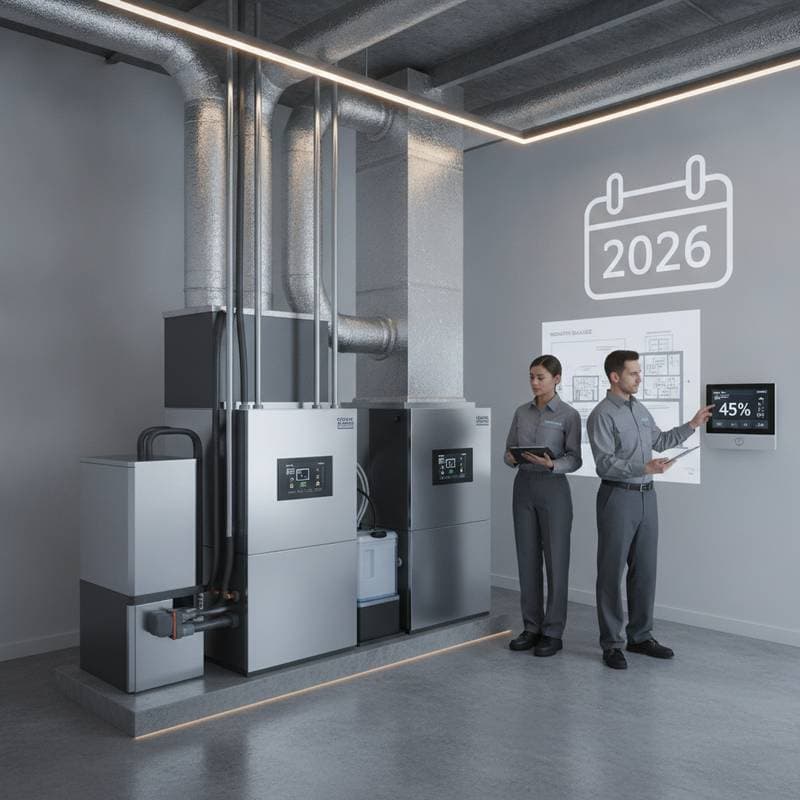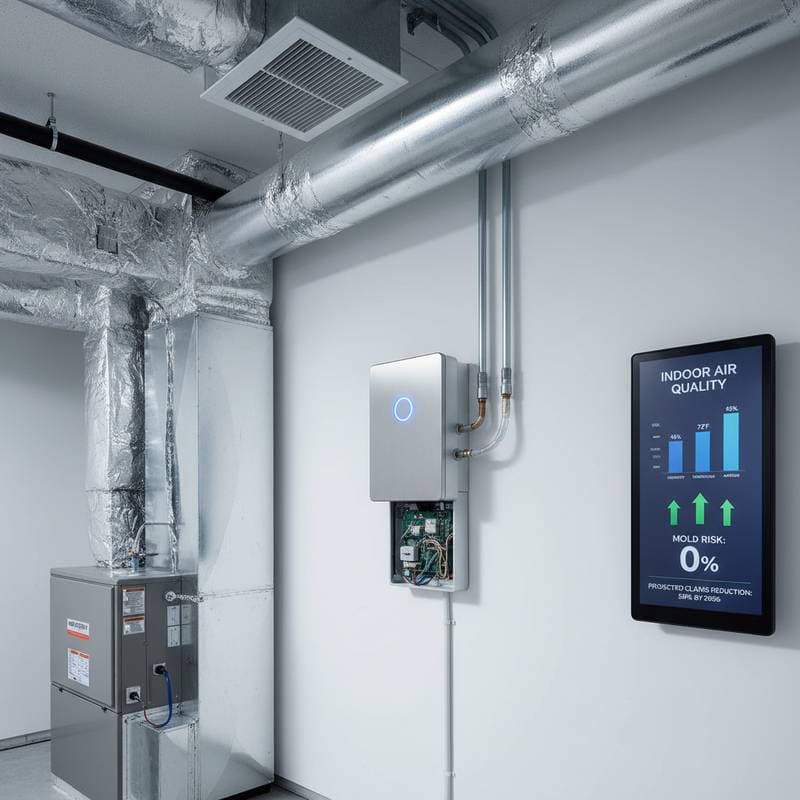
Smart HVAC Sensors Projected to Reduce Mold-Related Insurance Claims by 58% by 2026
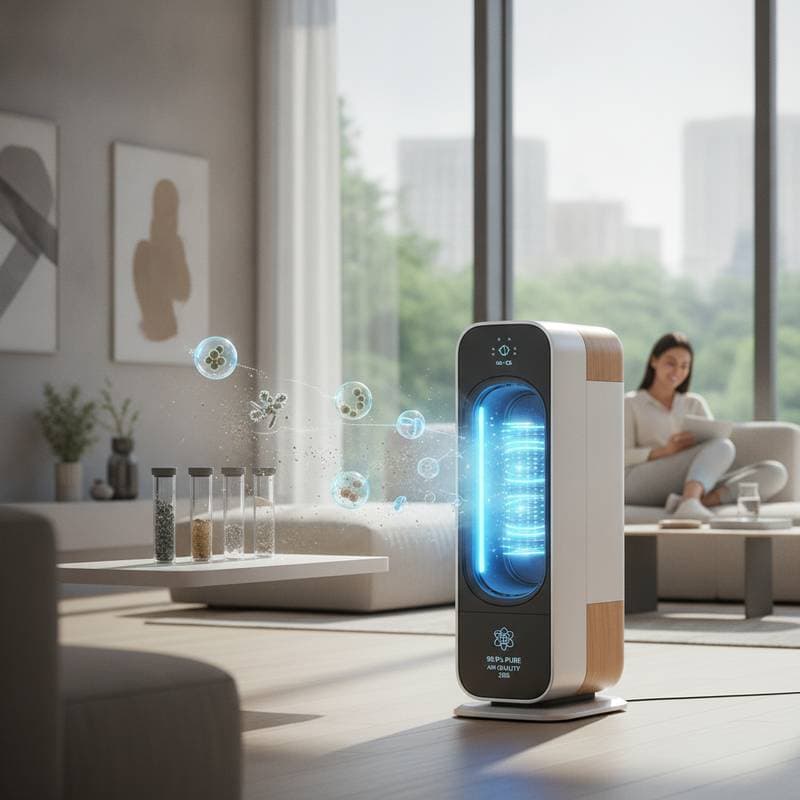
Mold proliferation represents a significant challenge for homeowners, causing structural deterioration, compromising indoor air quality, and resulting in substantial insurance claims. Advanced HVAC sensors address this issue proactively by preventing mold development through precise environmental monitoring. These devices track humidity, temperature, and airflow to maintain optimal indoor conditions. The following sections detail the mechanisms, benefits, and implementation strategies for these sensors.
Understanding HVAC Moisture Sensors
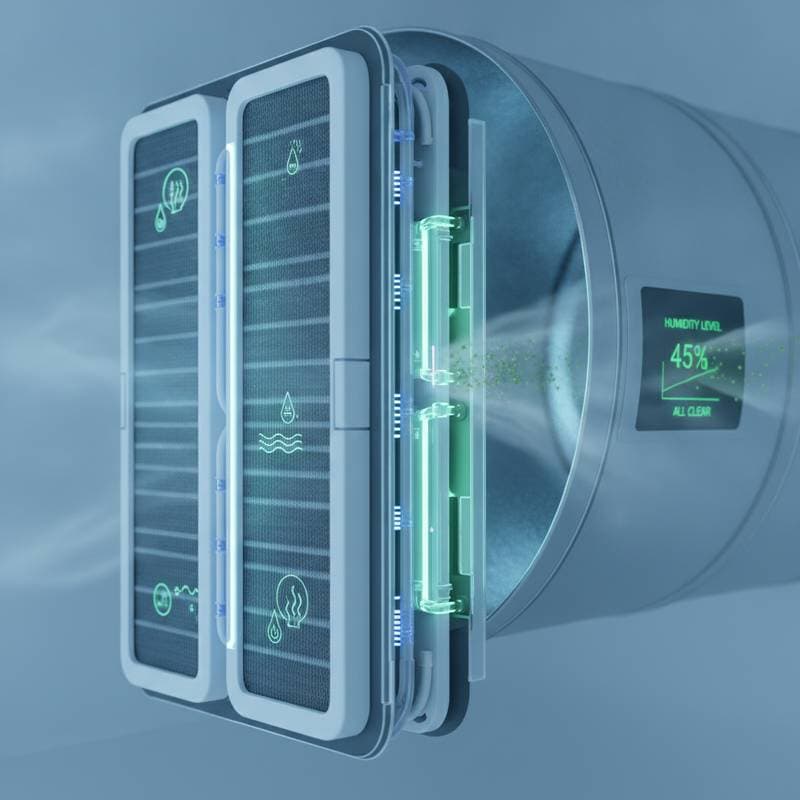
HVAC moisture sensors consist of compact electronic devices designed to gauge humidity and temperature within heating, ventilation, and air conditioning systems. When incorporated into HVAC units or ductwork, they provide ongoing surveillance of indoor air parameters. Should humidity levels exceed safe thresholds, the sensors issue notifications or initiate adjustments, such as increasing fan speeds or activating dehumidification protocols, to reestablish equilibrium.
These sensors function as an early detection mechanism for potential mold hazards. They identify moisture accumulation in concealed locations, including ducts, return vents, and drip pans, thereby averting the damp environments essential for mold proliferation. Contemporary models integrate with smart home ecosystems, enabling remote monitoring via mobile applications or thermostat interfaces for real-time data access.
Factors Contributing to Mold Development
Mold spores exist ubiquitously in airborne environments, yet they require sustained moisture to flourish. Excess humidity often arises from several sources, such as inadequate ventilation in high-moisture areas like bathrooms and kitchens, leaks in ductwork leading to condensation, failures in air conditioning drain lines, or infiltration of humid external air into the residence.
Prolonged humidity exceeding approximately 60 percent fosters mold growth on surfaces including walls, ceilings, and HVAC internals. Remediation efforts, once infestation occurs, prove both financially burdensome and labor-intensive. Sensors intervene at the onset by pinpointing elevated moisture conditions, allowing for timely corrective measures.
Mechanisms of Mold Prevention Through HVAC Sensors
Humidity control sensors employ multiple strategies to ensure a dry and secure indoor setting. Key operational aspects include:
- Ongoing Surveillance: Sensors evaluate humidity and temperature fluctuations continuously, irrespective of whether the HVAC system operates.
- Automated Regulation: Data from sensors informs smart thermostats to modulate dehumidifiers, fans, or air conditioning units without manual intervention.
- Prompt Notifications: Detection of sudden moisture increases in ducts or coils prompts alerts to homeowners or service professionals, enabling preemptive action.
- Optimized Energy Use: Efficient humidity management minimizes excessive system operation, thereby conserving energy and prolonging the lifespan of HVAC components.
Collectively, these capabilities sustain an equilibrated indoor atmosphere. Such balance not only enhances comfort but also promotes overall home health and HVAC performance.
Indicators Suggesting the Need for Moisture Sensors
Homeowners encountering persistent humidity challenges should consider sensor installation as a prudent measure. Relevant symptoms encompass:
- Persistent musty smells emanating from vents or basement areas
- Observable mold patches or discoloration on ceilings and walls
- Moisture condensation forming on windows or duct surfaces
- Recurrent allergic reactions or breathing difficulties within the home
- A pervasive sense of dampness in the atmosphere, even with active air conditioning
Recognition of these signs warrants consultation with a qualified HVAC specialist. The professional can evaluate the existing setup and propose appropriate sensor solutions tailored to specific needs.
Approaches to Sensor Installation
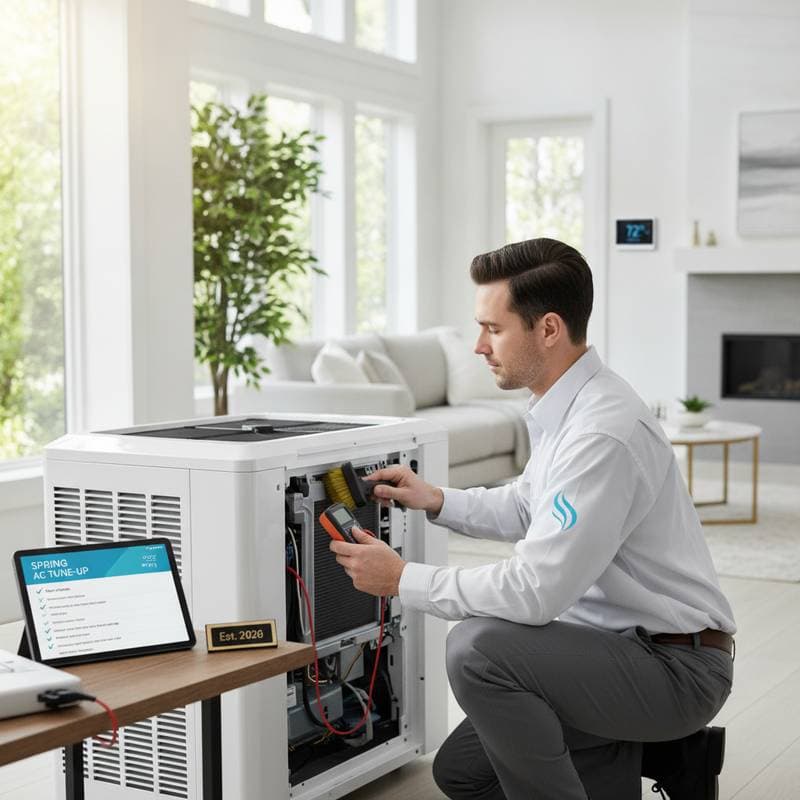
Certain entry-level humidity sensors permit homeowner installation, particularly those compatible with existing smart thermostats via simple plug-in connections. Nevertheless, placements involving ductwork or evaporator coils demand expertise due to complexities with electrical systems, refrigerant handling, and airflow optimization.
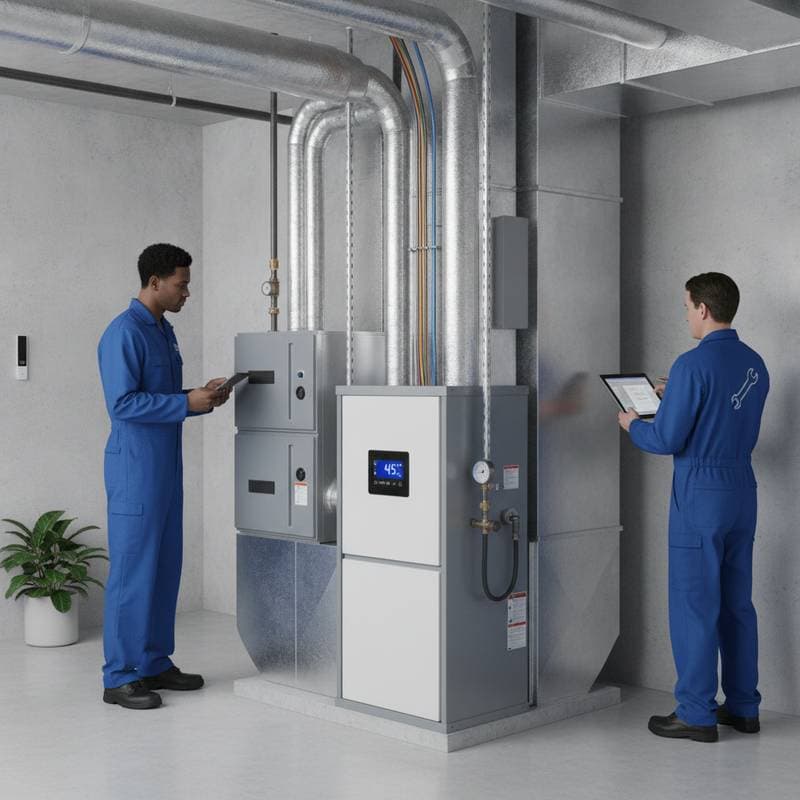
Engaging a certified technician guarantees proper integration, including linkages to automation platforms that fine-tune dehumidifiers, vents, or fans. This professional approach maximizes sensor efficacy while minimizing risks to the HVAC infrastructure. Homeowners benefit from enhanced control and assurance of system integrity post-installation.
Frequently Asked Questions
How do HVAC moisture sensors operate?
These sensors quantify humidity and temperature within the HVAC framework and occupied spaces. Upon detecting elevated levels, they dispatch alerts or activate corrective mechanisms to diminish moisture accumulation.
Can sensors eliminate mold risks entirely?
Although no technology offers absolute prevention, sensors substantially lower the probability of mold by regulating humidity to safe parameters and providing advance warnings prior to conducive conditions forming.
What factors influence the cost of moisture sensors?
Costs depend on manufacturer, system intricacy, and installation demands. Entry-level options remain economical, whereas comprehensive smart integrations, though initially higher, yield savings via damage avoidance over time.
Is a dedicated dehumidifier necessary alongside sensors?
Sensors effectively oversee and regulate moisture through integrated HVAC functions. In regions with exceptionally high ambient humidity, however, supplementing with a standalone dehumidifier may prove advantageous for comprehensive control.
How frequently should moisture sensors undergo maintenance?
Professional inspections occur annually to verify calibration and functionality. Homeowners can perform basic checks monthly, such as reviewing app data for anomalies, in accordance with manufacturer guidelines.
Steps to Secure Your Home Against Moisture Intrusion
Advanced HVAC sensors revolutionize indoor air quality management for homeowners. Through vigilant humidity oversight and detection of concealed moisture sources, they forestall mold initiation effectively. Individuals observing potential moisture indicators or mold evidence should promptly engage a reputable HVAC expert to explore sensor integration options and fortify property protection.