Why High-Efficiency MERV 13 Filters Clog Faster in Spring
High-efficiency MERV 13 filters capture fine particles to improve indoor air quality. Homeowners often observe that these filters clog more rapidly during spring. This accelerated clogging results from seasonal factors such as pollen surges and fluctuating humidity levels.
This guide examines the reasons behind faster filter clogging in spring. It explores environmental and mechanical influences. Practical maintenance strategies help extend filter life and protect HVAC systems.
Factors Accelerating MERV 13 Filter Clogging in Spring
Spring conditions create an environment that challenges high-efficiency filters. Pollen, dust, humidity, and greater system operation combine to shorten filter lifespan. Even premium filters reach capacity sooner under these pressures.
Pollen and Organic Particle Surge
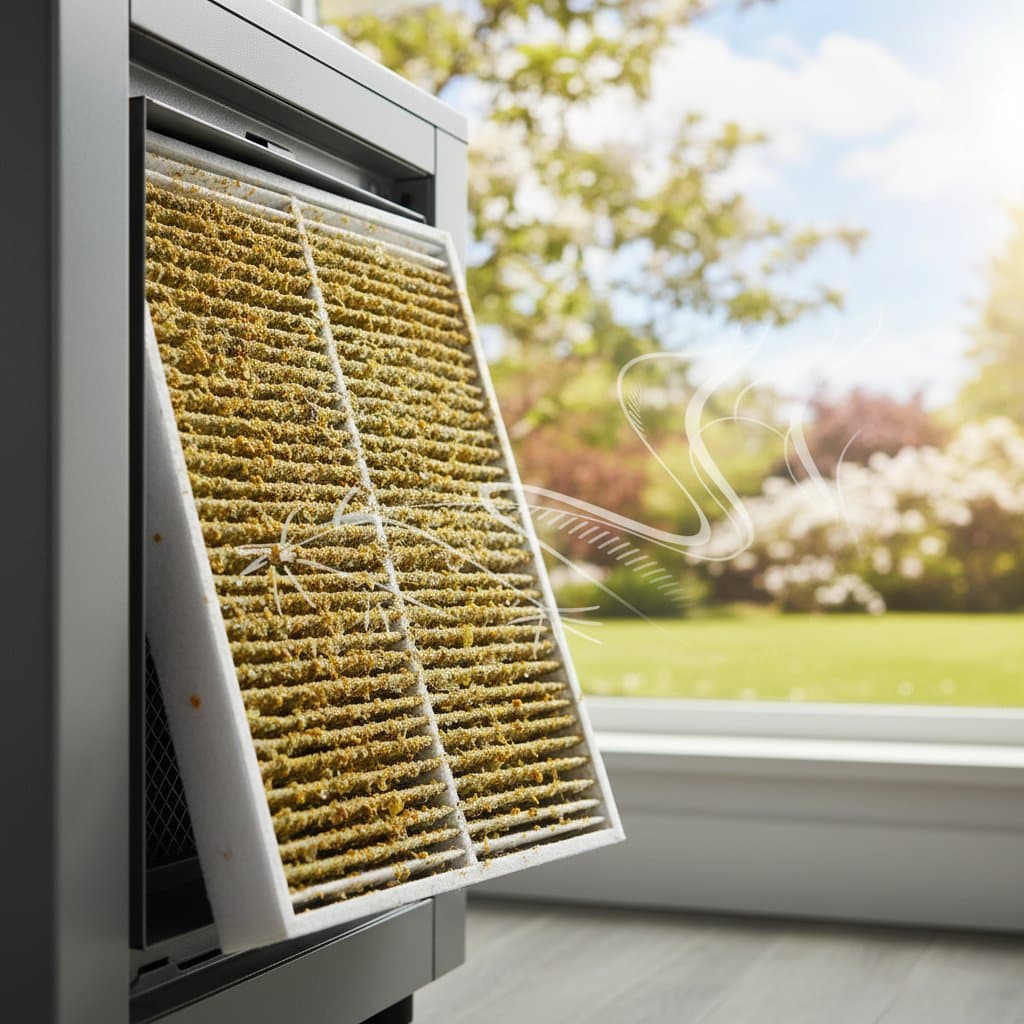
Trees, grasses, and flowers release vast amounts of pollen in spring. MERV 13 filters trap particles as small as 1 to 3 microns, including pollen grains. This efficiency leads to rapid accumulation on filter surfaces.
Organic matter such as pet dander and mold spores adds to the load. These particles form compact layers that impede airflow. A filter lasting 90 days in cooler months may require replacement after 30 days in spring.
Greater HVAC System Runtime
Spring weather brings temperature swings that increase HVAC usage. Systems cycle between heating and cooling more often. Each cycle draws additional air through the filter, capturing more contaminants.
Frequent operation doubles the particle intake rate. Homeowners notice filters filling twice as quickly during this transitional season. Monitoring system runtime helps predict replacement needs.
Humidity Effects on Filter Performance
Rising humidity in spring promotes moisture adhesion to filter media. Pollen and dust become sticky when wet, clinging more firmly to fibers. This buildup not only blocks airflow but also fosters mold growth.
Cellulose filters may swell or deform in high moisture. Such changes reduce filtration efficiency. Controlling indoor humidity mitigates these issues and preserves filter integrity.
Influx of Outdoor Contaminants
Spring activities like gardening or construction stir up soil, sawdust, and chemicals. These enter homes through open windows and doors. MERV 13 filters capture this diverse debris, accelerating saturation.
Fumes from paints or fertilizers add volatile particles. Combined with natural pollen, they overwhelm filter capacity. Minimizing outdoor air entry during peak activity periods eases the burden.
Inadequate Filtration Staging
Many systems use a single MERV 13 filter without preliminary capture. Larger particles like lint overload the fine media prematurely. This setup shortens overall filter life.
Installing a MERV 8 pre-filter removes coarse debris first. The main filter then focuses on finer particles. This layered approach can extend MERV 13 filter duration by 50 percent or more.
Impacts of Clogged MERV 13 Filters
A clogged filter affects the entire HVAC system. Airflow restrictions lead to inefficiency and potential damage. Addressing clogs promptly prevents escalation.
Diminished Air Circulation
Blocked filters reduce air volume through ducts. Rooms experience uneven temperatures. The system may cycle on and off excessively, known as short cycling.
Blower motors strain against resistance. This effort consumes more energy and generates heat. Proper airflow maintains balanced comfort throughout the home.
Elevated Energy Expenses
Restricted flow raises electricity use by 15 to 25 percent. Fans operate at higher speeds to compensate. Utility bills reflect this inefficiency during peak spring usage.
Timely filter changes restore optimal performance. Energy savings justify the cost of replacements. Long-term monitoring yields measurable reductions in consumption.
Wear on System Components
Prolonged strain damages blower motors, coils, and compressors. Repairs for these parts cost hundreds of dollars. Preventive maintenance avoids such expenses.
Dust accumulation from bypasses fouls internal surfaces. Coils lose efficiency, compounding issues. Regular inspections identify early signs of wear.
Compromised Air Quality
Saturated filters allow particles to escape into living spaces. Allergens recirculate, worsening symptoms. Clean filters ensure consistent particle removal.
Paradoxically, neglected high-efficiency filters degrade air purity. Immediate replacement restores protective function. Indoor environments remain healthier with vigilant care.
Indicators of MERV 13 Filter Failure
Early detection prevents major problems. Watch for these common signs during spring.
- Weak air output from supply vents
- Temperature inconsistencies across rooms
- Noises like whistling or straining from the unit
- Extended operation cycles
- Increased dust settling on furniture and floors
- Heightened allergy or respiratory issues
Inspect the filter if multiple signs appear. Visual checks reveal discoloration or debris buildup.
Strategies to Prolong MERV 13 Filter Life
Proactive measures counteract spring challenges. Implement these steps for sustained performance.
Frequent Replacement Schedule
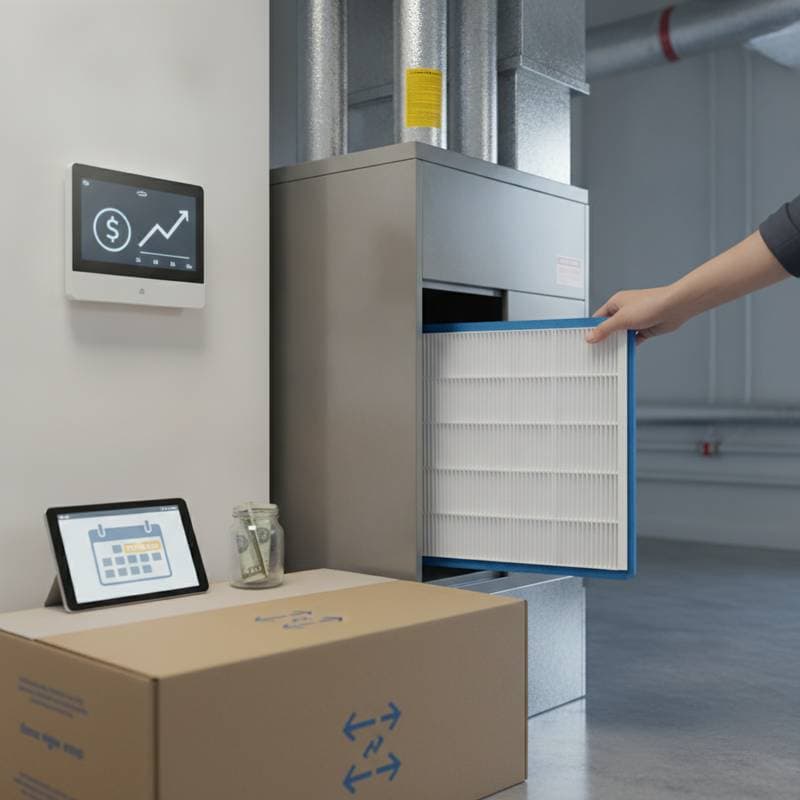
Standard intervals for MERV 13 filters range from 60 to 90 days. In spring, shorten to 30 to 45 days. Track installation dates with a calendar reminder.
Homes with high occupancy or pets need weekly checks. Visual inspection guides precise timing. Consistent replacement maintains airflow and efficiency.
Implement Two-Stage Filtration
Position a MERV 8 or 9 pre-filter upstream. It captures bulk particles, sparing the MERV 13 media. This configuration halves replacement frequency.
Professionals install staging kits easily. Benefits include lower costs and better air quality. Test airflow after setup to confirm improvements.
Control Pollen Infiltration
Close windows during high-pollen forecasts. Rely on HVAC circulation for fresh air. Supplemental air purifiers handle residual particles.
Wipe pets after outdoor time to remove dander. Vacuum floors regularly with HEPA models. These habits reduce filter workload significantly.
Perform Duct and Vent Maintenance
Clean return vents quarterly to remove settled dust. Schedule professional duct cleaning annually. Clear pathways ensure unobstructed air pull.
Inspect for blockages like furniture near returns. Straightened flow extends filter life. Maintenance logs track cleaning intervals.
Regulate Indoor Humidity Levels
Aim for 40 to 50 percent relative humidity. Use dehumidifiers in damp areas. HVAC humidistats automate control.
Dry conditions prevent sticky buildup. Monitor with hygrometers for accuracy. Balanced moisture supports filter durability.
Conduct Seasonal System Checks
Hire technicians for spring tune-ups. They assess filter compatibility and airflow. Adjustments optimize performance for seasonal demands.
Inspections reveal leaks or imbalances. Addressed issues prevent filter overload. Annual service plans provide ongoing support.
Debunking MERV 13 Filter Misconceptions
Higher Ratings Guarantee Superior Results
Elevated MERV levels trap smaller particles effectively. However, mismatched ratings restrict airflow in standard systems. Consult specifications before upgrading.
Modifications like larger cabinets accommodate higher ratings. Balanced choices enhance air quality without strain.
Visible Dirt Dictates Replacement
Microscopic contaminants accumulate unseen. Airflow drops before discoloration appears. Pressure gauges detect restrictions early.
Rely on performance metrics over appearance. Scheduled changes outperform reactive approaches.
Exclusive Use in Medical Settings
Residential systems support MERV 13 with proper setup. Allergy sufferers benefit most from fine filtration. Frequent maintenance enables everyday application.
Advancements in filter design suit home use. Integration improves health without complexity.
Frequently Asked Questions on MERV 13 Filters
What Replacement Frequency Applies to MERV 13 Filters?
Replace every 60 to 90 days in stable conditions. Spring demands 30 to 45 days due to pollen. Adjust for pets or smoking with biweekly inspections.
Does MERV 13 Risk HVAC Damage?
Compatible systems handle MERV 13 without issue when maintained. Clogs cause strain through pressure buildup. Verify manufacturer guidelines prior to installation.
How to Identify Clogging?
Observe reduced vent flow, prolonged runs, and dust rise. Check filter for resistance when removed. Prompt action averts complications.
Justifies the Higher Cost of MERV 13?
Allergy reduction and superior purification warrant the investment. Energy savings from efficiency offset expenses. Health benefits provide long-term value.
Possible to Clean MERV 13 Filters?
Disposable design prevents effective cleaning. Vacuuming damages pleats and reduces capture. Replacement ensures full performance.
Professional Assistance for Optimal Filtration
Experts provide tailored advice for filter management. They evaluate system needs and local conditions.
Key Inquiries for Technicians
- Which MERV rating suits my equipment?
- What change interval fits regional air quality?
- Does my system require upgrades for MERV 13?
- Benefits a pre-filter addition?
- Methods to measure airflow pressure?
- Availability of efficiency incentives?
- Humidity influence on filters?
- Recommended maintenance for warmer months?
- Duct inspection for contaminants?
- Indicators of motor overload?
Technician input refines home strategies. Partnerships ensure reliable operation.
Safeguarding Air Quality and System Longevity
MERV 13 filters elevate indoor environments through superior particle capture. Spring demands vigilant care to counter natural challenges. Consistent practices yield cleaner air and reduced repair needs.
Homeowners gain control with informed maintenance. Systems operate smoothly year-round. Invested effort delivers lasting comfort and efficiency.