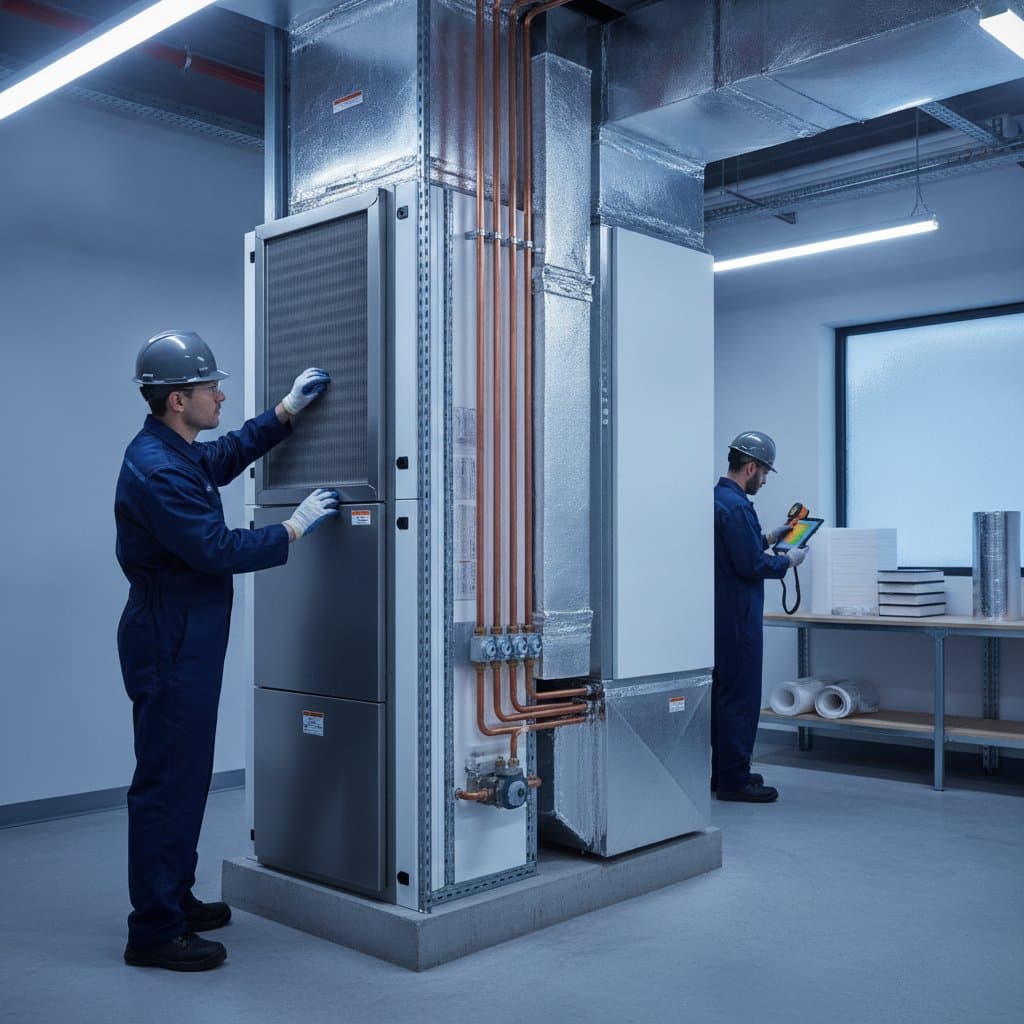
Prevent HVAC Freeze Damage This Winter
When temperatures drop, an HVAC system becomes one of the most vulnerable parts of a home. Frozen coils, cracked heat exchangers, and burst condensate lines can lead to thousands of dollars in damage. The good news is that these problems are almost always preventable.
What Happens When an HVAC System Freezes
When water or refrigerant inside a system drops below freezing, ice begins to form. This ice restricts airflow, damages internal components, and causes the system to stop heating or cooling properly. Once the ice melts, it can leak into electrical parts or insulation and create further damage.
Freezing can occur in both heating and cooling equipment. Air conditioners, heat pumps, and furnaces each have parts that are sensitive to cold weather. The key is to recognize risk areas early and take preventive action before the first freeze.
Common Signs of HVAC Freeze Damage
Homeowners often notice small warning signs long before a freeze leads to full system failure. Watch for these issues:
- Frost or ice buildup on outdoor condenser coils
- Reduced airflow from vents
- Unusual humming or grinding noises
- Water pooling near the furnace or air handler
- Sudden spikes in energy bills
- The system cycling on and off frequently
If any of these symptoms appear, turn off the system and call a professional right away. Continuing to run a frozen unit can cause the compressor or heat exchanger to crack.
Why HVAC Freeze Damage Can Cost Up to $3,500
Repairing freeze damage involves more than replacing one part. When ice expands inside a system, it exerts pressure on multiple components at once. One frozen line can quickly affect other areas such as copper refrigerant lines, coils and compressors, furnace heat exchangers, and condensate pumps and drain lines.
Depending on the type of unit and extent of the damage, repairs can range from a few hundred dollars for minor line replacements to several thousand for a new compressor or furnace.
Key Factors That Increase Freeze Risk
Some homes are naturally more prone to freeze damage due to design, insulation, or maintenance habits. The following factors increase system risk:
- Poor insulation around pipes and lines
- Blocked airflow from dirty filters or closed vents
- Low refrigerant levels that lower pressure and freeze coils
- Outdoor exposure in shaded or windy areas
- Clogged drain lines with standing water
- Lack of maintenance that allows small issues to grow
How to Prevent HVAC Freeze Damage Before Winter
Prevention is the most effective way to protect an HVAC system. A few simple steps can reduce the chance of freeze damage substantially.
Schedule a Professional Inspection
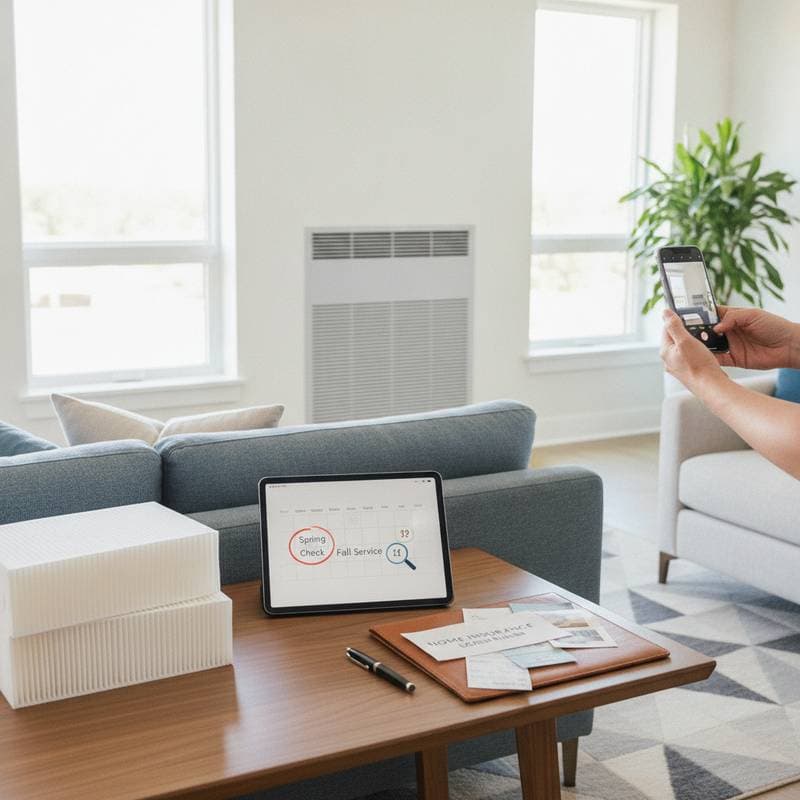
A licensed technician can spot potential freeze risks that homeowners often miss. During a pre-winter maintenance check, the technician inspects refrigerant levels and pressure, cleans and lubricates moving parts, tests safety controls and thermostats, checks for leaks and corrosion, and insulates exposed lines.
Replace or Clean Air Filters
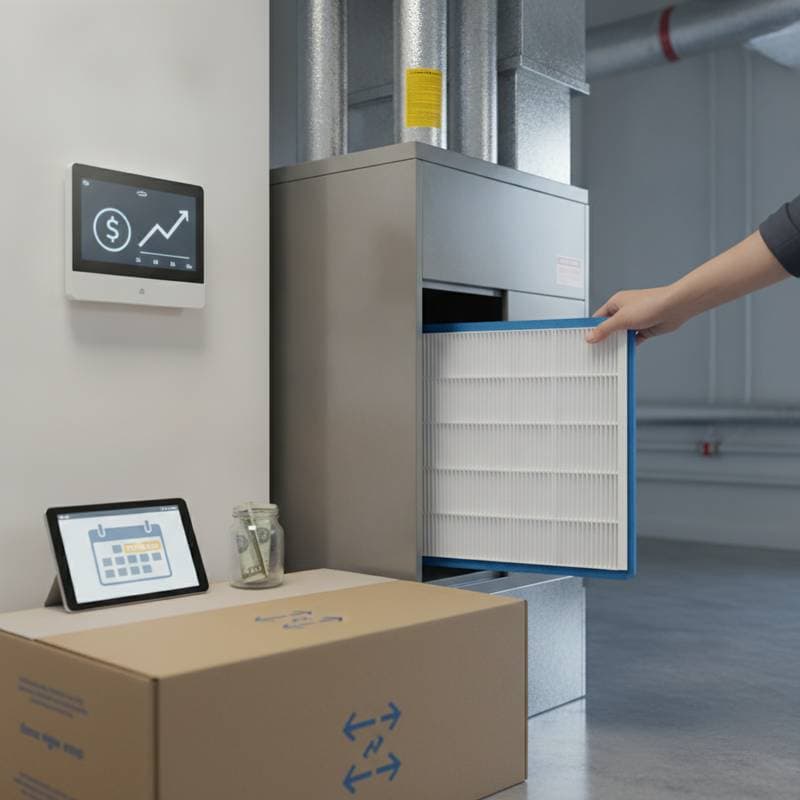
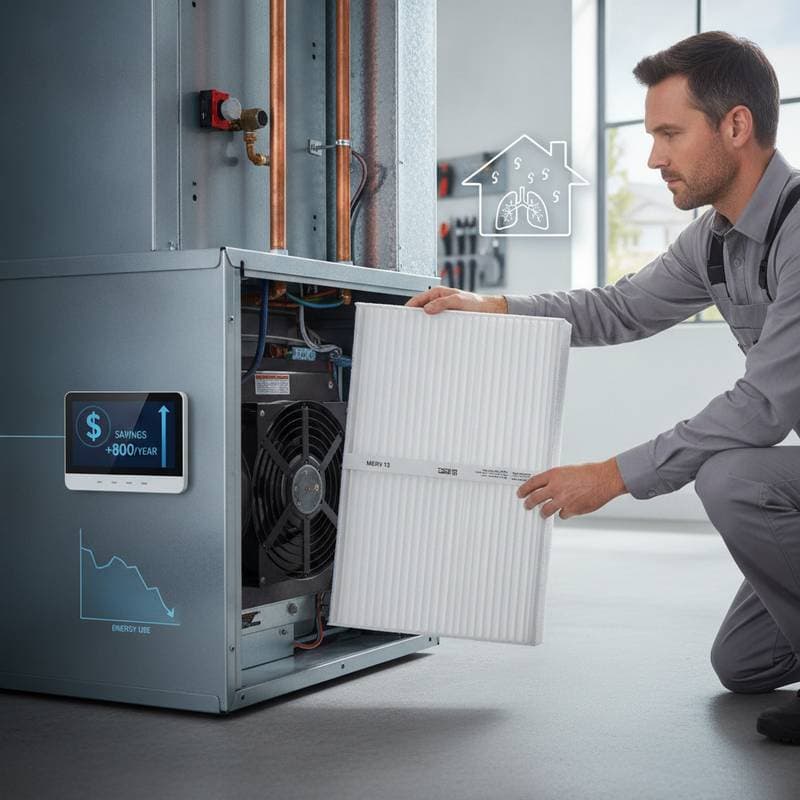
A dirty filter restricts airflow and causes evaporator coils to get too cold. Replace the filter every one to three months or clean it if it is reusable.
Insulate Exposed Lines and Ductwork
Any pipe or duct that runs through an unheated area should be insulated. Foam insulation sleeves or fiberglass wraps are inexpensive and easy to install. Pay special attention to sections that pass through attics, crawl spaces, or exterior walls.
Keep Outdoor Units Clear
Remove leaves, debris, and snow from around the heat pump or AC condenser. A clear space of at least two feet around the unit allows proper airflow.
Protect Condensate Drains
Make sure the line is sloped correctly and not obstructed. Wrap it in heat tape for extra protection during extended cold periods.
Seal Air Leaks in the Home
Use caulk or weatherstripping around windows, doors, and utility penetrations to prevent drafts that can chill pipes and indoor components.
Test the Defrost Cycle on Heat Pumps
A technician can verify that the built-in defrost mode is working correctly during a tune-up.
DIY Winter Prep Versus Hiring a Professional
A few simple steps can be handled without help, but certain tasks require a professional. Knowing the difference keeps the system safe and protects the warranty.
Tasks that can be done safely include replacing or cleaning filters, clearing debris from outdoor units, visually checking for frost or leaks, insulating exposed pipes, and sealing small air leaks.
Tasks that require a professional include checking refrigerant levels, repairing electrical wiring, inspecting the heat exchanger, cleaning internal coils, and adjusting the defrost control board.
The Winterization Process
When a technician winterizes an HVAC system, the process includes system inspection, refrigerant checks, coil cleaning, drain line cleaning, thermostat calibration, insulation of exposed lines, and testing of safety switches and defrost cycles. This process prevents freeze damage while improving energy efficiency.
Frequently Asked Questions
How can I tell if my HVAC system is about to freeze? Weak airflow, ice on coils, or water leaking near the indoor unit are early indicators. Turn the system off immediately and call a technician.
Should I cover my outdoor unit during winter? A light, breathable cover protects against debris but should not be airtight. Moisture trapped under a solid cover can cause corrosion.
What temperature causes HVAC lines to freeze? Pipes and coils can start to freeze when temperatures drop below freezing, especially with low refrigerant or poor airflow.
Can I use antifreeze in my HVAC system? Never add antifreeze unless the system is specifically designed for it. Standard refrigerant systems cannot handle those chemicals.
Is HVAC freeze damage covered by homeowners insurance? Some policies cover sudden water or freeze damage, but preventative maintenance is usually not included. Check with the provider for details.
Preparing for Reliable Winter Performance
A pre-winter inspection combined with routine maintenance steps protects both the HVAC system and the household budget. Schedule service promptly if any warning signs appear.