MERV 13 Filters Add 8 Years to HVAC System Lifespan
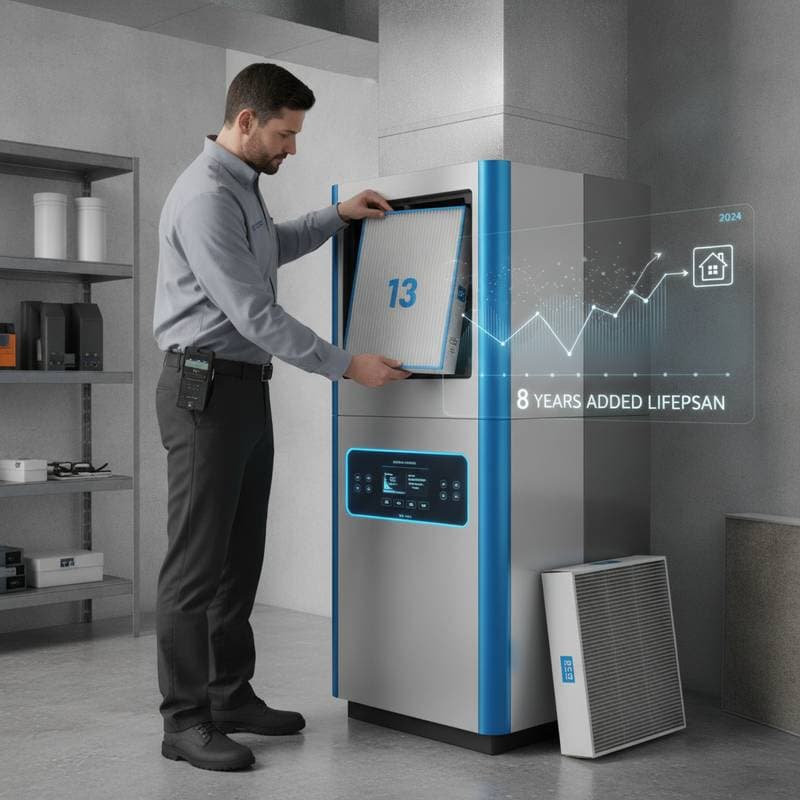
Upgrading to a MERV 13 air filter offers a straightforward way to protect an HVAC system and extend its operational life. A properly maintained filter of this type can add as much as eight years to equipment longevity by capturing fine particles and maintaining steady performance. The following sections explain how these filters function, the mechanisms behind their protective effects, and the steps required for correct use.
What Is a MERV 13 Filter?
MERV stands for Minimum Efficiency Reporting Value, a scale that rates the ability of an air filter to trap airborne particles. Higher ratings indicate finer filtration. A MERV 13 filter qualifies as a high-efficiency choice for most residential systems because it removes particles down to one micron in size.
These filters collect dust, pollen, pet dander, mold spores, smoke particles, bacteria, and certain viruses. By preventing these contaminants from entering the equipment, the filter improves indoor air quality while shielding internal components from accumulation and friction.
How MERV 13 Filters Extend HVAC Lifespan
HVAC equipment experiences ongoing stress from airflow resistance, dust buildup, and temperature changes. A MERV 13 filter reduces several of these stresses through targeted actions.
Keeps Internal Components Clean
Particles that pass a lower-rated filter settle on coils, blowers, and motors. Over time the deposits increase the workload on the system. A MERV 13 filter captures smaller particles before they reach these surfaces, preserving efficient operation.
Reduces Mechanical Strain
A clean system moves air with less resistance. Reduced friction on moving parts lowers the frequency of repairs and supports longer service life.
Improves Airflow Consistency
Filters that clog rapidly create uneven heating or cooling. When replaced on schedule, MERV 13 filters sustain consistent airflow and help prevent overheating or short cycling.
Prevents Moisture and Mold Issues
Dust combined with moisture inside ducts or coils encourages mold growth. Because MERV 13 filters remove more organic material, they limit the nutrients available for mold and reduce related corrosion and odor problems.
Key Factors Affecting Filter Performance
Several conditions determine how effectively a MERV 13 filter performs and how much it contributes to system longevity.
-
System Compatibility
Confirm that the HVAC equipment can accommodate the higher airflow resistance of a MERV 13 filter. Manufacturer specifications or a technician assessment provide the necessary guidance. -
Filter Size and Fit
A loose filter allows unfiltered air to bypass the media. Measure the filter slot precisely and select the exact size specified for the unit. -
Replacement Frequency
Most households achieve best results by changing the filter every two to three months. Residences with pets, smokers, or high dust levels require more frequent replacement. -
System Maintenance
Professional tune-ups complement filter performance. A technician can clean coils, verify airflow, and confirm that the system operates at designed efficiency.
MERV 13 Filters Compared with Standard Filters
Standard filters rated MERV 6 to 8 capture larger particles such as dust and lint. They offer limited equipment protection and minimal improvement in air quality. MERV 13 filters remove smaller particles that affect both health and mechanical performance, delivering stronger defense against dirt accumulation and airflow restriction.
Replacing the Filter
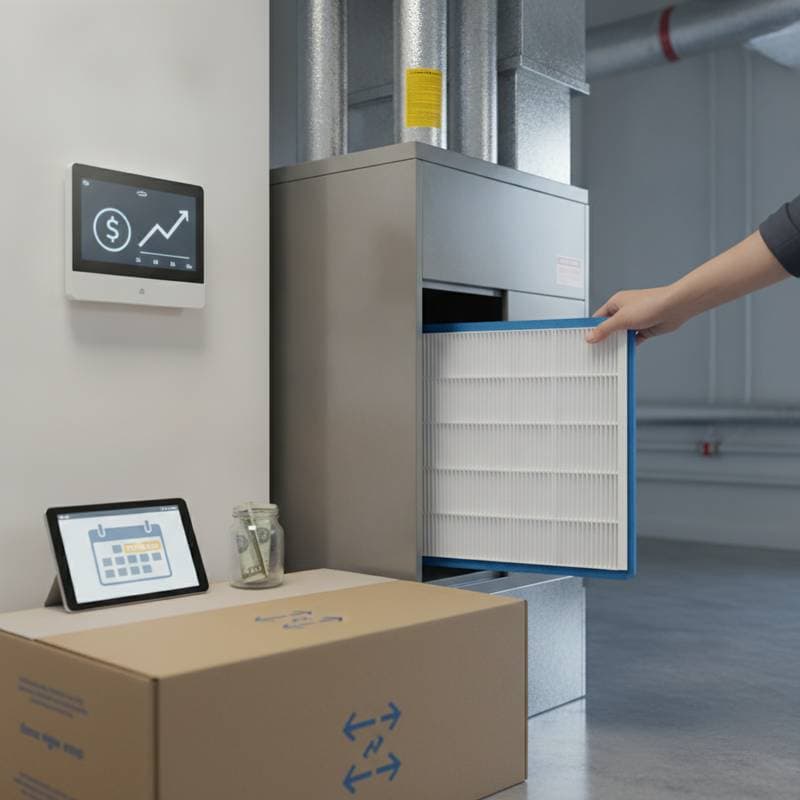
Homeowners can complete the task by shutting off the system, removing the old filter, and inserting the new one with the airflow arrows oriented correctly. The filter must seat firmly, and the replacement date should be recorded.
When the system shows signs of strain after installation or when the appropriate MERV rating remains uncertain, a technician should evaluate airflow and adjust settings as needed.
Frequently Asked Questions
Can a MERV 13 filter be used in every HVAC system?
Some older units cannot tolerate the increased resistance. A technician can measure airflow and identify the highest safe rating for the equipment.
How often should a MERV 13 filter be replaced?
Replacement every two to three months suits most homes. More frequent changes may be necessary in dusty conditions or households with pets.
Do these filters reduce allergy symptoms?
They capture common indoor allergens including pollen, mold spores, and pet dander, which can lessen symptoms for sensitive occupants.
Do MERV 13 filters raise energy costs?
Any added resistance remains modest. When the filter is changed on schedule in a compatible system, overall energy use often declines because the equipment stays cleaner.
Are MERV 13 filters reusable?
These filters are designed for single use. Reusing a soiled filter lowers efficiency and risks damage to the system.
Maximizing Long-Term HVAC Performance
Consistent filter selection, timely replacement, and periodic professional service together produce measurable gains in equipment reliability and indoor comfort. Homeowners who follow these practices protect their investment while maintaining efficient operation year after year.