Savings Alert: HVAC Plans Beat Per-Visit Costs by 40%
If you have ever faced a surprise breakdown in your heating or cooling system, you know how stressful and expensive those service calls can be. HVAC preventive maintenance plans can reduce those unexpected costs by as much as 40 percent compared to paying per visit. These plans support comfort, budget control, and peace of mind.
What Is an HVAC Maintenance Plan?
An HVAC maintenance plan is a service agreement between you and a heating and cooling company that ensures regular upkeep of your system throughout the year. Instead of waiting for something to break, you schedule inspections and tune-ups ahead of time. These visits help keep your equipment clean, efficient, and less likely to fail when you need it most.
Most plans include:
- Seasonal inspections for both heating and cooling systems
- Cleaning and checking filters, coils, and electrical connections
- Testing thermostat accuracy
- Verifying proper airflow and refrigerant levels
- Priority scheduling for service calls
- Discounts on parts and labor for repairs
A maintenance plan spreads the cost of care across the year. It delivers consistent service and fewer surprises.
Why Maintenance Plans Save Money
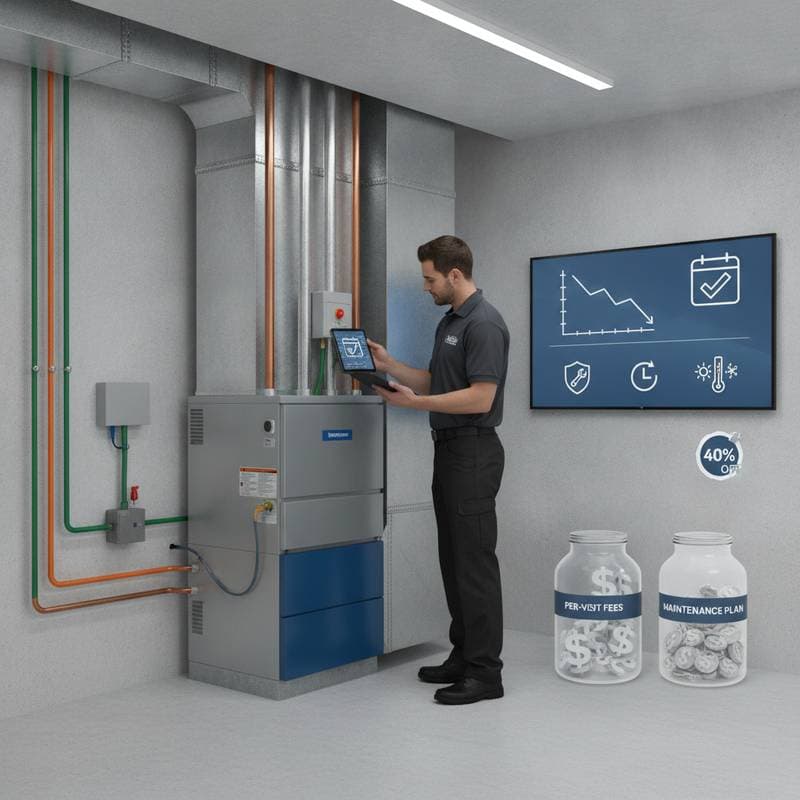
When you pay for service only when something breaks, you face unpredictable bills. A maintenance plan changes that. Homeowners who invest in one often save up to 40 percent compared to per-visit costs.
Fewer Emergency Repairs
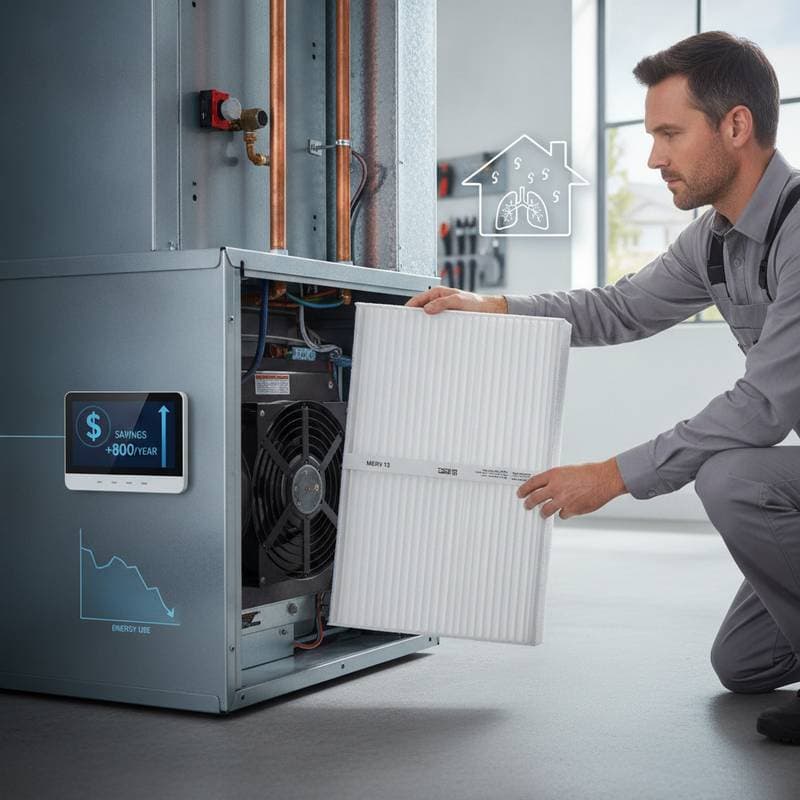
Regular maintenance prevents small issues from turning into major breakdowns. A technician might spot a worn belt or a dirty coil before it leads to system failure. Fixing a small problem early costs far less than replacing a compressor or blower motor later.
Lower Energy Bills
A clean, well-tuned HVAC system uses less energy. Dirty filters and clogged coils make your system work harder to heat or cool your home. When everything runs efficiently, monthly utility bills stay lower.
Longer Equipment Lifespan
Routine service helps your system last longer. Replacing a major component or an entire unit is expensive. A maintenance plan keeps your system healthy and delays those big replacement costs.
Discounts and Priority Service
Many HVAC companies reward plan members with discounted rates on repairs and parts. You also receive priority scheduling. This means faster service when everyone else is calling during a heatwave or cold snap.
Predictable Budgeting
Instead of paying hundreds of dollars at random times, you can plan for one affordable payment or a small monthly fee. Knowing what you will spend helps you manage household expenses more easily.
Key Factors Affecting Plan Costs
The cost of an HVAC maintenance plan varies by company, system type, and home size. Here are the main factors that influence pricing:
- System Type: Central air conditioners, heat pumps, and furnaces all have different maintenance needs. Dual systems often cost slightly more to cover both heating and cooling.
- System Age: Older systems may require more frequent inspections or parts replacements.
- Coverage Level: Some plans include only basic maintenance, while others cover parts, labor, and emergency visits.
- Number of Units: Homes with multiple HVAC units will pay more for coverage but may also receive bundled discounts.
- Location: Regional labor rates and climate conditions can influence costs, especially in areas with long heating or cooling seasons.
Most homeowners find that a maintenance plan costs less over time than paying individually for seasonal tune-ups and emergency visits.
Common Signs You Need Preventive HVAC Service
Even if your system seems to be working fine, there are signs that it might need attention. Regular maintenance can catch these issues early.
- Uneven temperatures in different rooms
- Strange noises such as rattling or humming
- Weak airflow from vents
- Higher energy bills without obvious cause
- Frequent cycling on and off
- Musty or burning smells near vents
If you notice any of these problems, your system is likely overdue for maintenance. A plan ensures you never wait too long between checkups.
DIY Maintenance vs. Hiring a Pro
You can handle a few simple tasks to keep your HVAC system running smoothly, but most maintenance should be left to a professional. Here is how to divide the work safely.
What You Can Do
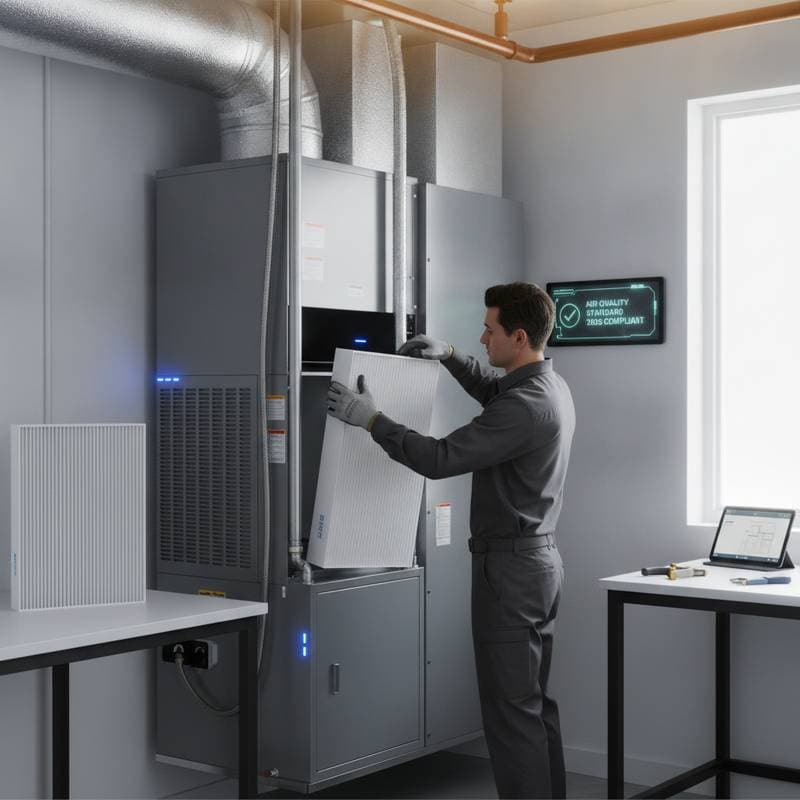
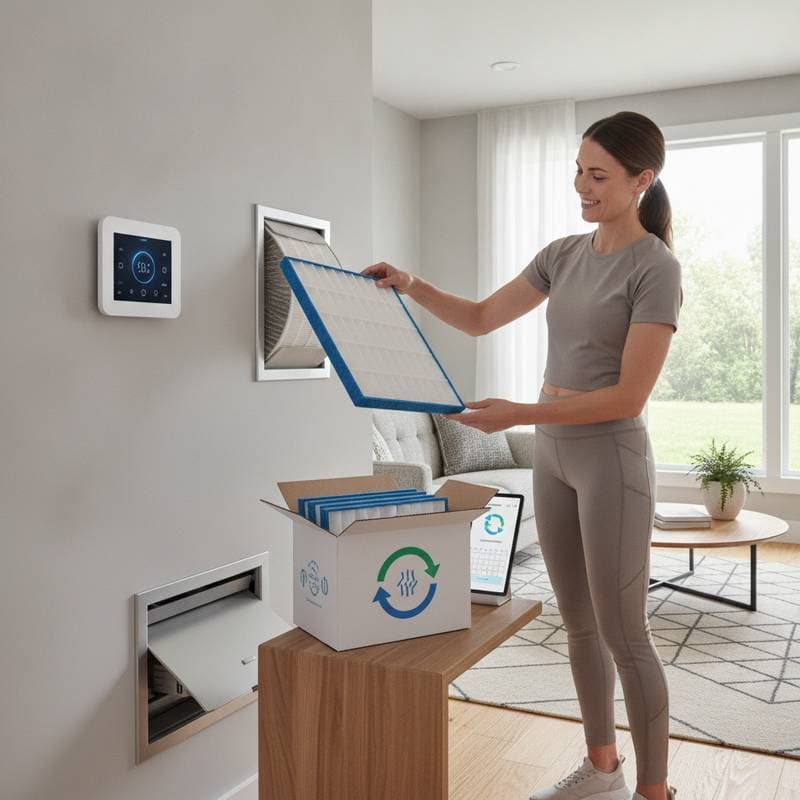
- Replace or clean air filters every one to three months
- Keep vents and registers clear of furniture and dust
- Trim plants or debris away from the outdoor unit
- Check your thermostat settings seasonally
These small steps support system efficiency and air quality.
What a Professional Should Handle
- Electrical testing and calibration
- Refrigerant checks and adjustments
- Deep coil cleaning
- Inspecting and tightening internal components
- Measuring airflow and temperature differences
Handling refrigerant or electrical parts without proper training can be dangerous. A certified technician has the tools and expertise to perform these tasks safely and correctly. When you have a maintenance plan, these professional services are already included.
The Maintenance Plan Process
When you sign up for an HVAC maintenance plan, here is what typically happens throughout the year.
- Initial Evaluation: The technician inspects your system to record its current condition and identify any immediate issues.
- Scheduled Tune-Ups: You receive two visits each year, one before the cooling season and one before the heating season.
- Service Reminders: The company contacts you to schedule appointments, so you never forget.
- Priority Support: If something goes wrong, your plan gives you faster service and discounted repair rates.
- Performance Tracking: Technicians keep detailed records of your system health, helping you plan for future upgrades when needed.
This process ensures your equipment receives consistent care.
Frequently Asked Questions
How much can an HVAC maintenance plan really save me?
On average, homeowners save around 40 percent compared to paying for individual service calls and emergency repairs. The exact savings depend on system age, usage, and local service rates.
Are maintenance plans worth it for newer systems?
Yes. Even new equipment benefits from professional tune-ups. Regular maintenance keeps your warranty valid and prevents small issues from shortening your system lifespan.
What happens if my system breaks down while I am on a plan?
Plan members usually receive priority scheduling and discounted repair rates. Some plans even include free labor or parts coverage, depending on your agreement.
Can I cancel an HVAC maintenance plan at any time?
Most companies allow cancellation, but some may require notice or charge a small administrative fee. Always review your contract before signing to understand the terms.
How do I choose the right HVAC plan?
Look for a plan that includes both heating and cooling maintenance, clear pricing, and emergency service discounts. Ask the company to explain what is and is not covered so there are no surprises later.
Protect Your Home Investment
A preventive maintenance plan protects home comfort, reduces energy use, and avoids costly emergencies. By keeping your system clean and tuned, you extend its life and keep indoor air healthy.
When comparing options, focus on reliability and service quality rather than the cheapest price. A reputable HVAC company will track system performance, remind you of upcoming visits, and provide honest recommendations when repair or replacement becomes necessary.
If you have been paying per visit for years, switching to a maintenance plan can make a noticeable difference in both cost and convenience. You will spend less on emergency repairs, experience fewer breakdowns, and enjoy consistent comfort in every season.
Maintaining your HVAC system is one of the smartest investments you can make for your home. When you let professionals handle the technical details, you gain peace of mind knowing your equipment is efficient, safe, and ready to perform whenever you need it.