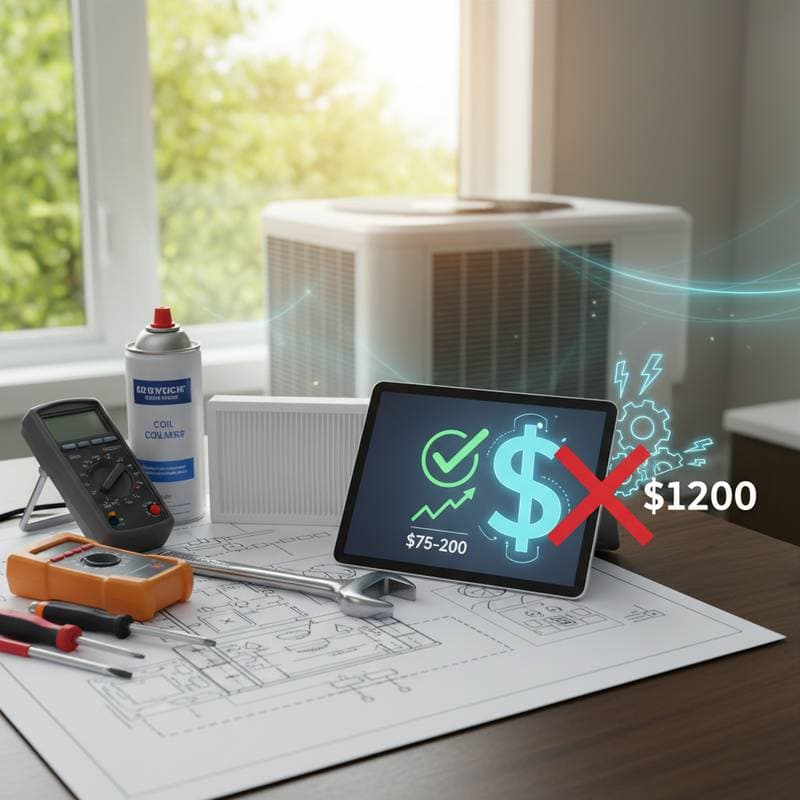
Spring Tune-Up Checklist Saves $1,200 in Summer Repairs
A professional HVAC spring tune-up costs far less than emergency summer repairs. Homeowners save up to $1,200 on average by scheduling preventive maintenance before the cooling season begins. This service improves system efficiency, prevents breakdowns, and maintains lower energy bills during peak heat.
| Item | Average Cost or Savings |
|---|---|
| Typical Spring Tune-Up Cost | $75 - $200 |
| Average Summer Repair Cost Without Tune-Up | $300 - $1,500 |
| Potential Savings from Preventive Maintenance | Up to $1,200 |
| Recommended Frequency | Once per year, ideally in spring |
Average Spring Tune-Up Costs
HVAC tune-ups range from $75 to $200 based on system size, local labor rates, and maintenance complexity. This investment supports peak operating efficiency for air conditioners. Many contractors provide annual maintenance plans that cover spring and fall visits at a reduced rate.
Technicians may identify minor issues during service. Capacitor replacement or coil cleaning adds $100 to $300. Refrigerant leaks or motor replacements cost more if discovered late. Early detection lowers the chance of high summer repair bills during peak demand.
Key Factors That Affect Spring Tune-Up Price
Several variables determine final service costs. Awareness of these elements supports accurate budgeting.
System Size and Type
Larger homes or dual-unit setups require additional inspection time. Central air conditioners and heat pumps need more detailed attention than window units. Labor time increases with system scale.
Energy Efficiency Rating
High-efficiency models with advanced SEER2 ratings contain extra sensors and variable-speed components. Technicians calibrate these parts for proper function. Maintenance remains essential despite energy savings.
Accessibility and Installation Complexity
Units in attics, rooftops, or confined spaces extend service duration. Outdoor condensers with clear access reduce labor time. Installation location directly influences pricing.
Local Labor Rates
Regional cost of living and seasonal demand affect hourly charges. Early spring bookings often secure lower rates before peak periods.
Types of HVAC Systems That Benefit from a Spring Tune-Up
Preventive care improves reliability across system types.
- Central Air Conditioner: Cools entire homes evenly when filters and ducts receive regular attention.
- Heat Pump: Operates year-round and requires service twice annually.
- Ductless Mini-Split: Delivers zoned cooling with quiet performance when coils stay clean.
- Window or Portable Units: Offer lower upkeep but cover smaller areas less efficiently.
Signs You Need a Spring HVAC Tune-Up
Certain symptoms indicate maintenance needs before failure occurs.
- Warm air from vents
- Weak or uneven airflow
- Rattling or grinding sounds
- Rising energy bills without increased usage
- Musty odors from vents
- Short cycling or extended run times
- Inaccurate thermostat response
Technicians address these issues during inspection to restore performance.
The HVAC Tune-Up Process
A complete service follows these steps.
- Inspection of indoor and outdoor units, wiring, and connections.
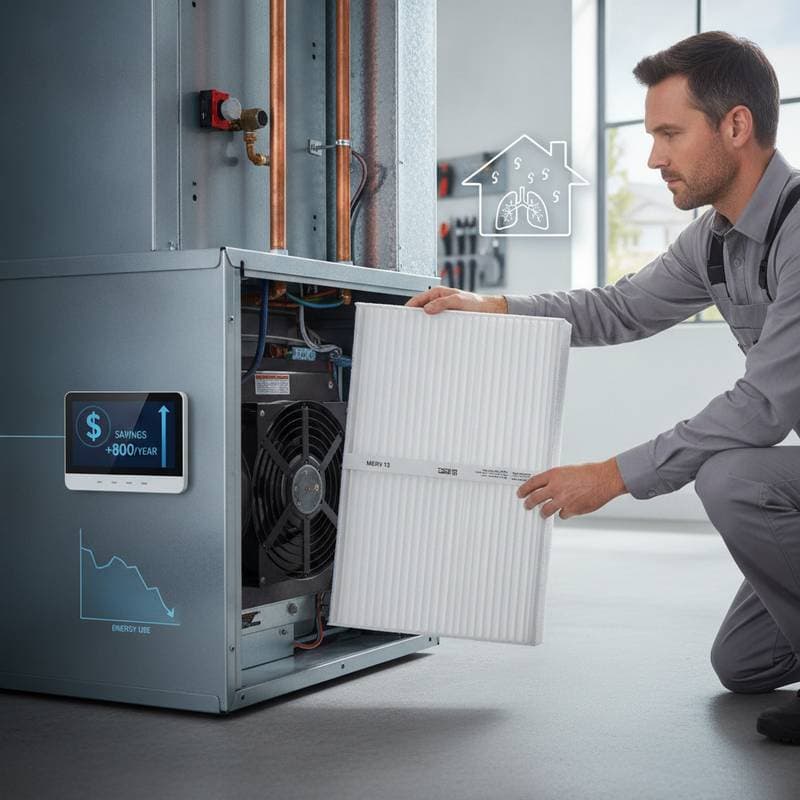
- Cleaning of coils, filters, and drains to restore airflow.
- Lubrication of motors and bearings to reduce wear.
- Verification of refrigerant levels and leak checks.
- Electrical testing of capacitors and contactors.
- Thermostat calibration for accurate control.
- Final performance measurement after adjustments.
HVAC Labor Costs for Tune-Ups and Repairs
Standard labor rates fall between $75 and $125 per hour. Preventive visits typically require one hour. Emergency calls outside regular hours increase expenses. A spring tune-up reduces breakdown risk and protects component lifespan.
Frequently Asked Questions About Spring HVAC Tune-Ups
How often should I schedule a spring tune-up?
Schedule service once per year before cooling season. This practice preserves warranties and efficiency.
What happens if I skip my spring tune-up?
Systems lose efficiency and face higher failure risk. Dust and worn parts increase strain and shorten equipment life.
Can I perform a tune-up myself?
Filter changes and vent cleaning suit homeowners. Electrical and refrigerant work require licensed technicians.
How long does a professional tune-up take?
Service lasts one to two hours depending on system condition. Technicians explain results and any needed adjustments.
Does a tune-up include duct cleaning?
Standard visits focus on the unit. Duct cleaning remains a separate service performed every few years.
Will a tune-up lower my energy bills?
Proper maintenance improves efficiency and reduces consumption.
Schedule Maintenance to Protect Your System
Book a spring HVAC tune-up to maintain reliable cooling and avoid unexpected expenses. This step supports consistent performance and long-term savings.