How Can a DIY Spring HVAC Tune-Up Prevent Costly Breakdowns?
A DIY spring HVAC tune-up helps homeowners keep heating and cooling systems reliable and efficient for warmer months ahead. Professional tune-ups typically cost between 75 and 200 dollars depending on location and system type. Performing basic maintenance at home reduces expenses while avoiding major repairs later.
This guide covers essential spring HVAC maintenance steps that can be completed safely. It addresses cleaning, inspection, filter changes, and early issue detection. Following these steps improves air quality, reduces energy costs, and extends system life.
Step-by-Step DIY Spring HVAC Tune-Up
Complete these steps to prepare the HVAC system for summer. Always disconnect power to the unit before starting any work.
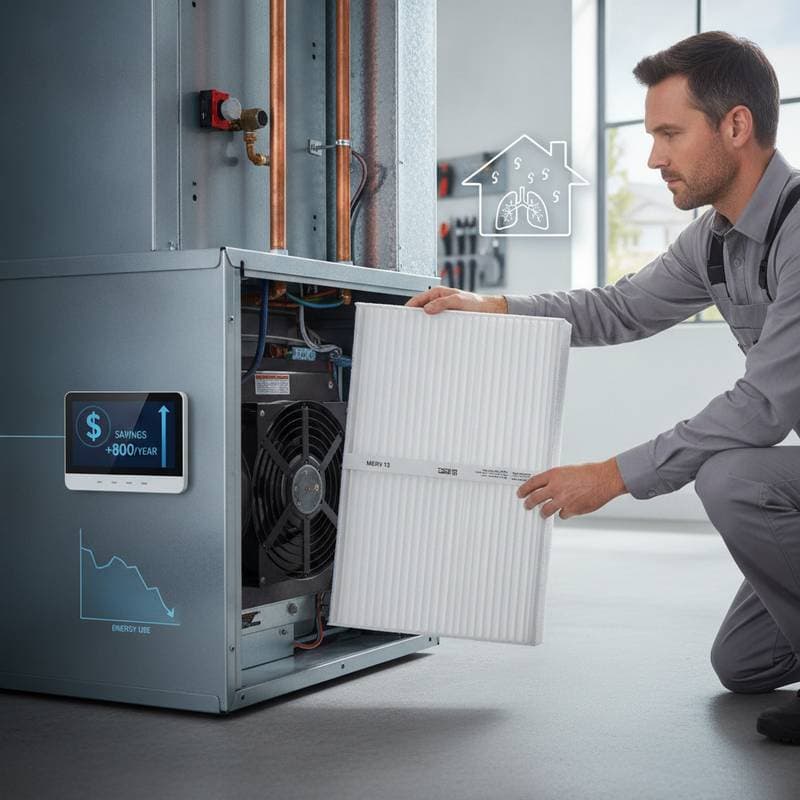
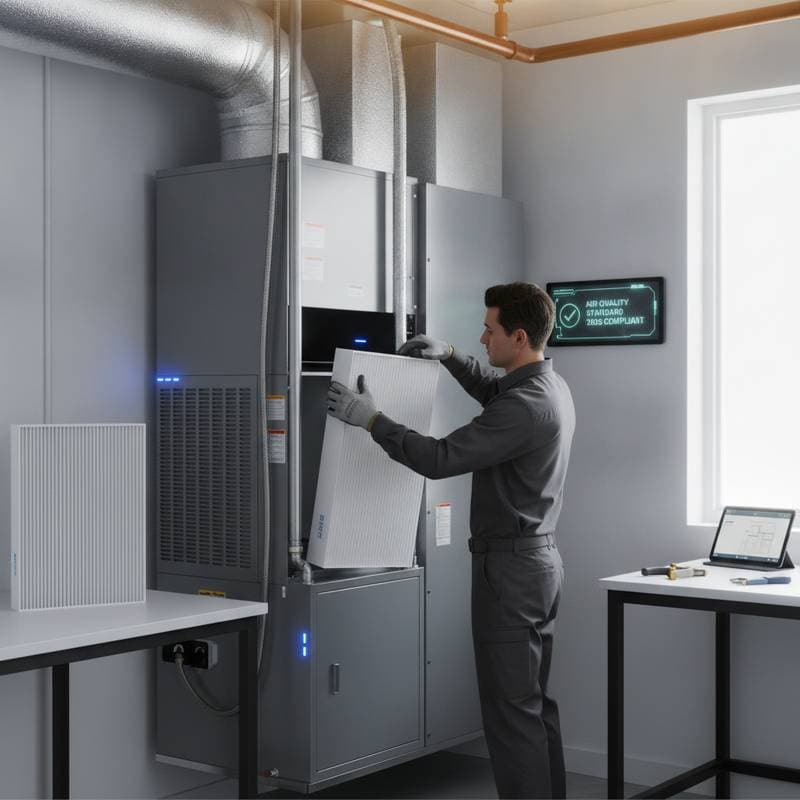
1. Replace or Clean the Air Filter
A dirty filter limits airflow and forces the system to work harder. This strain can lead to overheating or frozen coils.
- Replace disposable filters every one to three months.
- Clean reusable filters with mild soap and water, then dry them fully.
- Confirm the recommended MERV rating in the owner manual.
Clean filters support better airflow and indoor air quality.
2. Inspect the Thermostat
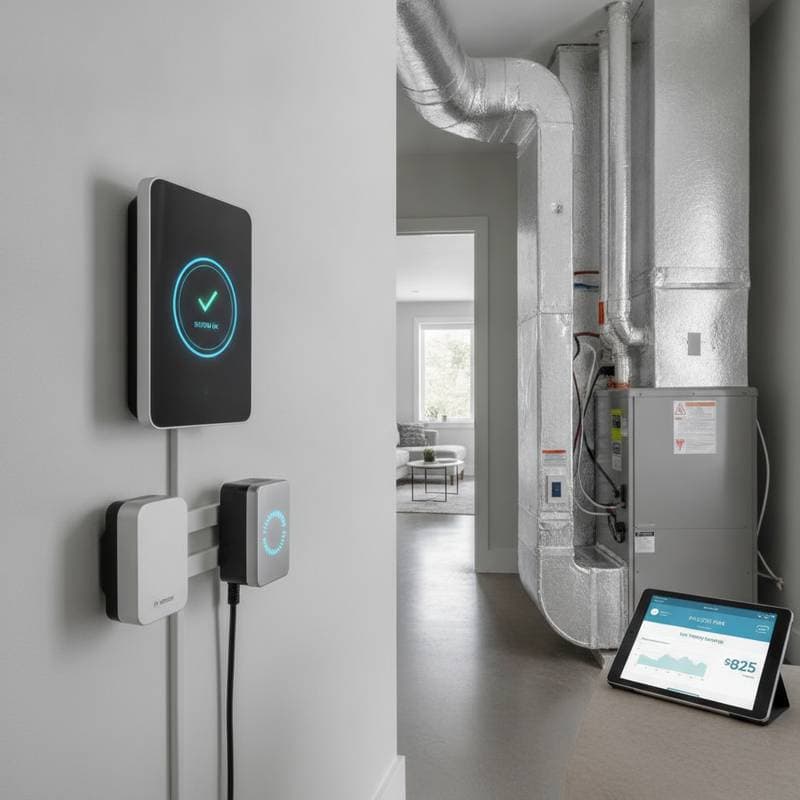
Verify that the thermostat operates correctly and displays accurate room temperature.
Test operation by adjusting the setting a few degrees to confirm proper cycling. Upgrade to a programmable model if energy savings are a priority. Replace batteries in battery-powered units as needed.
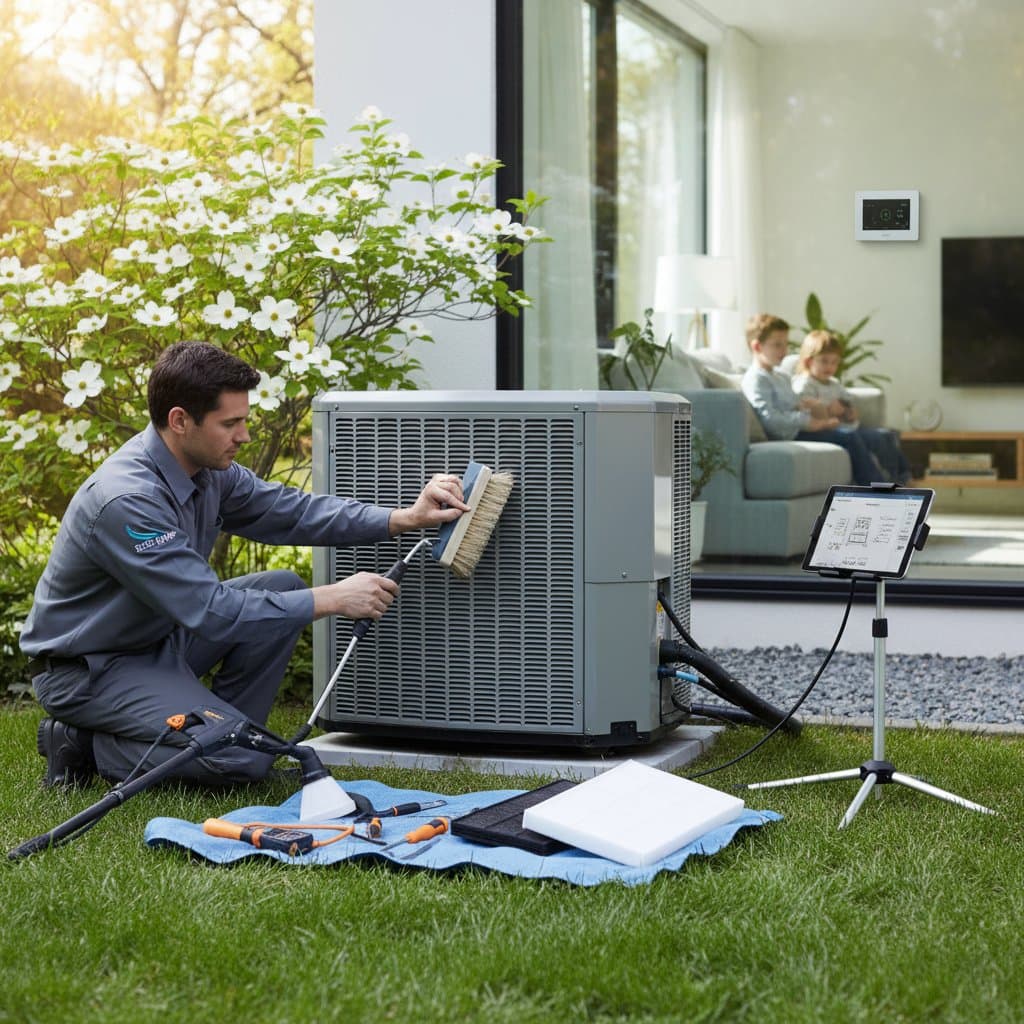
3. Clean the Outdoor Condenser Unit
The outdoor unit collects dirt, leaves, and debris that restrict airflow.
Disconnect power at the disconnect box. Clear debris to maintain at least two feet of space around the unit. Rinse coils gently with a garden hose from outside inward and straighten bent fins with a fin comb.
Avoid high-pressure water or chemicals that could damage components.
4. Check the Refrigerant Lines
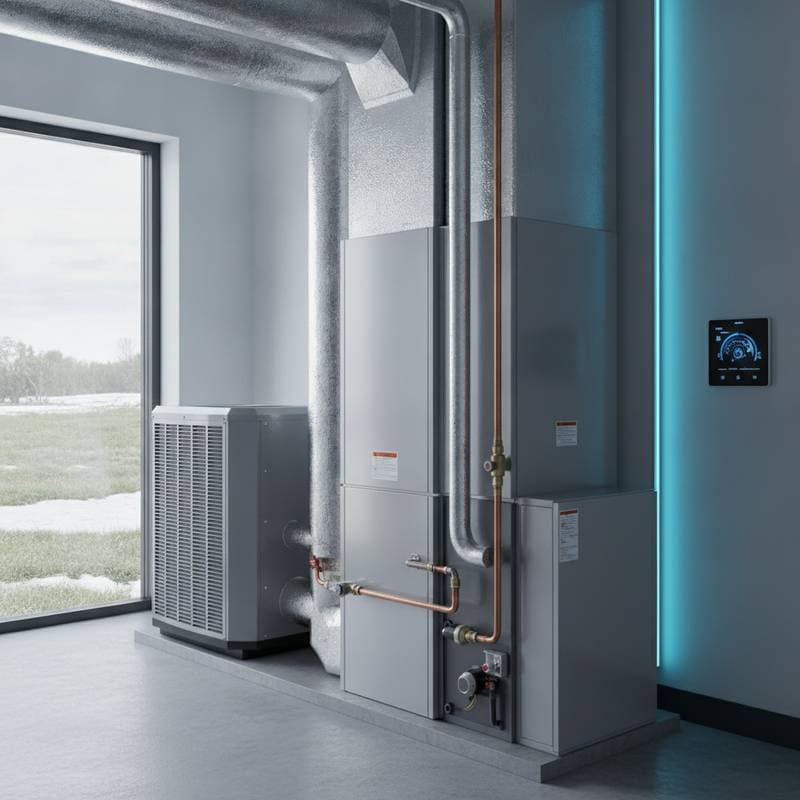
Examine lines connecting indoor and outdoor units for damage.
Look for cracks, leaks, or deteriorated insulation. Replace worn insulation with foam sleeves to preserve efficiency. Contact a technician if oily residue or hissing sounds appear.
5. Examine the Evaporator Coil
Dust and mold accumulate on the evaporator coil inside the air handler.
Open the access panel only when safe. Remove buildup with a soft brush or approved coil cleaner. Confirm the coil is dry before resealing the panel.
6. Clear the Condensate Drain Line
The drain removes moisture produced during cooling. Blockages can cause leaks or shutdowns.
Locate the line near the indoor unit. Flush with vinegar or warm water mixed with mild detergent. Use a wet and dry vacuum for stubborn clogs.
7. Inspect Ductwork for Leaks or Damage
Leaky ducts waste energy and create uneven temperatures.
Check ducts in attics, basements, or crawl spaces. Seal openings with mastic or foil tape and verify surrounding insulation remains intact.
8. Lubricate Moving Parts
Older systems may require lubrication on motors or bearings.
Apply a few drops of non-detergent oil to accessible points. Avoid excess oil that attracts dust. Note unusual noises that suggest worn components.
9. Tighten Electrical Connections
Loose wiring can interrupt power or cause overheating.
Inspect terminals for corrosion or fraying. Tighten accessible screws and call a licensed technician for any burnt or damaged wires.
10. Test System Performance
Restore power after maintenance and run the system for fifteen minutes.
Confirm steady airflow, consistent cooling, and quiet operation. Measure temperature differences between supply and return vents. Schedule professional service if performance issues persist.
Key Factors That Affect HVAC Maintenance Results
System age and type influence maintenance frequency. Older units and different configurations such as central air or heat pumps require tailored care.
Usage patterns matter in regions with extended cooling seasons or high humidity. Homes with pets or smokers benefit from more frequent filter changes.
Proper installation prevents uneven airflow and early wear. Outdoor conditions like nearby trees or salt air increase the need for regular coil cleaning.
Questions to Ask an HVAC Contractor
Confirm licensing and insurance before hiring. Ask what a standard tune-up includes and whether refrigerant levels are checked. Inquire about service duration, warranties, references, and any available rebates. Request a written report after the visit.