Why Incorrect Filter Changes Risk Voiding HVAC Warranties
Understanding the Link Between Filter Maintenance and Warranty Protection
Homeowners recognize that regular filter changes support airflow, efficiency, and air quality. Yet replacing filters too often or selecting incompatible types can void an HVAC warranty. Manufacturers set specific schedules to protect system balance. Deviations from those schedules may appear as improper care during a claim review.
This guide details the risks of over frequent replacement, explains manufacturer requirements, and provides steps to preserve coverage.
How Over Frequent Changes Create Warranty Issues
Excessive filter replacement disrupts the calibrated airflow resistance built into each system. Manufacturers design equipment around defined pressure limits. When those limits shift, components experience added strain.
Pressure Imbalance and Component Wear
A new filter increases resistance until it loads with dust. Installing replacements more often than specified keeps resistance higher than intended. The blower motor then runs under continuous extra load. Warranty inspectors may classify resulting motor or compressor damage as maintenance related rather than a defect.
Record Keeping Conflicts
Service records form the main evidence during warranty evaluation. Logs that show filter changes every two weeks instead of the recommended monthly or quarterly interval raise questions about adherence to guidelines. Claims can be denied even when the homeowner intended to help the system.
Mismatched Filter Specifications
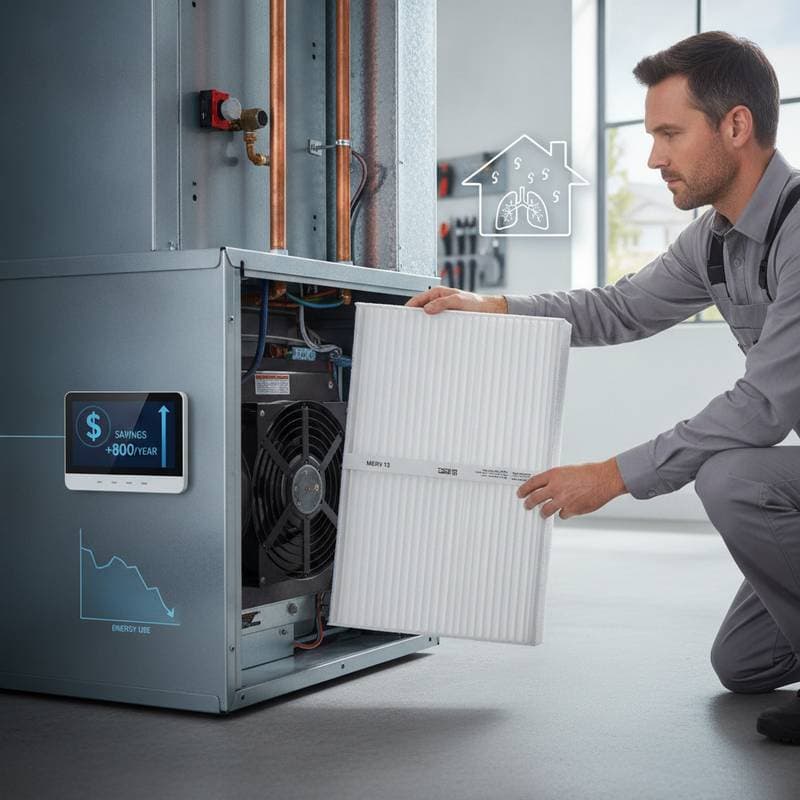
High MERV filters capture smaller particles yet reduce airflow. Repeated use of an unapproved rating causes the evaporator coil to run colder than designed. Ice formation or overheating follows. These outcomes fall under user induced conditions that void coverage.
Warranty Language on Maintenance
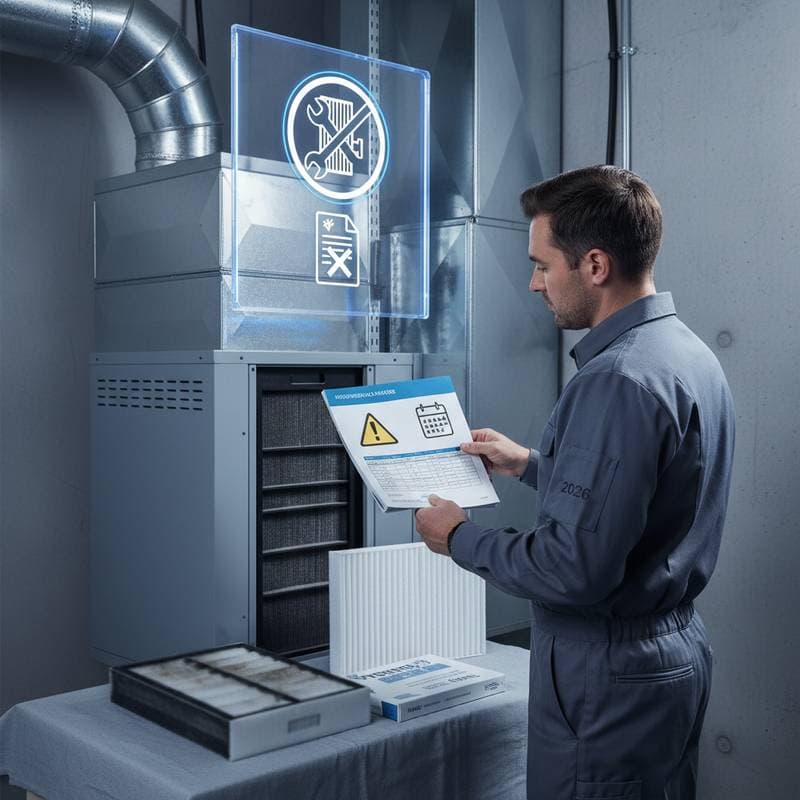
Most warranties list four core obligations. Homeowners must prove maintenance occurred at stated intervals. Only manufacturer approved filters qualify. Annual inspections require licensed technicians. All receipts and logs must remain available for review.
Manufacturers include these clauses to keep systems inside tested operating ranges. Both neglected filters and overly frequent changes create stress. Clear documentation protects both performance and coverage.
Indicators That Replacement Intervals Need Adjustment
Several observable signs suggest changes occur too often. The filter surface remains nearly clean after several weeks. Airflow feels restricted immediately after installation. Short cycling increases. Static pressure readings during service fall outside normal range.
Consult the owner manual or the installing contractor when these patterns appear. Adjusting the schedule restores efficiency and reduces warranty exposure.
Steps to Protect Coverage
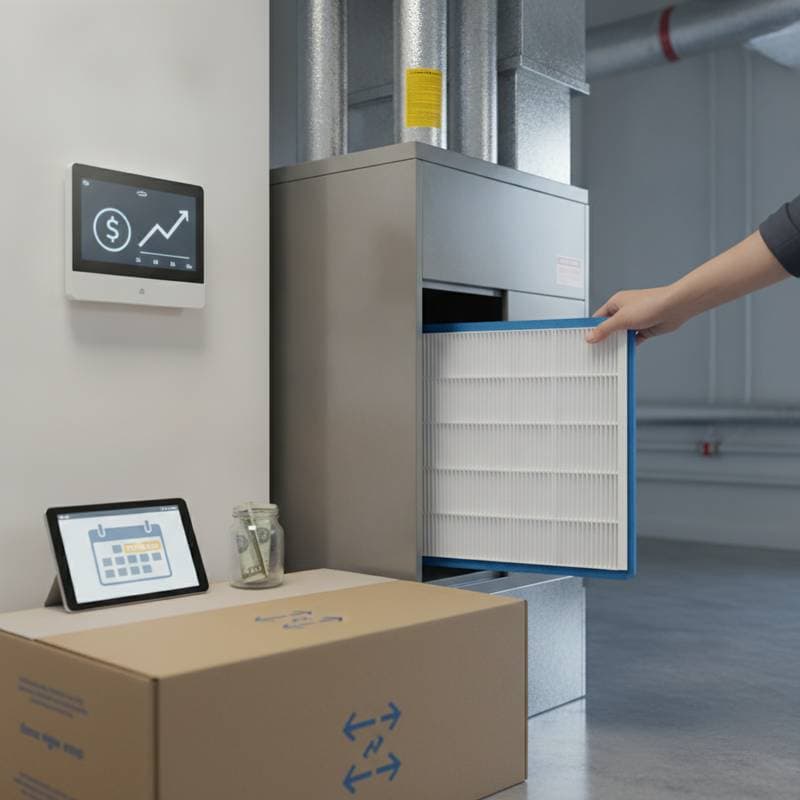
A written maintenance plan prevents gaps in documentation. Record each filter change with date, size, brand, and MERV rating. Keep every receipt. Store the original manual that lists approved products. Schedule professional tune ups on the required calendar.
These records demonstrate compliance and support consistent system operation.
Common Questions About Filter Maintenance and Warranties
How often should filters be replaced?
Most systems require replacement every one to three months. Follow the exact interval printed in the owner manual. More frequent changes can shift system balance and invite claim denial.
Do aftermarket filters affect coverage?
Unauthorized filters that alter airflow resistance can lead to denied claims. Verify the exact specifications listed by the manufacturer before purchase.
How can lost records be handled?
Reconstruct what is possible from bank statements or contractor invoices. Begin a new log immediately and request copies of any existing service history from the installing company.
Does frequent cleaning of reusable filters create similar risks?
Over cleaning wears frame seals and media. Follow the printed cleaning interval and ensure complete drying before reinstallation.
Which additional tasks influence warranty status?
Coil cleaning, thermostat calibration, and annual professional inspections appear in most warranty terms. Perform each task according to stated frequency.
Working With a Qualified Technician
Technicians measure actual static pressure and airflow to set an accurate schedule for a specific installation. Ask which filter type meets requirements, how often replacement should occur under local conditions, and what documentation format satisfies warranty review. Request a maintenance checklist that aligns with the warranty language.
Protecting Long Term System Performance
Consistent adherence to manufacturer intervals, combined with complete records, keeps both efficiency and warranty protection intact. Proper filter management supports reliable operation across seasons.