How Smart Filter Sensors Prevent Expensive HVAC Repairs
Understanding the Value of Smart Filter Monitoring
Your HVAC system depends on clean air filters to maintain efficiency and indoor air quality. When filters become clogged, the system works harder. This leads to higher energy use, poor airflow, and costly breakdowns. Smart filter sensors prevent these problems by monitoring the condition of the filter in real time. These small devices help homeowners avoid expensive HVAC repairs through early detection and consistent maintenance reminders.
This article explains what smart filter sensors do, how they work, and why they rank among the most effective preventive maintenance tools. It also covers the benefits of sensor based monitoring and how to integrate it into an existing HVAC system for long term protection.
What Are Smart Filter Sensors
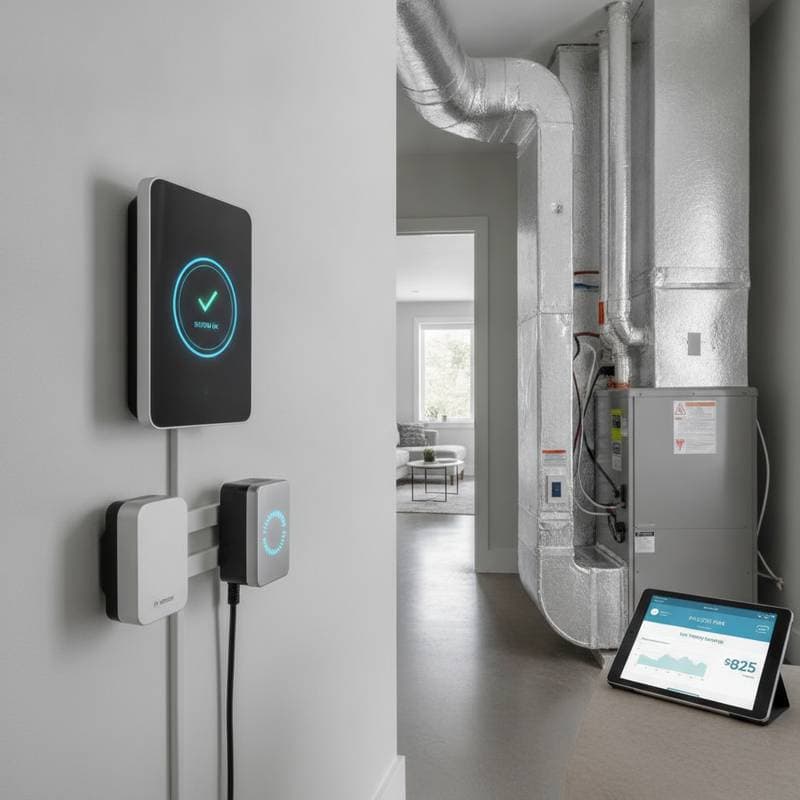
Smart filter sensors are compact devices that attach to or near the HVAC filter. They measure airflow, pressure, and sometimes particulate buildup to determine when a filter needs replacement. Instead of guessing or following a generic schedule, these sensors provide accurate, data based alerts when the filter is actually dirty.
Most models connect to a smartphone app or smart thermostat. They deliver clear notifications when maintenance is required. This approach ensures filters are replaced only when necessary. It reduces waste and keeps the system running efficiently.
| Feature | Function | Benefit |
|---|---|---|
| Airflow Measurement | Tracks the volume of air passing through the filter | Detects blockages early |
| Pressure Monitoring | Monitors static pressure across the filter | Identifies restricted airflow |
| Wireless Alerts | Sends notifications to mobile devices | Prevents missed maintenance |
| Integration | Works with smart thermostats or HVAC monitoring systems | Enhances overall system diagnostics |
Why Filter Monitoring Prevents Costly Repairs
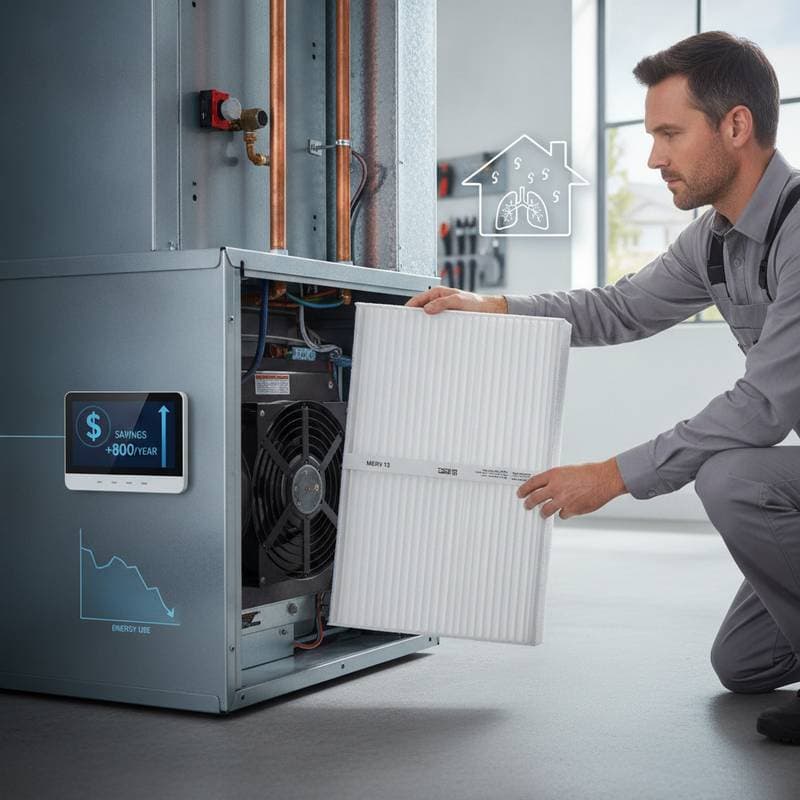
A clogged filter can lead to multiple HVAC issues. Restricted airflow causes motors to overheat, increases strain on the blower, and allows dust to accumulate on coils. Over time, this can cause compressor failure or reduced system lifespan.
By using a smart filter sensor, homeowners can detect airflow restrictions before they cause damage. This small investment in preventive maintenance often avoids expensive service calls or component replacements later.
Common Problems Caused by Dirty Filters
- Overheating of the blower motor
- Frozen evaporator coils
- Unbalanced airflow between rooms
- Increased energy bills
- Shortened equipment lifespan
With a monitoring sensor in place, these issues can be prevented through timely filter changes guided by precise sensor data.
Benefits of Smart Filter Sensors
Smart filter sensors do more than track dirt buildup. They create a maintenance habit that keeps the HVAC system reliable and efficient year round.
Key benefits include lower repair costs through early detection of airflow problems, improved energy efficiency as the system operates without blockages, healthier indoor air quality by maintaining clean filters, longer equipment lifespan from reduced mechanical stress, and convenient maintenance reminders delivered directly to a phone.
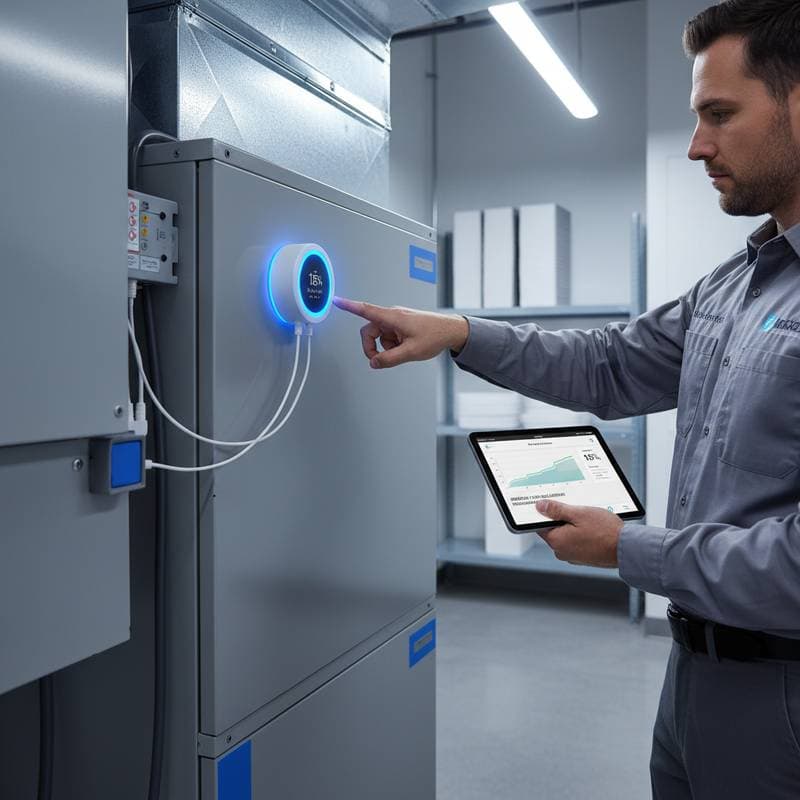
Smart sensors also help technicians during routine service visits. Data collected from the sensors can reveal performance trends. This allows professionals to diagnose potential issues faster and with greater accuracy.
Integrating Sensors into Your HVAC System
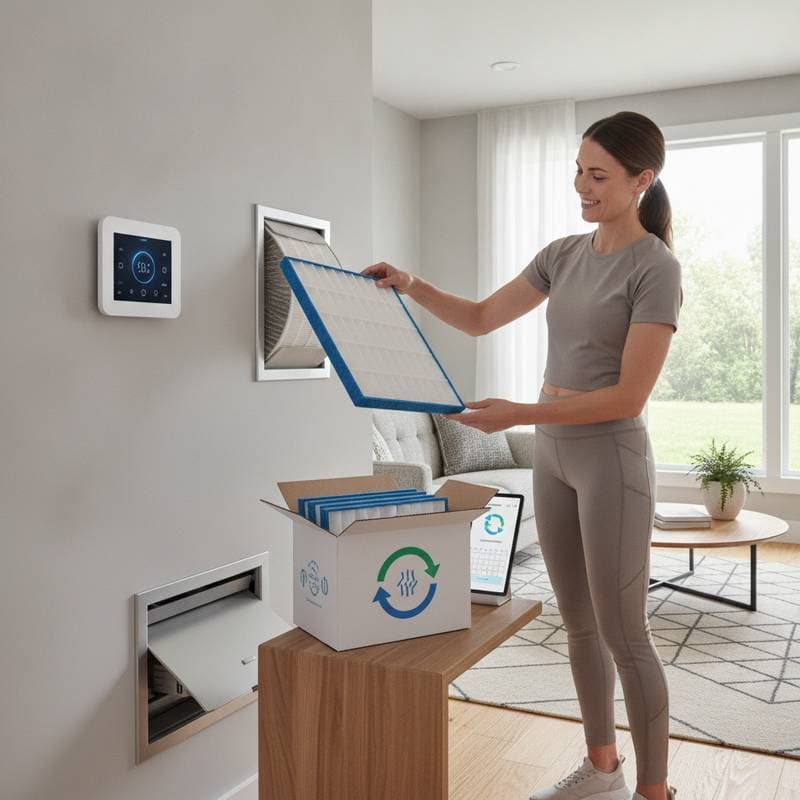
Installing a smart filter sensor is usually simple. Many models are designed for DIY installation. They require only placement near the filter and connection through an app. For more advanced systems, an HVAC technician can integrate the sensor into an existing smart home setup or monitoring platform.
When selecting a sensor, choose one that matches the filter type and system size. Look for compatibility with the thermostat or home automation system if unified control and reporting are desired.
Applying Sensor Data for Ongoing Efficiency
Smart filter sensors are an affordable way to protect a major household investment. By turning routine maintenance into a data driven process, these sensors help prevent unnecessary wear and costly repairs. Homeowners who adopt this technology often notice improved comfort, reduced energy costs, and fewer emergency service calls.
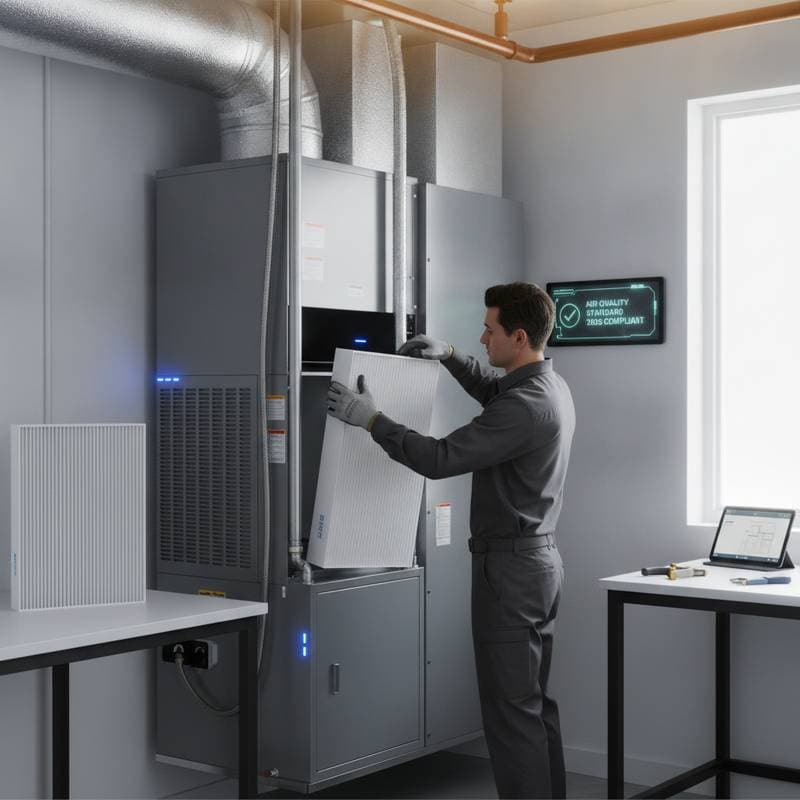
For the best results, pair sensor monitoring with regular professional inspections. A technician can verify sensor accuracy, clean components, and ensure the HVAC system continues running at peak efficiency. Over time, small steps like these keep the system healthy and the home comfortable while avoiding the financial stress of unexpected breakdowns.