7 DIY Spring Checks to Avoid Costly HVAC Repairs
When the weather starts warming up, your HVAC system shifts from minimal winter operation to full cooling demands. Spring offers an ideal window for basic maintenance that supports efficiency and reduces the risk of later failures. These checks require only common household tools and a short amount of time.
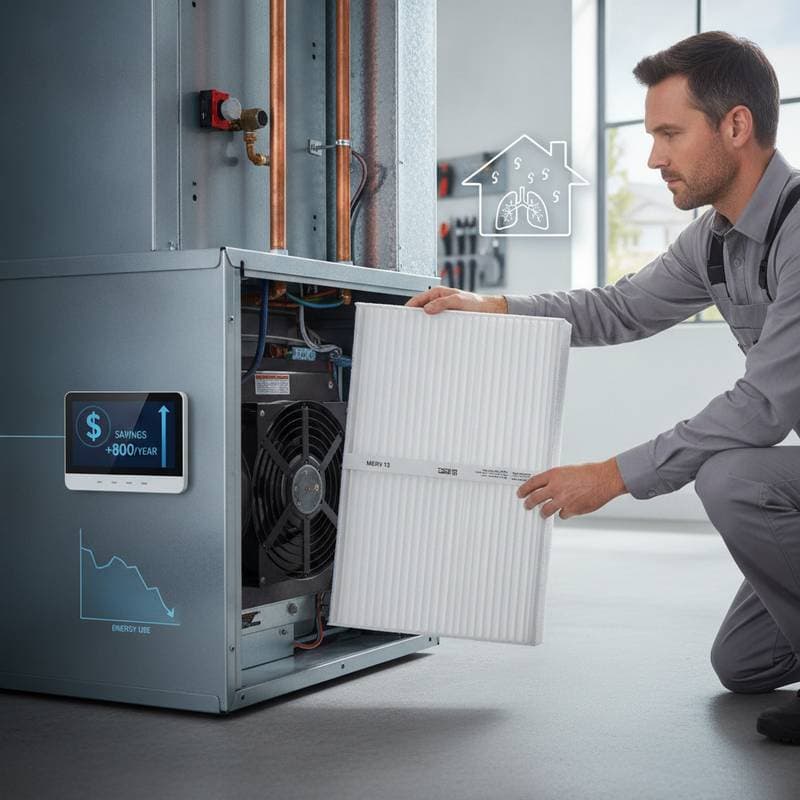
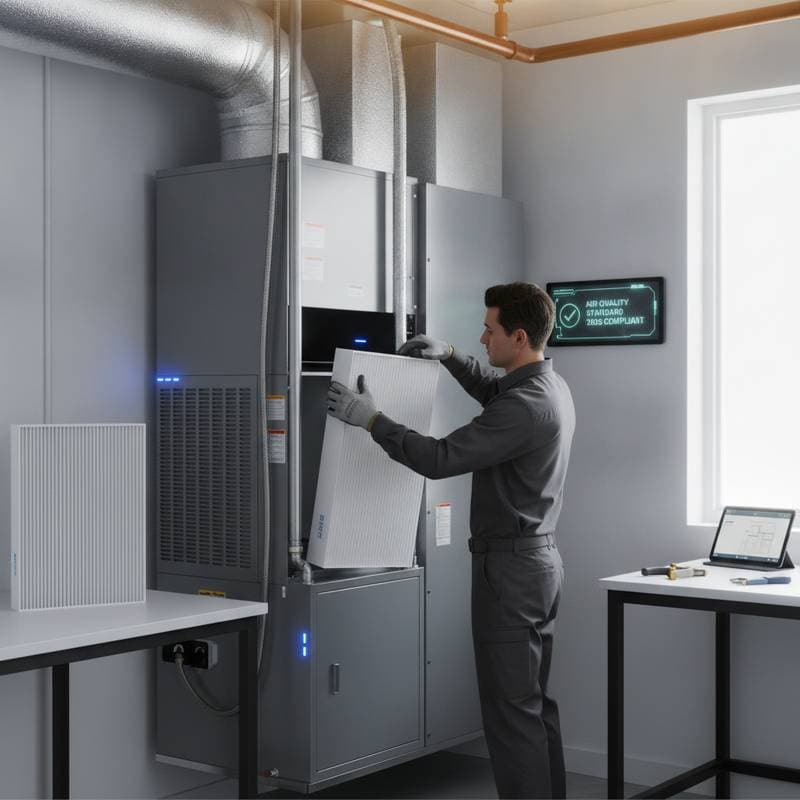
1. Replace or Clean the Air Filter
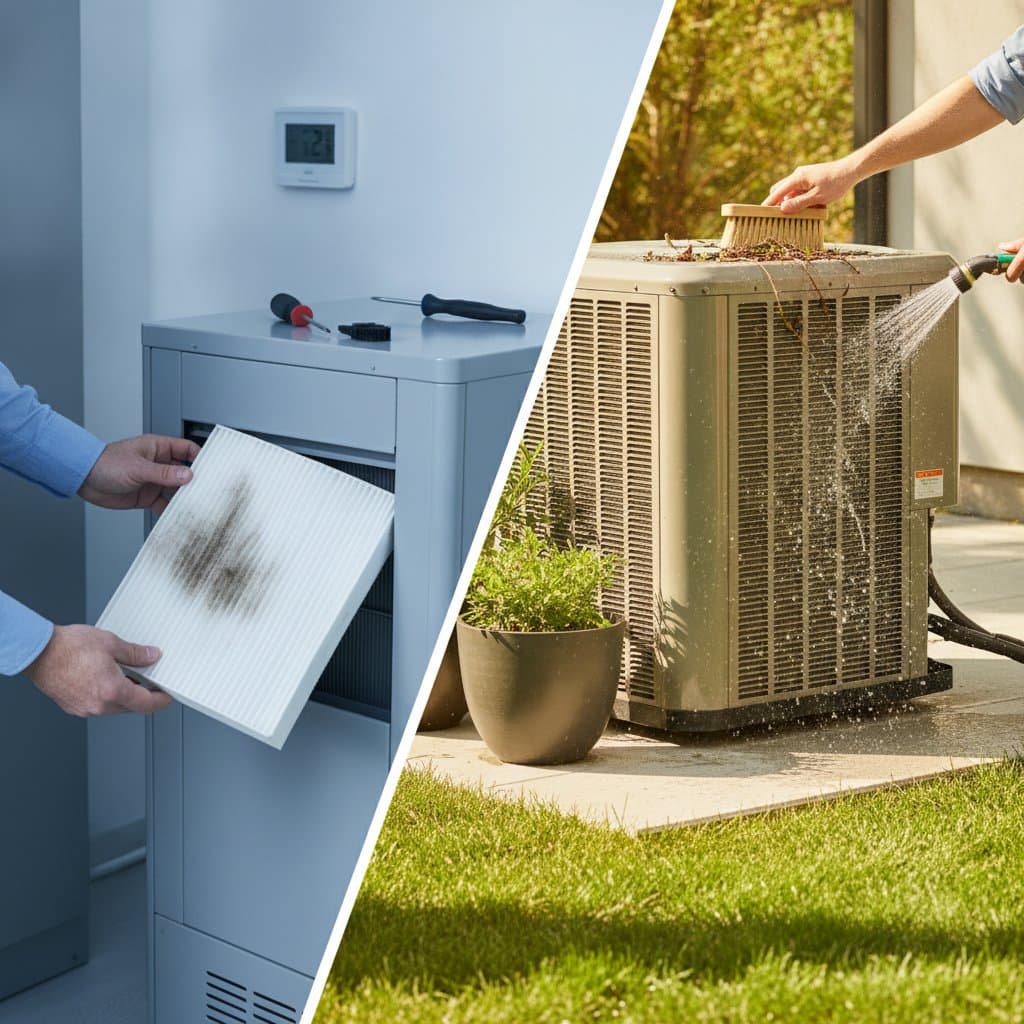
A clogged filter restricts airflow and forces the blower motor to work harder. Locate the filter slot behind a return vent or inside the indoor air handler cabinet. Slide out the old filter, note its dimensions, and install a new one that matches the size and airflow direction arrow. Reusable filters can be rinsed with mild soap and water, then dried completely before reinstallation. Repeat this step monthly once cooling season begins.
2. Clear Debris Around the Outdoor Unit
The condenser coil needs unobstructed airflow to release heat. Turn off power at the disconnect switch or breaker. Remove leaves, grass, and mulch from a two-foot radius around the cabinet. Rinse the fins with a gentle hose stream from the inside out, keeping water pressure low to avoid bending the metal. Straighten any bent fins with a fin comb if damage appears.
3. Inspect Vents and Registers
Obstructed supply and return openings reduce system performance and create uneven temperatures. Walk through each room and move furniture, rugs, or drapes away from every vent. Remove the covers, vacuum visible duct openings, and wipe the grilles clean before reinstalling. Persistent dust or odors inside the ducts indicate the need for professional cleaning.
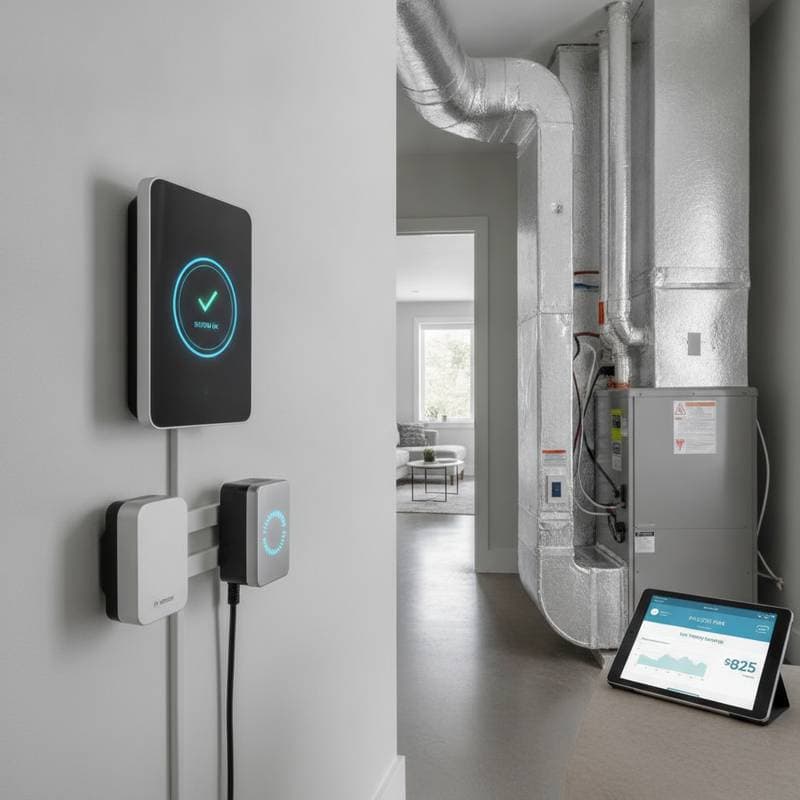
4. Test the Thermostat
An inaccurate thermostat can cause short cycling or insufficient cooling. Switch the unit to cooling mode and raise the set point a few degrees to confirm the system starts. Place a separate thermometer nearby and compare readings after ten minutes. Replace batteries in battery-powered models and consider a programmable or smart model if the current unit shows consistent errors.
5. Check the Condensate Drain Line
Moisture collected during cooling exits through the drain line. Locate the PVC pipe near the indoor evaporator coil and pour one cup of white vinegar into the access point. Allow the solution to sit for fifteen minutes, then flush with water to confirm free flow. Standing water or musty smells require a service call to clear deeper clogs or treat mold.
6. Listen for Unusual Noises
Mechanical sounds often signal loose components or failing parts before a complete breakdown occurs. Operate the system in cooling mode and note any grinding, rattling, or high-pitched squealing during startup and steady run. Shut the system down and contact a technician if these noises continue rather than attempting internal adjustments.
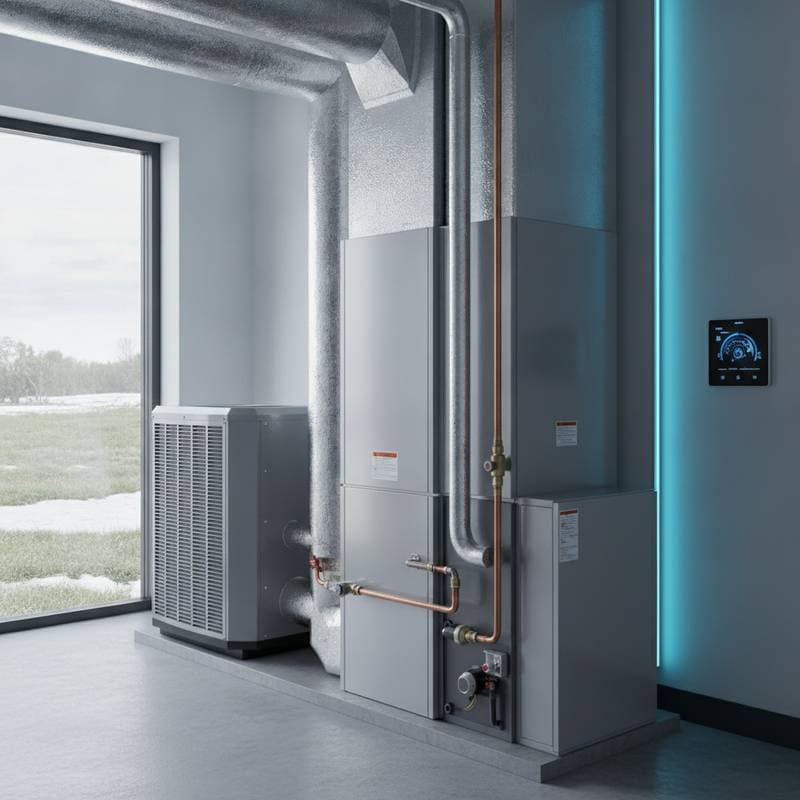
7. Inspect Insulation on Refrigerant Lines
Exposed suction lines can sweat and lose efficiency. Walk the line set from the outdoor unit to the indoor coil and check for cracked or missing foam sleeves. Replace damaged sections with new closed-cell foam available at hardware stores, ensuring each piece overlaps the next for a continuous barrier.
Next Steps After the Checks
Completing these tasks prepares the system for reliable summer operation and lowers the chance of emergency service calls. Schedule a professional tune-up if any step reveals damage or if the equipment is more than ten years old.