How the $89 HVAC Subscription Delivers Predictable Maintenance
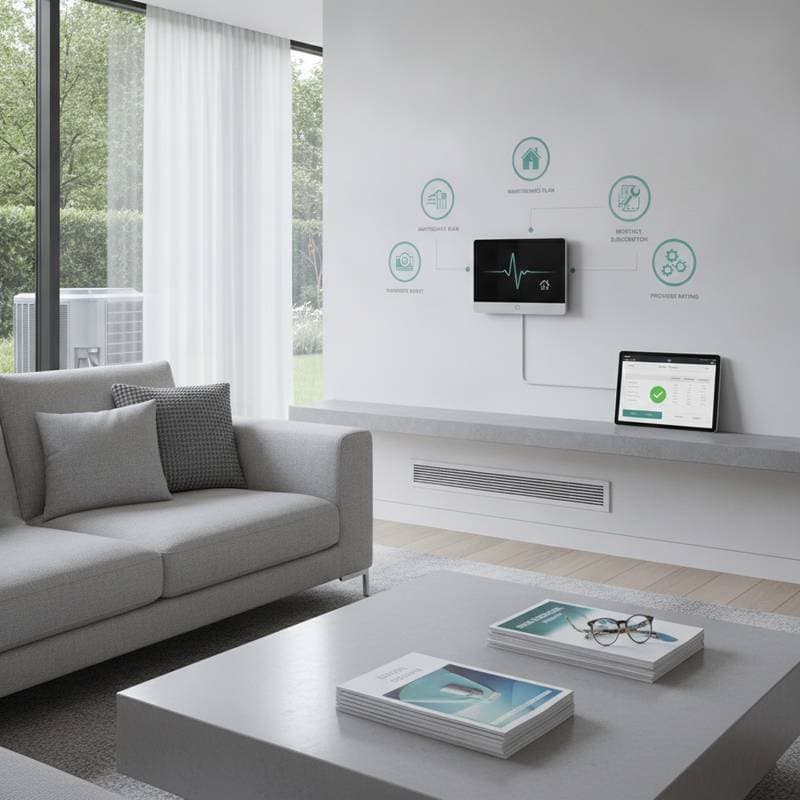
Homeowners often encounter fluctuating expenses for heating and cooling systems. Seasonal tune ups, emergency repairs, and replacement parts contribute to these variable costs. The $89 HVAC subscription plan introduces a fixed monthly fee that covers routine service and reduces the impact of surprise bills.
This approach supports consistent system performance throughout the year. It also helps households manage budgets without allocating separate reserves for unexpected service calls.
Cost Comparison of Maintenance Approaches
Traditional service models produce variable annual expenses based on system condition and usage patterns. The subscription option provides a single predictable figure.
- Traditional maintenance requires $200 to $600 each year for one or two visits without repair coverage.
- Emergency repairs average $150 to $900 per call when parts and labor are billed separately.
- Full system replacement ranges from $5000 to $12000 as a one time outlay.
- The subscription totals $1068 annually and includes scheduled maintenance plus priority response.
Many households recover the subscription cost after one or two avoided emergency visits. The primary benefit remains the removal of unplanned expenses.
Reasons Homeowners Select Subscription HVAC Services
Subscription models address common pain points in home maintenance. They combine cost certainty with ongoing attention to equipment.
Predictable monthly payments simplify household budgeting. Regular inspections maintain efficiency and lower the chance of major failures. Improved air filtration supports better indoor air quality for households with allergies or pets. Subscribers also receive faster service during peak demand periods.
How Subscription Plans Reshape HVAC Care
The model converts maintenance from a reactive event into a scheduled partnership. Technicians can plan visits in advance while homeowners receive steady performance from their systems.
Preventive attention reduces energy consumption and extends equipment life. Over time the practice may establish consistent service intervals across neighborhoods.
Answers to Common Subscription Questions
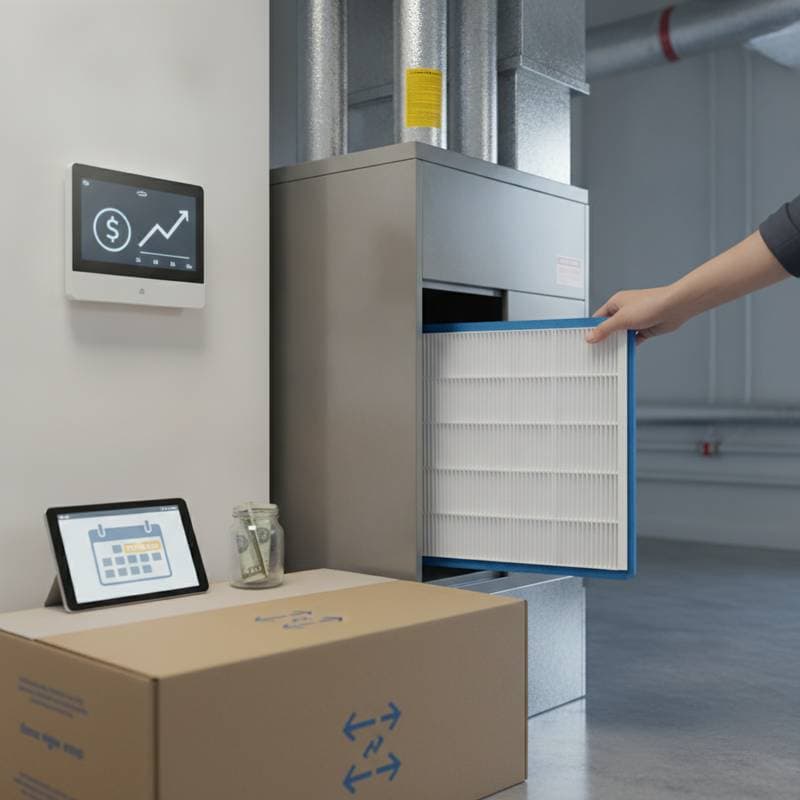
Service occurs twice each year, once before cooling season and once before heating season. Filter replacement, coil cleaning, and component checks form the core of each visit.
Repair coverage varies by provider. Some plans include unlimited repairs while others apply discounts to labor or parts. Review contract language to confirm exact terms.
Providers typically service systems of any age. Older units may face exclusions if parts are unavailable or repairs exceed economic thresholds.
Savings depend on prior repair frequency and efficiency gains. Many participants report several hundred dollars in reduced annual costs.
Cancellation policies differ. Some plans require annual commitment while others permit termination with advance notice.
Questions to Review Before Enrollment
- What services receive full coverage under the monthly fee?
- Are parts and labor included without additional charges?
- How many maintenance visits occur each calendar year?
- Does the plan extend to after hours or holiday calls?
- What fees or notice periods apply to cancellation?
- Are systems older than a stated age or certain brands excluded?
- Will written service reports arrive after each appointment?
- Do any add on options include air quality testing or remote monitoring?
- What is the stated response time for urgent requests?
- Can the provider bundle HVAC service with plumbing or electrical plans?
Taking the Next Step Toward Reliable HVAC Care
Compare plan details across local providers. Confirm coverage limits and response commitments in writing. Select the option that aligns with system age and household usage patterns. Consistent participation supports long term comfort and cost control.