Why HVAC Experts Advise Against DIY Filter Subscriptions
Homeowners often consider DIY HVAC filter subscriptions for their promised convenience. Automatic deliveries and preset schedules appear to simplify maintenance. HVAC professionals caution that these services frequently introduce risks that affect system performance and longevity.
Understanding DIY HVAC Filter Subscriptions
A DIY HVAC filter subscription delivers replacement air filters to a residence at fixed intervals, typically every one to three months. Users select a size, efficiency rating, and delivery frequency during signup. The service then ships the filters directly.
This approach assumes uniform needs across all households. In practice, indoor air quality, equipment type, and occupancy patterns differ significantly. A standardized schedule therefore fails to match actual operating conditions.
Concerns Raised by HVAC Technicians
Experienced technicians observe recurring issues when homeowners rely on subscription services. The following points summarize the most frequent problems.
Filter Fit and Type Errors
Homeowners sometimes select filters based on approximate measurements or packaging labels. Slight dimensional mismatches allow unfiltered air to bypass the media. Excessively restrictive filters also reduce airflow and increase motor strain.
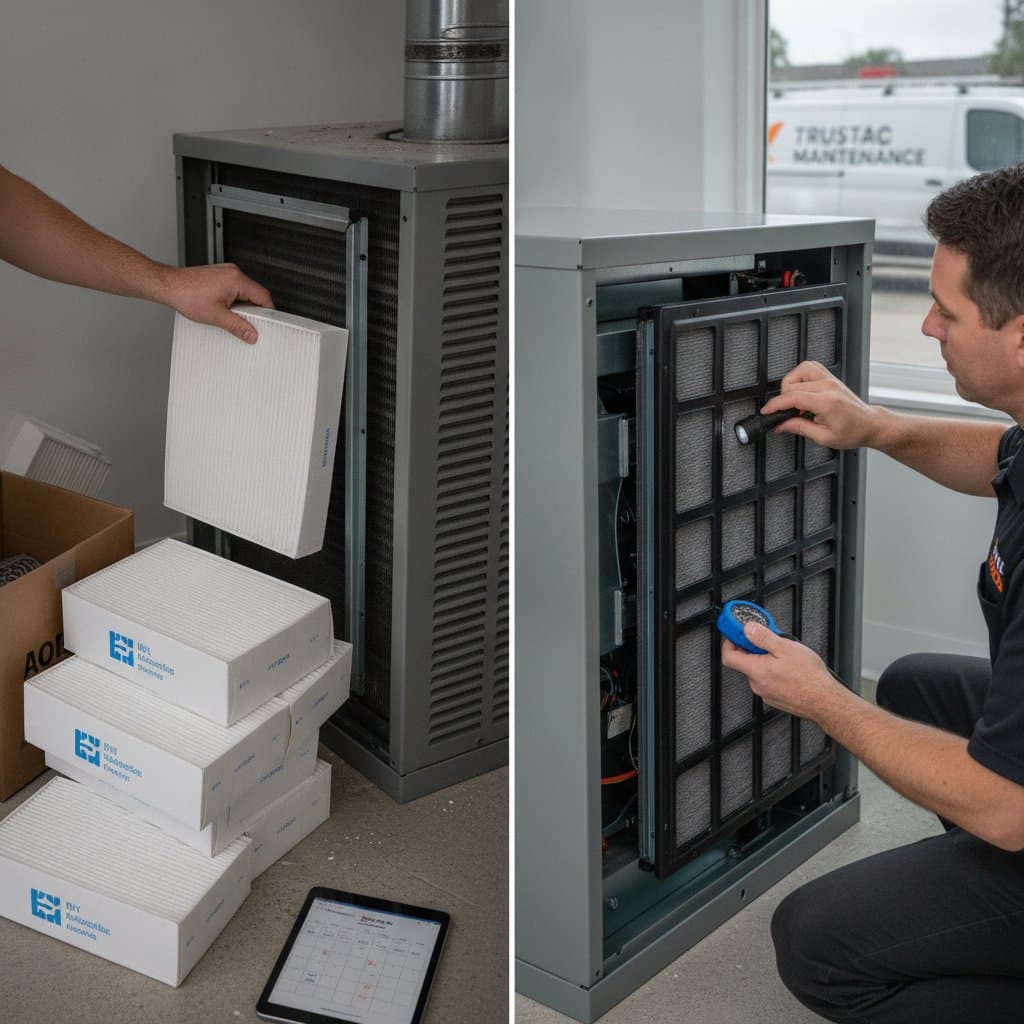
Technicians measure the filter rack precisely and consult manufacturer specifications. They evaluate the Minimum Efficiency Reporting Value, known as the MERV rating, to ensure the filter captures particles without impeding system operation.
Inflexible Replacement Schedules
Subscription services apply the same interval to every customer. Households with pets, high occupancy, or nearby construction require more frequent changes. Vacation properties may need replacements less often.
Technicians recommend visual inspection each month. Replacement occurs when the media appears gray or airflow feels restricted.
Variable Quality of Supplied Filters
Generic filters shipped by subscription services sometimes feature inconsistent pleat spacing or weak cardboard frames. These defects permit dust to pass into the evaporator coil and ductwork.
Contractors source filters matched to the specific model and recommend options that maintain proper static pressure while delivering adequate filtration.
Absence of System Inspections
A service call for filter replacement includes checks of the blower assembly, electrical terminals, and condensate drain. Subscription programs eliminate this review, allowing minor faults to progress undetected.
False Sense of Security
Regular filter arrivals can create an impression that the HVAC system requires no further attention. Equipment still needs periodic coil cleaning, lubrication, and calibration to sustain efficiency and warranty coverage.
Consequences of Using an Unsuitable Filter
An incorrect filter affects multiple aspects of system operation.
- Higher monthly energy costs result from extended run times caused by restricted airflow.
- Indoor air contains elevated levels of dust and allergens when filtration is inadequate.
- Motors and bearings experience accelerated wear when forced to overcome added resistance.
- Temperature differences appear between rooms when airflow is uneven.
Tasks Homeowners Can Perform
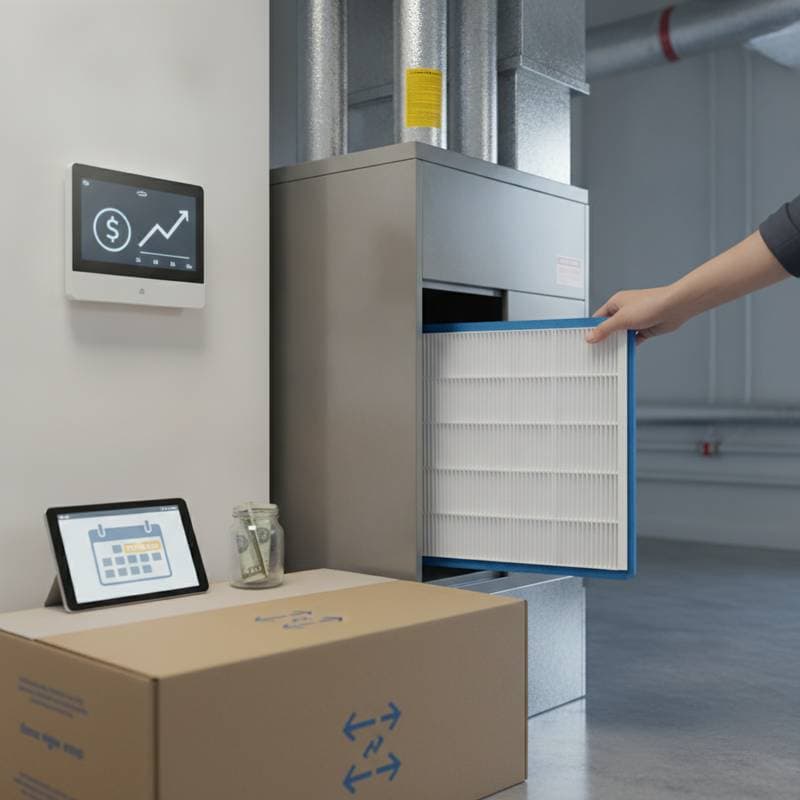
Monthly visual checks remain within homeowner capability. Hold the removed filter against a light source. Replace it when light transmission drops noticeably. Record each change date to identify seasonal patterns.
Situations That Require Professional Service
Contact a technician when airflow feels weak, temperatures vary by room, or unusual sounds occur. Annual maintenance visits allow full system evaluation and filter selection based on current conditions.
Advantages of Professional Maintenance Plans
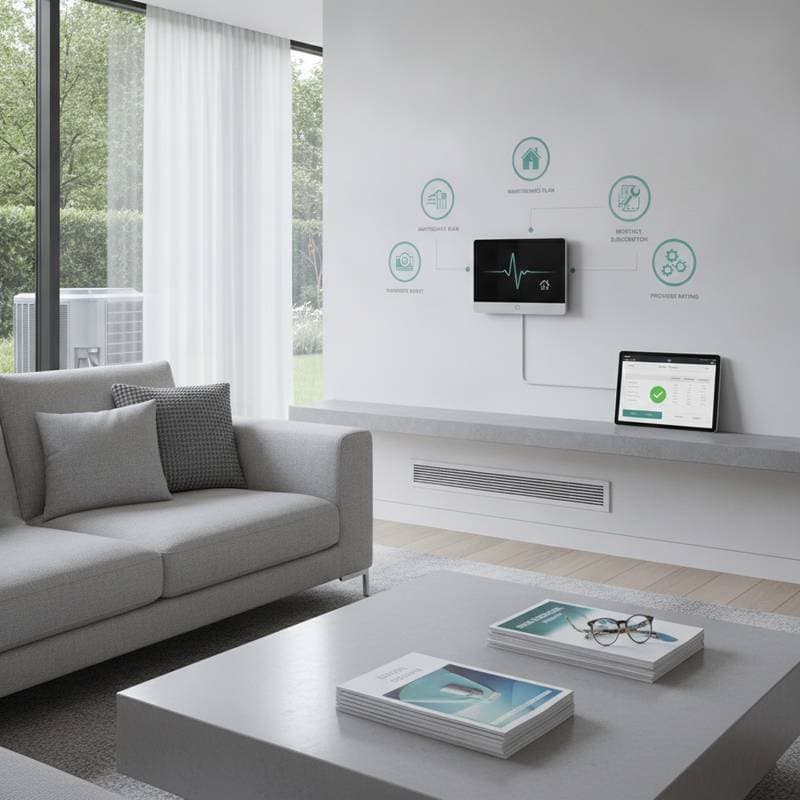
Maintenance agreements replace subscription deliveries with scheduled technician visits. Each visit includes filter selection matched to the unit, inspection of critical components, and performance verification. These steps preserve efficiency, extend equipment life, and maintain warranty compliance.
Common Questions About HVAC Filters
Can any filter that fits be used?
No. Physical fit does not guarantee correct airflow resistance or particle capture. Manufacturer guidelines or technician advice should determine the proper choice.
How frequently should filters be replaced?
Most residences need changes every one to three months. Properties with pets or smokers often require intervals of thirty days.
Do higher MERV ratings provide better results?
Ratings that are too high can restrict airflow and overwork the blower. The optimal rating balances particle removal with system requirements.
What occurs when a filter remains unchanged?
Dust accumulates on the coil and in the ductwork. The system runs longer, energy consumption rises, and component life shortens.
Are professional maintenance plans cost effective?
Plans reduce emergency repairs and maintain efficiency. Many homeowners recover the annual fee through lower utility bills and fewer breakdowns.
Schedule Professional Visits
Professional maintenance plans deliver consistent results through expert oversight. Homeowners gain reliable performance and fewer unexpected issues when technicians handle filter selection and system checks on a regular basis.