Spring Tune-Up Checklist Prevents Expensive HVAC Repairs
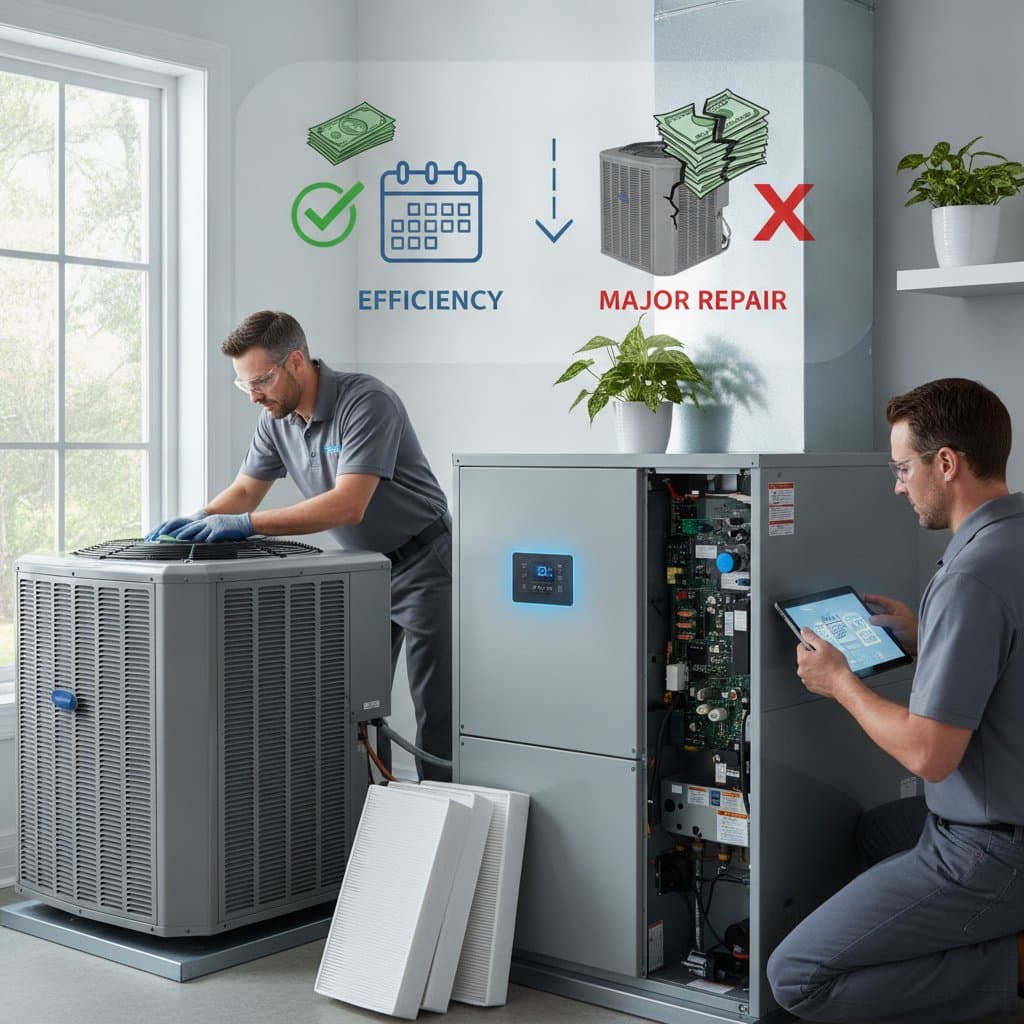
A professional HVAC spring tune-up costs far less than a major repair or early system replacement. Homeowners typically spend between $90 and $200 for a seasonal tune-up. In contrast, a compressor or blower motor repair can easily exceed $1,000. A detailed spring maintenance checklist keeps the system efficient, reliable, and ready for warmer months.
This guide outlines the tasks that belong on a spring HVAC tune-up checklist, explains why each step matters, and shows how regular maintenance prevents costly breakdowns.
Why a Spring HVAC Tune-Up Matters
The HVAC system works hardest during summer. Spring offers the best window to inspect and service it before heavy use begins. During cooler months, dirt, dust, and debris collect inside the unit. Belts dry out, refrigerant levels drop, and filters clog. A spring tune-up restores efficient operation ahead of peak demand.
Regular maintenance extends equipment life, improves indoor air quality, and lowers the risk of emergency repairs. It also preserves manufacturer warranty coverage, which often requires documented annual service.
Average Spring HVAC Tune-Up Costs
Professional HVAC tune-up prices usually range from $90 to $200. The final amount depends on system size, local labor rates, and any extra repairs discovered during service.
Basic inspection and cleaning runs $90 to $120. This covers filter checks, thermostat calibration, coil cleaning, and a general system review. Advanced service with component testing costs $120 to $200 and adds refrigerant checks, electrical testing, and blower calibration. Full service that includes minor repairs starts at $200 and covers small part replacements such as belts or fuses.
Key Factors That Affect Tune-Up Cost
Unit size and type influence price. Larger homes or multi-story properties require more service time. Central air systems need duct inspections, while ductless units require cleaning of multiple indoor sections.
System age and efficiency also matter. High-efficiency models may need specialized diagnostic tools. Older units often require extra lubrication or cleaning. Accessibility affects labor time as well. Units in tight attics or crawl spaces take longer to reach than ground-level equipment.
Types of HVAC Systems and Their Maintenance Needs
Central air conditioning delivers consistent cooling through existing ductwork yet loses efficiency when ducts leak. Heat pumps provide both heating and cooling and perform best with biannual service because outdoor coils collect weather debris. Ductless mini-split systems offer room-by-room control and avoid duct losses, but each indoor unit needs regular filter cleaning. Packaged units keep all components outside for easier access, though they face greater exposure to dirt and weather.
The Essential Spring HVAC Tune-Up Checklist
A complete tune-up covers the following tasks.
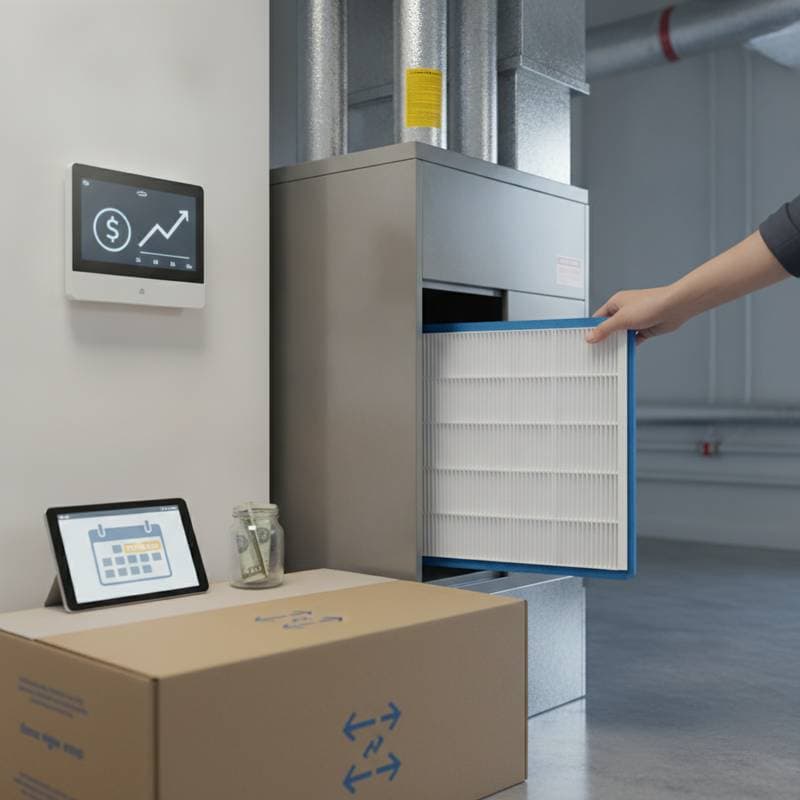
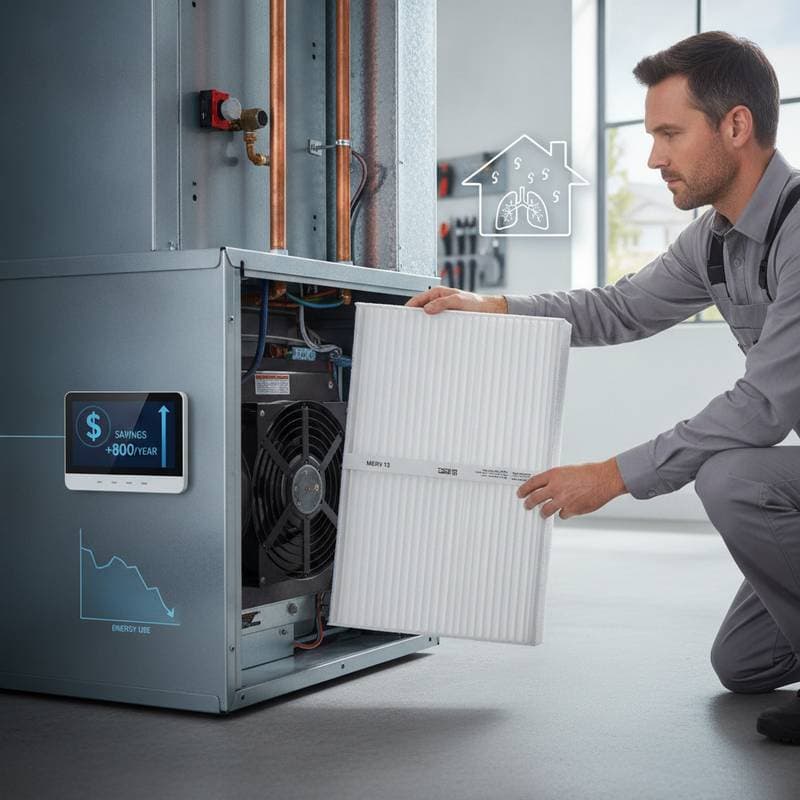
- Replace or clean air filters every one to three months to maintain airflow.
- Inspect and clean evaporator and condenser coils to improve heat transfer.
- Check refrigerant levels to protect the compressor from damage.
- Test thermostat calibration for accurate temperature control.
- Inspect and tighten electrical connections to prevent shorts.
- Lubricate motors, bearings, and fans to reduce wear.
- Clear the condensate drain line to avoid water leaks and mold.
- Examine ductwork for leaks that waste energy.
- Verify blower motor and fan balance for even air distribution.
- Confirm all safety controls and sensors operate correctly.
Most professional tune-ups take one to two hours.
Signs You Need an HVAC Tune-Up
Watch for weak or uneven airflow, unexplained rises in energy bills, rattling or buzzing sounds, warm air during cooling mode, high indoor humidity, or musty odors from vents. Addressing these signs early prevents larger failures.
The Spring HVAC Maintenance Process
Technicians begin with an initial inspection of thermostat settings and visible components. They then test electrical and mechanical parts, clean and lubricate coils and motors, measure refrigerant pressure and airflow, run a full cooling cycle, and provide a written report with any recommendations.
HVAC Tune-Up Labor Costs
Labor rates average $75 to $125 per hour. Most visits require one to two hours. Homeowners should leave refrigerant handling and electrical diagnostics to professionals who possess the proper tools and training.
Frequently Asked Questions About HVAC Spring Tune-Ups
Schedule service twice each year, once in spring and once in fall. Homeowners can change filters themselves, yet full diagnostics require professional equipment. Proper maintenance can cut cooling costs by up to 15 percent. Skipping annual service raises the risk of sudden breakdowns during peak heat.
Schedule Service Before Summer Heat Arrives
Book a spring tune-up now to secure reliable cooling, lower operating costs, and avoid emergency repairs when temperatures rise.