Preparing Your HVAC System for Summer
A spring tune-up prepares the air conditioning system for reliable performance during warmer months. Homeowners benefit from completing several straightforward tasks before scheduling professional service.
- Inspect and calibrate the thermostat for precise control
- Replace air filters to maintain airflow
- Clean the outdoor unit to remove debris
- Check coils for dirt accumulation
- Verify refrigerant levels with professional assistance
- Seal ductwork to prevent air loss
- Examine blower components for wear
Importance of Seasonal Preparation
Spring offers an opportunity to address minor issues before peak demand. Consistent care reduces the likelihood of unexpected failures and supports lower operating costs over time. Systems that receive regular attention often operate effectively for additional years compared with those left unmaintained.
Step 1: Calibrate the Thermostat
The thermostat determines how frequently the system activates. Compare its reading against a separate thermometer placed nearby. Adjust settings according to manufacturer guidelines when differences appear. Many households also install a programmable model that maintains consistent temperatures without manual intervention. Replace batteries at the beginning of each season.
Step 2: Replace or Clean Air Filters
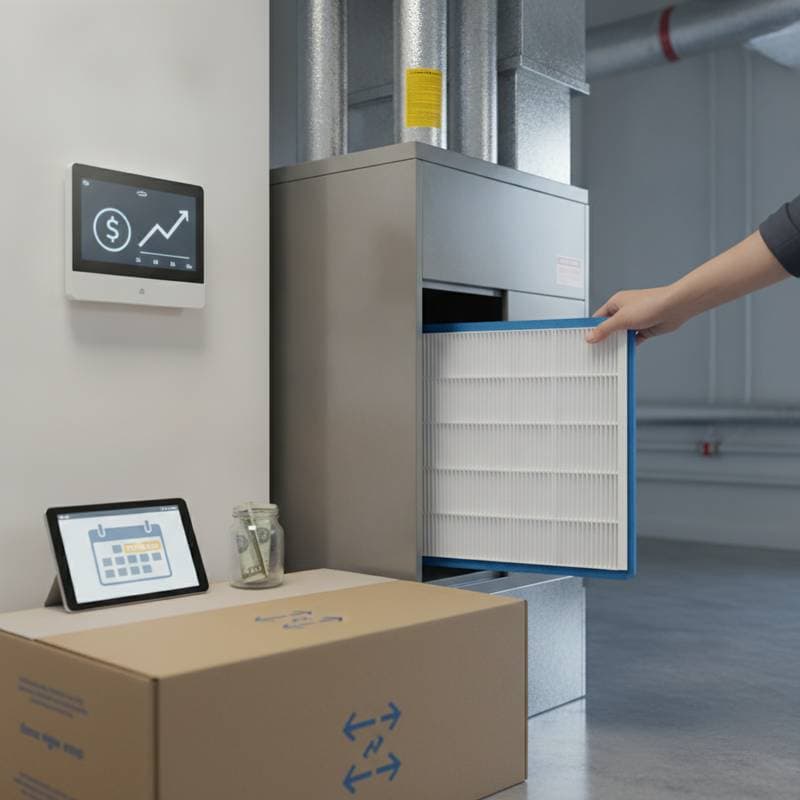
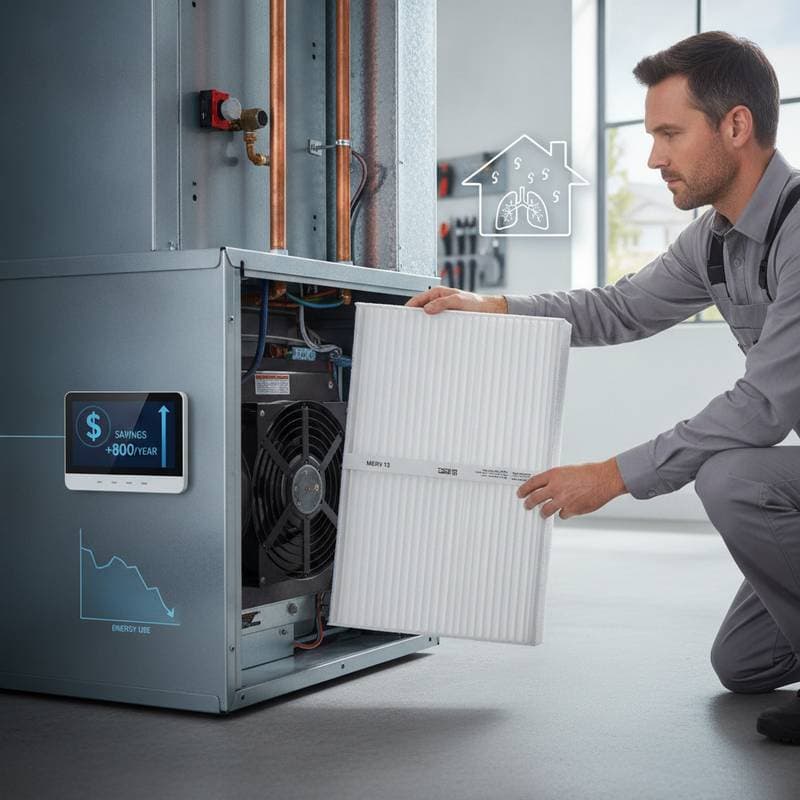
Filters that collect dust limit the volume of air moving through the system. Select a filter with a MERV rating between 8 and 13 to balance particle capture and airflow. Change or clean the filter every one to three months. Record the installation date on the frame to support a regular schedule.
Step 3: Clean the Outdoor Condenser
Leaves, grass, and dirt accumulate on the condenser coils and reduce heat transfer. Disconnect power to the unit, then rinse the fins gently with a garden hose. Keep at least two feet of open space around the cabinet. Use a fin comb to restore any bent fins to their original shape.
Step 4: Inspect the Evaporator and Condenser Coils
Dirt on the coils interferes with heat exchange and raises energy consumption. Apply a soft brush or approved coil cleaner to remove buildup. Persistent corrosion or oil residue may indicate a refrigerant leak that requires technician attention. Clean coils can improve efficiency by a noticeable margin.
Step 5: Verify Refrigerant Charge
Correct refrigerant levels are necessary for proper cooling capacity. Extended run times or warm air from supply vents suggest an imbalance. Only certified technicians may measure and adjust refrigerant.
Step 6: Inspect and Seal Ductwork
Gaps in duct connections allow conditioned air to escape into unconditioned spaces. Examine accessible sections and apply mastic sealant or foil tape to close openings. Add insulation around ducts located in attics or crawl spaces. A professional evaluation can locate concealed leaks.
Step 7: Check Blower Components
The blower motor and drive belts circulate air throughout the home. Look for fraying, cracks, or looseness in the belts and replace them when necessary. Lubricate bearings according to equipment specifications. These steps help maintain steady airflow during periods of heavy use.
Step 8: Test Safety and Electrical Systems
Electrical connections, safety switches, and the condensate drain require examination. Tighten terminals that show signs of heat damage and clear any blockage from the drain line. Confirm that the circuit breaker and disconnect switch function correctly. These checks reduce the risk of water damage or electrical faults.
Indicators That Service Is Needed
Homeowners should arrange professional inspection when certain conditions arise. Uneven temperatures, unusual sounds, rapid cycling, or a sudden increase in utility costs all point to underlying problems. Prompt attention prevents minor faults from developing into larger repairs.
Professional Service Expectations
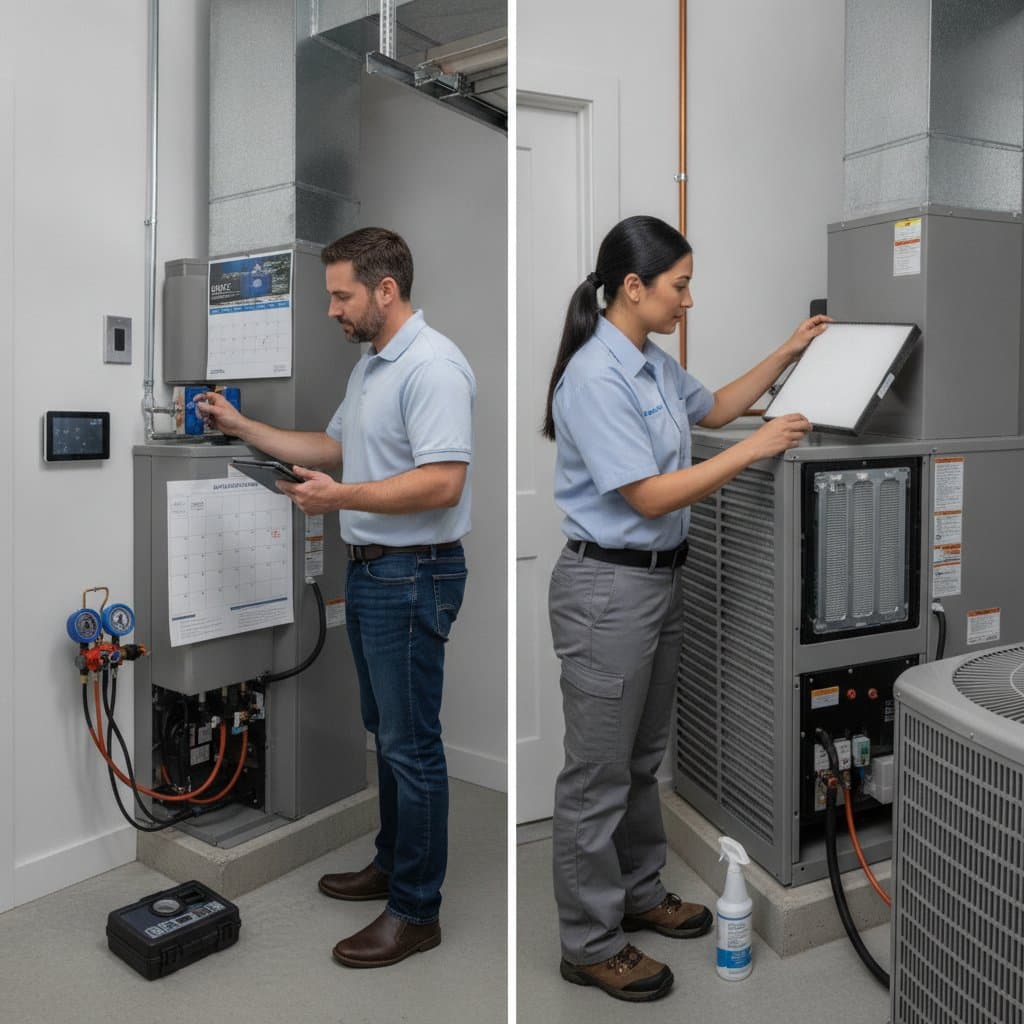
A technician typically completes a full inspection and cleaning in one to two hours. The visit includes coil cleaning, electrical testing, lubrication, and verification of all safety controls. Homeowners may perform basic tasks such as filter changes, while refrigerant handling and electrical diagnostics remain the responsibility of licensed personnel.
Maintenance Planning
Scheduling visits each spring and fall keeps both heating and cooling functions in optimal condition. Service agreements often include priority response and reduced rates for additional work. Consistent attention supports steady performance and helps avoid costly emergency calls.