Understanding MERV 13 Air Filters
MERV stands for Minimum Efficiency Reporting Value. This rating measures how effectively an air filter captures particles of different sizes. A MERV 13 filter traps 90 percent or more of particles between 1 and 3 microns. Such performance removes dust, pollen, mold spores, and some bacteria from circulating air.
Homeowners often select this rating when they want stronger protection than standard filters provide. The filter works inside the existing HVAC system without requiring equipment changes in most cases.
Energy Efficiency Gains
Upgrading to a MERV 13 filter can reduce HVAC energy consumption by up to 18 percent. Cleaner air moving through the system decreases resistance on the blower motor. The motor therefore runs for shorter periods to reach the desired temperature.
Reduced runtime also lowers wear on other components. Coils stay cleaner longer because fewer particles reach them. This combination produces measurable drops in monthly utility costs.
Air Quality Improvements
MERV 13 filters capture fine dust that lower-rated filters allow to pass. Residents notice less dust settling on surfaces within days of installation. Allergy sufferers often report fewer symptoms because airborne irritants decrease.
The filter does not add chemicals or fragrances to the air. It simply removes more contaminants through mechanical filtration. This approach supports better respiratory health without introducing new variables.
Checking System Compatibility
Verify that the HVAC unit can accommodate the increased airflow resistance of a MERV 13 filter. Review the manufacturer specifications for the furnace or air handler. Some older systems require a larger filter slot or a different filter housing.
Consult the equipment manual or contact a technician if the model number is more than ten years old. Proper fit prevents strain on the blower and maintains warranty coverage.
Installation Steps
- Turn off power to the HVAC system at the breaker.
- Locate the filter compartment, usually near the return air duct.
- Remove the old filter and note its dimensions.
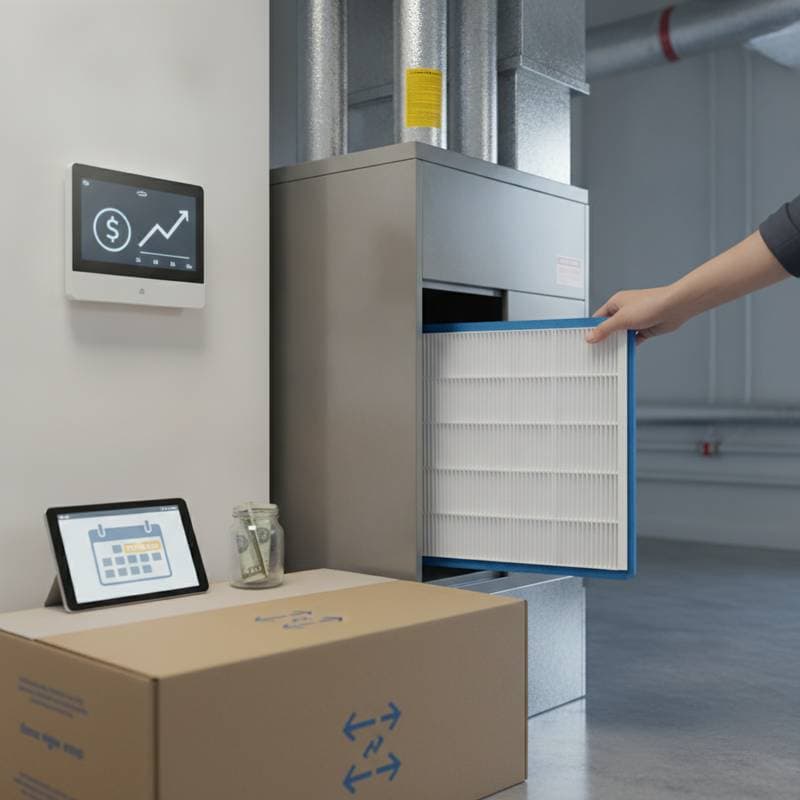
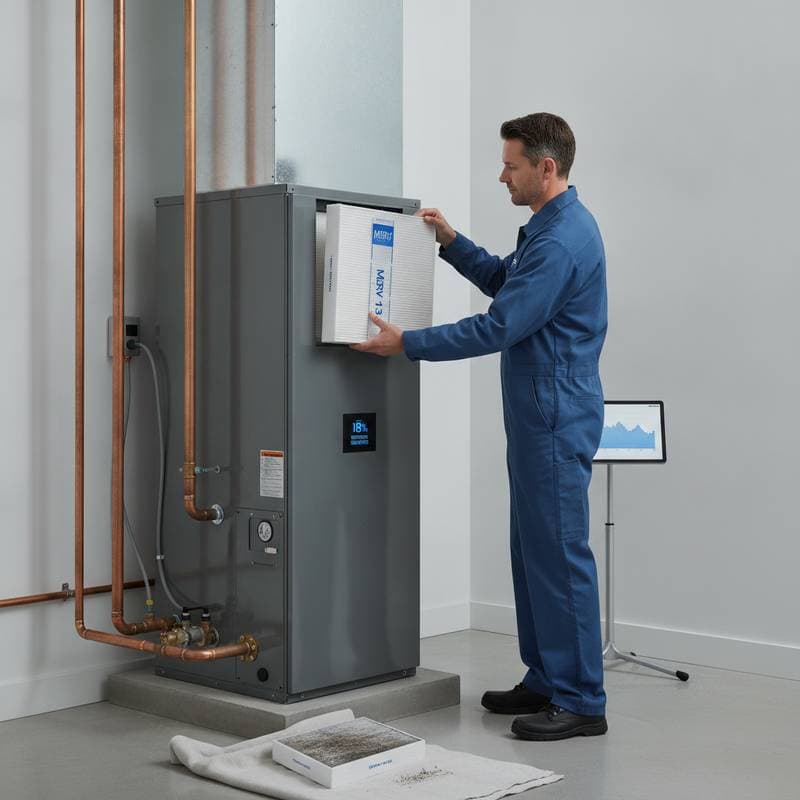
- Insert the new MERV 13 filter with the airflow arrow pointing toward the blower.
- Secure the compartment door and restore power.
Perform this task every 60 to 90 days in normal conditions. Homes with pets or high dust levels may need more frequent changes.
Maintenance Practices
Inspect the filter monthly by removing the compartment door and checking for visible buildup. Replace the filter when dirt covers more than half the surface. Keep a supply of correctly sized filters on hand to avoid delays.
Schedule annual professional tune-ups. A technician can measure static pressure and confirm the filter is not restricting airflow beyond design limits. This step protects both efficiency and equipment life.
Maximizing Long-Term Benefits
Track energy bills for three months after the upgrade. Compare usage against the same period in the previous year while accounting for weather differences. Consistent savings confirm the filter is performing as expected.
Combine the filter upgrade with other simple habits. Keep supply vents unobstructed and change thermostat settings by a few degrees during unoccupied hours. These actions compound the efficiency gains achieved by the higher-rated filter.