HVAC Filter Subscriptions That Reduce Annual Costs by $400
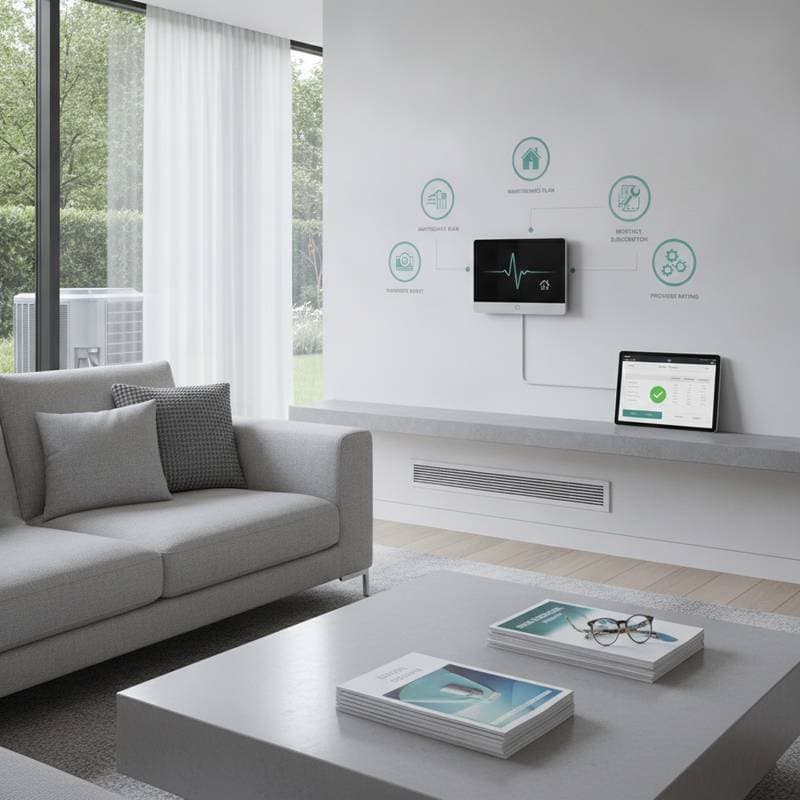
Keeping an HVAC system efficient requires attention to filter maintenance. Many homeowners overlook this task and face rising energy bills along with reduced air quality. HVAC filter subscription services address these problems by delivering replacements on schedule.
Definition of an HVAC Filter Subscription
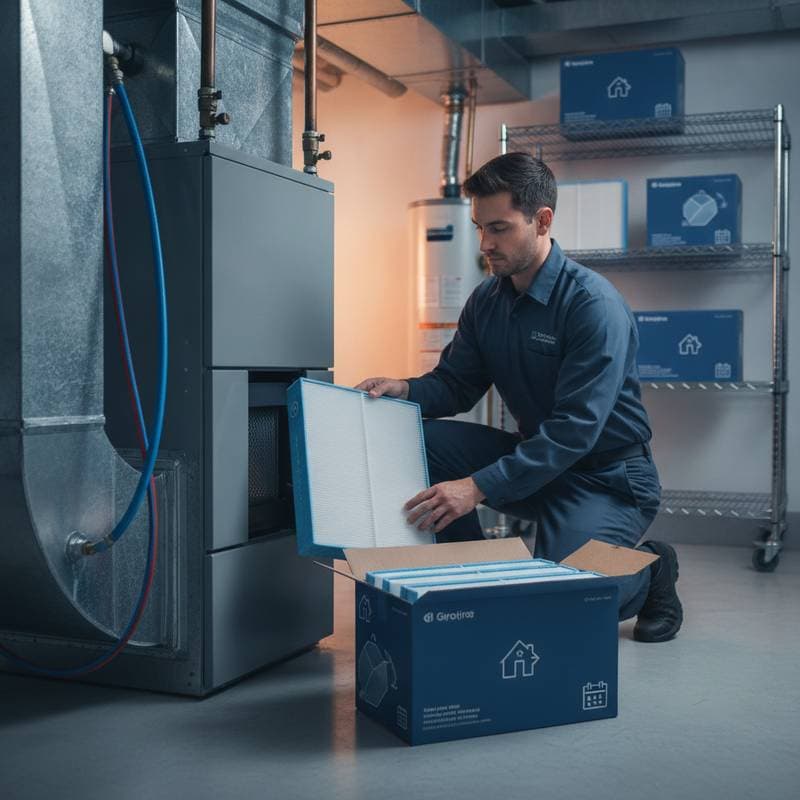
An HVAC filter subscription delivers replacement air filters to a residence at set intervals. The service matches filters to the specific system size and airflow requirements. Subscribers select a filter size along with a delivery frequency that aligns with household conditions.
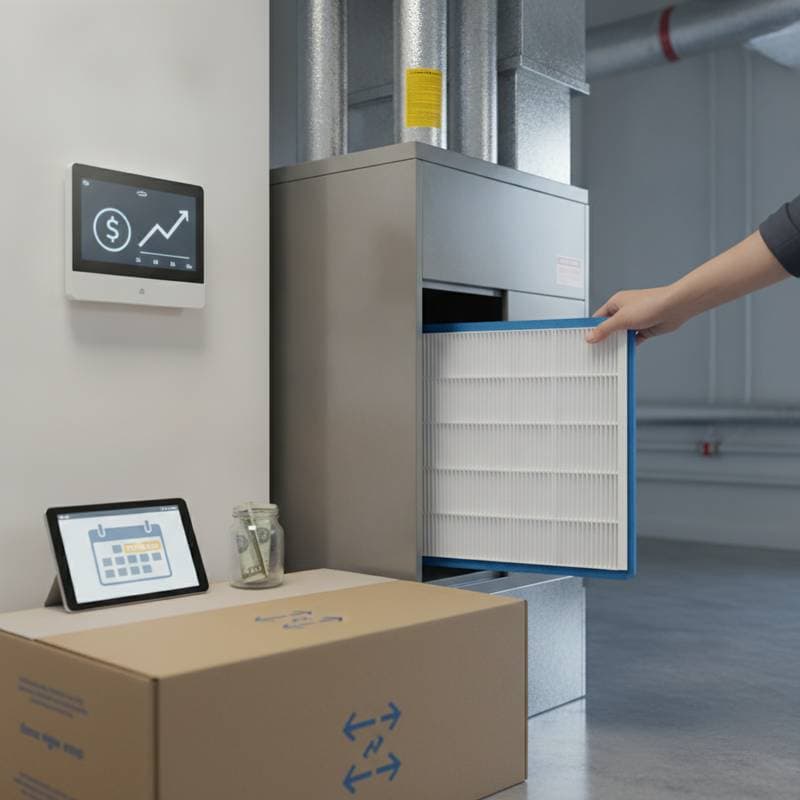
Typical features include the ability to adjust MERV ratings, modify shipment dates, and receive reminders for installation. This method prevents missed changes and supports consistent system performance over multiple seasons.
Importance of Timely Filter Replacement
A clean filter maintains proper airflow through the HVAC unit. When filters remain in place too long, dust accumulation restricts movement and forces the blower motor to operate longer. Restricted airflow also allows allergens to remain suspended in indoor air.
Neglected filters produce several measurable effects. The system may overheat or freeze during peak operation. Utility costs increase because the equipment runs for extended periods. Component stress rises and leads to earlier service calls.
Financial Advantages of a Subscription Model
Subscription pricing reflects bulk purchasing agreements with manufacturers. Homeowners report average annual savings between 100 and 400 dollars compared with retail purchases made on an as-needed basis.
Clean filters improve energy efficiency by allowing the system to reach set temperatures faster. Reduced runtime lowers monthly utility statements. Fewer breakdowns occur because the unit experiences less mechanical strain.
Longer equipment life results from consistent filtration. Coils and fans stay cleaner, which delays the need for major component replacement.
Selection Criteria for a Suitable Service
Filter quality is measured by MERV rating. Most residential systems perform best with ratings between 8 and 11. Higher ratings improve particle capture but require verification that the blower can maintain adequate airflow.
Delivery frequency should match household factors such as pet ownership or smoking. Thirty to sixty day intervals suit high dust environments, while ninety day intervals work for lighter use. Flexible plans allow pauses or schedule changes without penalty.
Exact filter dimensions must match the existing slot. Some providers offer custom cuts for older equipment. Total subscription cost should be compared against current annual spending to confirm net savings.
Homeowner Installation versus Professional Service
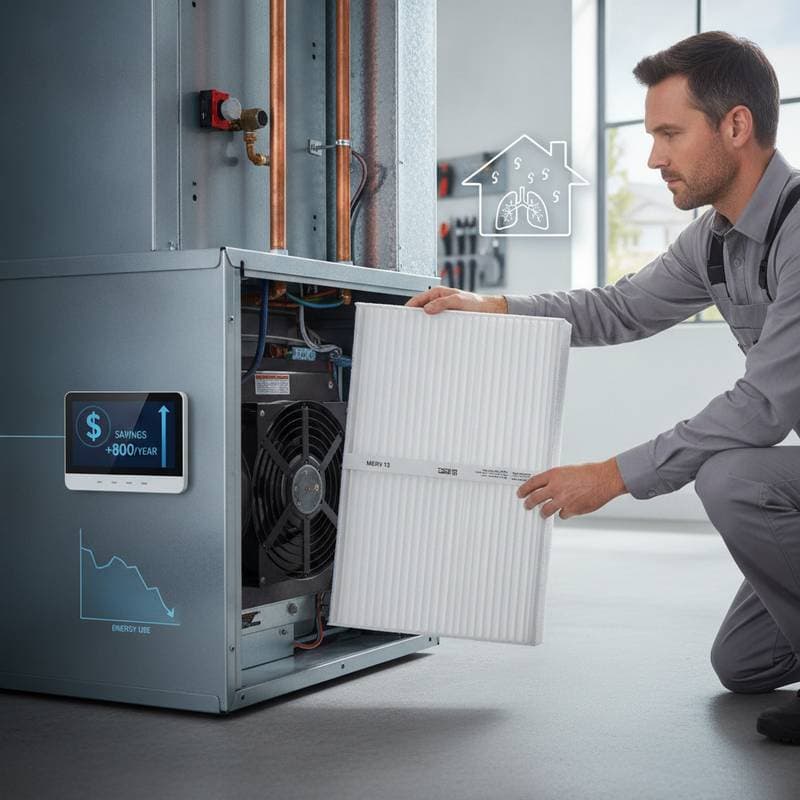
Filter replacement requires only a few minutes when the access panel is reachable. The homeowner measures the old filter, confirms airflow direction arrows, and inserts the new unit after powering down the system.
Professional assistance becomes advisable when the filter compartment is difficult to locate or when airflow issues persist after replacement. A technician can measure static pressure to confirm the filter is compatible with the duct system.
Steps to Begin a Subscription
Measure the current filter or consult the equipment manual for dimensions. Select a MERV rating appropriate for air quality goals and system capacity. Choose a delivery interval based on occupancy and environmental conditions. Receive the first shipment and install the filter according to the marked direction.
Common Questions
How often should filters be replaced?
Most households benefit from changes every sixty to ninety days. Properties with pets or allergy sufferers often require monthly replacement.
Do subscriptions provide measurable value?
Subscriptions reduce per unit cost, ensure timely changes, and lower the likelihood of expensive repairs. Convenience and documented savings make the arrangement worthwhile for many owners.
Can high efficiency filters be used in every system?
Some equipment cannot accommodate high MERV filters without airflow reduction. The system manual or a service technician can confirm compatibility.
What occurs when a filter is left unchanged?
A clogged filter increases energy consumption and accelerates wear on the blower and compressor. Continued neglect can result in system shutdown or costly component failure.
Does regular filtration reduce allergy symptoms?
Consistent replacement removes airborne particles such as pollen and dander. Improved air quality often provides relief for sensitive individuals.
Begin Saving with Regular Filter Deliveries
An HVAC filter subscription removes the need to track replacement dates. Homeowners gain predictable costs, improved system efficiency, and cleaner indoor air while avoiding up to 400 dollars in annual expenses.