Schedule Your HVAC Maintenance Before the Winter Rush
Scheduling HVAC maintenance before peak season helps your heating system operate efficiently and safely. Early booking also reduces wait times and avoids higher rates during high demand. This guide covers timing, costs, service details, and preparation steps.
- Ideal scheduling window: late summer through early fall
- Standard maintenance cost range: 90 to 200 dollars
- Furnace specific tune up cost range: 100 to 250 dollars
- Typical service duration: one to two hours
- Primary outcome: fewer breakdowns and better efficiency
Average HVAC Maintenance Costs
Maintenance pricing varies with system type, age, and service scope. Homeowners typically pay between 90 and 200 dollars for a basic tune up. More extensive furnace inspections or multi system visits range from 150 to 400 dollars.
Tasks Covered in a Standard Visit
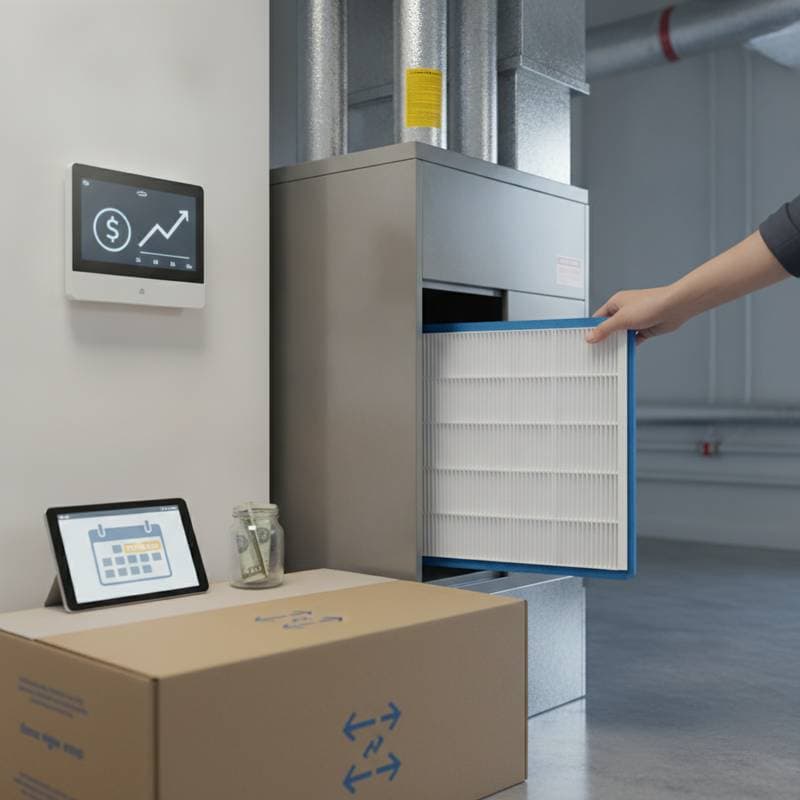
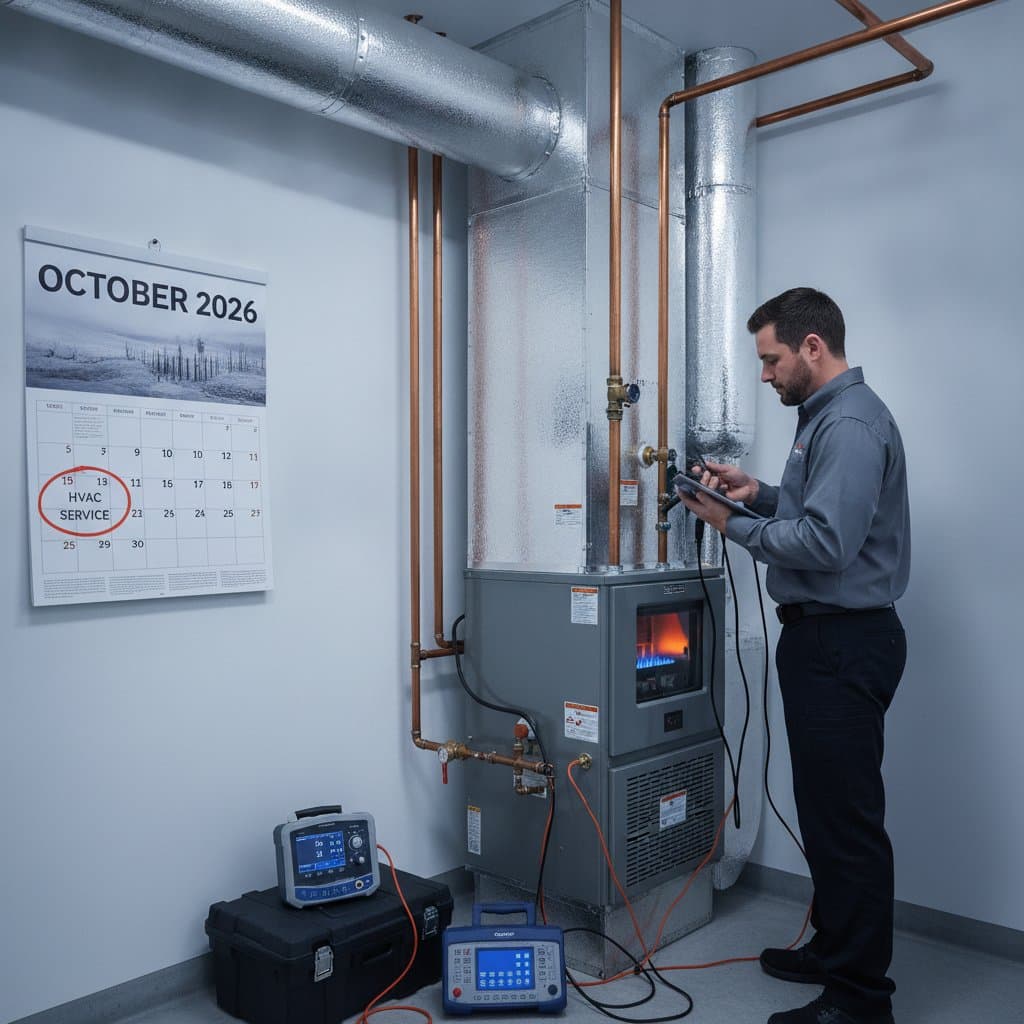
Technicians perform several core actions during each appointment. They inspect and clean burners, coils, and heat exchangers. They verify thermostat accuracy and adjust settings when required. Electrical connections receive tightening, and safety controls undergo testing. Air filters are replaced or cleaned, and moving parts receive lubrication. Airflow, temperature rise, and overall efficiency receive measurement.
Additional checks may cover ductwork, refrigerant levels, or carbon monoxide detection on gas units.
Elements That Influence Service Pricing
Multiple variables determine final cost. Larger homes or properties with several units require extra labor. Older equipment often needs added cleaning or component checks. High efficiency models may involve specialized procedures that extend visit length. Units located in attics or crawl spaces increase access time. Demand spikes in winter months can raise rates, which makes advance scheduling advantageous.
Available Service Categories
Preventive maintenance visits focus on routine efficiency checks and early issue detection. Full system inspections examine both heating and cooling functions once per year. Safety and performance testing includes gas pressure verification and carbon monoxide screening. Filter changes and duct cleaning represent optional steps that support air quality.
Indicators That Service Is Due
Certain symptoms signal the need for prompt attention. Energy costs may rise without increased usage. Temperatures can vary between rooms. Unusual sounds, smells, or weak airflow often appear. Systems may cycle more frequently than normal. Dust accumulation near vents provides another clue. More than twelve months without a tune up warrants action.
What Happens During an Appointment
The process follows a clear sequence. The technician first reviews system history and reported concerns. Cleaning removes dust and debris from critical parts. Each component receives inspection for wear or damage. Safety elements such as gas lines and electrical connections undergo verification. Final adjustments optimize airflow and temperature output. A summary of findings and any repair suggestions follows.
Most visits conclude within one to two hours.
Labor Rate Details
Labor accounts for the largest share of each bill. Companies generally charge 75 to 150 dollars per hour based on location and expertise. Preventive plans frequently lower these rates and include discounts on future repairs. Certified technicians protect equipment warranties through proper procedures.
Common Questions on HVAC Maintenance
How frequently is service required?
Heating systems benefit from annual attention. Cooling systems also require yearly checks. Combined units typically need one thorough inspection before winter.
Is self maintenance sufficient?
Homeowners can replace filters and clear exterior debris. Electrical or gas related tasks require licensed professionals to maintain safety and compliance.
Does regular care reduce expenses?
Consistent tune ups improve efficiency and cut energy use. They also lower the likelihood of major repairs and extend equipment life.
What risks arise from skipping service?
Deferred maintenance raises breakdown chances during cold weather. Performance declines and safety concerns can develop, particularly with gas systems.
How long do appointments last?
Duration depends on system size and condition. One to two hours is common, with extra time possible for discovered issues.
Should new furnaces still receive checks?
Annual inspections preserve warranty coverage and confirm correct operation from the start.
What is the optimal booking period?
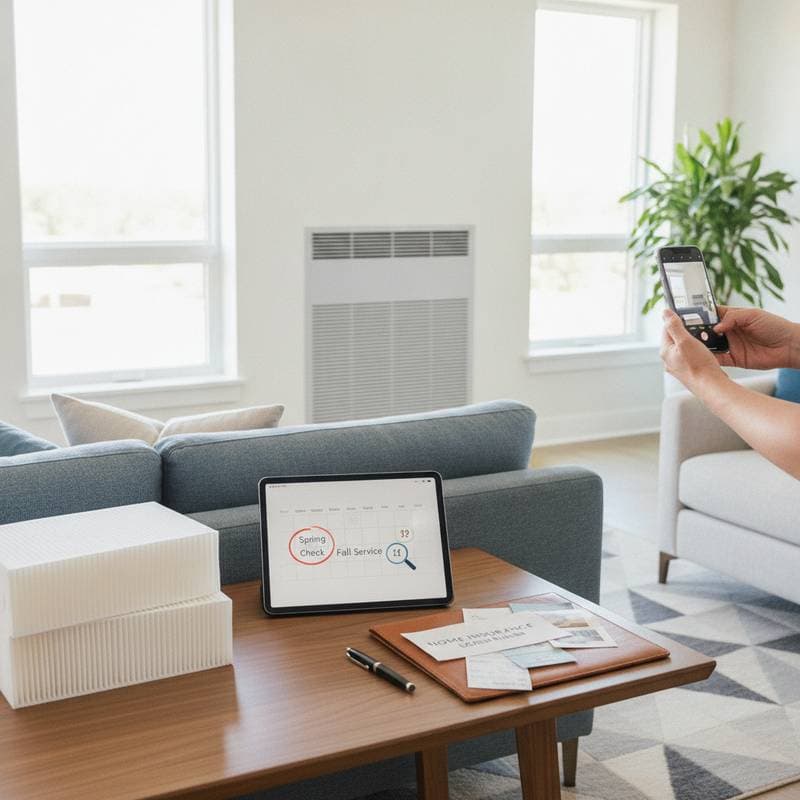
Late summer or early fall provides the best availability and pricing before demand increases.
Prepare for Reliable Winter Heating
Advance scheduling secures technician availability, controls costs, and supports consistent performance. Contact a qualified provider soon to confirm your appointment and review any specific system needs.