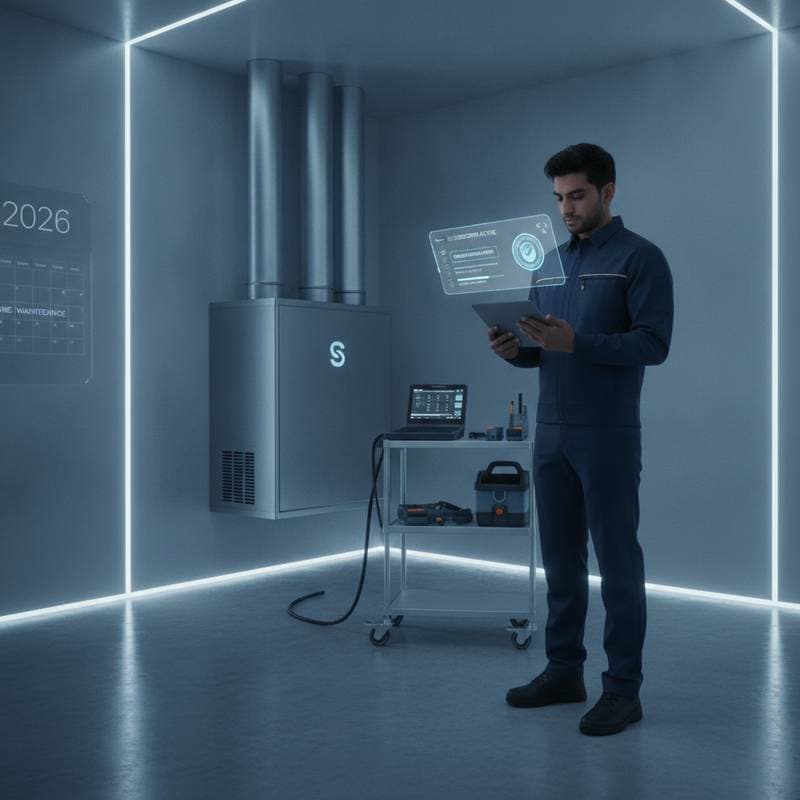
Why 2026 Is HVAC Subscriptions' Tipping Point
Are HVAC Subscriptions the Future of Home Comfort?
Homeowners are moving past traditional one time service calls for heating and cooling systems. HVAC subscription plans offer a reliable and budget friendly alternative to reactive maintenance. These plans bundle preventive tune ups, priority scheduling, and predictable costs. They change how property owners manage comfort systems. Industry experts forecast that 2026 will mark the tipping point for broad HVAC subscription adoption. Both homeowners and service providers are shifting toward models that stress convenience, reliability, and long term value.
This article explains why the shift is accelerating, what HVAC subscriptions include, how pricing typically works, and why the model benefits both sides of the service relationship.
Why 2026 Marks a Turning Point
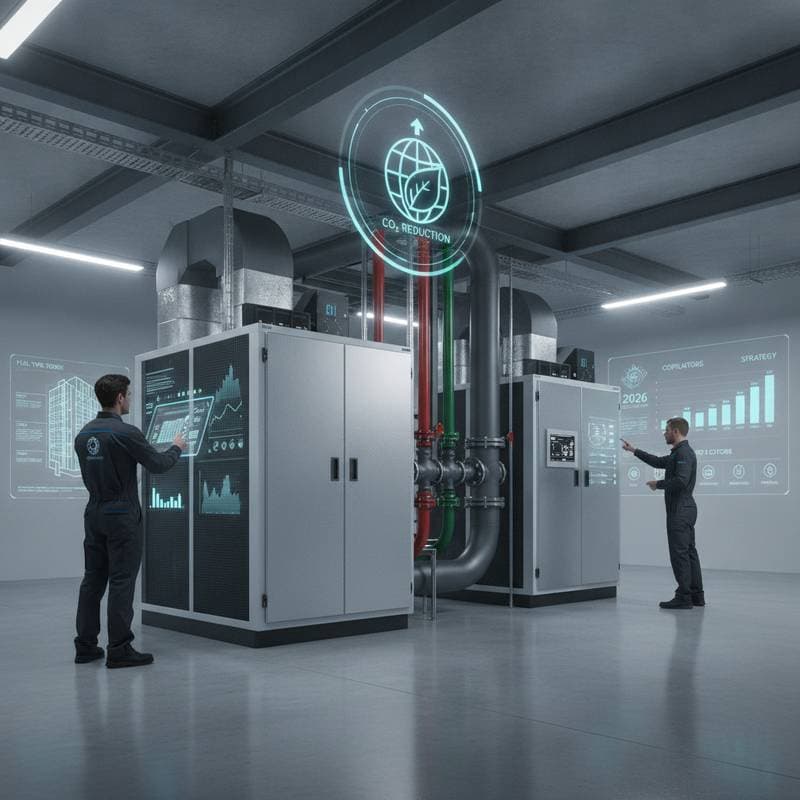
The HVAC industry is undergoing a major transformation. Subscription style maintenance programs are not new, yet several emerging factors are accelerating their popularity. By 2026, experts expect these drivers to converge and create a permanent shift from reactive to proactive HVAC care.
1. Rising Equipment Complexity
Modern HVAC systems include smart thermostats, variable speed compressors, and integrated air quality controls. These components require specialized knowledge to maintain and repair. Subscriptions ensure consistent professional oversight. Homeowners avoid costly performance issues as a result.
2. Increasing Maintenance Awareness
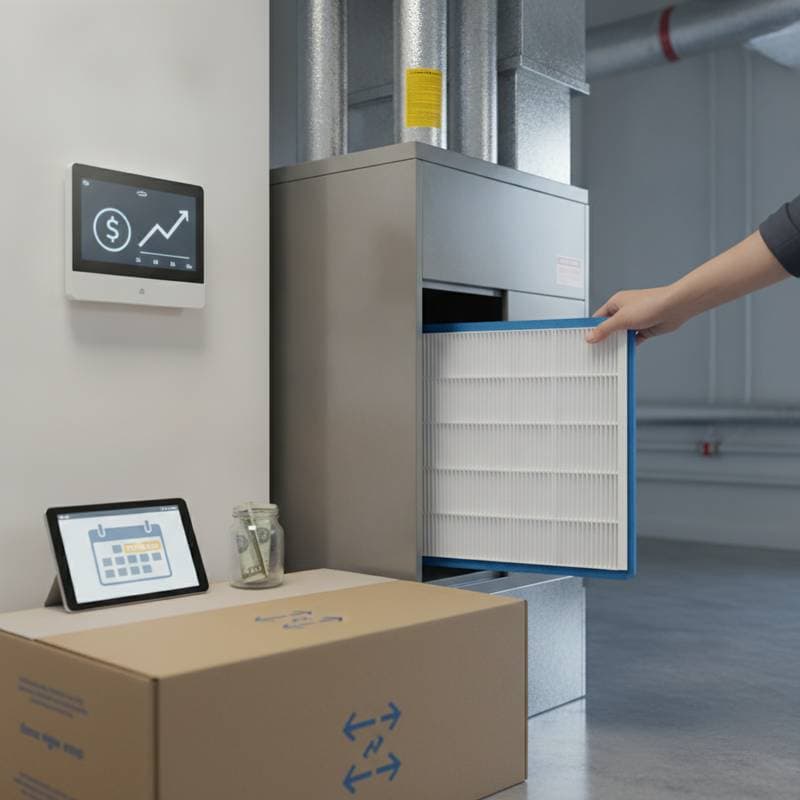
More homeowners now understand that preventive maintenance directly influences energy bills and equipment lifespan. Subscription programs simplify this responsibility by automating scheduling and reminders. No maintenance task is overlooked.
3. Predictable Budgeting
Unexpected repair costs can disrupt household budgets. Subscriptions replace those surprises with consistent monthly or annual payments. Financial planning becomes easier.
4. Service Companies Shifting to Recurring Revenue
HVAC businesses recognize the stability of subscription based income. This steady revenue stream allows companies to invest in better tools, training, and customer support.
5. Consumer Preference for Convenience
From streaming services to home security, customers are accustomed to subscription models. HVAC plans follow the same logic by offering continuous value and convenience without added stress.
What Services Are Typically Included
Subscription plans vary, yet most share core preventive maintenance services that improve performance and reliability. Common features include comprehensive system inspections to identify wear or safety concerns, cleaning of coils and blower components to maintain airflow efficiency, checking refrigerant levels for proper system operation, verifying thermostat accuracy and recalibration when needed, inspecting electrical connections and tightening loose components, and lubrication of moving parts to reduce friction and wear.
Higher tier subscriptions may include additional services such as duct cleaning, indoor air quality testing, or extended warranties on parts.
Why Homeowners Are Embracing HVAC Subscriptions
1. Reduced Risk of Breakdowns
Regular tune ups help technicians catch small issues before they turn into expensive repairs. This proactive approach can prevent system failures during extreme temperatures.
2. Extended Equipment Life
Well maintained systems last longer. Routine cleaning and part replacements reduce strain and wear. Homeowners avoid premature replacement.
3. Lower Energy Costs
Clean filters, balanced refrigerant levels, and tuned components all contribute to improved efficiency. Monthly utility bills decrease.
4. Convenience and Peace of Mind
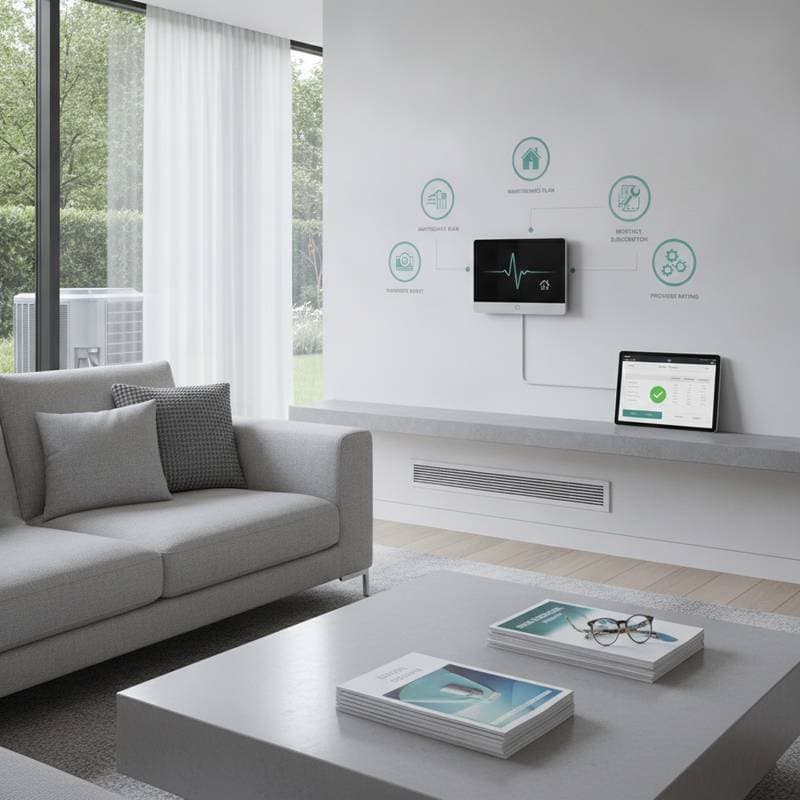
Automatic scheduling and reminders remove the burden of remembering maintenance dates. Many companies also provide digital service records for easy access.
5. Environmental Responsibility
Efficient systems consume less energy. This reduces the household carbon footprint. Subscriptions encourage consistent performance that aligns with sustainability goals.
How HVAC Companies Benefit from Subscription Models
The tipping point for HVAC subscriptions is not only about customer convenience. It also represents a strategic shift for service providers.
- Steady Revenue Stream: Predictable monthly income helps companies manage staff and inventory efficiently.
- Long Term Customer Relationships: Subscriptions encourage loyalty and repeat business.
- Improved Scheduling Efficiency: Regular maintenance visits reduce seasonal workload spikes.
- Better Inventory Planning: Consistent service allows companies to anticipate parts needs more accurately.
- Enhanced Customer Insights: Ongoing relationships provide valuable data about system performance and client preferences.
This combination of stability and customer satisfaction is influencing more HVAC businesses to adopt subscription based models.
Getting HVAC Subscription Quotes
When comparing HVAC maintenance plans, homeowners should gather quotes from multiple local providers. Pricing and inclusions can vary widely. Reviewing details is essential for making an informed decision.
Questions to Ask Potential Providers
- What specific services are included in each plan tier?
- How often are maintenance visits scheduled?
- Are emergency repairs or labor discounts included?
- Do you offer remote monitoring or smart system support?
- Is the plan transferable if I sell my home?
- How do you handle cancellations or renewals?
- Are parts and filters included or billed separately?
- Do you provide digital maintenance records?
- Is there a satisfaction or performance guarantee?
- Are technicians certified for my specific HVAC brand?
Taking time to compare features ensures the chosen plan fits both the system needs and the household budget.
Selecting the Right HVAC Subscription Plan
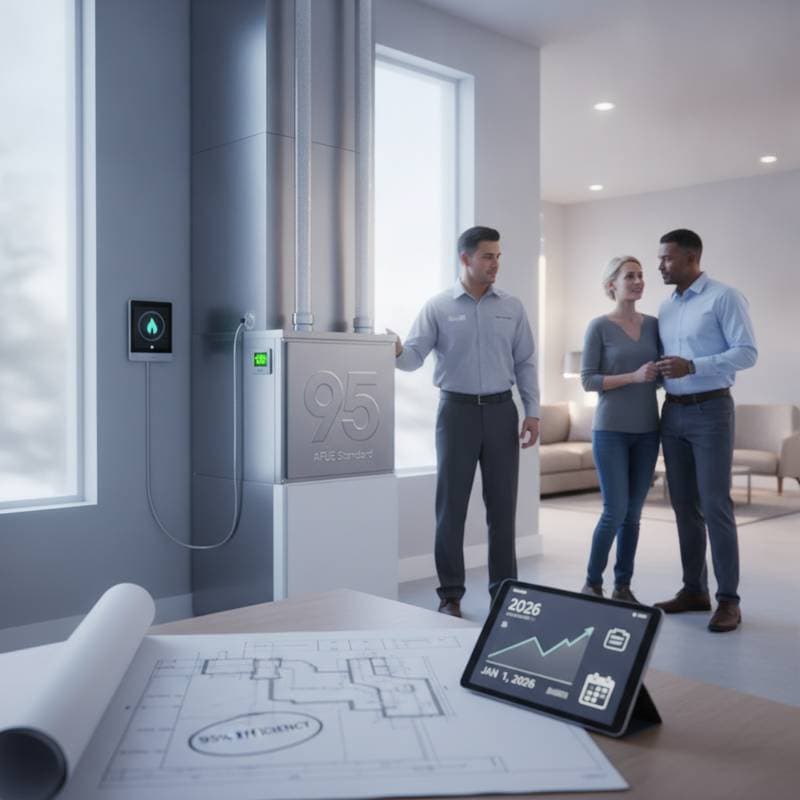
The rising adoption of HVAC subscription plans signals a broader change in how homeowners think about comfort, reliability, and financial predictability. By 2026 these programs are expected to dominate the residential service landscape. They offer benefits that align with modern expectations for convenience and long term value.