Spring HVAC Prep: 7 Tasks to Beat Summer Heat Issues
When warmer weather arrives, your HVAC system becomes the heart of home comfort. The last thing you want is a breakdown during a sweltering afternoon. Preparing your system early helps prevent costly repairs, improves efficiency, and keeps the indoor air clean.
Why Spring HVAC Prep Matters
Your HVAC system works hard all year. The transition from heating to cooling season puts extra strain on its components. Dust, debris, and worn parts can limit performance and raise energy bills. A little maintenance now can save you from unexpected discomfort later.
7 Essential HVAC Tasks for Spring
1. Replace or Clean Air Filters
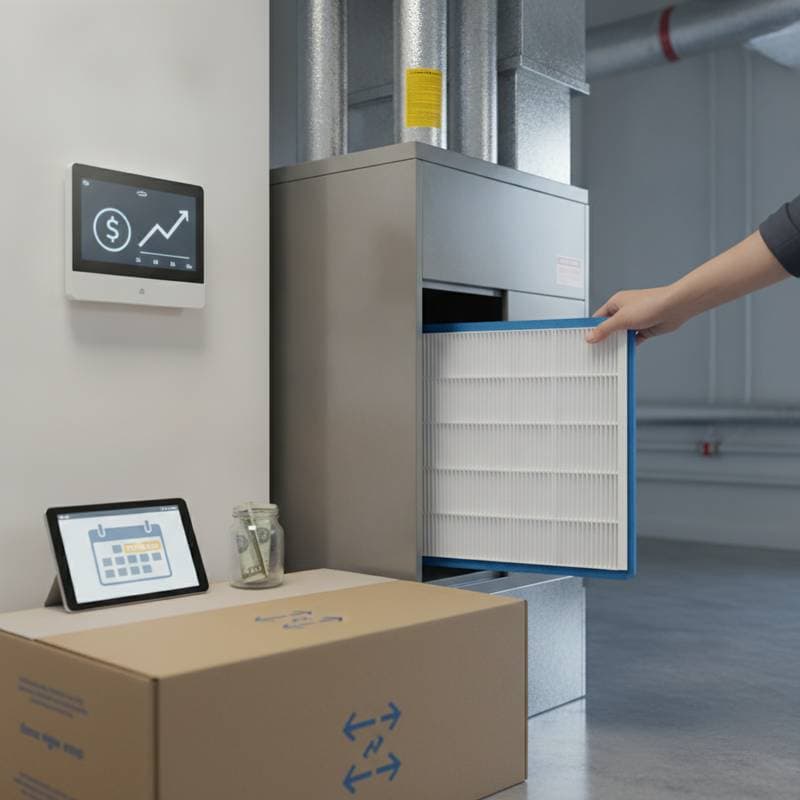
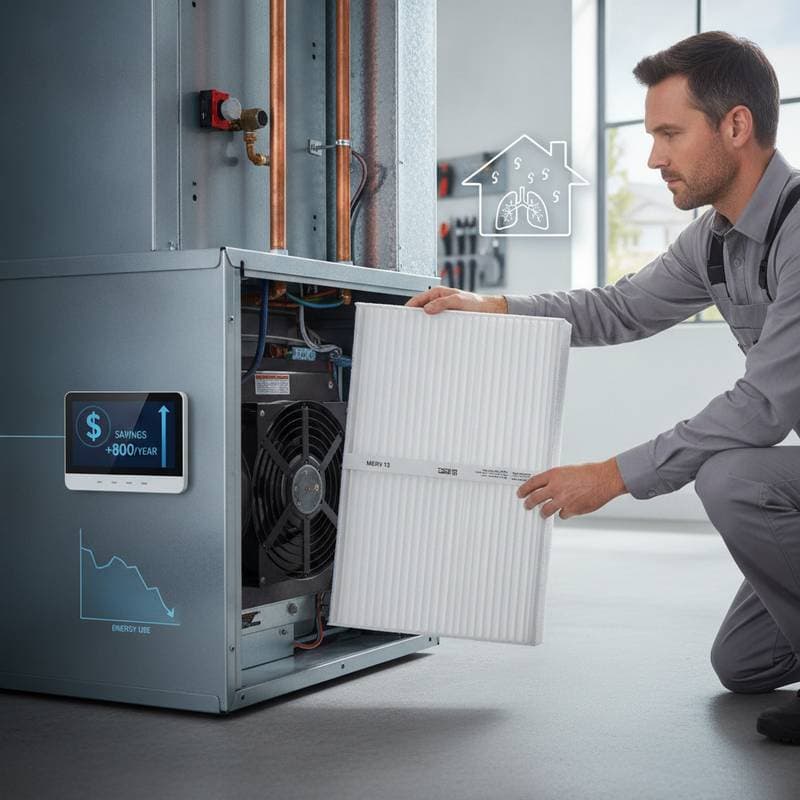
Dirty filters restrict airflow and make your system work harder. This can lead to higher energy use and uneven cooling. Replace disposable filters or clean reusable ones every one to three months. During spring, it is smart to start fresh with a clean filter before heavy summer use begins.
2. Clear Debris Around the Outdoor Unit
Leaves, grass clippings, and dirt often collect around the condenser unit outside your home. Gently remove this debris and trim back vegetation at least two feet around the unit. Good airflow helps your system release heat efficiently, improving performance and extending its lifespan.
3. Inspect Air Vents and Registers
Walk through your home and make sure vents are open and unobstructed by furniture or curtains. Closed or blocked vents can throw off your system balance, leading to uneven temperatures and added stress on the HVAC equipment.
4. Check the Thermostat
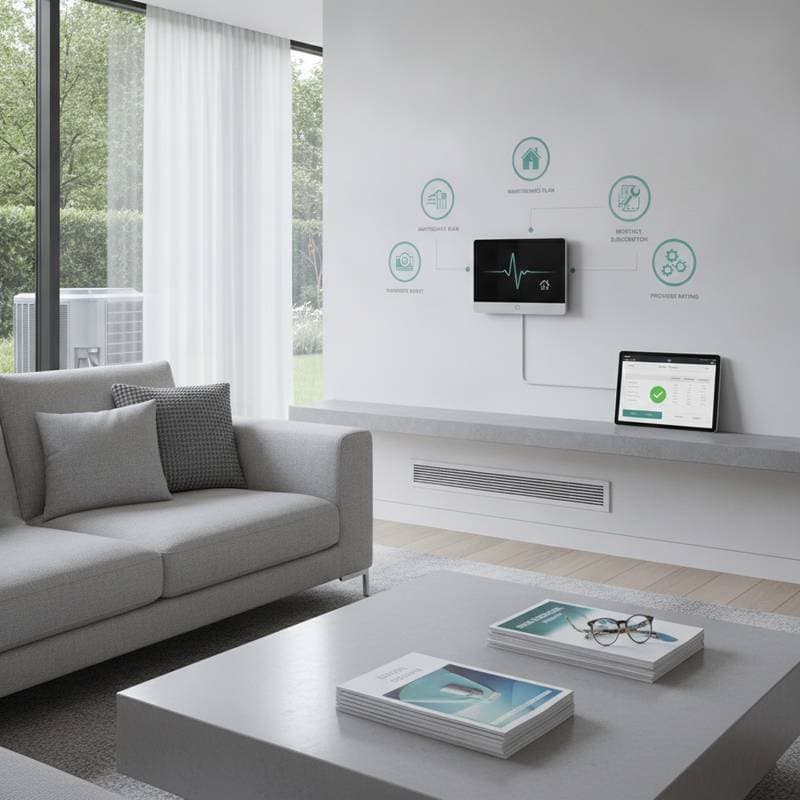
Test your thermostat to confirm it responds correctly and accurately reflects the room temperature. If you still use a manual thermostat, consider upgrading to a programmable or smart model. These devices automatically adjust temperatures to save energy when you are away or sleeping.
5. Clean the Condensate Drain Line
Your air conditioner removes humidity from indoor air, and that moisture drains through a small pipe. Over time, algae and debris can clog this line, causing water leaks or system shutdowns. You can gently flush it with a mix of water and mild vinegar. If you notice standing water or recurring clogs, call a technician to inspect it.
6. Test System Performance
Turn on your cooling system for a short test run. Listen for unusual noises and check if the air feels cool within a few minutes. If the system struggles to maintain temperature or makes strange sounds, schedule a professional inspection before heavy use begins.
7. Schedule a Professional Tune-Up
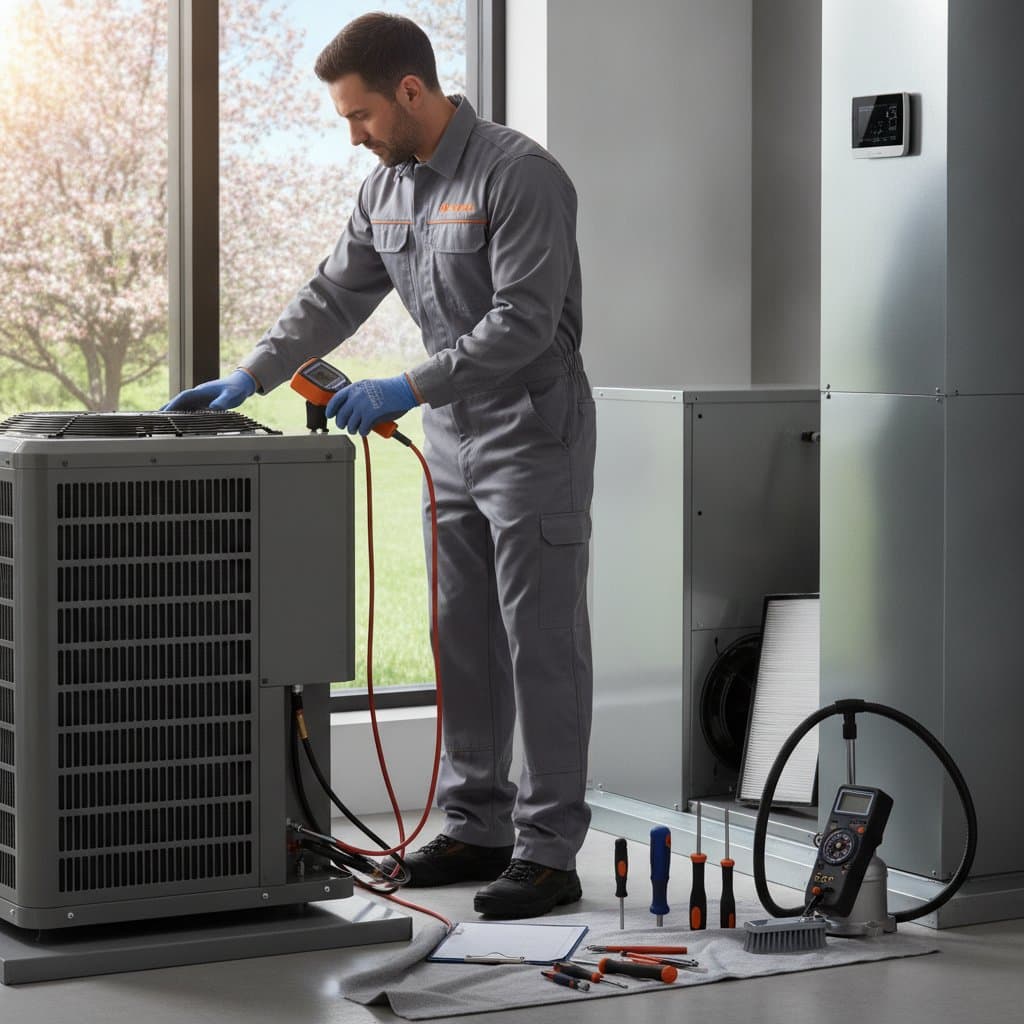
Even if your system seems fine, a professional maintenance visit is the best way to catch hidden issues. A technician will check refrigerant levels, clean components, tighten electrical connections, and ensure safe operation. This small investment can reduce breakdowns and keep your cooling system efficient all season long.
DIY Checks vs. Professional Maintenance
Homeowners can handle basic cleaning and filter changes. Anything involving electrical parts, refrigerants, or internal components should always be left to a qualified HVAC technician. Attempting complex repairs without proper tools or training can be unsafe and may void your warranty.
Frequently Asked Questions
How often should I schedule HVAC maintenance?
It is best to schedule professional maintenance twice a year, once for heating and once for cooling. Spring is the perfect time to prepare your air conditioner for the upcoming season.
Can I use the same air filter year-round?
You can if it is a reusable filter, but it must be cleaned regularly. Disposable filters should be replaced every few months to maintain good airflow and indoor air quality.
Why is my air conditioner blowing warm air?
This could be from a dirty filter, low refrigerant, or a malfunctioning compressor. Try replacing the filter first. If the issue continues, contact a professional for a full inspection.
What temperature should I set my thermostat for energy savings?
A setting around the mid to upper 70s while you are home and higher when you are away often balances comfort and efficiency. Smart thermostats can help automate these adjustments.
Prepare Now for Summer Comfort
Spring HVAC maintenance is the simplest way to ensure reliable comfort all summer. By replacing filters, clearing debris, and scheduling a tune-up, you help your system work efficiently and avoid costly repairs.