UV-C Light Destroys Airborne Pathogens That Filters Miss
Indoor air quality remains a priority for homeowners seeking cleaner environments. UV-C purification offers a strong HVAC upgrade. This technology employs ultraviolet light to neutralize bacteria, viruses, and mold. Families benefit from easier breathing as a result.
Understanding UV-C Purification
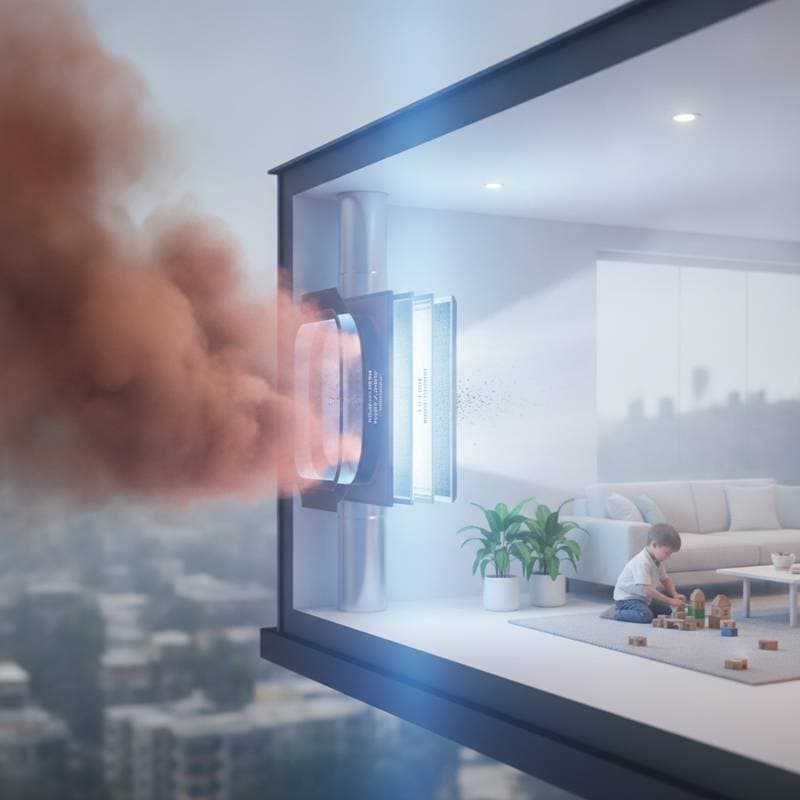
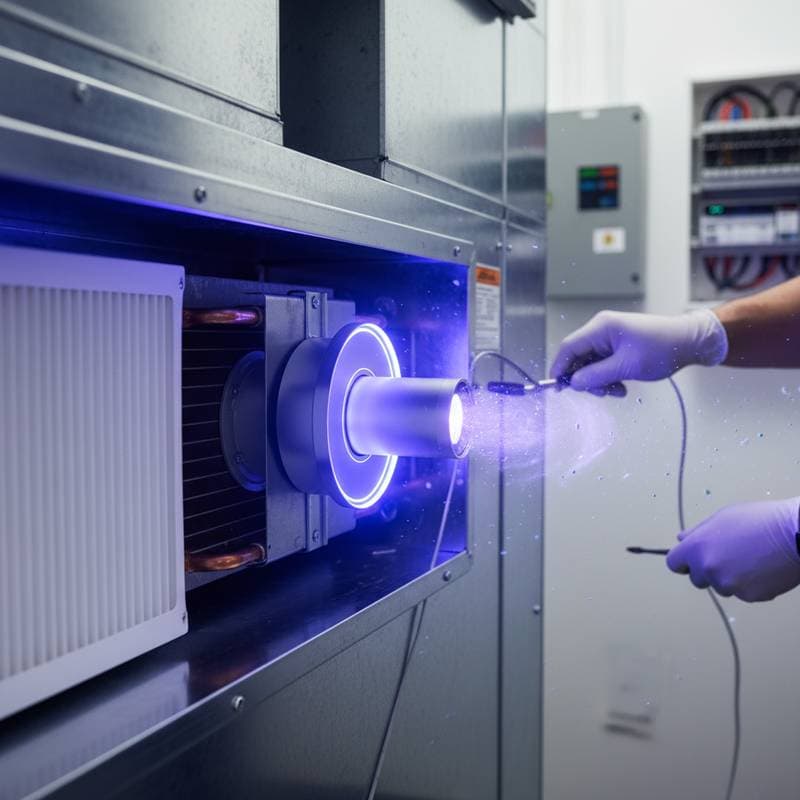
UV-C purification applies ultraviolet light in the C spectrum. It deactivates microorganisms such as bacteria, viruses, and mold spores. Lamps installed inside the HVAC system emit UV-C light. This light disrupts the DNA of particles in circulating air. The particles lose their ability to reproduce and spread.
Standard filters trap particles. UV-C systems destroy contaminants at the molecular level instead. This approach complements existing filters effectively. It targets allergens, odors, and pathogens that filters often overlook.
Indicators That Point to UV-C Needs
Homeowners should watch for specific problems. Persistent odors from pets, cooking, or chemicals signal an issue. Increased allergy or asthma symptoms indoors also suggest a need. Visible mold near vents or ducts requires attention. Frequent illnesses or respiratory irritation point to poor air quality. Dust accumulation despite regular cleaning indicates incomplete filtration.
These symptoms show that the HVAC system circulates contaminants beyond the reach of traditional filters.
Advantages of UV-C in HVAC Systems
- Healthier indoor air results when UV-C light neutralizes bacteria and viruses. This step reduces illness transmission.
- Odor control improves through the elimination of smells from microbial growth.
- HVAC efficiency rises with cleaner coils and ducts. Better airflow leads to reduced energy consumption.
- Maintenance decreases because organic buildup inside the system is minimized. Component life extends as a result.
- Allergy relief occurs with fewer airborne irritants. Symptoms such as sneezing and coughing diminish.
Professional Installation Compared to DIY Methods
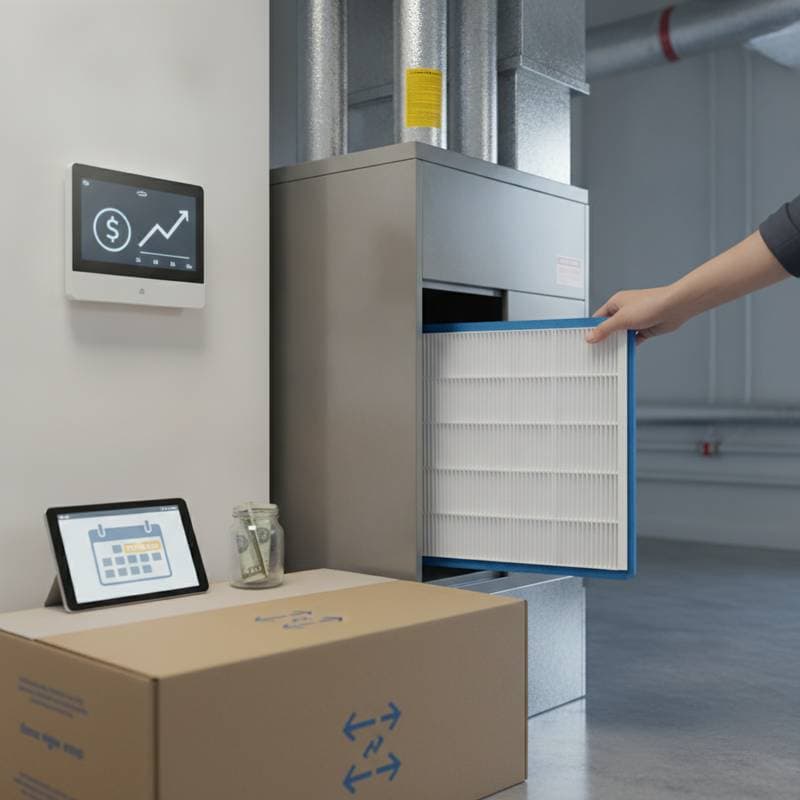
Filter changes and vent cleaning represent common DIY tasks. UV-C purification demands professional installation. Lamps require precise positioning in the air handler or ductwork. Incorrect placement reduces effectiveness and introduces safety concerns.
Steps in the UV-C Installation Process
- A technician evaluates the HVAC system. This inspection identifies optimal lamp placement.
- Lamps are mounted inside the air handler or near the evaporator coil.
- Operation is tested to confirm performance and safe light containment.
- A maintenance plan is provided. It outlines bulb replacement schedules and inspection timing.
Answers to Common Questions
Replacement Frequency for UV-C Bulbs
Most UV-C bulbs operate for about one year. Usage patterns influence this duration. Technicians assess output during annual visits and handle replacements.
Particle Removal Capabilities
UV-C light eliminates microorganisms. It does not capture particles such as dust or pollen. Pairing it with a quality air filter achieves thorough cleaning.
Safety Considerations for Home Use
Professional installation ensures safety. The light remains contained within the HVAC unit. It does not enter living areas.
Impact on Energy Costs
UV-C systems consume minimal electricity. They enhance efficiency by maintaining clean coils and ducts. Energy bills do not increase.
Adding UV-C Purification to Your System
Homeowners gain healthier air through this upgrade. The system operates more cleanly. Airborne germs are controlled effectively. The home environment stays fresher overall. Professional installation removes concerns about the process.