Why UV-C Technology Will Lead Allergen Control by 2026
Indoor air quality ranks among the top priorities for homeowners seeking a healthier living space. Allergies impact millions of families, driving demand for reliable purification solutions. UV-C air purification stands out as a powerful option for tackling allergens that standard methods overlook. This guide explains how UV-C functions, its advantages over traditional filters, and practical steps to implement it in your home.
Understanding UV-C Air Purification
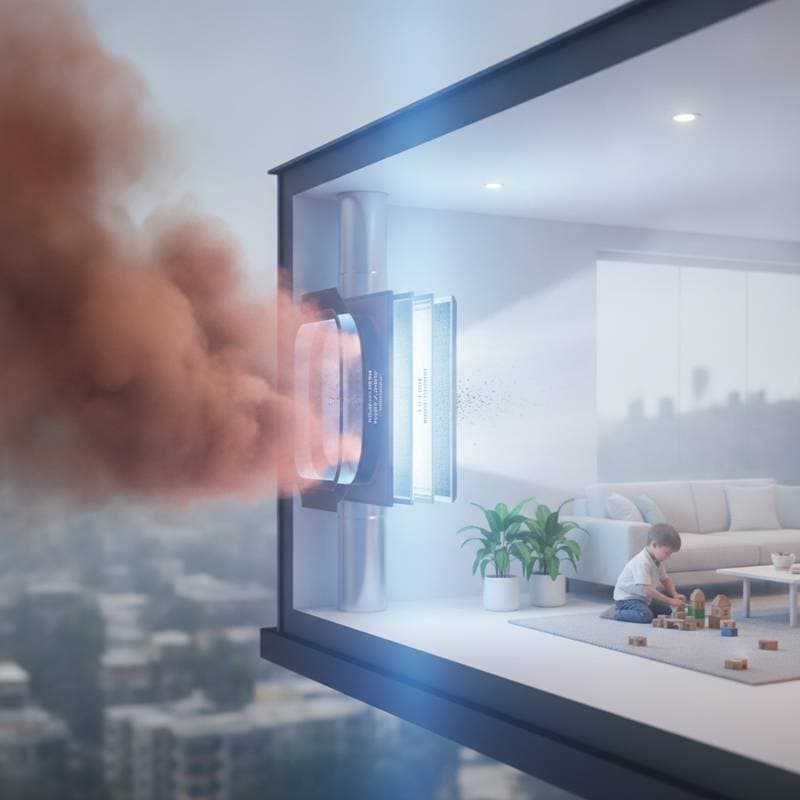
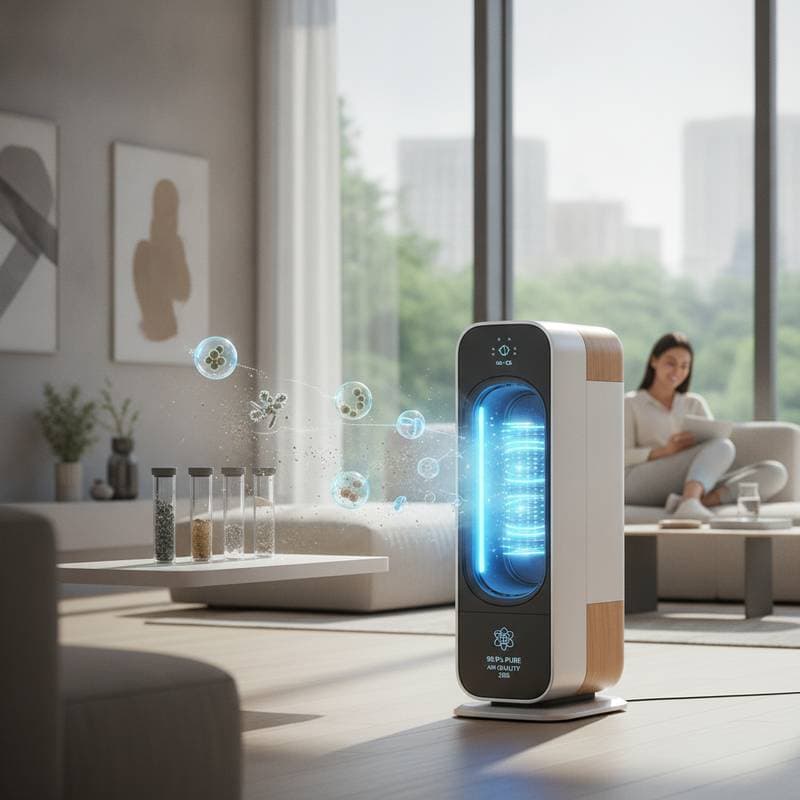
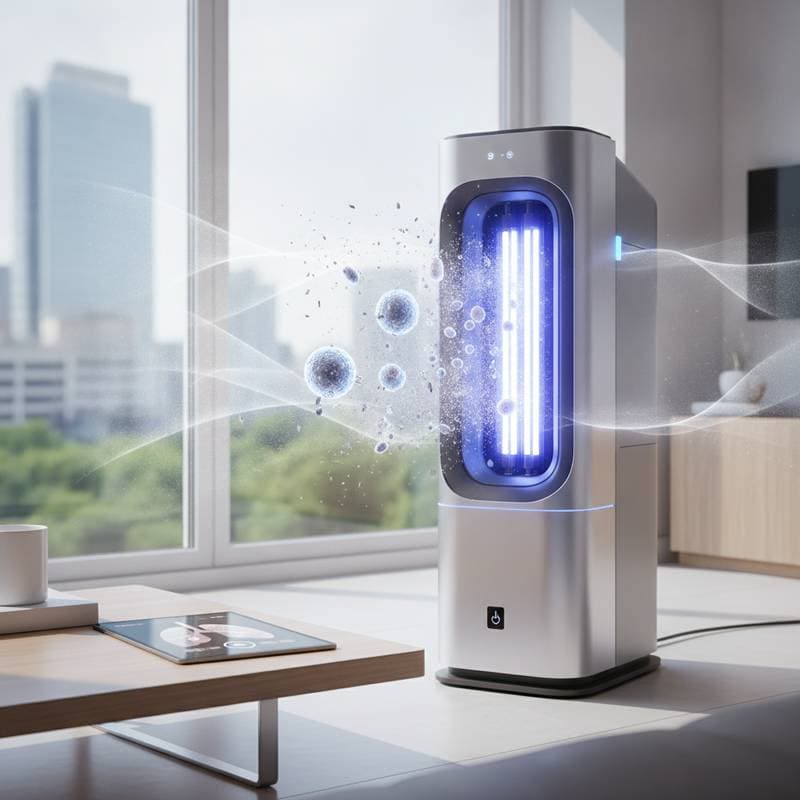
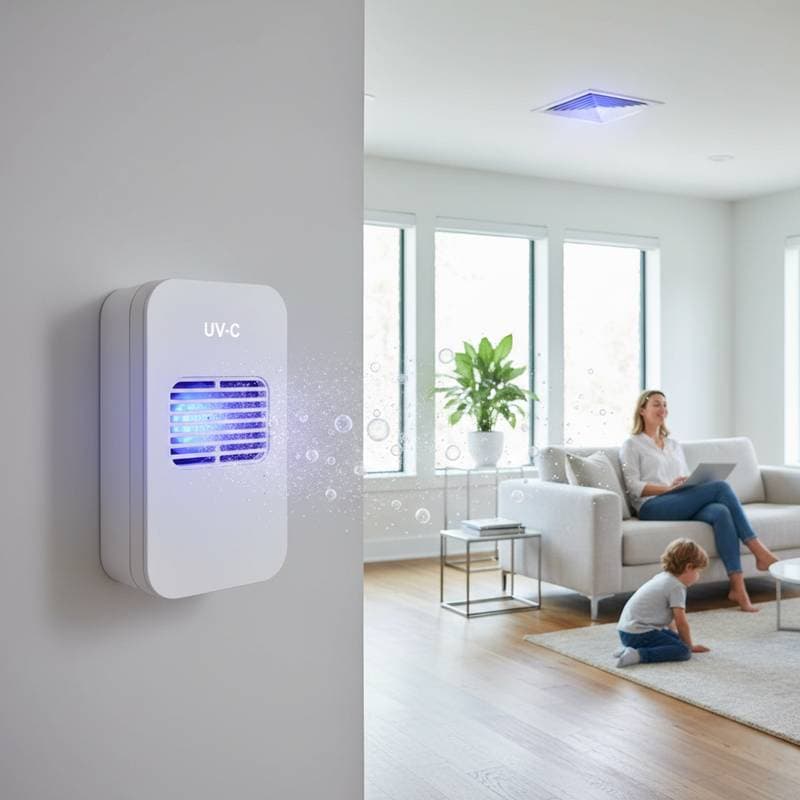
UV-C refers to ultraviolet-C light, a short-wavelength form of ultraviolet radiation with strong germicidal effects. It damages the genetic material in bacteria, viruses, and mold, halting their ability to multiply. In HVAC systems or dedicated purifiers, UV-C exposes circulating air to this light, destroying contaminants at a molecular level.
Standard filters capture particles but leave biological threats intact. UV-C neutralizes them, transforming allergens such as mold spores, dust mite remnants, and pollen into harmless byproducts. Homeowners benefit from reduced irritation and improved respiratory health without the limitations of filtration alone.
Advantages of UV-C for Allergen Management
HEPA filters excel at trapping particles larger than 0.3 microns, yet they fail to eliminate live microbes that cause allergies. UV-C complements this by eradicating biological pollutants, creating a comprehensive defense. This combination extends filter life and enhances overall air cleanliness.
Key benefits include:
- Demonstrated efficacy in destroying bacteria, mold, and viruses through rigorous testing.
- Minimal upkeep after HVAC integration, with bulbs lasting up to two years.
- Quiet performance, as it relies on light rather than mechanical components.
- Easy pairing with existing filters for amplified results.
- Elimination of odor sources, resulting in noticeably fresher indoor environments.
By 2026, experts predict UV-C adoption will surge, making it a staple in residential air systems.
Targeting Prevalent Indoor Allergens with UV-C
Allergens infiltrate homes from multiple avenues, complicating control efforts. UV-C targets the microbial elements that exacerbate reactions, offering targeted relief.
- Mold spores: The light inhibits growth, curbing dispersal in humid ducts.
- Dust mites: It degrades the organic debris that sustains mite populations.
- Pet dander: UV-C inactivates attached bacteria, lessening dander's potency.
- Pollen fragments: Continuous exposure reduces the viability of outdoor intruders.
Families dealing with persistent allergies often report symptom relief after UV-C installation, particularly during high-pollen seasons.
Integrating UV-C into HVAC Systems
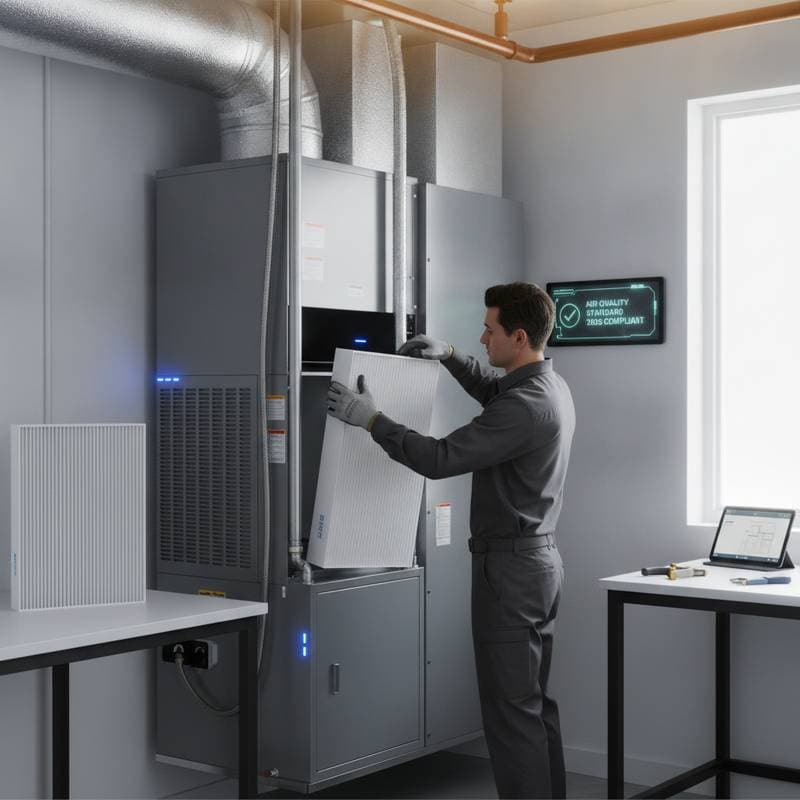
Professionals typically position UV-C lamps near the evaporator coil or in the return duct, where moisture fosters microbial growth. This setup maximizes exposure without obstructing airflow.
The operation follows a straightforward sequence:
- Air draws into the system via return vents.
- UV-C lamps illuminate as air flows past.
- Pathogens encounter the light and become inactivated.
- Treated air disperses through supply ducts to living areas.
This ongoing process disinfects air each time the HVAC cycles, maintaining consistent quality.
Weighing DIY Installation Against Professional Service
UV-C systems involve electrical wiring and precise alignment, so mishandling risks inefficiency or hazards. Homeowners should assess their skills before proceeding.
Safe self-managed tasks encompass:
- Selecting models suited to your HVAC specifications.
- Swapping bulbs per guidelines, typically annually or biennially.
- Cleaning surrounding filters to optimize circulation.
Opt for expert assistance in these scenarios:
- Full setup or HVAC modifications.
- Electrical checks for compliance and safety.
- Calibration of lamp positioning for peak output.
A certified technician ensures optimal performance and warranty validity, safeguarding your investment.
Evaluating Costs for UV-C Air Purification
Expenses for UV-C systems fluctuate based on scope and features. Budget-conscious choices start with basic units, while comprehensive setups command higher prices.
Influencing elements include:
- Coverage area: Whole-house integration costs more than room-specific devices.
- Bulb durability: Premium options endure longer, cutting replacement needs.
- Labor demands: Retrofitting older HVACs may involve extra modifications.
- Ongoing care: Factor in bulb swaps and inspections every 12 to 24 months.
Initial outlays range from $300 for portables to $1,500 or more for full installations. Consult local providers for quotes tailored to your home's layout.
Frequently Asked Questions
Does UV-C light remove allergens completely?
UV-C sterilizes microbes rather than filtering particles outright. Pair it with HEPA for removal of dust and pollen, achieving thorough allergen mitigation.
Is UV-C safe for my home?
Yes, when installed correctly, UV-C operates within sealed HVAC components, preventing direct exposure. It poses no risk to occupants, pets, or furnishings, and meets safety standards from organizations like the EPA.
How often should UV-C bulbs be replaced?
Replace bulbs every 9,000 to 12,000 hours of use, roughly one to two years depending on system runtime. Signs of dimming output, like persistent odors, signal the need for change.
Can UV-C air purification help with odors?
Absolutely, by neutralizing the bacteria and mold that produce smells. Users notice reduced mustiness in ducts and fresher air overall.
Do I need a filter if I have UV-C?
Filters remain essential for capturing larger particles that UV-C cannot address. The synergy of both technologies provides the broadest protection against allergens.
Steps to Achieve Superior Indoor Air Quality
Start by evaluating your current HVAC setup and allergy challenges. Contact a qualified technician to assess UV-C compatibility and obtain a customized proposal. With proper installation, experience sustained reductions in allergens and enhanced well-being for your household.