Prevent Costly Mold Damage Through Effective Humidity Management
Controlling indoor humidity stands as a proactive strategy to avert expensive mold issues in residential spaces. Mold flourishes in moist environments, and elevated humidity levels create ideal conditions for its proliferation. Maintaining appropriate relative humidity safeguards against substantial repair expenses, enhances air quality, and promotes overall comfort. This overview details the mechanics of humidity regulation, available solutions, and the benefits of integrating a whole-home dehumidifier to secure both property and well-being.
| Item | Key Data |
|---|---|
| Ideal Indoor Humidity | 30% to 50% |
| Mold Growth Threshold | Above 60% humidity |
| Average Mold Remediation Cost | $1,500 - $7,000 |
| Whole-Home Dehumidifier Cost | $1,200 - $2,800 (installed) |
| Typical Energy Savings | Up to 10% on cooling bills |
Understanding Mold Remediation Expenses Versus Humidity Control Investments
Mold removal ranks among the priciest residential maintenance tasks. Expenses vary based on the extent of infestation, affected materials, and necessity for structural interventions.
A minor drywall spot may require only a few hundred dollars for remediation, yet widespread growth in crawl spaces or heating, ventilation, and air conditioning (HVAC) components frequently surpasses several thousand dollars. Severe scenarios might necessitate complete replacement of flooring, insulation, or wall framing, escalating costs further.
In contrast, humidity management solutions prove far more economical. Portable dehumidifiers typically range from $150 to $400, whereas whole-home units linked to HVAC systems cost $1,200 to $2,800 with installation. Given that remediation often multiplies these figures several times over, proactive humidity control emerges as a prudent financial choice.
Factors Influencing Indoor Humidity and Mold Vulnerability
Multiple elements determine a home's humidity retention and susceptibility to mold. Identifying these enables precise interventions.
Air Circulation Within Living Spaces
Inadequate ventilation confines humid air indoors. Areas such as bathrooms, kitchens, and basements face heightened risks due to restricted airflow and routine water exposure. Activate exhaust fans during bathing or meal preparation, and verify that the HVAC system distributes air uniformly to yield significant improvements.
Regional Climate Conditions
Residences in moisture-rich regions or proximate to water sources inevitably draw in excess atmospheric moisture. Air conditioning alone may fail to sufficiently lower indoor levels in these settings. A whole-home dehumidifier addresses this by steadily removing surplus moisture, thereby sustaining equilibrium between livability and defense.
Building Materials and Insulation Quality
Aging structures with suboptimal insulation or unsealed entry points permit humid external air to infiltrate readily. Conversely, energy-efficient contemporary designs can encapsulate moisture absent adequate mechanical airflow. Remedying insulation deficiencies and incorporating suitable ventilation systems maintains humidity within optimal bounds.
HVAC System Efficiency
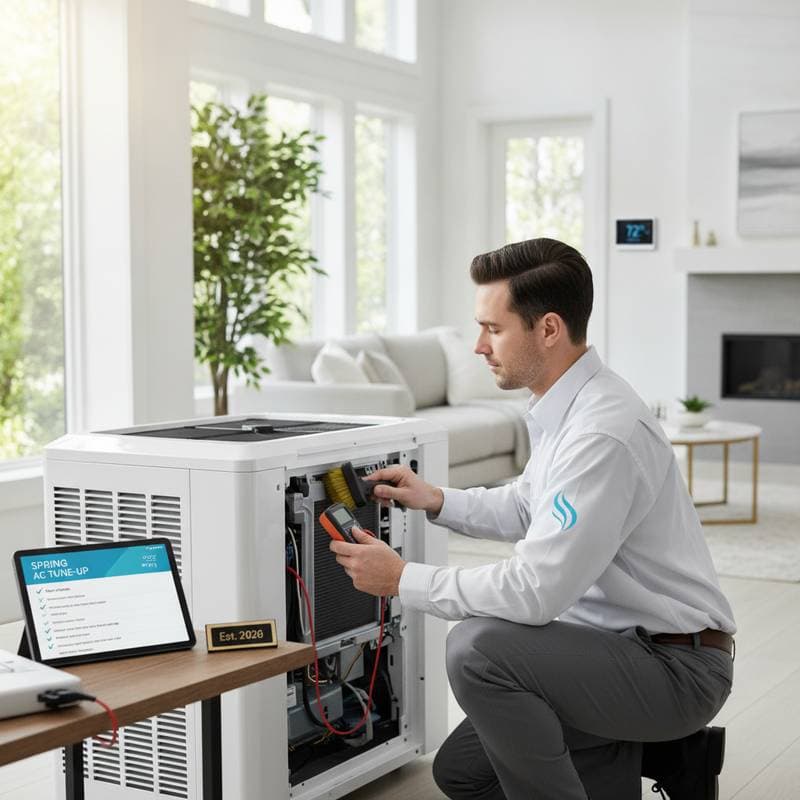
The HVAC unit significantly impacts humidity regulation. An excessively large air conditioner cools rapidly yet extracts minimal moisture, whereas an undersized model labors to achieve desired temperatures. Schedule routine servicing, ensure proper unit sizing, and consider dehumidifier add-ons to achieve stable humidity.
Everyday Household Practices
Routine activities subtly elevate indoor moisture more than anticipated. Indoor clothes drying, prolonged unvented showers, or excessive plant watering contribute to this. Implement adjustments like covering pots during cooking and directing dryer exhaust outdoors to preserve humidity balance.
Humidity Management Options for Mold Mitigation
Various systems address residential humidity. Selection depends on financial constraints, local weather, and current HVAC configuration.
Portable Dehumidification Units
These standalone devices suit targeted humidity reduction in individual rooms.
Advantages:
- Cost-effective and simple to deploy
- Suitable for basements or compact zones
Disadvantages:
- Restricted to localized areas
- Demand regular draining and upkeep
Integrated Whole-Home Dehumidifiers
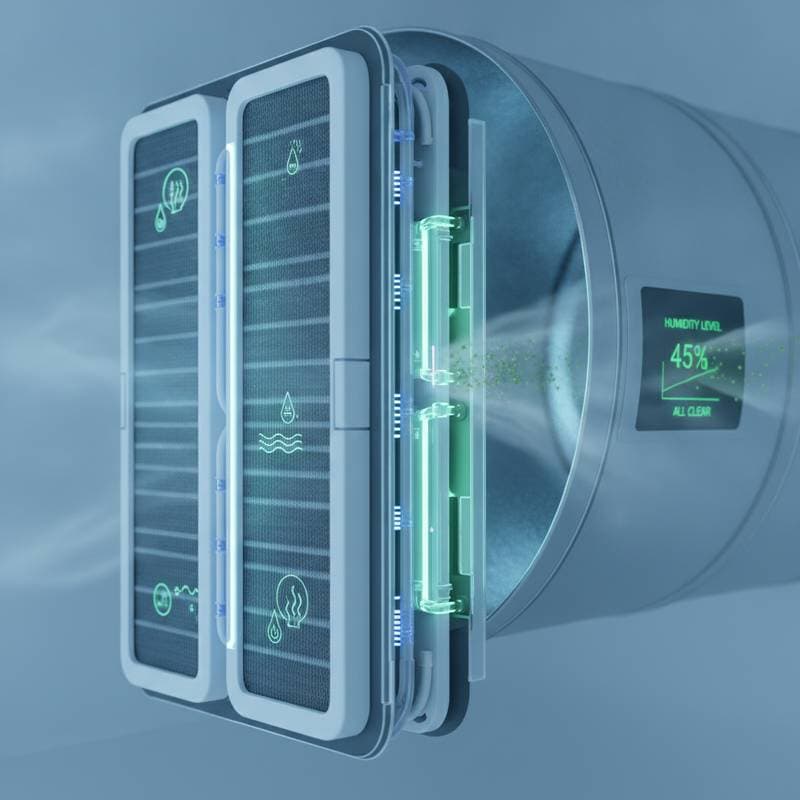
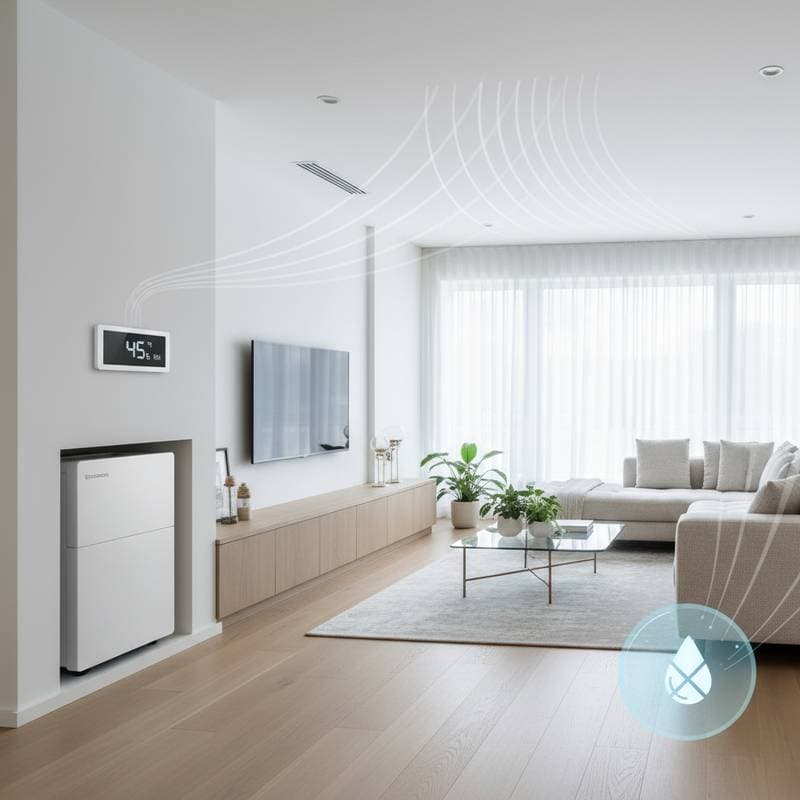
Such systems interface with HVAC infrastructure or ducting to process air across the entire residence.
Advantages:
- Uniform humidity regulation property-wide
- Automated drainage eliminates manual intervention
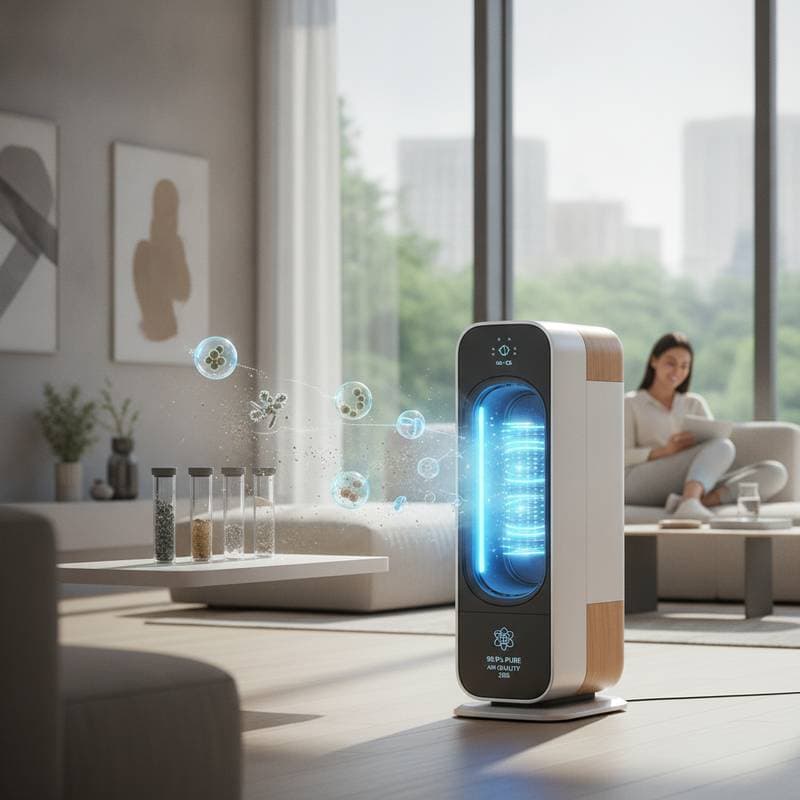
- Enhanced air purity and allergen reduction
Disadvantages:
- Elevated initial expense
- Necessitates expert setup
Mechanical Ventilation Approaches
These setups introduce fresh exterior air while expelling interior humid air.
Advantages:
- Promotes comprehensive air renewal
- Lowers humidity without excessive cooling
Disadvantages:
- Limited efficacy in profoundly humid locales
- Challenging retrofits in legacy buildings
Advanced Air Conditioning with Intelligent Regulation
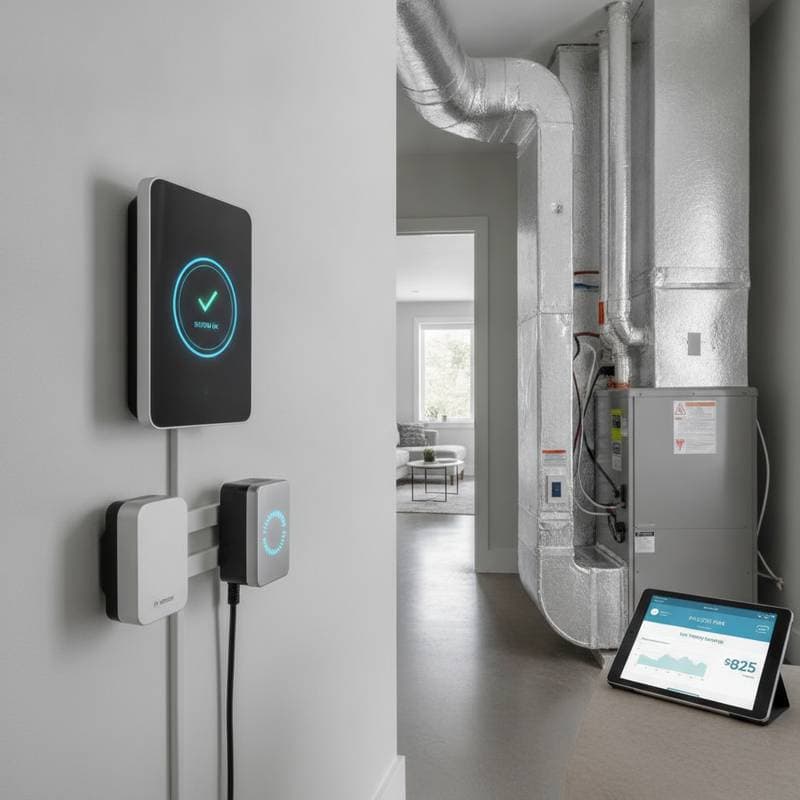
Contemporary cooling units paired with smart thermostats incorporate humidity monitoring. They adjust operations dynamically to optimize conditions.
Advantages:
- Hands-free functionality
- Superior energy utilization
Disadvantages:
- Performance hinges on accurate sizing and ongoing care
Indicators of Excessive Humidity Requiring Intervention
Prompt recognition of moisture imbalances prevents major expenditures. Monitor for these common signals throughout the property:
- Moisture buildup on glass surfaces, reflective panels, or plumbing
- Persistent earthy smells in lower levels or storage areas
- Apparent mold formations on vertical surfaces, overheads, or furnishings
- Deteriorating paint layers or lifting wall coverings
- Distorted timber flooring or storage units
- Heightened allergic reactions or breathing difficulties among residents
Multiple indicators suggest humidity exceeds safe thresholds; engage a specialist for assessment.
Steps in Whole-Home Dehumidifier Deployment
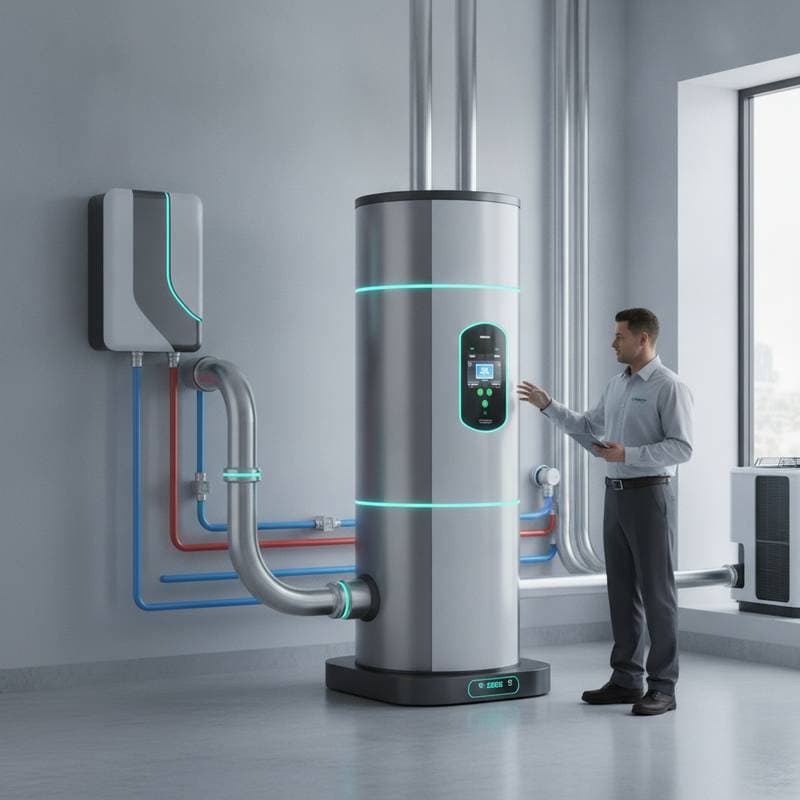
A certified HVAC professional streamlines the integration of a whole-home dehumidifier. The procedure unfolds as follows:
-
Initial Evaluation and Capacity Determination
Inspect the property, gauge air movement, and calculate unit size according to area and moisture demands. -
Equipment Choice
Select a compatible model aligned with HVAC compatibility, efficiency objectives, and fiscal limits. Review options like sensor integration and drainage automation. -
HVAC System Linkage
Attach the unit to prevailing ducts or air return sections to condition circulating air. -
Moisture Removal Pathway Installation
Route a drain line to a suitable sump or pump, bypassing manual water handling. -
Power and Control Connections
Integrate wiring with HVAC controls and temperature regulators. Advanced units support smart platform compatibility. -
Operational Verification and Adjustment
Test functionality to confirm target humidity achievement and seamless HVAC synergy. -
Owner Orientation
Learn protocols for humidity adjustments, filter maintenance, and sustained operation.
Completion generally spans several hours with limited household interruption.
Associated Labor Expenses for Installation
Professional fees for whole-home dehumidifier setup range from $400 to $800, influenced by system intricacy and site access. Additional ductwork or wiring enhancements may increase totals.
Engaging a credentialed technician guarantees secure and precise execution. Faulty placement risks drainage failures, power risks, or diminished performance. Expert involvement upholds warranties and optimizes humidity outcomes.
Common Inquiries on Humidity Regulation and Mold Avoidance
How Does Elevated Humidity Promote Mold Development?
Mold spores exist ubiquitously, yet require moisture to activate. Surpassing 60 percent humidity enables absorbent materials like plasterboard, lumber, and textiles to retain water, fostering mold expansion.
What Constitutes Optimal Humidity for Mold Prevention?
Target 30 to 50 percent indoor humidity. This level inhibits mold while ensuring resident comfort and avoiding over-dryness.
Is Air Conditioning Sufficient for Humidity Management?
Cooling units extract moisture incidentally, but lack precision for consistent control. In moisture-heavy areas or expansive homes, combining with a specialized dehumidifier yields superior results.
What Running Schedule Applies to Dehumidifiers?
Whole-home models operate via humidity sensors without manual oversight. Employ portables when levels exceed 50 percent, particularly in wet seasons.
Do Dehumidifiers Consume Substantial Energy?
Current models prioritize efficiency. Their power draw often offsets through reduced cooling needs, as drier air enhances perceived coolness, allowing higher thermostat settings.
Does Humidity Reduction Alleviate Allergies?
Indeed. Damp conditions nurture mold, mites, and irritants; lowering humidity diminishes these, elevating air standards and mitigating sensitivities.
What Is the Durability of Whole-Home Dehumidifiers?
Proper care yields 10 or more years of service. Routine filter servicing and yearly HVAC checks prolong reliability.
Implement Humidity Strategies for Long-Term Home Safeguarding
Regulating indoor humidity offers a straightforward, economical method to thwart mold threats and preserve structural integrity. Investing in a reliable dehumidifier averts remediation outlays and fosters healthier interiors.
Address ongoing dampness or odors by scheduling a professional humidity review. Obtain tailored recommendations and cost comparisons to select an optimal system. Proactive humidity oversight ensures enduring protection, superior air, and consistent comfort.