Substantial Savings: The Advantages of Zoned HVAC Over Central Air
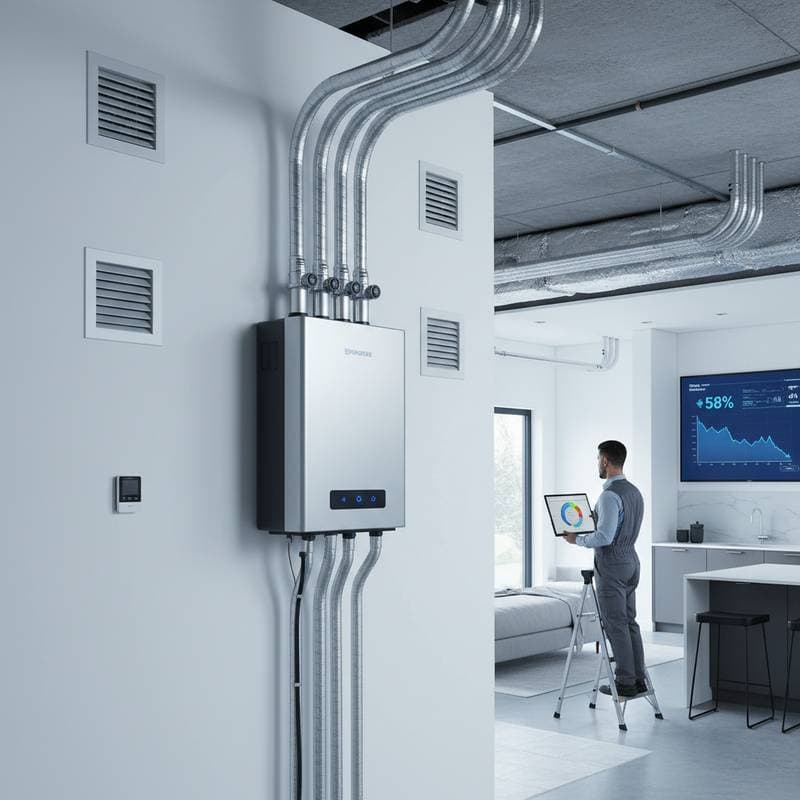
Zoned HVAC systems reduce heating and cooling expenses by up to 58 percent relative to conventional central air configurations. These systems segment the home into distinct climate zones, each managed by an independent thermostat, which enables precise temperature regulation and prevents energy loss in unused areas. This overview details the mechanics of zoned systems, associated expenses, and reasons they excel in comfort and operational efficiency.
| Key Metric | Average Value |
|---|---|
| Potential Energy Bill Savings | Up to 58 percent |
| Typical Installation Cost | $2,000 - $6,000 (zoning retrofit) |
| Average New Zoned System Cost | $8,000 - $15,000 |
| Typical Payback Period | 2 - 5 years |
| Common Use Cases | Multi-story homes, additions, large floor plans |
Costs Associated with Zoned HVAC Systems
Zoned HVAC systems require a higher initial investment than single-zone central units, yet they generate considerable long-term financial benefits. Pricing varies based on current infrastructure and the desired number of zones.
- Zoning retrofit for existing central air: $2,000 to $6,000
- New zoned HVAC installation (multi-zone system): $8,000 to $15,000
- Smart thermostat for each zone: $150 to $400 per unit
- Ductwork modifications (if needed): $1,000 to $3,000
In contrast to standard central air systems that condition the entire residence simultaneously, zoned systems focus on specific areas. This selective approach shortens equipment runtime, lowers energy consumption, and minimizes component wear.
Factors Influencing Zoned HVAC Expenses
Multiple elements determine the overall expense of a zoned climate control setup. A clear understanding of these components facilitates effective budgeting.
Number of Zones
Every additional zone incorporates thermostats, sensors, and dampers. Although costs rise with more zones, so do levels of comfort and energy management precision. Homeowners often start with two to three zones to balance expense and benefit.
Type of System
Zoning can employ motorized dampers within ducted frameworks or dedicated air handlers in ductless configurations. Ductless multi-zone options incur higher per-room expenses but offer superior independent regulation. Evaluate your home layout to select the optimal type.
Home Size and Layout
Expansive residences or multi-level structures gain the most from zoning, though they demand additional parts. Intricate duct pathways or vertical separation may extend labor requirements and elevate total costs. Professionals assess these aspects during initial consultations.
Energy Efficiency Ratings
Units featuring advanced variable-speed compressors or inverter mechanisms command premium prices upfront but yield reduced ongoing expenses. Prioritize systems with elevated SEER2 ratings for cooling and HSPF ratings for heating to maximize returns. Review manufacturer specifications for detailed performance data.
Installation Complexity
Adapting older properties typically demands more effort than incorporating zoning in new builds. Challenges such as confined areas, inaccessible ducts, or electrical enhancements can increment expenses. Opt for contractors experienced in retrofits to streamline the process.
Varieties of Zoned HVAC Systems
Multiple approaches exist for implementing multi-zone climate control, each presenting unique strengths and limitations.
Ducted Zoning Systems
These configurations utilize a primary HVAC unit paired with motorized dampers in the duct network to route airflow selectively.
Pros:
- Compatible with current central setups
- More affordable when ducts remain functional
- Simplified centralized servicing
Cons:
- Constrained by pre-existing duct configurations
- Potential need for sealing or duct adjustments
Ductless Mini-Split Systems
Such systems feature individual indoor air handlers linked to a single outdoor compressor.
Pros:
- Eliminates duct requirements
- Enables room-specific temperature adjustments
- Achieves exceptional efficiency levels
Cons:
- Elevated initial equipment pricing
- Visible wall-mounted indoor components
Hybrid Zoned Systems
These integrate ducted and ductless elements to provide versatile coverage, particularly suitable for residences with varied room types.
Pros:
- Tailored setup options
- Harmonized comfort and performance
- Ideal for expansions or renovations
Cons:
- Increased design and setup intricacy
Indicators That Suggest the Need for Zoned HVAC
When existing systems fail to maintain uniform temperatures, a zoned solution addresses comfort discrepancies while trimming expenses.
- Persistent hot or cold spots across rooms
- Elevated utility statements despite routine upkeep
- Conflicting preferences among household members for thermostat levels
- Conditioning of vacant areas without necessity
- Multi-story dwellings where upper levels consistently overheat
To identify these issues, monitor room temperatures over several days and compare against energy usage patterns. Consult a specialist for a professional evaluation if patterns emerge.
The Installation Procedure for Zoned HVAC
Professional HVAC technicians manage zoned system installations efficiently. The process unfolds in structured phases to ensure reliability.
- Home Assessment: Inspectors examine current equipment, ducts, and insulation to identify compatibility.
- System Design: Map zones according to room configurations, occupancy habits, and ventilation needs.
- Equipment Selection: Choose appropriate thermostats, dampers, and controls suited to the environment.
- Installation: Integrate dampers and sensors into ducts or position air handlers for ductless variants.
- Calibration: Verify balanced airflow and precise temperature responses in each zone.
- System Training: Receive guidance on zone adjustments and optimal usage strategies.
Schedule installations during milder seasons to minimize disruptions. Verify contractor credentials and warranties beforehand.
Labor Expenses for Zoned HVAC
Labor constitutes 30 to 50 percent of overall installation costs. Rates range from $75 to $150 per hour, influenced by location and project scope. Retrofitting projects span one to two days, whereas comprehensive multi-zone setups extend further. Obtain detailed estimates to track cost allocations clearly.
Frequently Asked Questions About Zoned HVAC
Is a zoned HVAC system worth the investment?
Affirmative. Although upfront costs exceed those of basic systems, energy reductions and enhanced comfort recoup expenses in a few years. Additionally, reduced equipment strain prolongs system longevity.
Can existing central air systems accommodate zoning?
In numerous instances, affirmative. Technicians install motorized dampers and control interfaces to transform current units into zoned operations without full replacement.
How many zones suit a typical home?
Most residences thrive with two to four zones. Standard divisions separate upper and lower levels or distinguish living areas from sleeping quarters.
Do zoned systems integrate with smart thermostats?
Certainly. These systems complement smart devices, permitting remote scheduling and adjustments to optimize energy use.
Will zoning eliminate hot and cold spots?
Yes, zoning addresses temperature inconsistencies by enabling independent zone controls, which distribute conditioned air more evenly throughout the home.
How long does a zoned HVAC system last?
Zoned systems endure comparably to central counterparts, with air handlers lasting 10 to 15 years and duct components potentially exceeding 20 years under proper maintenance.
Implement Zoned HVAC for Enhanced Efficiency and Comfort
Transitioning to a zoned HVAC system positions homeowners for significant energy reductions and personalized climate control. Evaluate your current setup against these insights to determine readiness. Contact certified professionals to explore customized options that align with your home and budget, securing lasting benefits in comfort and cost management.