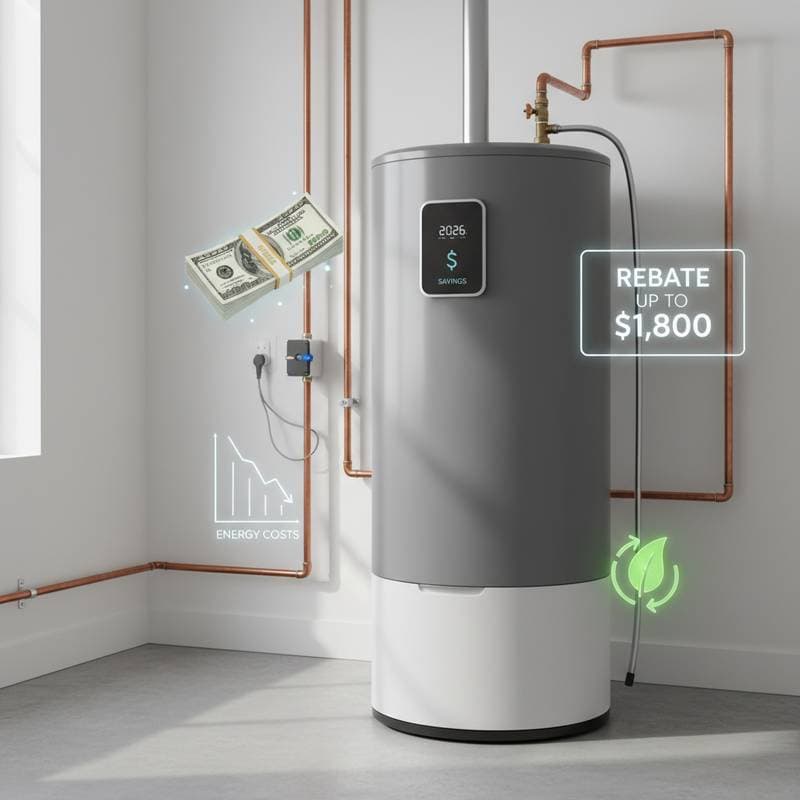
Heat Pump Water Heaters: Achieve $1,000 Installed Cost Through Rebates
Heat pump water heaters represent a significant advancement in residential energy efficiency. These systems extract heat from the surrounding air to warm water, using far less electricity than traditional models. With federal incentives available in 2026, homeowners can reduce the effective installation cost to approximately $1,000, making this upgrade accessible for many households.
The primary benefit lies in long-term savings. A heat pump water heater can decrease energy consumption by up to 70 percent compared to conventional electric units. This translates to annual savings of $200 to $400 on utility bills, depending on water usage patterns and local electricity rates. Additionally, these appliances contribute to environmental goals by lowering carbon emissions.
Rebates play a crucial role in affordability. The federal Inflation Reduction Act provides up to $1,800 for qualifying installations, with potential stacking of state and utility incentives. Eligibility typically requires a unit with a Uniform Energy Factor of at least 3.3 and professional installation. Homeowners should verify specific program rules through official channels to ensure compliance.
Understanding Rebate Programs
Federal rebates under the Inflation Reduction Act target energy-efficient appliances like heat pump water heaters. The maximum $1,800 incentive applies to systems that meet ENERGY STAR standards. Applications open in 2026, and processing may take several weeks, so plan accordingly.
State programs vary widely. For example, certain regions offer additional rebates ranging from $300 to $1,000. Utility companies frequently provide further discounts, often $100 to $500, based on location. To maximize benefits, compile all documentation early, including invoices and efficiency certifications.
Tax credits offer another layer of savings. The federal credit covers 30 percent of installation costs, up to $2,000 annually. Consult a tax professional to integrate these with rebates effectively.
Installation Process for Heat Pump Water Heaters
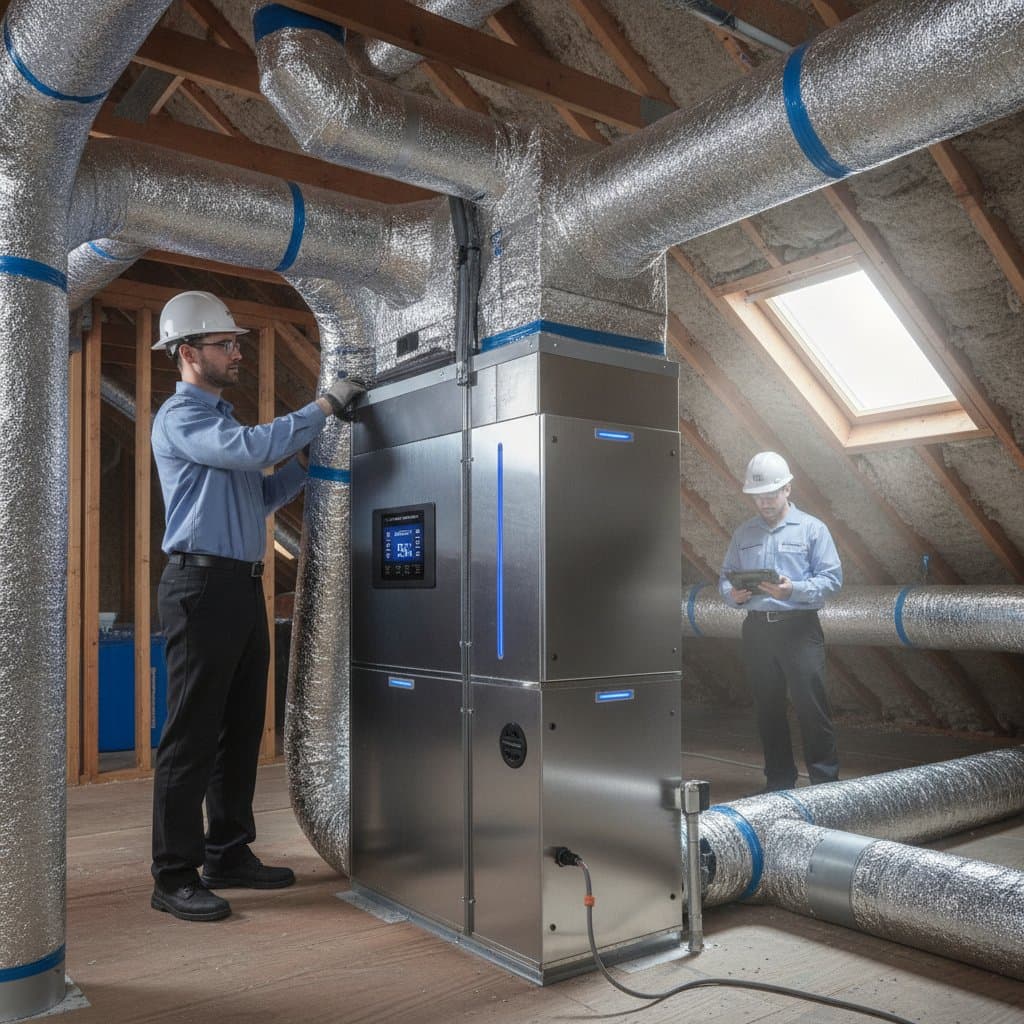
Professional installation ensures optimal performance and rebate qualification. The process follows a structured sequence, typically completed in one day for standard setups.
-
Initial Assessment: A certified technician evaluates your home's electrical system, space availability, and existing water heater location. This step identifies any necessary modifications, such as upgrading to a 240-volt circuit.
-
Removal of Old Unit: The installer safely drains and disconnects the existing water heater. Proper disposal adheres to local regulations, preventing environmental hazards.
-
Positioning and Mounting: The new heat pump water heater is placed in a well-ventilated area, ideally with ambient temperatures between 40 and 90 degrees Fahrenheit. Secure mounting prevents vibrations and ensures stability.
-
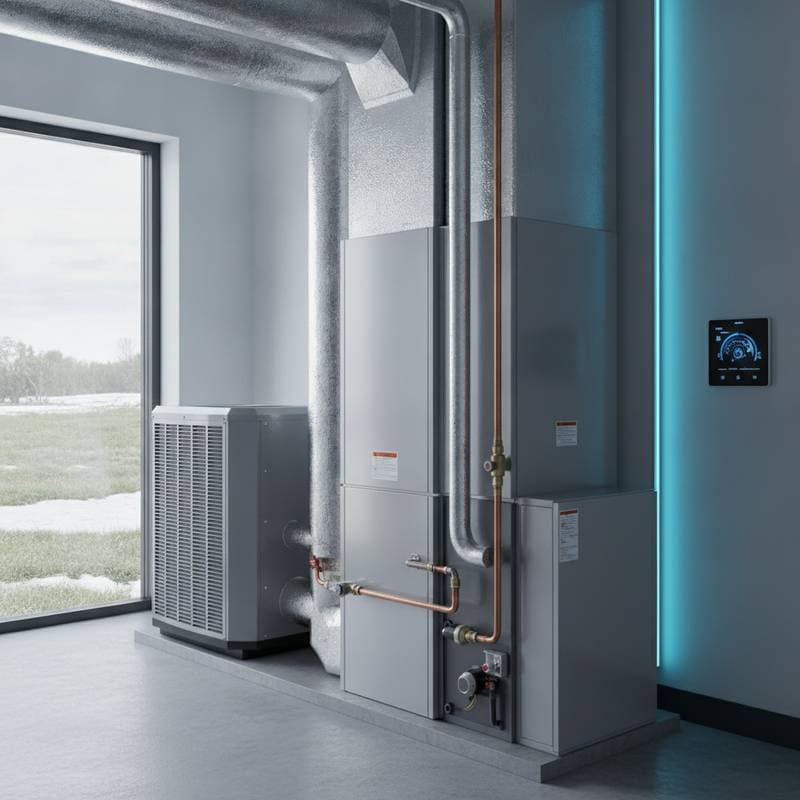
Plumbing and Electrical Connections: Water lines connect to the unit, with insulation added to pipes to minimize heat loss. Electrical wiring links to the power supply, incorporating safety features like circuit breakers.
-
Calibration and Testing: The contractor checks temperature settings, airflow, and safety components to ensure proper operation.
-
Rebate Documentation: You receive the paperwork or digital forms needed to claim your rebate. Some installers handle this submission on your behalf.
Complex installations, such as those in tight spaces or requiring venting changes, may extend to two days.
Labor Costs Breakdown
Labor for heat pump water heater installation generally ranges from $800 to $1,500. This variation depends on factors like site accessibility, electrical upgrades, and regional wage standards. Projects needing new wiring or structural adjustments approach the upper limit.
Certified professionals command these rates due to their expertise in handling refrigerant lines and efficiency optimizations. Rebate programs mandate licensed installation to validate claims, safeguarding both performance and financial incentives.
Frequently Asked Questions
How Do I Qualify for the $1,800 Rebate?
Qualification requires purchasing a heat pump water heater that achieves an efficiency rating of at least 3.3 Uniform Energy Factor. A licensed professional must perform the installation. Retain receipts, installation certificates, and manufacturer specifications for submission to the program administrator.
Can Rebates Stack with Other Incentives?
Stacking is permissible in most cases, combining federal rebates with state grants, utility discounts, and tax credits. Review program guidelines to avoid overlaps, and document all sources to support your application.
What Energy Savings Can I Expect?
These units consume up to 70 percent less energy than standard electric water heaters. Annual savings range from $200 to $400 for typical households, influenced by daily hot water demand and electricity costs per kilowatt-hour.
Are Heat Pump Water Heaters Noisy?
Contemporary models operate at noise levels comparable to a household refrigerator, around 50 decibels. Placement in basements, garages, or dedicated utility spaces minimizes any disturbance.
Do They Perform in Cold Climates?
Performance holds in temperatures above 40 degrees Fahrenheit. Hybrid variants automatically shift to electric resistance heating in colder conditions, maintaining consistent hot water supply throughout the year.
What Is the Expected Lifespan?
Units endure 10 to 15 years under routine maintenance. Annual tasks include filter cleaning and airflow inspections, which prolong operational efficiency.
Is DIY Installation Advisable?
Self-installation risks safety issues, voids warranties, and disqualifies rebates. Professionals guarantee code compliance and system reliability.
Steps to Secure Your Upgrade
Transitioning to a heat pump water heater delivers immediate and sustained value. Rebates up to $1,800 offset initial expenses, while efficiency gains reduce ongoing costs.
Begin with a consultation from a vetted HVAC or plumbing specialist. Request detailed quotes from at least three providers to evaluate options. Schedule during off-peak seasons for potential discounts, and prepare rebate applications promptly after completion.