Heat Pumps Save $500 Per Year with 4X Efficiency Boost
Heat pumps enable the average homeowner to save approximately $500 per year on energy bills while providing up to four times the efficiency of traditional electric or gas systems. These devices transfer heat rather than generate it, which substantially lowers the energy needed to heat or cool a home. This guide details how heat pumps deliver such performance, outlines associated costs, and offers strategies to optimize long-term savings.
| Item | Average Cost |
|---|---|
| National Average Cost | $4,500 - $8,500 |
| Typical Price Range | $3,500 - $12,000 |
| Extreme High-End | $15,000+ |
| Extreme Low-End | $2,500 |
| Average Annual Savings | $400 - $600 per year |
| Efficiency Rating | Up to 400% (4X) compared to standard systems |
Average Heat Pump Costs
The price of a heat pump depends on the system type, capacity, and installation requirements. Homeowners typically invest between $4,500 and $8,500 for a full system, encompassing equipment and professional installation.
Air-Source Heat Pumps
These represent the most prevalent and cost-effective option.
Average installed cost: $4,500 - $7,500
Best for: Moderate climates and typical single-family residences.
Ductless Mini-Split Systems
Such systems suit homes lacking ductwork or requiring targeted zoning.
Average installed cost: $3,500 - $10,000
Best for: Additions, older properties, or areas demanding precise temperature management.
Geothermal Heat Pumps
These draw heat from the earth to achieve peak efficiency.
Average installed cost: $10,000 - $25,000
Best for: Long-term residents pursuing maximum energy reductions.
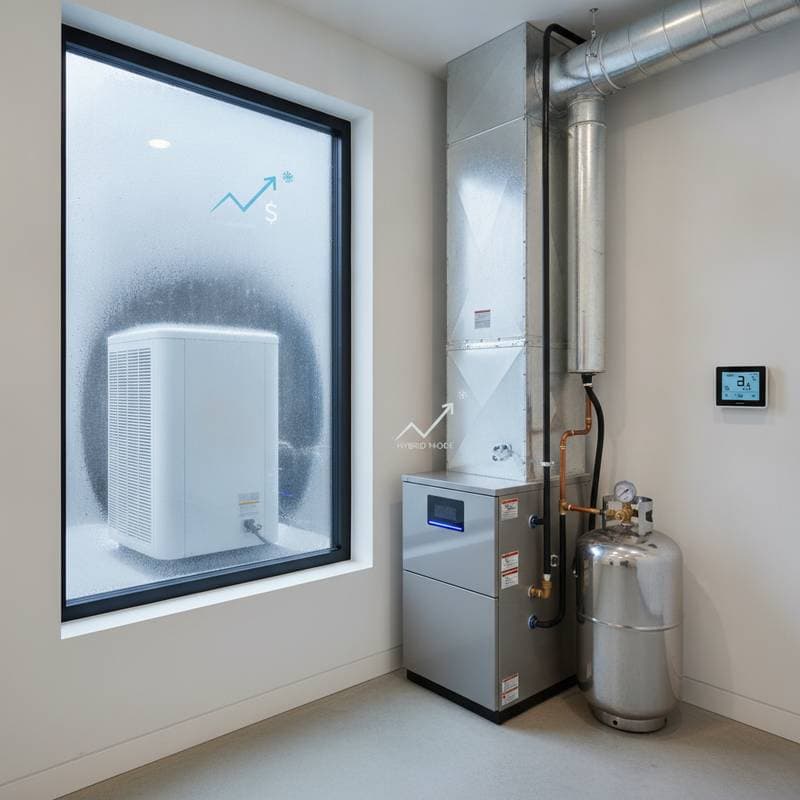
Hybrid Heat Pumps
Hybrid setups combine a heat pump with a conventional furnace, shifting between electricity and gas as needed for peak performance.
Average installed cost: $6,000 - $12,000
Best for: Areas with significant temperature variations or fluctuating electricity prices.
Key Factors That Affect Heat Pump Price
Multiple elements determine the expense of a new heat pump. Grasping these allows for precise budgeting and minimizes unexpected charges during setup.
Unit Size (Tonnage or BTUs)
The size dictates the heating or cooling output. A compact home might require a 2-ton unit, whereas a spacious one could demand 5 tons or greater. Proper sizing through a professional load calculation prevents efficiency losses from units that are too large or too small.
Energy Efficiency (SEER2 and HSPF Ratings)
SEER2 evaluates cooling performance, and HSPF assesses heating performance. Elevated ratings translate to reduced energy use. Units exceeding SEER2 of 18 or HSPF of 9 carry higher initial costs yet deliver superior yearly savings.
Brand and Quality
Established brands provide dependable operation and robust warranties, justifying premium pricing through decreased future repairs. Budget alternatives may seem economical initially but often degrade in efficiency over time.
Installation Complexity
Requirements for new ductwork, electrical enhancements, or refrigerant modifications elevate labor expenses. Properties with compatible existing setups benefit from expedited and less costly installations.
Location and Climate
In frigid zones, heat pumps necessitate auxiliary heating or cold-weather models. These additions increase expenses but guarantee reliable comfort and performance in subzero temperatures.
Types of Heat Pump Systems
Various heat pump varieties offer distinct advantages tailored to comfort needs, finances, and property configurations.
Air-Source Heat Pumps
Pros:
- Reduced installation expenses
- Compatible with most residences
- Effective in temperate conditions
Cons:
- Performance declines in extreme cold
- Exterior unit generates audible operation
Ductless Mini-Split Heat Pumps
Pros:
- Eliminates need for ducts
- Enables zone-specific control
- Delivers strong efficiency
Cons:
- Elevated per-unit pricing
- Visible indoor components on walls
Geothermal Heat Pumps
Pros:
- Superior efficiency levels
- Minimal running expenses
- Extended durability
Cons:
- Substantial initial investment
- Demands outdoor space for loops
Hybrid Heat Pumps
Pros:
- Seamless fuel transitions
- Dependable across climates
- Optimized energy expenditures
Cons:
- Intricate setup process
- Moderately increased equipment price
Signs You Need a Heat Pump Upgrade
When an existing HVAC setup fails to sustain even temperatures or incurs excessive operating costs, upgrading to a heat pump becomes advisable.
- Escalating utility statements despite stable usage
- Inconsistent room temperatures
- Recurrent repairs or failures
- Equipment aged over ten years
- Notable noise or inadequate airflow
- Interest in lowering environmental impact
Transitioning to a heat pump enhances comfort and efficiency promptly while diminishing ecological effects.
The Heat Pump Installation Process
Heat pump installation follows a structured sequence of phases. Familiarity with these prepares the property and facilitates an efficient procedure.
-
Home Evaluation and Load Calculation: A certified HVAC specialist assesses the residence's dimensions, insulation, and configuration to specify the appropriate capacity.
-
System Selection: Considering finances, regional weather, and performance objectives, the installer proposes a suitable model.
-
Preparation and Old System Removal: Prior heating or cooling apparatus is dismantled, with duct or electrical alterations as required.
-
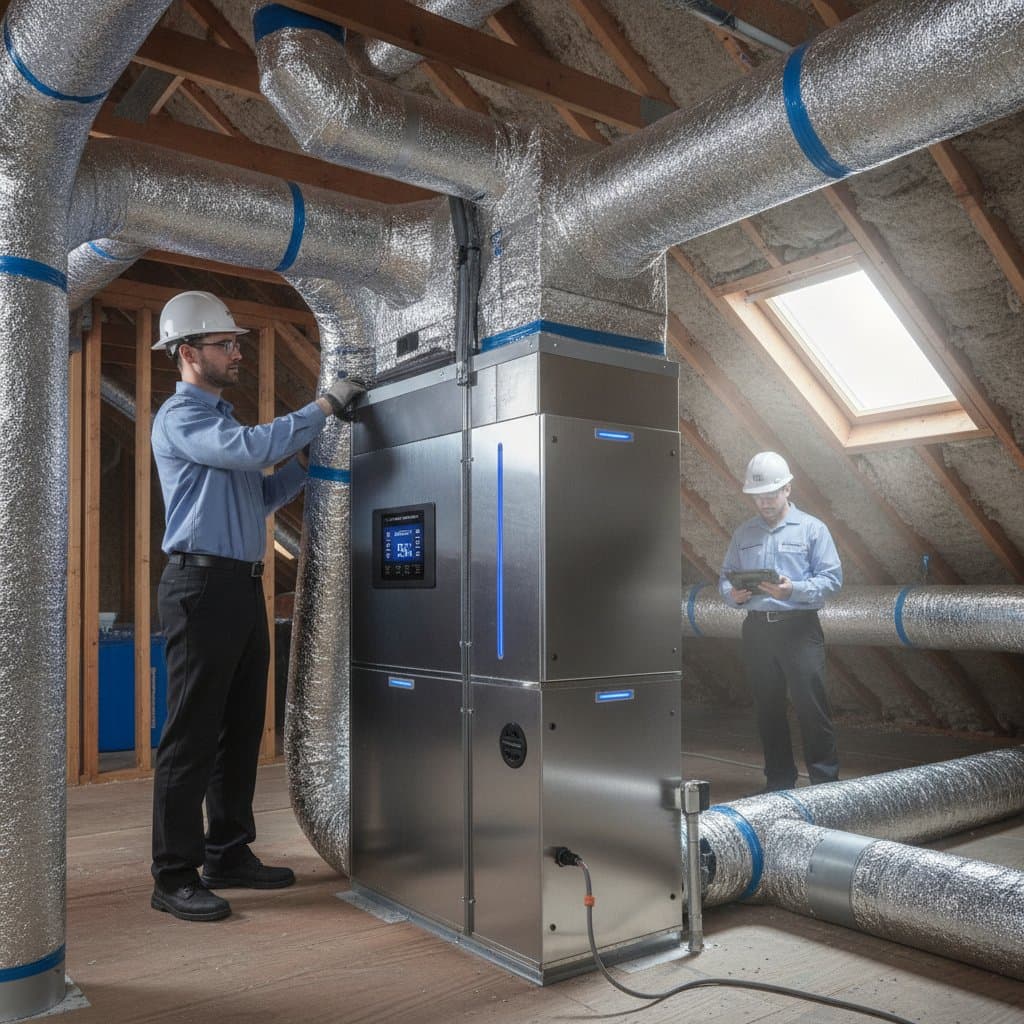
Installation of Indoor and Outdoor Components: The interior handler and exterior condenser link via refrigerant and electrical connections.
-
Testing and Calibration: The unit receives refrigerant, undergoes leak checks, and fine-tunes for optimal function.
-
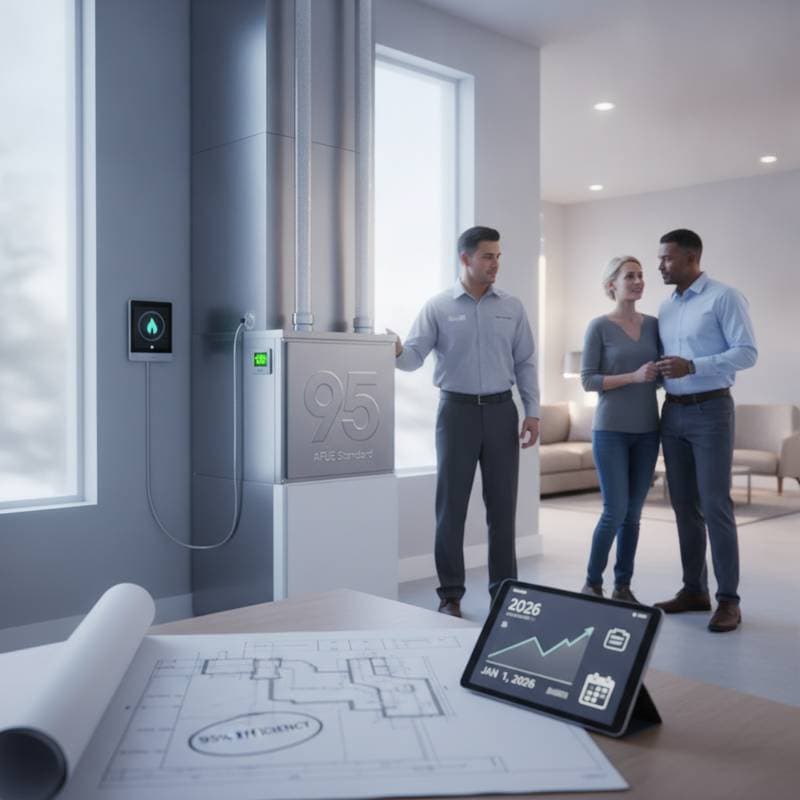
Final Inspection and Homeowner Walkthrough: The specialist confirms functionality, sets thermostat controls, and imparts care instructions.
Installations generally span one to two days, varying by complexity and site access.
Heat Pump Labor Costs
Labor constitutes 30% to 40% of the overall installation expense. Homeowners commonly allocate $1,500 to $3,000 for expert labor. Influencing aspects include:
- System Type: Geothermal installations involve digging, extending labor duration.
- Home Layout: Multi-story or confined areas heighten difficulty.
- Ductwork Condition: Sound existing ducts cut costs; faulty ones necessitate fixes or replacements.
- Electrical Upgrades: Dated wiring may require panel enhancements to support increased loads.
Engaging a qualified HVAC expert secures proper execution, essential for performance, safety, and warranty validity.
How Heat Pumps Deliver 4X Efficiency
Heat pumps attain up to fourfold efficiency over conventional systems by relocating heat instead of producing it. A refrigerant mechanism facilitates heat movement indoors or outdoors as conditions dictate.
- In heating mode: The device pulls heat from external air or soil and conveys it inside.
- In cooling mode: The process inverts, extracting interior heat and expelling it outside.
This method yields three to four units of heat per unit of electricity, achieving efficiencies up to 400%. Consequently, users experience notable energy reductions, decreased bills, and lessened emissions.
Maximizing Your Annual Savings
To realize the full $500 annual savings, integrate heat pump adoption with effective practices and upkeep.
- Maintain thermostat at steady, reasonable levels rather than making repeated changes.
- Address drafts around doors, windows, and attics to retain heat.
- Service filters and coils regularly, replacing every few months to sustain airflow.
- Arrange yearly professional inspections to preserve efficiency and detect problems promptly.
- Install intelligent thermostats for automated adjustments that curb waste.
These measures ensure prolonged efficient operation and strong investment returns.
Frequently Asked Questions About Heat Pumps
Is a heat pump worth it for my home?
Yes, for those seeking reduced bills and steady comfort, a heat pump proves a wise choice. Contemporary models with variable-speed technology function effectively even in cooler regions.
Can a heat pump replace both my furnace and air conditioner?
Yes, it handles both heating and cooling duties, serving as a comprehensive seasonal solution. In certain locales, supplementary heating aids extreme low temperatures.
How long does a heat pump last?
Air-source models endure 12 to 15 years; geothermal ones surpass 20 years. Routine care, filter changes, and accurate setup prolong longevity.
Do heat pumps require a lot of maintenance?
They demand little beyond standard systems. Replace or clean filters monthly to quarterly, and book annual expert checks for refrigerant, coils, and wiring.
Are there rebates or incentives for installing a heat pump?
Numerous utilities and governments provide rebates or credits for efficient installations. Consult your installer for local opportunities.
How quiet are modern heat pumps?
Advanced designs incorporate variable fans and noise reduction, operating at levels akin to a household refrigerator, quieter than legacy HVAC.
Can a heat pump work with my existing ductwork?
Typically yes. Experts examine ducts for integrity, size, and insulation, making minor tweaks for even distribution and peak efficiency.
Steps to Secure Your Energy Savings
Adopting a heat pump ranks among the most effective methods to trim annual energy expenses by hundreds of dollars. Offering quadruple efficiency, consistent seasonal reliability, and access to incentives, the advantages span financial and ecological realms.
To proceed, arrange an assessment with a certified HVAC professional. Obtaining several estimates helps select an optimal system, properly fitted, at competitive rates.