Achieve Three Times the Efficiency: Save $500 Annually on Water Heating
High utility bills from conventional water heaters prompt many homeowners to seek better options. Heat pump water heaters provide a superior alternative, operating up to three times more efficiently than standard electric models. Homeowners often realize savings of approximately $500 per year on water heating expenses. This article details their functionality, efficiency advantages, and upgrade considerations.
Understanding Heat Pump Water Heaters
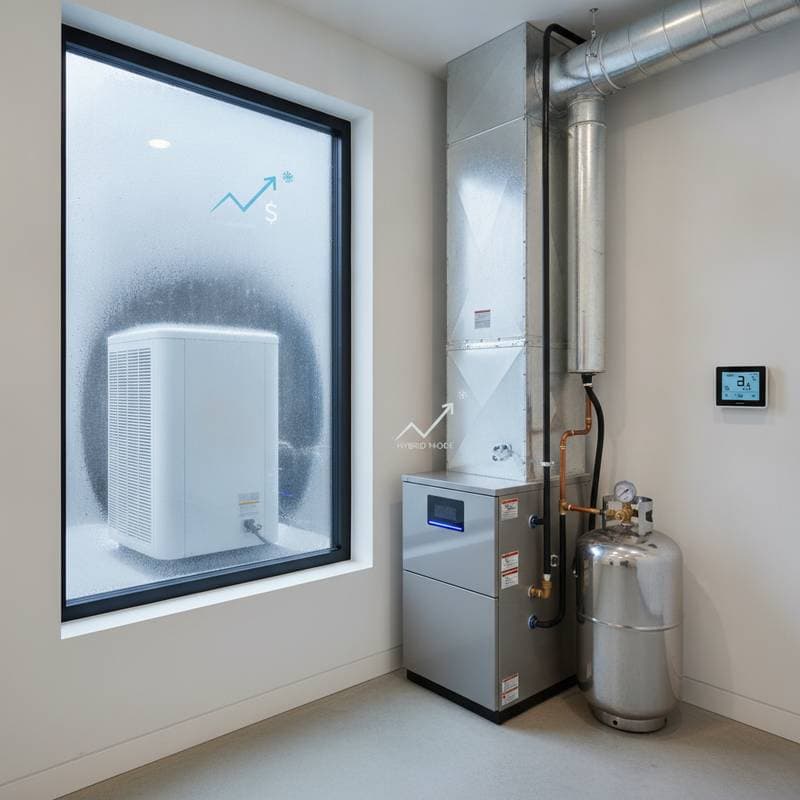
A heat pump water heater employs electricity to relocate heat from the ambient air into the storage tank, rather than producing heat through direct resistance. This method demands significantly less electricity to deliver equivalent hot water volumes. The system features a compressor, evaporator coil, and refrigerant loop that extract warmth from the surrounding environment.
The operation mirrors a refrigerator in reverse: the unit absorbs external heat and concentrates it within the water. Consequently, it supplies consistent hot water while consuming a minimal fraction of the energy required by traditional heaters. Such design choices position heat pump water heaters as a practical choice for energy-conscious households.
Factors Driving Threefold Efficiency
These units produce identical hot water quantities with roughly one-third the electricity of conventional electric heaters. This performance yields substantial cost reductions and lowers environmental footprints. Several elements contribute to this superior efficiency.
- Heat relocation over generation: Transferring existing heat demands far less power than creating it anew.
- Adaptive controls: Advanced models feature settings that modify operations according to household water consumption habits.
- Superior tank insulation: High-grade materials minimize heat loss during idle periods, preserving energy.
- Adjustable compressors: Variable-speed technology aligns output precisely with real-time needs, optimizing performance.
Integration of these components ensures reliable operation and maximized savings over time.
Elements Influencing Energy Savings
Savings vary based on individual circumstances, so evaluating key variables aids in determining suitability. Consider these aspects to gauge potential benefits for your residence.
- Local climate conditions: Optimal performance occurs in environments maintaining 40 to 90 degrees Fahrenheit.
- Household water demands: Families with greater usage experience quicker returns on investment.
- Electricity pricing: Elevated local rates amplify the financial advantages of efficiency gains.
- Unit placement: Installation in a warm, ventilated space such as a garage enhances operational effectiveness.
- Ongoing upkeep: Consistent cleaning of filters and professional inspections sustain high efficiency levels.
By addressing these factors during planning, homeowners can project realistic outcomes and plan accordingly.
Maintenance: Self-Care and Professional Support
Homeowners can perform basic upkeep to extend system longevity and efficiency. Regularly inspect and clean the air filter every three months to prevent airflow restrictions. Vacuum dust from intake and exhaust vents, and ensure at least six inches of clearance around the unit for proper circulation.
For complex issues, such as refrigerant checks or electrical diagnostics, engage a certified technician annually. Professional servicing identifies potential problems early, avoiding costly repairs. These routines keep the system running at peak capacity, supporting consistent savings.
Navigating the Installation Procedure
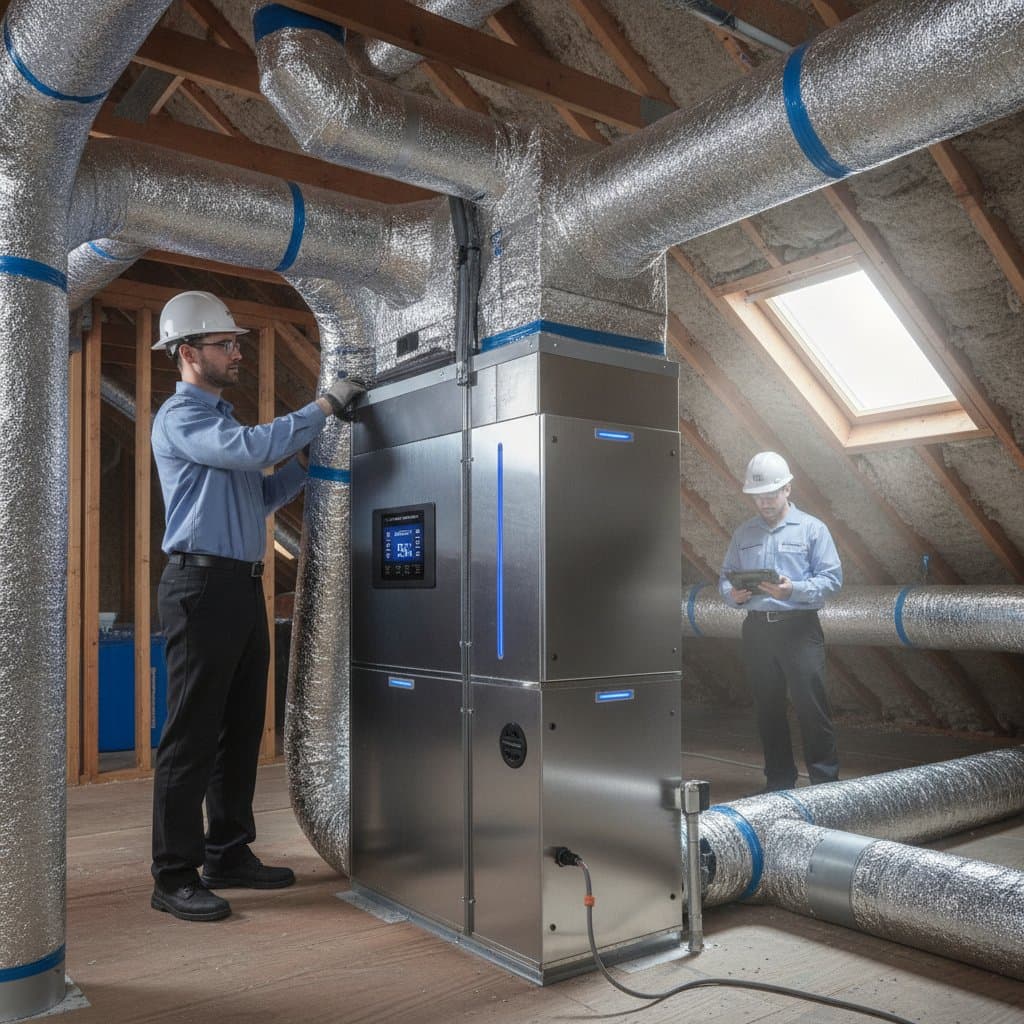
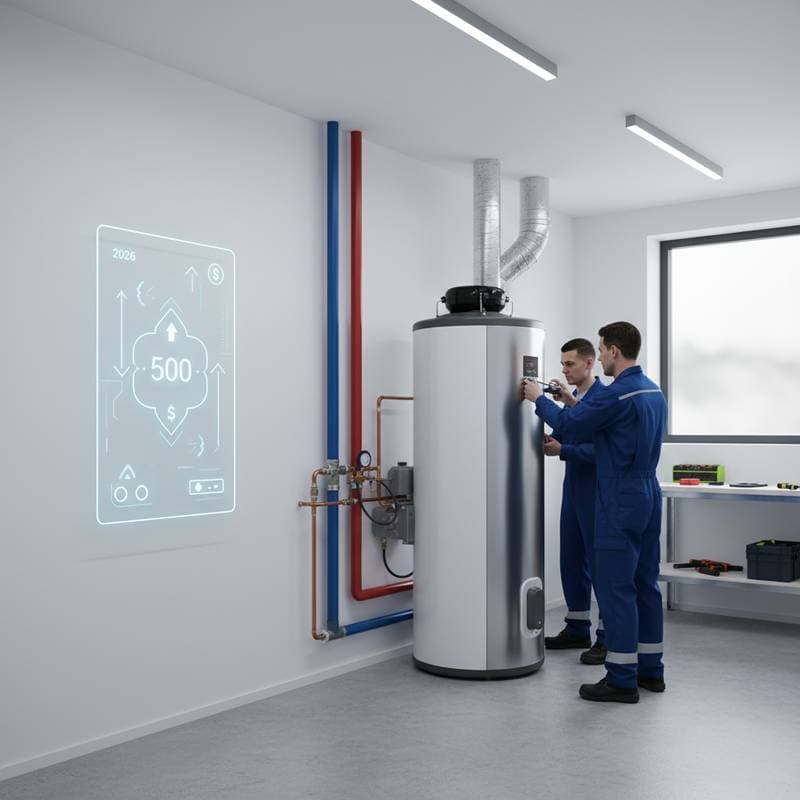
Professional installation ensures safe and effective integration. The process unfolds in structured steps to minimize disruption.
- Initial evaluation: Technicians assess ventilation, drainage, and electrical compatibility in the proposed location.
- Capacity determination: Experts calculate the appropriate tank size based on daily hot water requirements, typically 50 to 80 gallons for most homes.
- Unit replacement: The existing heater is disconnected and removed, followed by secure attachment of the new model to water lines and power sources.
- System verification: Water fills the tank, electricity activates the unit, and all functions undergo thorough testing for leaks and performance.
- User guidance: Installers demonstrate control panel operations, maintenance schedules, and troubleshooting basics.
Expect the entire procedure to last four to six hours, depending on site conditions. Post-installation, monitor the system for the first week to confirm smooth operation.
Common Inquiries About Heat Pump Water Heaters
What savings can homeowners anticipate?
Savings average $500 yearly versus traditional electric heaters, varying by consumption, rates, and weather. Calculate personal estimates using online energy calculators with local data.
Can these units function in cooler regions?
They operate effectively above freezing, with best results in moderate climates. In colder zones, position in insulated areas like basements to maintain efficiency.
What is the expected lifespan?
Units endure 10 to 15 years, comparable to standard models, when maintained properly. Warranties often cover 6 to 10 years on key components.
Do they generate significant noise?
Operation produces a gentle hum akin to a refrigerator. Site the unit away from bedrooms to avoid disturbances.
Steps to Transition to Efficient Water Heating
Transitioning to a heat pump water heater involves assessing current needs and consulting professionals. Begin by reviewing utility bills to quantify baseline costs, then explore rebate programs for financial incentives. Schedule a consultation to confirm compatibility and obtain quotes.
This upgrade not only curbs expenses but also enhances home sustainability. With proper selection and care, the system delivers reliable performance for years, yielding compounding benefits.