Decoding SEER3: What 2026 Means for Your AC Score
Understanding the New SEER3 Efficiency Standards
Air conditioning efficiency enters a new phase with the arrival of SEER3 ratings. This updated standard redefines the measurement of energy performance for residential air conditioners and heat pumps. Homeowners face new equipment labels, adjusted efficiency expectations, and possible changes in buying choices as a result.
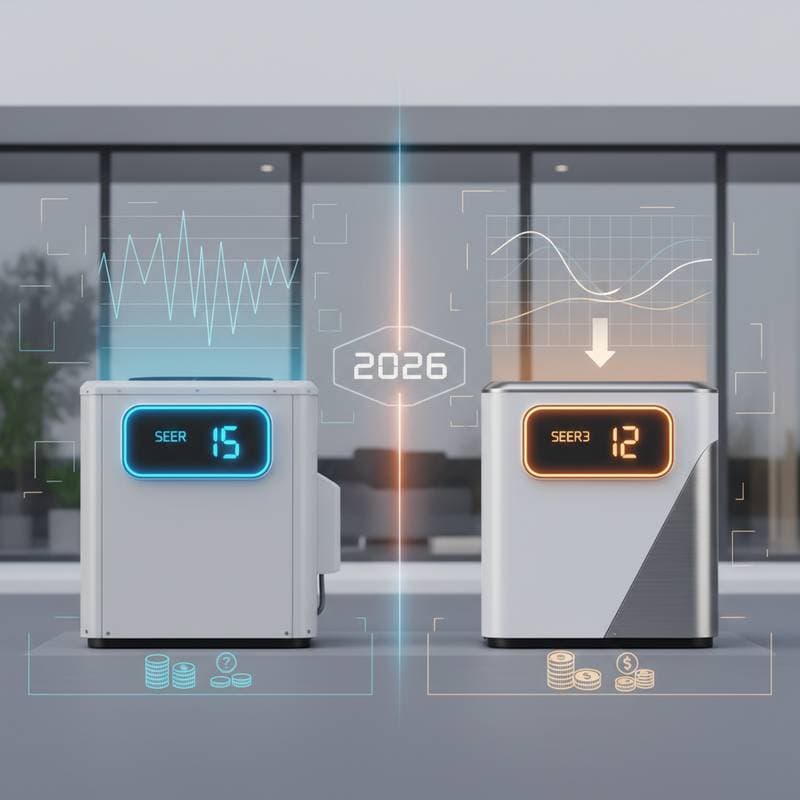
The new system produces efficiency scores that appear lower than previous ones, despite unchanged system performance. The shift stems from testing methods that incorporate more realistic conditions, mirroring the actual energy consumption of contemporary HVAC units. This guide details what SEER3 entails, its differences from prior SEER ratings, and the implications for homeowners selecting or replacing air conditioning systems.
SEER3 builds on earlier standards by simulating full-system operations, including interactions between components like compressors, fans, and controls. Manufacturers must now test units under variable speeds and part-load conditions, which better represent typical home usage patterns. Such adjustments ensure that ratings align closely with real-world outcomes, from urban apartments to suburban homes with varying insulation levels.
Comparing SEER, SEER2, and SEER3
Efficiency ratings have evolved to provide more precise insights into system performance. The original SEER focused on steady-state operations under controlled lab settings. SEER2 introduced adjustments for fan energy consumption and cycling losses in modern variable-speed units.
SEER3 advances further by emphasizing comprehensive system simulations that account for external static pressure and continuous fan operation. These elements reflect how air handlers interact with ductwork in actual installations, often overlooked in older tests.
| Rating Type | Testing Method | Typical Result Comparison | Key Difference |
|---|---|---|---|
| SEER | Original lab-based test under ideal conditions | Highest efficiency numbers | Steady-state focus, ignores real-world variables |
| SEER2 | Adjusted for fan energy and cycling | 5-8% lower than SEER | Incorporates part-load efficiency |
| SEER3 | Full system simulation with static pressure | 5-10% lower than SEER2 | Mirrors home ductwork and variable operations |
These comparisons reveal why SEER3 numbers seem reduced yet offer greater reliability. For instance, a unit that scored 18 under SEER might rate 16 under SEER3, providing a truer picture of seasonal energy demands. Homeowners benefit from this transparency when evaluating long-term operating costs in diverse climates, from humid southern regions to dry southwestern areas.
How SEER3 Influences Air Conditioner Selection
Shoppers for new air conditioners or heat pumps will rely on SEER3 as the primary efficiency metric. Legacy systems may retain older SEER labels temporarily, but all new production shifts to SEER3 by 2026. This uniformity aids direct comparisons across brands and models.
Consider a mid-tier unit: one rated 15 SEER3 could match the performance of a 16-17 SEER model from prior eras. To avoid confusion, request contractors to specify the rating type during quote discussions. Factors like home size, insulation quality, and local humidity also influence how a SEER3 score translates to daily comfort.
When evaluating options, prioritize systems certified by organizations like ENERGY STAR, which often exceed minimum SEER3 thresholds. Variable-capacity units, common in higher-rated models, adjust output to match cooling needs, minimizing energy waste during mild weather. This approach not only enhances efficiency but also improves indoor air quality by reducing humidity buildup.
SEER3 and Its Cost Implications
Higher efficiency under SEER3 correlates with upfront investments, balanced by ongoing savings. Entry-level systems meet basic requirements at modest prices, while premium options deliver substantial reductions in electricity use.
Rebates from utilities or federal programs, such as those under the Inflation Reduction Act, frequently target units above 16 SEER3. In regions with high cooling demands, payback periods shorten to three to five years through lower bills.
| Efficiency Level | Approximate SEER3 Rating | Typical Price Range (Installed) | Estimated Annual Energy Savings (vs. Minimum) |
|---|---|---|---|
| Standard | 14-15 SEER3 | $4,000-$6,500 | Baseline; suitable for mild climates |
| Mid-Range | 16-18 SEER3 | $6,500-$9,000 | 10-20% reduction; ideal for average homes |
| High Efficiency | 19+ SEER3 | $9,500-$14,000+ | 25-35% reduction; best for hot, humid areas |
These ranges vary by unit size and regional labor costs. For a 3-ton system in a 2,000-square-foot home, a 17 SEER3 model might save $200 annually compared to a 14 SEER3 baseline, assuming average U.S. electricity rates. Over a decade, such savings accumulate significantly, often exceeding initial premiums.
SEER3 Ratings Frequently Asked Questions
What Does SEER3 Stand For?
SEER3 denotes the third-generation Seasonal Energy Efficiency Ratio for air conditioners and heat pumps. It quantifies cooling output per unit of energy consumed over a representative season, incorporating adjustments for real-world factors like outdoor temperature fluctuations and indoor load variations.
Do Older SEER-Rated Systems Remain Valid?
Existing installations retain full validity and serviceability. The SEER3 mandate applies solely to new manufacturing and testing protocols, leaving pre-2026 equipment unaffected. Repairs and replacements for older units proceed under established guidelines.
Does a Lower SEER3 Number Indicate Inferior Performance?
The scale adjustment does not signify reduced capability. Instead, it standardizes testing for accuracy. A 15 SEER3 system delivers cooling equivalent to higher-rated predecessors, ensuring comparable comfort levels when evaluated on the same basis.
How Does SEER3 Impact HVAC Maintenance?
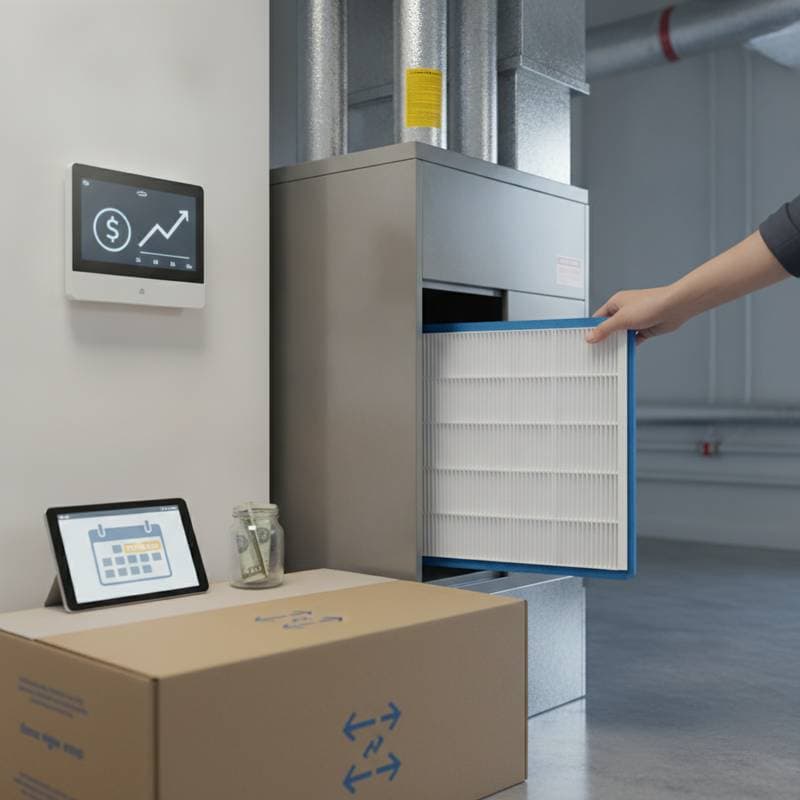
Maintenance requirements stay consistent across ratings. Regular tasks, including air filter replacements every 1-3 months, evaporator coil cleaning annually, and professional tune-ups, preserve efficiency. Neglect in these areas can diminish any system's rated performance by up to 20%.
Preparing for the SEER3 Transition
Homeowners approaching HVAC upgrades should engage informed professionals early. Climate-specific performance, incentive eligibility, and installation compatibility demand careful review.
Essential Questions for Your HVAC Contractor
- Does the proposed system use SEER3 ratings, or an earlier standard?
- What equivalent rating applies under the previous SEER system?
- How does this unit suit my local climate and home layout?
- Which rebates or tax credits apply to efficient models?
- What annual energy cost reductions can I anticipate?
- What maintenance schedule ensures optimal efficiency?
- Does the warranty align with SEER3 compliance?
- Is my current ductwork compatible with the new unit's airflow needs?
- Can you detail costs for equipment, installation, and any add-ons?
These inquiries foster transparent decisions. Contractors experienced in SEER3 transitions often provide energy audits to tailor recommendations, potentially uncovering duct sealing opportunities that boost overall efficiency.
Selecting Systems for Lasting Efficiency and Comfort
The SEER3 standard marks progress toward transparent, effective HVAC solutions. It equips buyers with reliable data for balancing upfront costs against enduring benefits like reduced emissions and enhanced home value.
Collaborate with certified experts to choose units that integrate seamlessly with smart thermostats and zoning systems. Such integrations amplify SEER3 advantages, delivering precise control over temperature and humidity. Ultimately, this evolution supports sustainable cooling that aligns with modern energy goals while prioritizing occupant well-being.