Reduce Water Heating Costs by Up to $600 Annually with Efficient Heat Pump Systems
Understanding the Benefits of Heat Pump Water Heaters for Homeowners
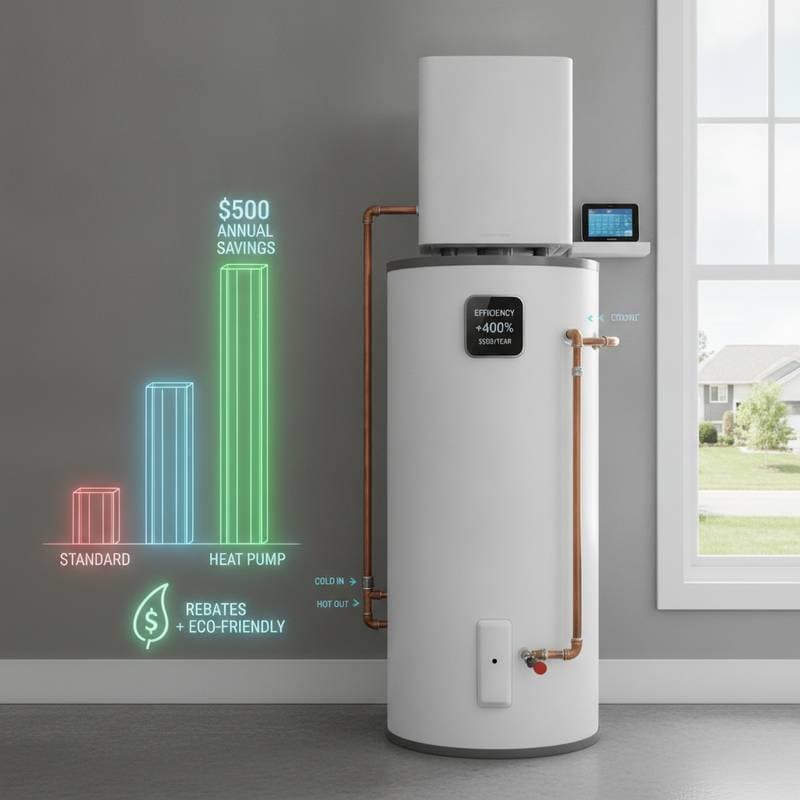
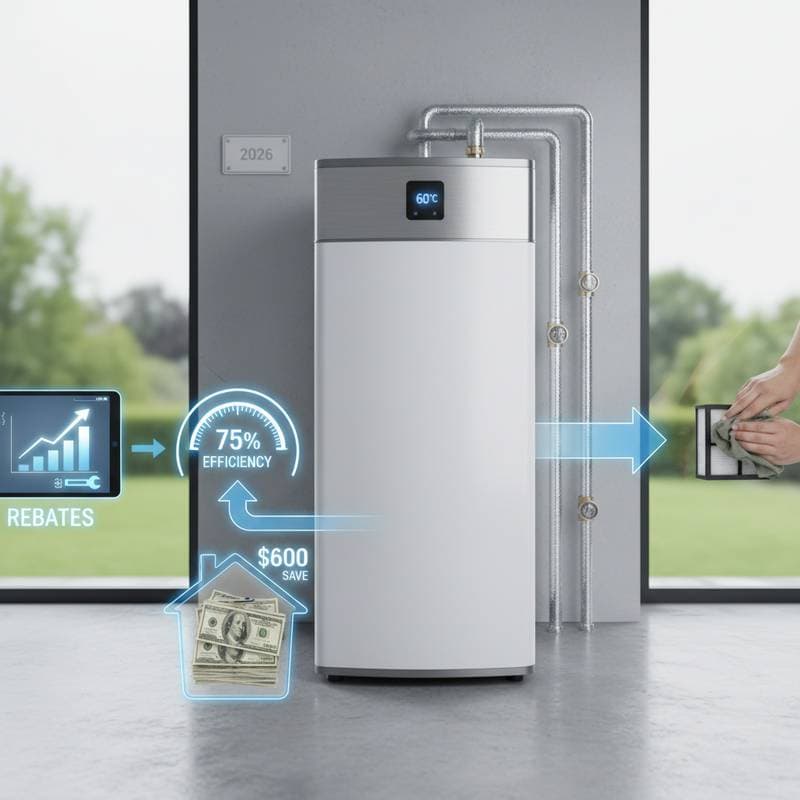
Homeowners seek reliable methods to decrease utility expenses while preserving daily comfort. A heat pump water heater (HPWH) stands out as a superior option. These units operate at approximately three times the efficiency of conventional electric water heaters, enabling typical households to achieve annual savings of about $600 on water heating.
This resource outlines the mechanics of heat pump water heaters, the elements that contribute to their superior energy performance, standard installation expenses, and projected long-term financial benefits. It also addresses performance-influencing variables, essential maintenance routines, and critical inquiries for prospective installers.
The Operating Principles of Heat Pump Water Heaters
A heat pump water heater does not produce heat through direct generation. Rather, it transfers heat from ambient air to the storage tank using minimal electricity. This approach demands far less power than creating heat anew, which explains the potential for up to 300 percent efficiency.
Key components include a compressor, evaporator coil, and refrigerant circuit, functioning in a manner akin to a reversed air conditioning unit. Warm air flows across the evaporator coil, where heat absorption occurs and subsequent delivery to the water takes place. The outcome yields heated water with substantially reduced energy consumption.
Projected Savings Based on Household Composition
To gauge potential financial advantages, consider energy consumption patterns across varying household sizes. The following table provides a representative overview.
| Household Size | Projected Annual Savings | Efficiency Improvement |
|---|---|---|
| 1–2 people | $250 – $350 | 2.5 times more efficient |
| 3–4 people | $400 – $600 | 3 times more efficient |
| 5+ people | $600 – $800 | 3 times more efficient |
Smaller households realize notable gains, whereas larger ones often recover initial costs more rapidly due to elevated hot water requirements.
Upkeep Practices and System Durability
Heat pump water heaters demand limited routine care yet perform best with periodic checks. Their anticipated service life spans 10 to 15 years, comparable to or exceeding that of traditional units. To sustain peak efficiency:
- Clean air filters every three to six months to facilitate unobstructed airflow.
- Flush the tank once per year to eliminate accumulated sediment.
- Examine the anode rod every two to three years to avert internal corrosion.
- Verify condensate drainage functionality to manage excess moisture effectively.
Regular maintenance preserves operational efficiency and amplifies cumulative savings.
Frequently Asked Questions About Heat Pump Water Heaters
What Annual Savings Are Realistic?
The majority of homeowners realize between $400 and $600 in yearly water heating reductions, influenced by local energy prices and consumption patterns. Across a decade, these figures accumulate to $4,000 through $6,000, typically surpassing upfront expenditures.
Do Heat Pump Water Heaters Produce Significant Noise?
These appliances function at low noise levels, generally 45 to 55 decibels, comparable to a household refrigerator. Placement in a garage or dedicated utility space further diminishes audible operation.
Are They Suitable for Households with High Hot Water Demands?
Yes, selection of an appropriate tank capacity ensures adequacy. An 80-gallon unit readily accommodates families of five or more, whereas a 50-gallon option suffices for smaller groups.
How Do They Perform in Colder Climates?
Heat pump water heaters maintain effectiveness in moderate cold. Should ambient temperatures decline, the unit shifts to electric resistance heating as a supplementary mode, guaranteeing uninterrupted hot water availability.
What Is the Typical Investment Recovery Timeline?
Assuming $600 in average yearly savings alongside potential rebates, recovery of the initial outlay occurs within three to five years for most installations. Subsequent savings accrue directly to the homeowner.
Securing Quotes for Heat Pump Water Heater Installation
Essential Questions for Your Installer
- Which tank capacity best suits my household's needs?
- What local rebates or incentives apply to this upgrade?
- How many hours or days does the full installation process require?
- What elements does the quote encompass, and what additional fees might arise?
- Will you manage necessary permits and any electrical modifications?
- Which specific brand and model do you suggest, and what justifies that choice?
- What warranty terms cover parts and labor?
- What maintenance protocols optimize long-term performance?
- Can you share contact details for recent clients?
- What post-installation safety verifications will you conduct?
Implement Your Upgrade for Optimal Efficiency and Reliability
Transitioning to a heat pump water heater positions homeowners for immediate and sustained financial relief. By evaluating household specifics, exploring incentives, and selecting qualified professionals, you secure a system that aligns with your lifestyle. This investment not only lowers energy demands but also enhances environmental responsibility through reduced consumption.