
Understanding Heat Pump Efficiency
Heat pumps represent a superior alternative to traditional heating and cooling systems. They function by transferring heat rather than generating it, which results in significantly lower energy consumption. Homeowners often experience annual savings of up to $500 on utility bills, particularly in regions with moderate climates.
The core advantage lies in their coefficient of performance, which measures efficiency. A rating of four means the system produces four units of heat for every unit of electricity used. This fourfold efficiency stems from innovative components and designs that minimize waste.
Key Features Enhancing Efficiency
-
Advanced Refrigerant Technology: Modern heat pumps employ eco-friendly refrigerants that improve heat transfer while reducing environmental impact.
-
Smart Thermostat Integration: These systems pair with programmable thermostats to optimize operation based on occupancy and weather patterns, further lowering energy use.
-
Variable-Speed Compressors: Many models adjust output automatically to maintain steady indoor temperatures, eliminating the energy spikes common in older systems.
-
High Seasonal Efficiency Ratings: Heat pumps typically achieve superior SEER for cooling and HSPF for heating compared to conventional HVAC units.
Proper configuration allows homeowners to realize monthly savings that accumulate to hundreds of dollars yearly, especially in mild to moderate climates.
Types of Heat Pumps
Selecting the appropriate heat pump type depends on home configuration, budget, and local conditions. Each variant offers unique benefits for efficiency and comfort.
Air-Source Heat Pumps
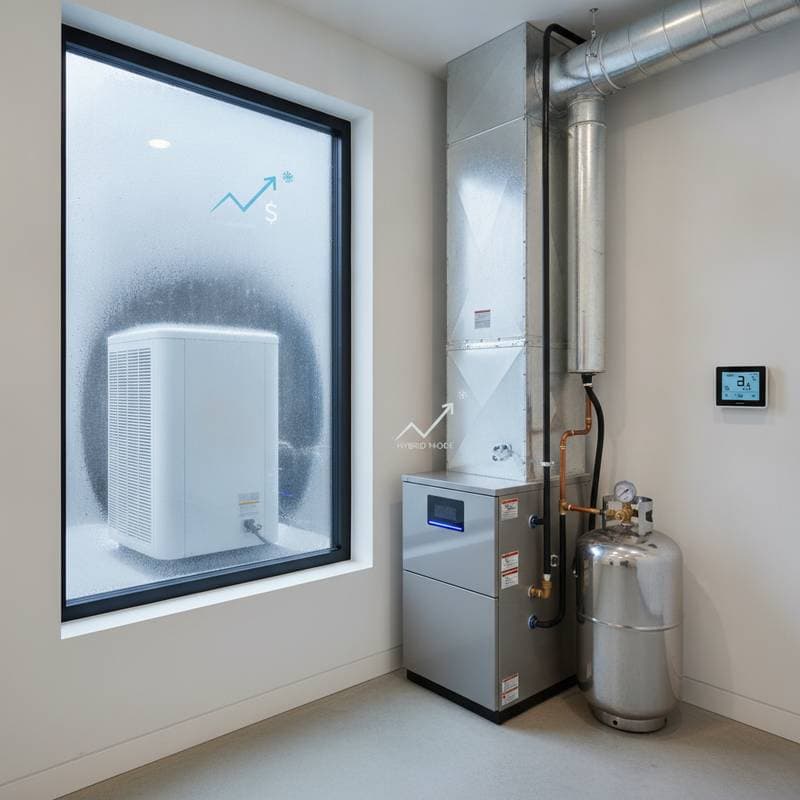
Air-source models extract heat from outdoor air and move it indoors. They remain cost-effective and widely available. Contemporary versions operate efficiently at temperatures below freezing, making them suitable for diverse regions.
Ductless Mini-Split Heat Pumps
Ductless systems suit homes lacking central ducts or those undergoing additions. Individual indoor units link to a single outdoor compressor, enabling precise zoned control. This setup enhances overall efficiency by heating or cooling only occupied areas.
Geothermal or Ground-Source Heat Pumps
Geothermal units leverage the earth's consistent underground temperatures for heating and cooling. Initial costs prove higher due to excavation, yet they yield exceptional savings over time through superior efficiency and longevity.
Heat Pump Water Heaters
These appliances apply heat pump principles to warm water efficiently. They draw heat from ambient air and concentrate it in the storage tank, potentially slashing water heating expenses by two-thirds. Integrating one addresses both space and water heating needs effectively.
Factors Influencing Efficiency and Installation Costs
Efficiency and expenses vary based on several considerations. Addressing these ensures optimal performance and value.
-
Home Size and Layout: Larger or multi-level residences demand greater capacity or additional units to distribute heat evenly.
-
Climate Conditions: Heat pumps excel in most areas, though severe winters might necessitate supplemental heating.
-
Installation Standards: Accurate sizing, sealed ducts, and expert placement maximize energy savings.
-
System Category: Air-source and ductless options offer lower entry costs, while geothermal provides the highest returns long-term.
-
Ongoing Maintenance: Routine tasks like filter cleaning and refrigerant checks sustain peak operation and avert expensive repairs.
Installation expenses differ by equipment, residence scale, and regional labor. Basic air-source setups start at several thousand dollars, with geothermal requiring more substantial investment. Federal and local rebates often mitigate these outlays for efficient models.
Homeowner Maintenance Versus Professional Services
Homeowners can manage simple upkeep, but complex tasks require certified experts to ensure safety and warranty compliance.
Tasks Suitable for Homeowners
-
Clean or replace air filters every one to three months to support proper airflow.
-
Clear debris, leaves, or snow from outdoor units regularly.
-
Check vents and ducts for obstructions to maintain system performance.
Situations Requiring Professional Intervention
-
Refrigerant handling or electrical modifications, which pose risks without expertise.
-
System sizing and full installations, where load calculations prevent inefficiency.
-
Troubleshooting for issues like inconsistent temperatures, odd sounds, or increasing bills.
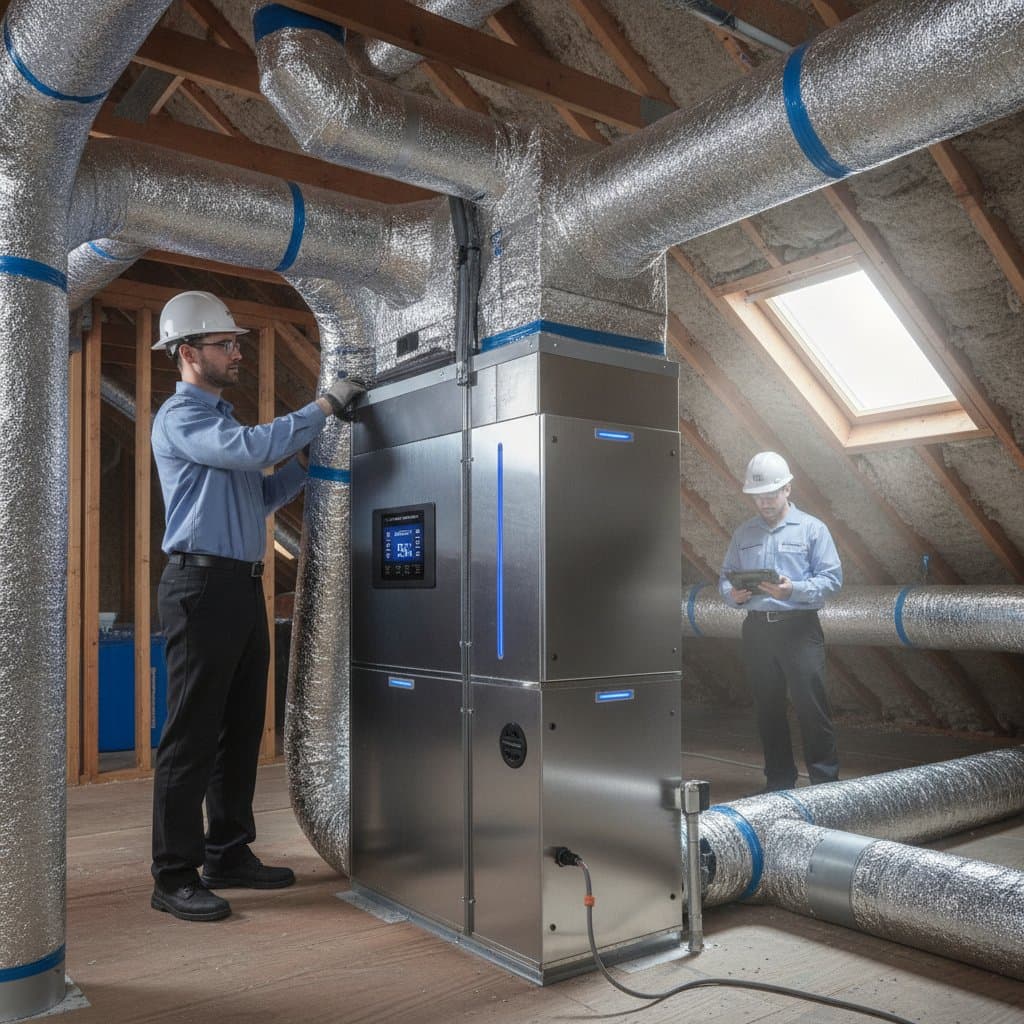
Engaging a qualified technician aids in selecting climate-appropriate equipment and guarantees reliable, efficient setup.
Steps in the Heat Pump Installation Process
Installation follows a structured approach to integrate the system seamlessly into your home.
-
Initial Home Evaluation: Technicians assess size, insulation levels, and existing infrastructure to recommend suitable options.
-
Equipment Selection: Choose capacity and features aligned with comfort needs and financial plans.
-
Site Preparation: Prepare locations for indoor and outdoor components; for ductless, drill minimal holes for connections.
-
Assembly and Linkage: Position units, connect lines, and add refrigerant as needed.
-
System Testing: Verify functionality, detect leaks, and confirm efficient heating and cooling.
-
User Guidance: Receive instructions on daily operation and basic maintenance before completion.
Frequently Asked Questions
How Much Savings Can Homeowners Expect from a Heat Pump?
Typical savings range from $400 to $500 annually on energy costs. Factors include local utility rates, existing system efficiency, and home insulation quality.
Can Heat Pumps Function Effectively in Cold Climates?
Modern designs handle sub-freezing temperatures with high efficiency. In very harsh winters, pairing with a backup source adds assurance.
What Is the Expected Lifespan of a Heat Pump?
Regular maintenance extends life to 15 years or beyond. Geothermal models endure longer due to sheltered ground components.
Are Rebates or Incentives Available for Heat Pumps?
Numerous programs offer rebates for energy-efficient installations. Check federal tax credits, state initiatives, and utility rebates to reduce upfront costs significantly.
Strategies for Maximizing Heat Pump Benefits
To fully capitalize on a heat pump investment, focus on complementary practices. Improve home insulation to retain conditioned air, and use programmable thermostats for precise control. Schedule annual professional inspections to catch issues early. These steps amplify savings, enhance comfort, and extend system life, turning your heat pump into a cornerstone of efficient, sustainable home management.