Understanding Heat Pump Water Heaters and Their $500 Annual Savings Potential
The Efficiency Edge of Heat Pump Water Heaters
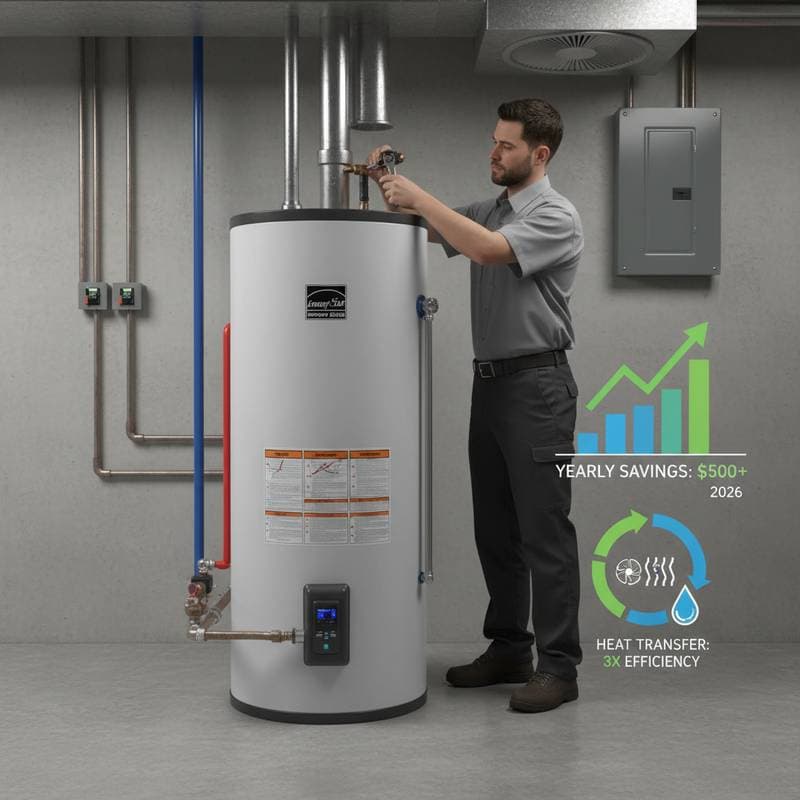
Homeowners seeking to lower utility expenses and reduce energy consumption increasingly choose heat pump water heaters. These systems deliver up to three times the efficiency of conventional electric models, yielding average annual savings between $400 and $600. As energy prices continue to rise, such improvements directly impact household finances.
This guide outlines the mechanics of heat pump water heaters, factors driving their superior efficiency, associated costs, variables influencing savings, and strategies for selecting an appropriate unit. It features a brand comparison table, maintenance recommendations, and guidance on obtaining installation estimates from professionals.
The Mechanics Behind 3X Efficiency in Heat Pump Water Heaters
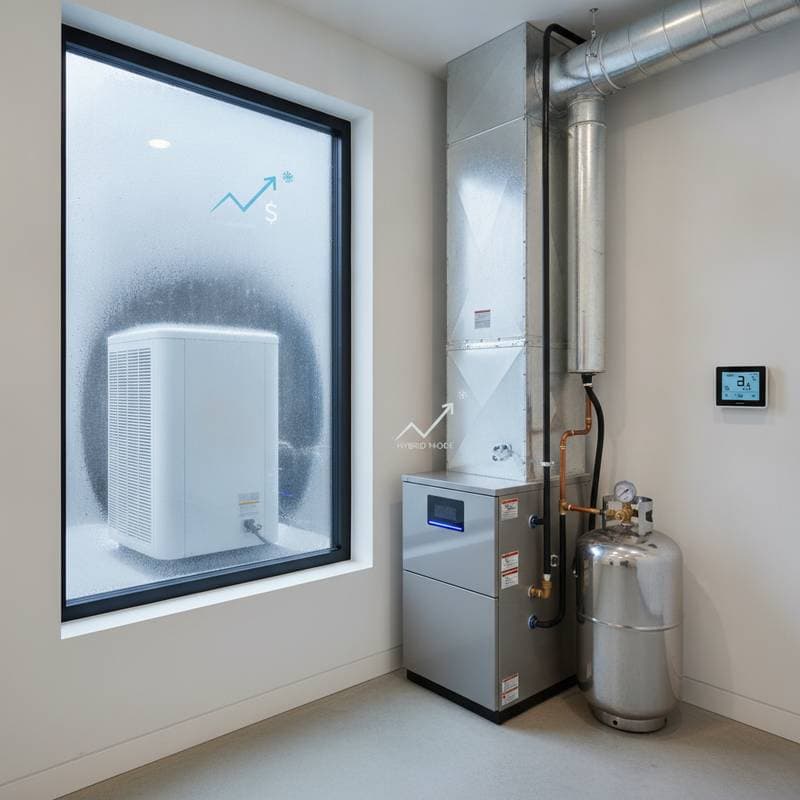
Conventional electric water heaters generate heat through resistance elements. Heat pump water heaters, however, extract and transfer heat from surrounding air to the water reservoir, consuming significantly less electricity in the process.
Step-by-Step Operation
- The unit pulls in ambient air from the installation area.
- A refrigerant captures heat from this air.
- The refrigerant undergoes compression, elevating its temperature.
- This heated refrigerant then transfers warmth to the water within the tank.
- Cooler air exhausts back into the space.
The cycle continues until the water attains the set temperature. By relocating heat rather than producing it anew, the system attains 300 percent efficiency, delivering three units of heat output per unit of electricity input.
Calculating Energy Savings and Return on Investment
An average household relies on a standard electric water heater for annual water heating expenses of $500 to $700. Transitioning to a heat pump model typically lowers this figure to $150 to $250, generating roughly $500 in yearly savings. Across a decade, these reductions accumulate to $5,000 or greater.
Payback periods vary based on regional electricity tariffs, household occupancy, hot water demand, and incentive programs. Utilities and government initiatives frequently provide tax credits or rebates that diminish initial expenses, accelerating financial recovery.
Key Cost Considerations for Heat Pump Water Heaters
Multiple variables determine the overall expense of acquiring and setting up a heat pump water heater. Grasping these elements enables precise budgeting.
Unit Capacity and Sizing
Families with higher demands require tanks of 50 to 80 gallons, which carry premium prices yet ensure sufficient supply for several users. Smaller residences benefit from 40-gallon options at reduced costs.
Efficiency Specifications
Prioritize units with a Uniform Energy Factor exceeding 3.0. Although higher-rated models involve greater upfront investment, they yield amplified savings over time.
Site-Specific Installation Challenges
Expenses fluctuate according to the unit's placement, existing plumbing configuration, and necessary electrical modifications. Substituting a prior electric system proves straightforward, whereas adapting from gas may necessitate wiring updates or venting alterations.
Professional Labor Expenses
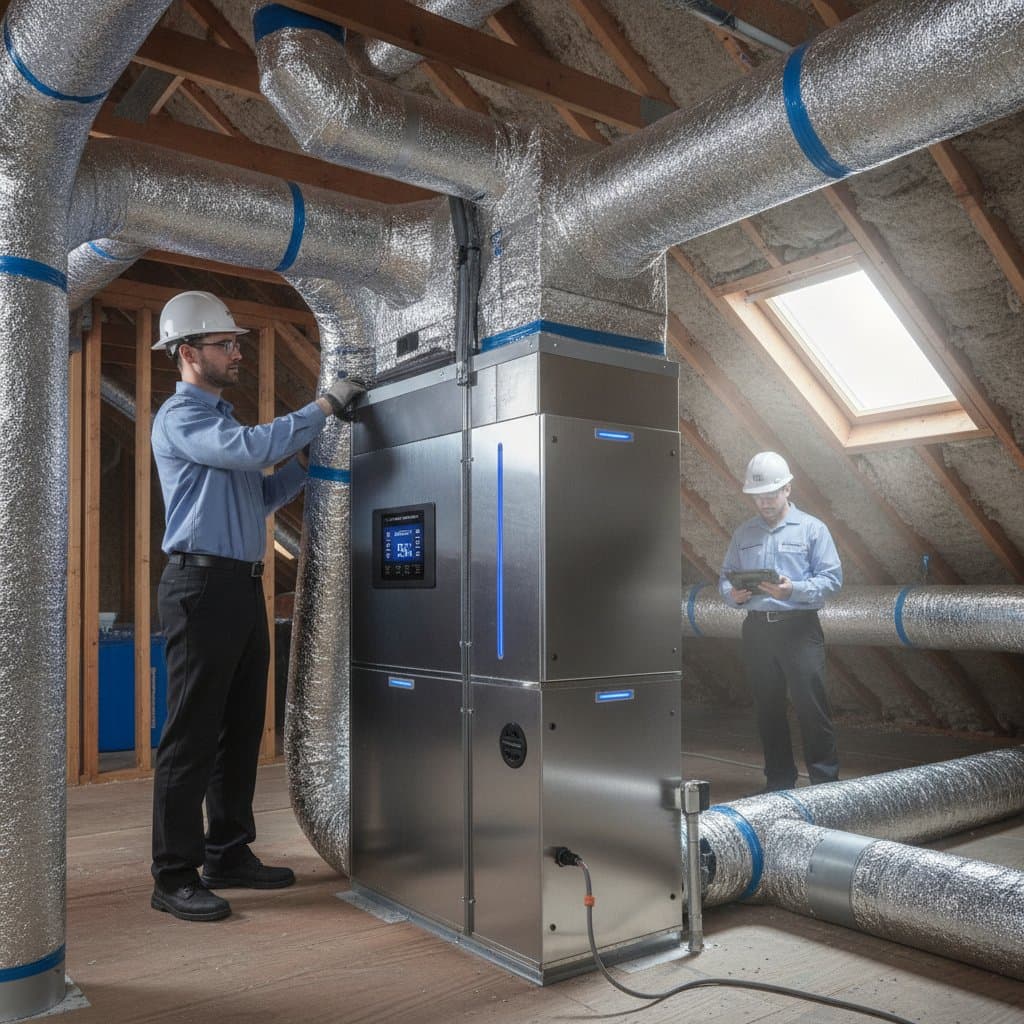
Installation by certified technicians generally spans $800 to $1,500, influenced by regional rates and project complexity. Engaging experienced HVAC or plumbing specialists guarantees correct assembly and preserves manufacturer warranties.
Environmental and Space Demands
These units demand sufficient ventilation and ambient temperatures above 40 degrees Fahrenheit for optimal function. Confined or chilly spaces might require supplementary ductwork or airflow enhancements.
Available Financial Incentives
Programs from utilities and governments commonly rebate $200 to $1,000 for qualifying ENERGY STAR units. Such support trims initial outlays and expedites cost recovery.
Brand Comparison for Heat Pump Water Heaters
| Brand | Average Unit Cost | Notable Features |
|---|---|---|
| Rheem | $1,500–$2,800 | Smart interfaces, Wi-Fi connectivity |
| A.O. Smith | $1,400–$2,600 | Reduced noise, elevated UEF scores |
| Bradford White | $1,600–$3,000 | Robust construction, extended warranties |
| GE | $1,200–$2,400 | Space-saving design, simple servicing |
| Stiebel Eltron | $2,000–$3,500 | Superior performance, precision engineering |
Brands differ in tank capacities, efficiency levels, and integrated technologies. Evaluate warranty durations, operational noise, and digital features to align with specific needs.
Essential Maintenance Practices for Optimal Performance
Regular upkeep preserves the efficiency and longevity of heat pump water heaters.
- Vacuum air filters every three months to eliminate dust accumulation.
- Drain the tank once yearly to clear mineral deposits and sustain heat transfer.
- Examine the anode rod biennially to avert tank corrosion.
- Monitor the condensate line for blockages or moisture issues.
- Ensure unobstructed vents around the unit for unrestricted air circulation.
These practices can prolong system life to 10 through 15 years while upholding energy reductions.
Frequently Asked Questions About Heat Pump Water Heaters
What Is the Expected Lifespan?
Units generally endure 10 to 15 years, surpassing many traditional counterparts. Consistent filter cleaning and professional annual reviews promote attainment of or beyond this duration.
Do They Perform in Colder Regions?
They function in low temperatures, though output diminishes below 40 degrees Fahrenheit. Placement in basements, garages, or utility areas maintains suitable conditions. Advanced models incorporate electric backup for extreme cold.
What Level of Noise Do They Produce?
Operation resembles a refrigerator's gentle hum. Insulated components in contemporary designs suppress sound, permitting indoor placement without disturbance.
Do They Affect Indoor Humidity?
Yes, the heat extraction process concurrently removes moisture from the air. This dehumidification aids in controlling dampness in areas like basements.
How Frequently Is Servicing Required?
Annual professional inspections are advisable, encompassing refrigerant checks, coil cleaning, and electrical evaluations.
What Constitutes an Ideal Installation Site?
Select areas offering at least 700 cubic feet of volume and ample airflow. Basements, garages, and utility spaces suit best due to stable temperatures and ventilation capacity.
Securing Professional Quotes for Installation
Obtain estimates from licensed HVAC or plumbing experts to verify pricing accuracy and execution quality. Reviewing several proposals reveals competitive rates and reliable providers.
Essential Inquiries for Contractors
- Do you hold certification for heat pump water heater installations?
- Which models suit my family's hot water requirements?
- Does the estimate cover all labor and materials?
- How will you address ventilation and drainage needs?
- What timeline do you project for completion?
- Can you facilitate rebate applications?
- What warranties apply to components and workmanship?
- Do maintenance contracts accompany the service?
- How is old equipment disposal managed?
- Are unforeseen charges anticipated?
These questions foster clarity and prevent surprise costs.
Enduring Advantages of Adopting Heat Pump Technology
Heat pump water heaters extend beyond short-term financial gains to advance broader efficiency objectives. They decrease fossil fuel dependence, curb greenhouse gas emissions, and enhance residential climate control. The expelled cooler air assists in moderating indoor warmth during summer.
These installations foster enduring sustainability while delivering reliable performance. Future iterations promise further refinements in efficiency and user interfaces.
Steps to Upgrade Your Water Heating System
Installing a heat pump water heater represents a strategic approach to diminishing home energy demands. Expect $500 in typical annual reductions, which offset elevated startup costs promptly. Rebates, subdued operation, and robust construction ensure sustained value.
Assess your hot water patterns, available space, and efficiency targets prior to selection. Consult specialists in hybrid systems for tailored estimates. Proper installation paired with ongoing care yields dependable hot water and minimized expenses for years ahead.