Understanding the 18% Cost Increase from SEER3 Standards for AC Replacements
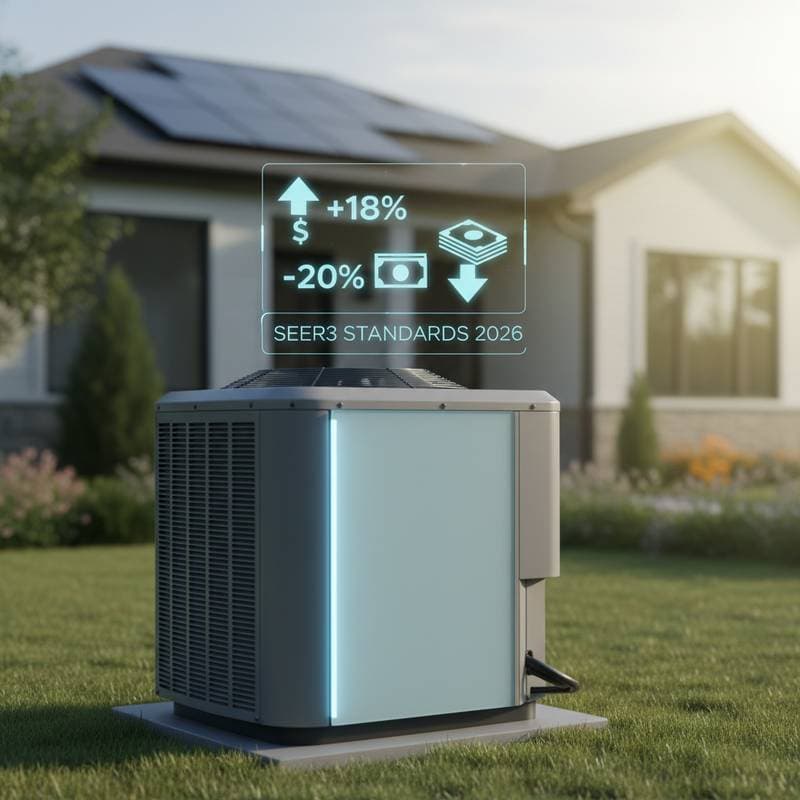
Air conditioning replacement costs will rise by about 18 percent when SEER3 efficiency standards become mandatory in 2026. The Department of Energy has introduced SEER3 as a more accurate measure of an air conditioner's electricity usage in everyday conditions. This shift promotes greater energy conservation over time, yet it elevates the price of equipment and installation. Homeowners benefit from gaining knowledge about these changes to budget wisely and select optimal heating, ventilation, and air conditioning solutions.
| Item | Average Cost Impact |
|---|---|
| Current Average AC Unit Cost | $4,500 - $8,000 |
| Expected SEER3-Compliant Unit Cost | $5,300 - $9,400 |
| Estimated Cost Increase | Approximately 18 percent |
| Long-Term Energy Savings | Up to 20 percent reduction in utility bills |
Breakdown of Average Costs for SEER3 Air Conditioners
The primary driver of higher prices stems from revised manufacturing standards that demand superior materials and design. For instance, a typical mid-range central air system, currently priced at about $6,000 including installation, may climb to around $7,000 with SEER3 compliance. High-efficiency heat pumps and variable-speed units experience even greater hikes due to their sophisticated compressors and controls. Ductless mini-split systems, prized for their targeted cooling, will also incur additional expenses from necessary upgrades to meet the new benchmarks.
Homeowners should note that these figures represent national averages; local factors such as regional labor rates and supply chain dynamics can influence final quotes. To obtain precise estimates, consult certified contractors early in the planning process.
Factors Influencing Pricing for SEER3 Systems
Multiple elements determine the total expense of a SEER3-rated air conditioning setup. These aspects impact not only the unit price but also the time required for professional installation.
Unit Size and Capacity
Homes with greater square footage demand air conditioners with higher tonnage ratings, typically from 2 to 5 tons. Larger systems incorporate more extensive coils, fans, and refrigerant lines, which amplify the cost premium under SEER3 rules. For example, a 3-ton unit might see an increase of $800 to $1,200 compared to its predecessor.
Stricter Energy Efficiency Demands
SEER3 requires units to achieve elevated performance levels through innovations like variable-speed motors and improved insulation in components. Manufacturers invest in research and production to integrate these features, resulting in higher retail prices. This investment translates to systems that consume less power during peak summer months.
Challenges in Installation
Adapting existing home infrastructure often proves necessary for SEER3 compatibility. Updates to ductwork, electrical panels, or refrigerant piping can extend labor hours and add $500 to $2,000 to the bill. Professionals recommend a pre-installation assessment to identify potential modifications and avoid surprises.
Variations by Brand and Quality
Leading brands prioritize compliance by releasing advanced SEER3 models ahead of the deadline, often at a premium of 10 to 15 percent above entry-level options. More affordable brands may delay transitions, providing temporary relief but potentially limiting availability. Selecting a reputable manufacturer ensures reliability and warranty support.
Overview of SEER3-Compliant System Types
SEER3 applies across various air conditioning configurations, each suited to different home layouts and needs.
-
Central Air Conditioners: These systems deliver uniform cooling throughout the house via ductwork, now upgraded to exceed previous efficiency norms.
Pros: Consistent temperature control and substantial energy reductions.
Cons: Elevated upfront investment and dependence on existing ducts. -
Heat Pumps: Versatile units that handle both cooling and heating, ideal for moderate climates.
Pros: Dual functionality and enhanced seasonal performance.
Cons: Higher initial outlay due to integrated heating technology. -
Ductless Mini-Splits: Perfect for room-specific cooling without invasive duct installation.
Pros: Customizable zones and high efficiency in targeted areas.
Cons: Costs accumulate with additional indoor heads.
Indicators That Signal the Need for an Upgrade
Certain signs suggest it is time to replace your air conditioning system, especially with SEER3 on the horizon.
- The unit approaches 10 to 15 years of age, nearing typical lifespan limits.
- Annual repairs surpass 40 percent of a new system's value.
- Utility statements show persistent increases, even after tune-ups.
- The equipment struggles to regulate indoor temperature or humidity levels effectively.
Addressing these promptly prevents breakdowns during hot weather and positions you for SEER3 benefits.
Step-by-Step Guide to the Installation Process
Professional installation ensures SEER3 systems operate at peak efficiency. The process unfolds in clear stages.
- Initial Assessment: Technicians evaluate your home's cooling load, considering insulation, windows, and occupancy.
- Unit Selection: Choose a model that aligns with SEER3 requirements, your climate, and financial parameters.
- Site Preparation: Remove outdated equipment and prepare electrical and plumbing connections.
- Core Installation: Position the outdoor condenser and indoor components, then connect refrigerant lines.
- Testing and Verification: Run diagnostics to confirm airflow, efficiency, and safety standards.
This methodical approach minimizes disruptions and maximizes system longevity.
Estimating Labor Costs for SEER3 Installations
Labor represents a significant portion of total expenses, often ranging from $2,000 to $5,000 depending on project scope. SEER3 compliance introduces complexities like handling low-global-warming-potential refrigerants, which require specialized training and tools. Simple replacements in accessible locations stay at the lower end, while extensive retrofits in older homes push costs higher. Factor in these elements when gathering bids from multiple licensed HVAC specialists to secure competitive pricing.
Frequently Asked Questions on SEER3 Ratings
What Is the Meaning of SEER3?
SEER3 refers to Seasonal Energy Efficiency Ratio , a standardized test protocol that simulates actual operating conditions more closely than prior methods. It calculates efficiency by dividing cooling output over a season by energy input.
Do SEER3 Systems Lead to Financial Savings?
Affirmative. The enhanced efficiency offsets the initial premium through reduced electricity consumption, with payback periods typically spanning three to five years in high-use regions.
Is Immediate Replacement of My AC Necessary?
Not required. Existing units remain functional until failure, at which point all new purchases must adhere to SEER3 specifications.
How Should I Prepare for SEER3 Implementation?
Begin by reviewing your current system's performance and setting aside funds. Obtain multiple quotes and conduct a home energy audit to pinpoint inefficiencies.
Are Rebates Offered for SEER3 Upgrades?
Many utility companies and federal programs provide incentives for efficient appliances. Verify eligibility through local resources before purchasing.
Strategies to Navigate the SEER3 Transition Smoothly
Transitioning to SEER3 standards offers an opportunity to enhance home comfort and cut ongoing expenses. Start by tracking your energy usage patterns to select the right system size, avoiding over- or under-capacity issues. Engage with trusted contractors for personalized advice, and explore financing options to spread costs. Ultimately, investing in a SEER3-compliant unit positions your household for reliable performance and meaningful savings amid rising energy demands.