Moisture-Sensing Filters Slash HVAC Mold Growth 58%
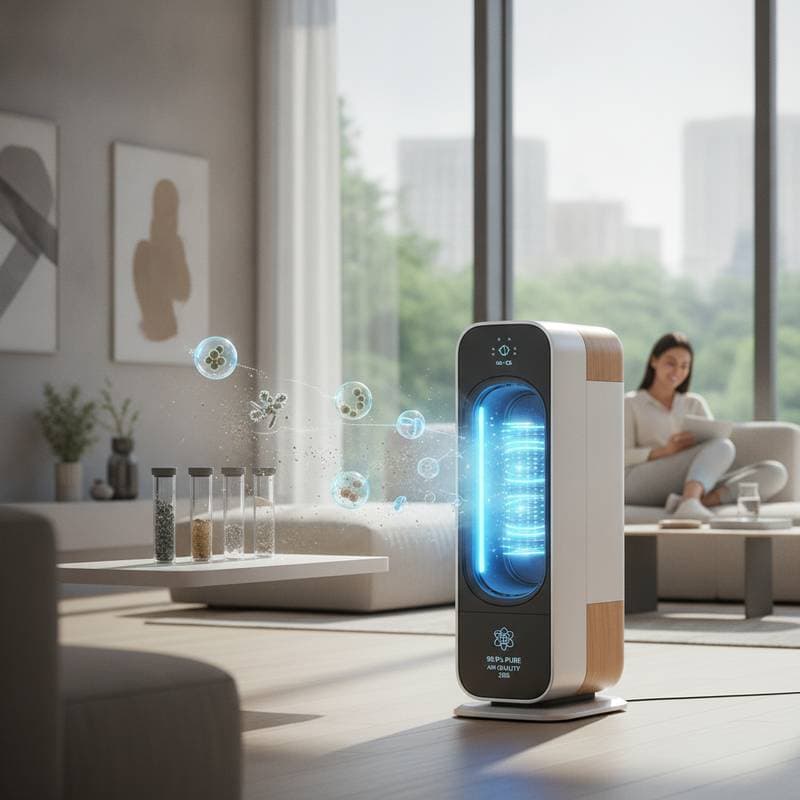
When mold starts growing inside an HVAC system, it spreads through the home and creates unpleasant odors along with health concerns. New moisture-sensing filters address this issue by detecting humidity in real time and preventing mold before it begins. These devices improve air quality, protect equipment, and lower energy use through automatic responses and antimicrobial materials.
What Moisture-Sensing Filters Include
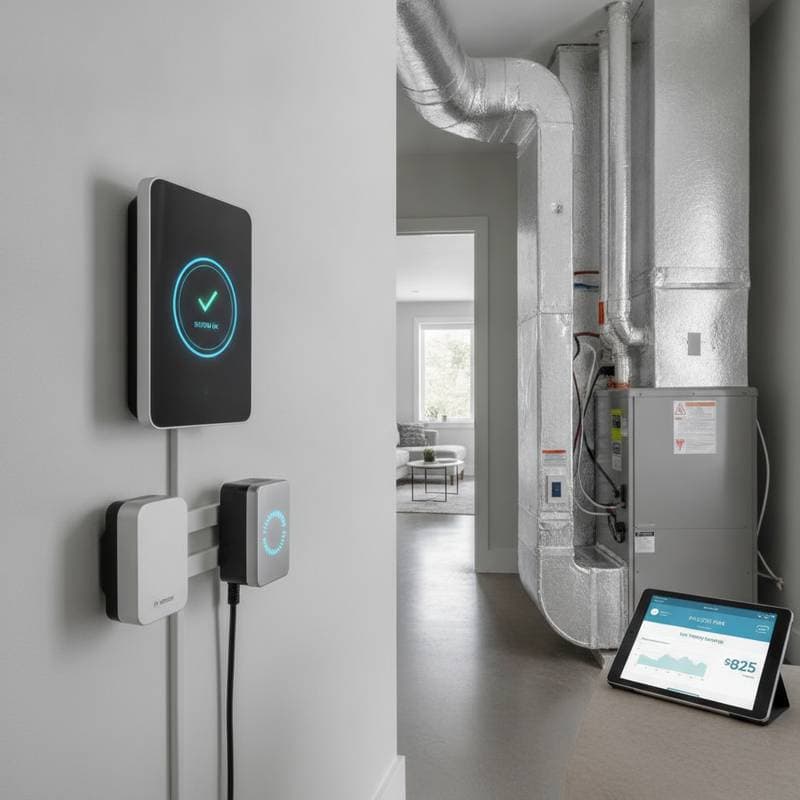
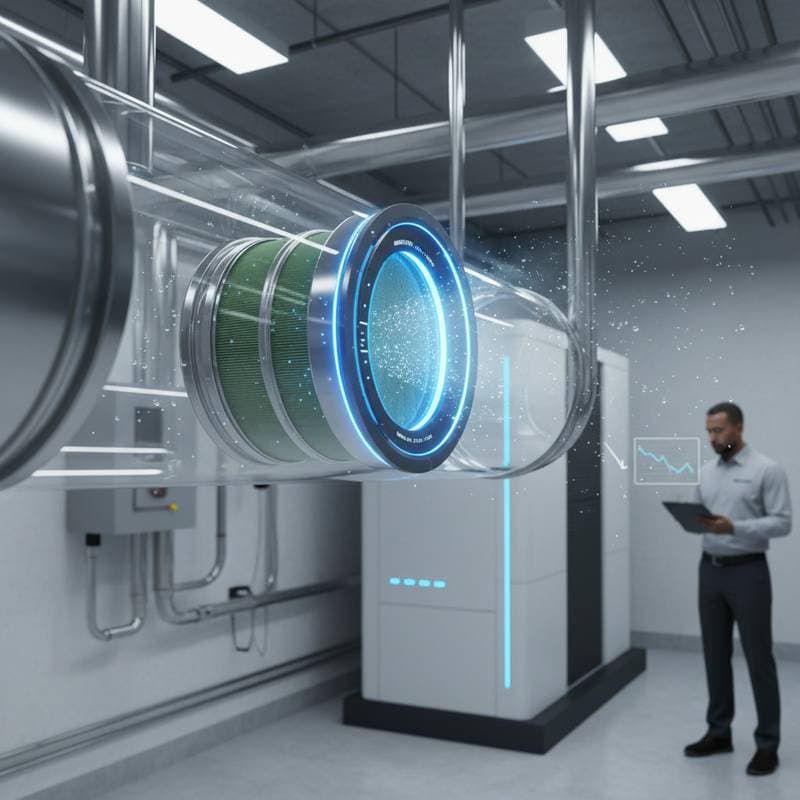
A moisture-sensing filter monitors humidity inside the air handler or ductwork. Standard filters capture dust and pollen. These advanced units add sensors that track moisture continuously. When levels rise, the system adjusts airflow or signals the HVAC unit to reduce damp conditions that support mold.
Core Components and Operation
Humidity sensors measure moisture in air moving through the filter. Smart media changes density or charge to trap more particles and limit microbial growth. Connected controls send alerts to a thermostat or phone when humidity exceeds safe limits. These elements work together to maintain cleaner air and more efficient equipment performance.
Risksin HVAC Systems
Mold grows in the moist, dark spaces inside HVAC units. Condensation on coils, ducts, or filters allows spores to settle and multiply. Once established, mold releases particles into living spaces each time the system operates.
Common indicators include musty odors during operation, dark spots near vents, allergy symptoms, and reduced airflow. Mold also clogs components, raises energy costs, and shortens equipment life.
Performance Results from Field Testing
Systems equipped with moisture-sensing filters show up to 58 percent less mold growth than those using standard filters. Early detection allows the unit to respond before condensation forms. Automatic airflow increases dry surfaces quickly. Antimicrobial coatings on the media stop spores from multiplying. Continuous monitoring replaces manual inspections and provides consistent protection.
Locations Prone to Excess Moisture
Several areas inside an HVAC system collect moisture regularly. Evaporator coils produce condensation that can remain if drain lines clog. Poorly insulated ducts allow warm and cool air to meet and form water. Traditional filters trap humidity on their surface. Standing water in drain pans creates additional breeding sites. Moisture-sensing filters manage these zones by maintaining lower humidity and issuing alerts when conditions change.
Factors That Influence Mold Prevention
Climate plays a major role. Homes in humid regions face higher mold risk and gain the most from sensor technology. Dirty coils or infrequent filter changes raise moisture levels. Poor airflow lets water settle instead of evaporating. Low-grade or mismatched filters reduce overall effectiveness. Regular professional maintenance combined with a quality sensor filter delivers the strongest defense.
Comparison of Filter Types
Traditional filters capture basic particles and require manual replacement every few months. They provide no humidity detection. Moisture-sensing filters respond automatically to humidity changes, include antimicrobial treatments, and send alerts when mold risk rises. They maintain efficiency longer and often offset their higher initial cost through reduced cleaning needs and extended equipment life.
Installation and Maintenance Steps
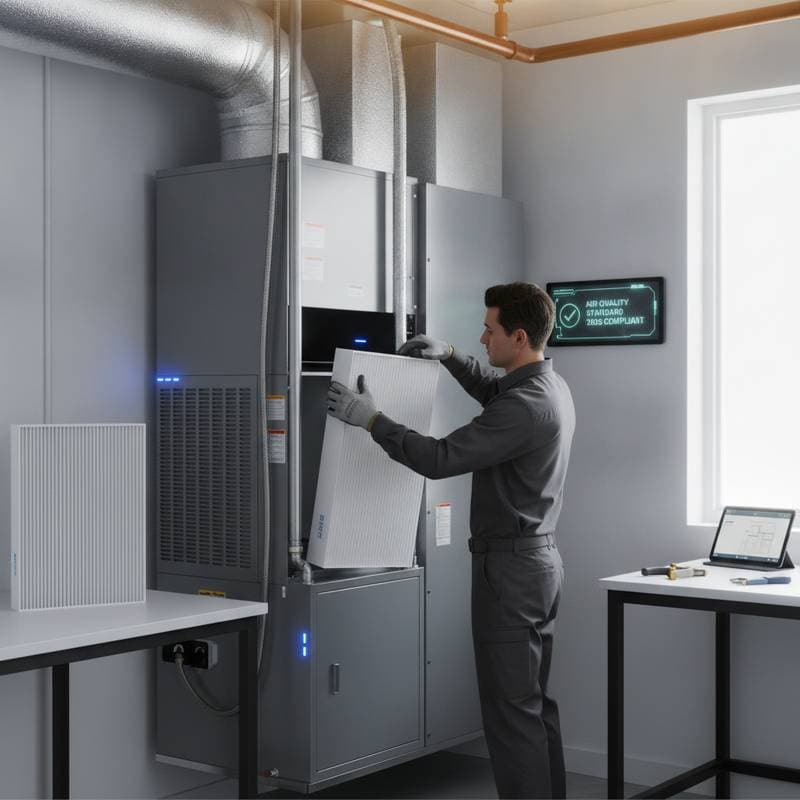
Homeowners can replace filters on schedule, clear drain lines, and watch for visible condensation. Professional service is required when mold returns despite filter changes, when sensors fail to connect, or when electrical integration is needed. A technician assesses the system, selects a compatible model, connects sensors, calibrates readings, and verifies alert functions.
Selection Criteria for Homeowners
Choose a MERV rating between 8 and 13 to balance filtration and airflow. Confirm that the filter fits the system and that sensors link to existing controls. Look for models that send maintenance reminders. Antimicrobial coatings add another layer of protection. Consult an HVAC professional to verify compatibility before purchase.
Answers to Common Questions
Built-in electronic sensors measure relative humidity and trigger responses when levels exceed a set threshold. Most units require a small power connection for the sensors while the filtration media itself operates passively. Replacement intervals range from six to twelve months depending on brand and use. Some models install directly into return vents, while others need professional integration. The long-term savings from fewer mold issues and lower energy use often justify the added expense.
Protecting Your Home with Advanced Filtration
Moisture-sensing filters give homeowners a proactive way to control humidity and limit mold. They detect problems early, respond automatically, and maintain cleaner air without constant manual checks. Homeowners who experience recurring odors or damp conditions should discuss an upgrade with a qualified technician to improve comfort and reduce future maintenance costs.