UV-C Air Purifiers Reduce Allergens and Improve Home Air Quality
If you struggle with seasonal allergies or year-round respiratory irritation, improving your indoor air quality can make a dramatic difference. UV-C air purifiers use ultraviolet light to neutralize airborne allergens, viruses, and bacteria. Homeowners investing in whole-home UV-C systems typically spend between $500 and $1,500. This guide covers how these systems work, what they cost, and the steps to install one.
| Item | Average Cost |
|---|---|
| National Average Cost | $900 |
| Typical Price Range | $500 - $1,500 |
| Extreme High-End | $2,000+ |
| Low-End Portable Unit | $150 - $400 |
Average UV-C Air Purifier Costs
Whole-home UV-C air purifiers integrate with your HVAC system. They use ultraviolet light to sterilize air as it circulates. Prices vary based on system size, brand, and installation needs.
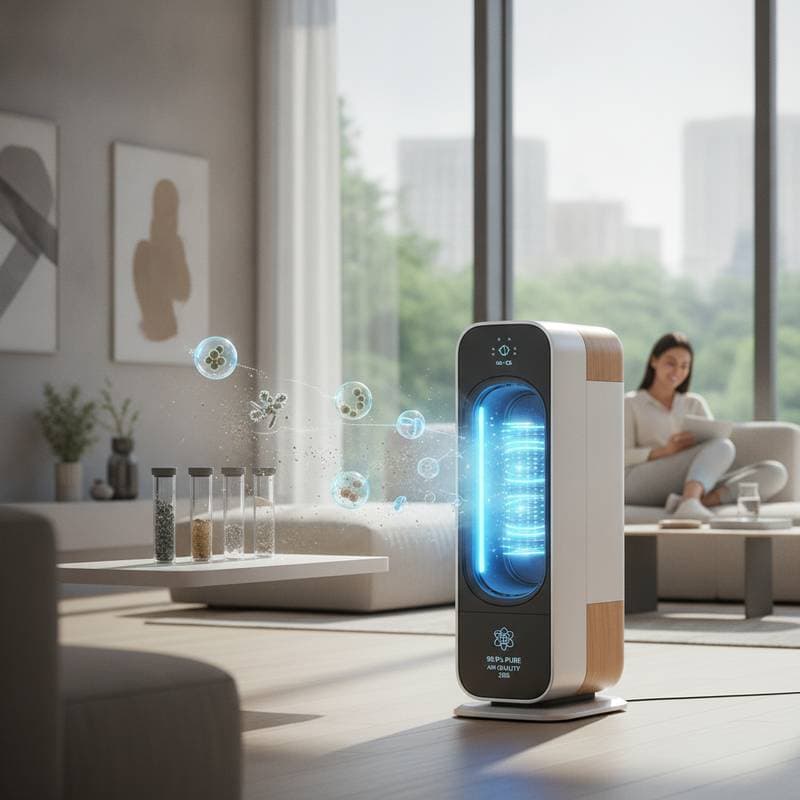
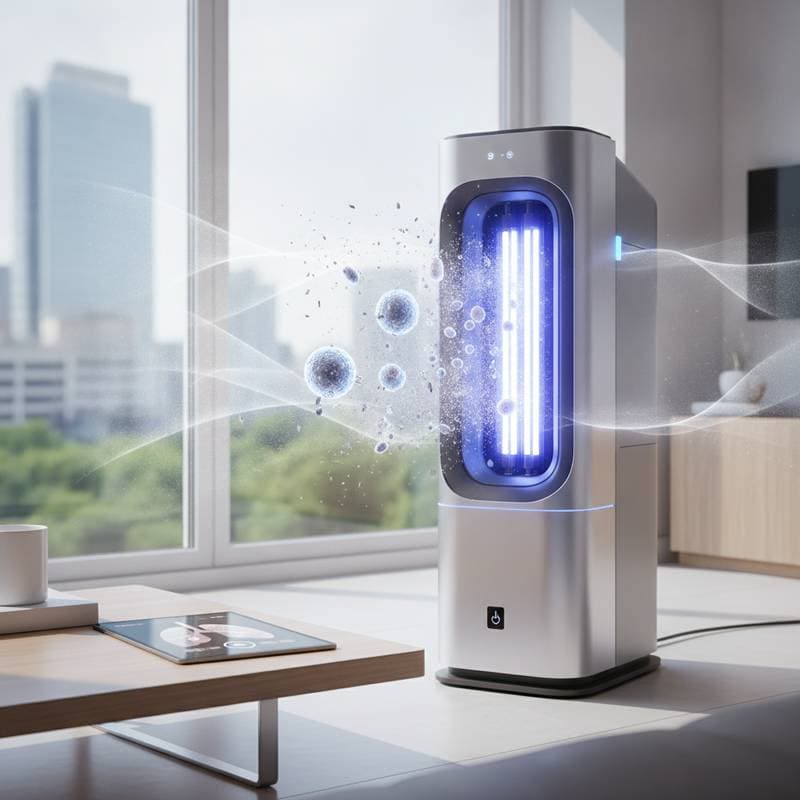
- Portable UV-C purifiers cost $150 to $400. These units suit single rooms or small apartments.
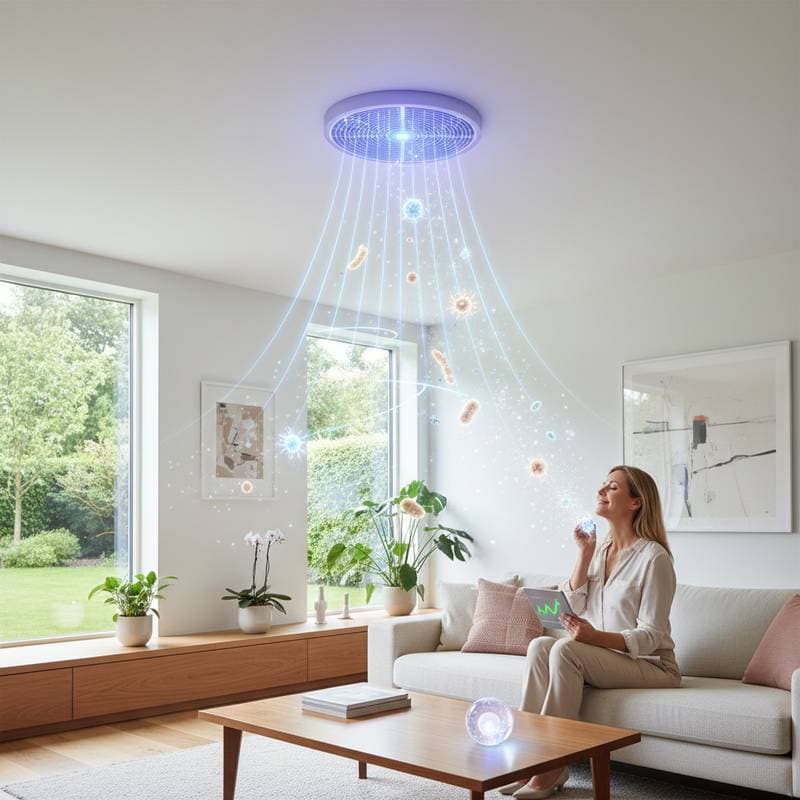
- In-duct UV-C systems range from $500 to $1,500. Technicians install them in central HVAC ductwork for whole-home coverage.
- High-end multi-lamp systems start at $1,500 and can exceed $2,000. They fit large homes or severe allergy cases.
Maintenance remains low. Replace most UV-C lamps every one or two years at $80 to $150 per bulb. Schedule professional cleaning during annual HVAC service.
Key Factors That Affect UV-C Purifier Price
Several variables shape the final cost. Understanding them helps match a system to your budget and needs.
Unit Size and Coverage
Effectiveness depends on the volume of air treated. Portable units handle one room. In-duct systems treat the full house. Larger areas require stronger bulbs and sturdier housings, which raises the price.
Brand and Build Quality
Premium brands use stronger lamps and better safety features. These models often last longer and need fewer repairs, though the initial price is higher.
Energy Efficiency
Efficient units use less electricity for the same volume of cleaned air. UV-C systems already run at low cost, yet efficiency still reduces bills during continuous operation.
Installation Complexity
Most installations require a technician. Simple jobs cost about $150. Complex duct access or older HVAC systems can reach $500 or more.
Maintenance and Replacement Frequency
Bulb life and cleaning needs affect long-term expenses. Dual-lamp designs or quartz sleeves extend service intervals and lower recurring costs.
Types of UV-C Air Purifiers
Four main types address different home layouts and allergy levels.
Portable UV-C Air Purifiers
These standalone units work in bedrooms or offices.
Pros:
- Easy to move and set up
- No professional installation required
- Lower upfront cost
Cons:
- Limited coverage area
- Frequent filter and bulb changes needed
In-Duct UV-C Purifiers
Technicians mount these units inside HVAC ducts.
Pros:
- Whole-home coverage
- Quiet operation and low maintenance
- Works with existing filters
Cons:
- Higher installation cost
- Requires professional service
Coil Sterilization UV-C Lamps
These lamps sit near the evaporator coil to stop mold growth.
Pros:
- Keeps coils clean for better HVAC performance
- Cuts mold spores
- Extends equipment life
Cons:
- Limited direct air cleaning
- Needs pairing with a separate filter
Air Sterilization UV-C Systems
These units treat air moving through the ducts.
Pros:
- Targets airborne allergens
- Raises overall indoor air quality
- Fits most central HVAC setups
Cons:
- Higher initial cost
- Needs regular upkeep
Signs You Need a UV-C Air Purifier
Watch for these indicators that your current filtration falls short:
- Persistent sneezing, coughing, or congestion indoors
- Visible dust despite regular cleaning
- Frequent sinus issues or respiratory irritation
- Musty odors from vents
- Mold near ducts or coils
- Heavy pet shedding that triggers symptoms
- Lingering smoke or cooking smells
The UV-C Air Purifier Installation Process
Professional installation keeps the system safe and effective. Expect these steps:
- A technician inspects the HVAC system and picks the best mounting location.
- The technician selects a unit sized for your home and duct layout.
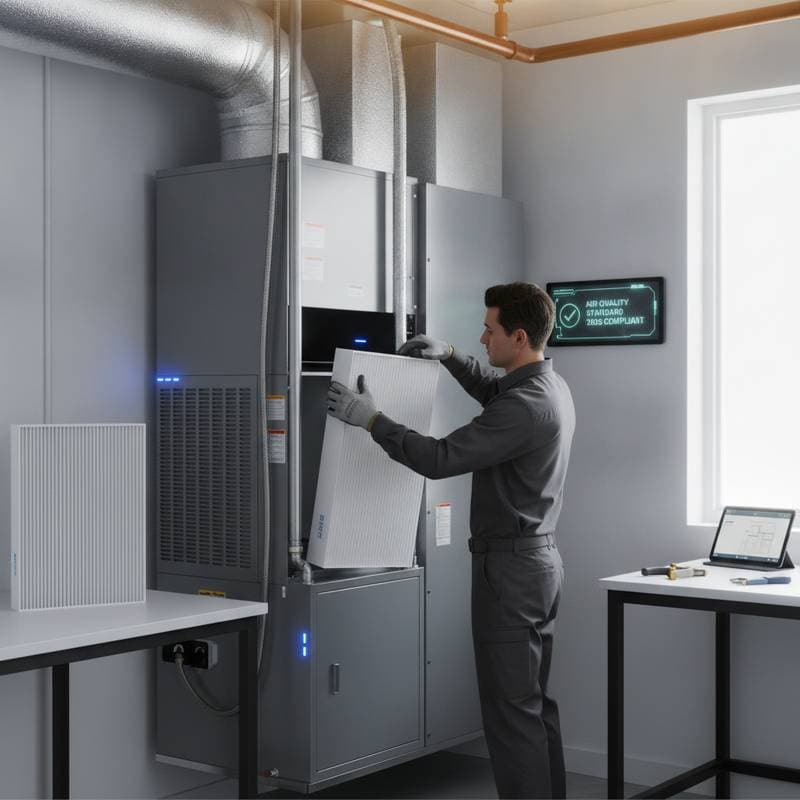
- The lamp is mounted in the duct or near the coil, then wired into the system.
- The technician tests lamp function and confirms airflow stays clear.
- You receive guidance on bulb replacement and service intervals.
The work usually finishes in a few hours, often during a routine service visit.
UV-C Air Purifier Labor Costs
Labor adds $150 to $500 to the total price. Older homes or tight duct access may increase this amount. Annual inspections cost $80 to $150 and cover lamp checks, cleaning, and bulb swaps when needed.
Frequently Asked Questions About UV-C Air Purifiers
How does UV-C light purify the air?
UV-C light breaks the DNA and RNA of bacteria, viruses, and mold spores. As air passes the lamp, these particles lose the ability to multiply or trigger allergies.
Are UV-C purifiers safe for indoor use?
Yes. Properly installed units keep all ultraviolet light inside the HVAC system or a sealed chamber, so occupants and pets face no exposure.
How long does a UV-C bulb last?
Most bulbs operate effectively for one to two years. Replace them on schedule even if visible light remains, because germicidal output drops over time.
Do UV-C purifiers remove dust or pet dander?
UV-C light handles only biological contaminants. Pair the system with a high-efficiency filter or HEPA unit to capture dust, pollen, and dander.
Can UV-C purifiers help with asthma?
By lowering airborne triggers such as mold spores and bacteria, these systems reduce asthma symptoms and support easier breathing.
Do UV-C systems work without central air?
Portable models run independently and suit apartments or rooms without ducts. In-duct units remain the best choice for whole-home treatment.
How do UV-C purifiers compare to traditional air filters?
Filters trap particles. UV-C units neutralize living contaminants. Using both technologies delivers the most complete air cleaning.
Plan Your Next Steps for Healthier Indoor Air
A UV-C air purification system offers a practical way to cut allergens and support better respiratory health. Choose between portable and in-duct models based on your home layout, then schedule professional installation and routine maintenance to keep performance steady.