CDC UV-C Air Purifier Standards for Homeowners
Homeowners who install UV-C air purification systems must follow updated CDC guidelines to ensure safety and performance. These standards address testing, ozone control, maintenance, and professional installation. Compliance protects indoor air quality while reducing risks from improper equipment use.
Verified Testing and Certification
Manufacturers submit units for independent laboratory testing that confirms microbial reduction rates. Results must show specific percentage decreases in targeted pathogens within set exposure periods. Homeowners should request documentation of these certifications before purchase.
Ozone and UV Leakage Limits
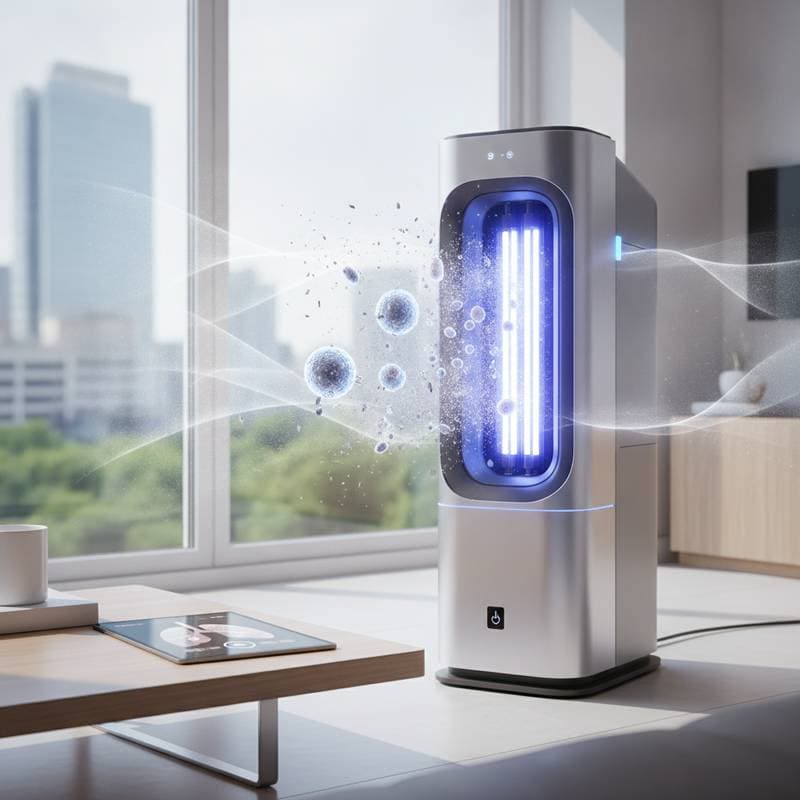
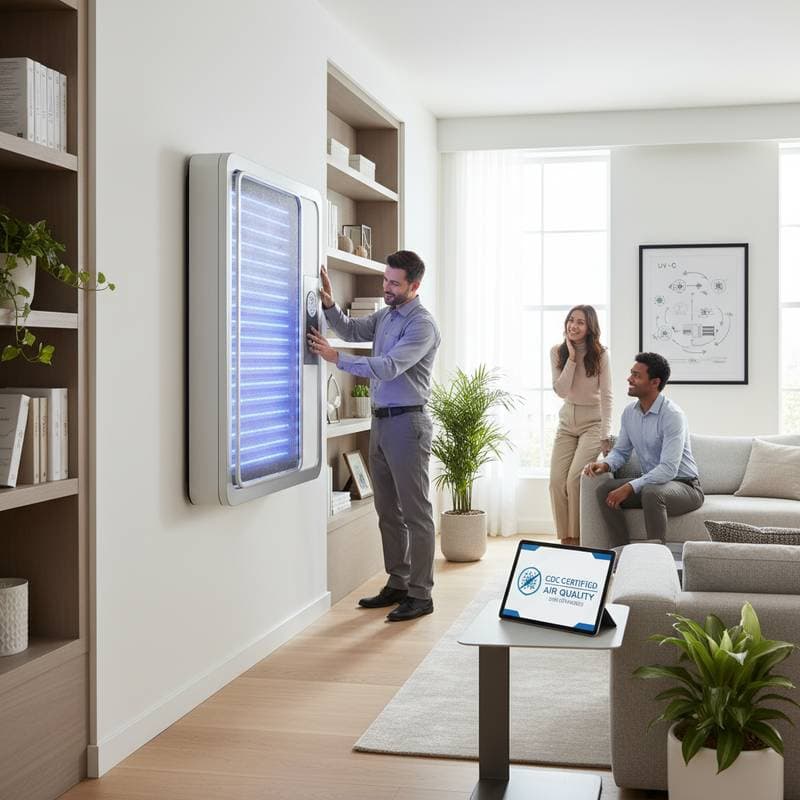
Systems must limit ozone output to safe concentrations and contain all ultraviolet light within enclosed chambers. Shielding prevents skin or eye exposure during operation. Select models that include automatic shutoff mechanisms if enclosures are opened.
Clear Maintenance Guidelines
Product manuals now include detailed replacement schedules because lamp output declines after roughly twelve months of use. Reflective surfaces require regular cleaning to sustain disinfection levels. Follow manufacturer timelines exactly to remain compliant.
Energy and Efficiency Standards
Energy efficient models reduce operating costs while meeting performance targets. Look for units that carry recognized efficiency certifications and include airflow sensors. These features help maintain consistent air treatment without excess power draw.
Installation Oversight
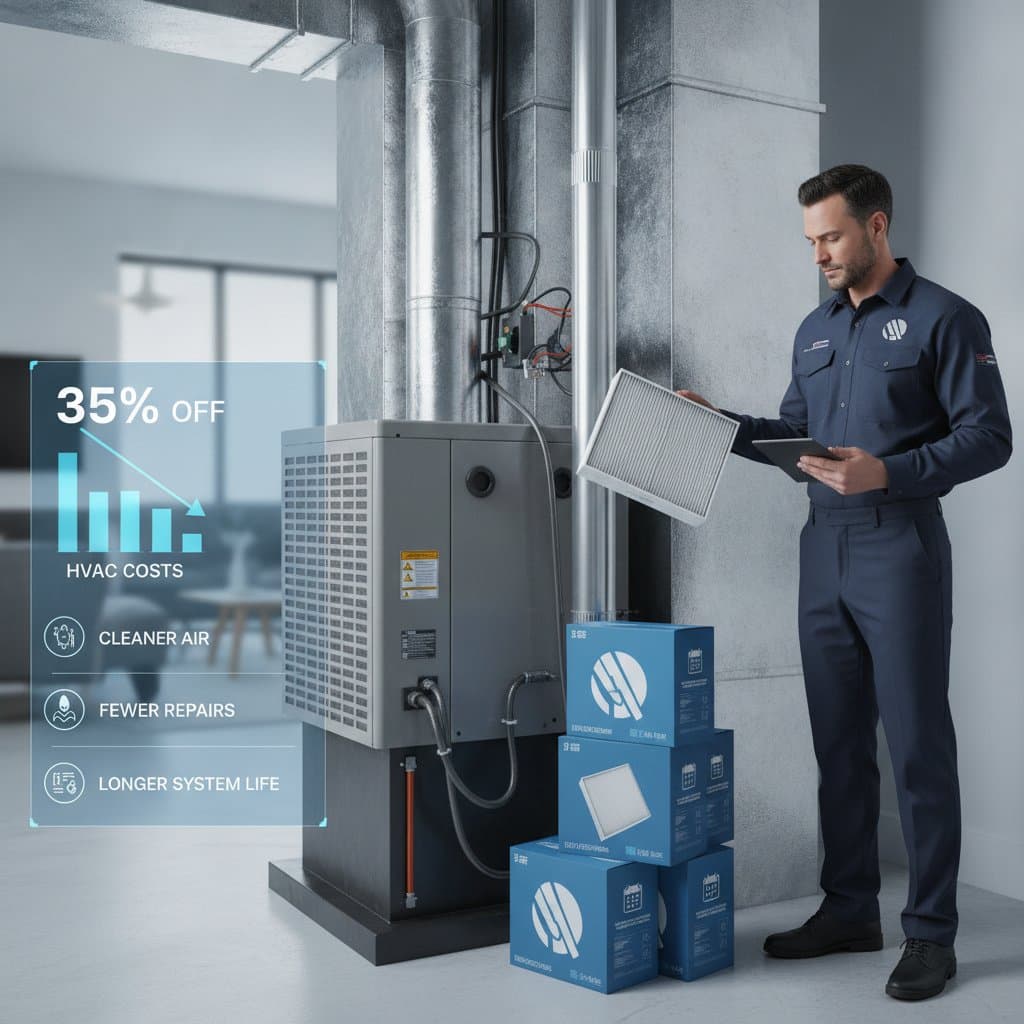
Only qualified HVAC technicians should perform installation to meet positioning and shielding requirements. Proper duct integration ensures air passes through the UV-C field at the correct velocity. Incorrect mounting can leave portions of the airstream untreated.
Factors That Affect UV-C Air Purifier Compliance and Performance
Lamp placement directly influences exposure time and overall pathogen reduction. Consistent airflow across the bulb maximizes contact. Systems that use wavelengths between 200 and 280 nanometers deliver the germicidal effect recognized by current standards.
Duct surfaces with high reflectivity increase light distribution inside the airstream. Larger homes often need multiple units sized to total air volume. Undersized equipment fails to achieve adequate turnover rates.
Homeowner FAQs About the CDC UV-C Air Purifier Rules
What does the CDC say about UV-C safety in homes?
The CDC endorses enclosed UV-C systems when installation follows manufacturer instructions. Open lamps visible to occupants violate safety limits. Professional verification confirms that no stray light escapes the housing.
Are older UV-C systems still compliant?
Older units may continue operating yet lack updated certification records. A technician can inspect housings, lamps, and ozone output to identify needed upgrades. Replacement of aging components often restores compliance.
Do the new rules apply to portable purifiers?
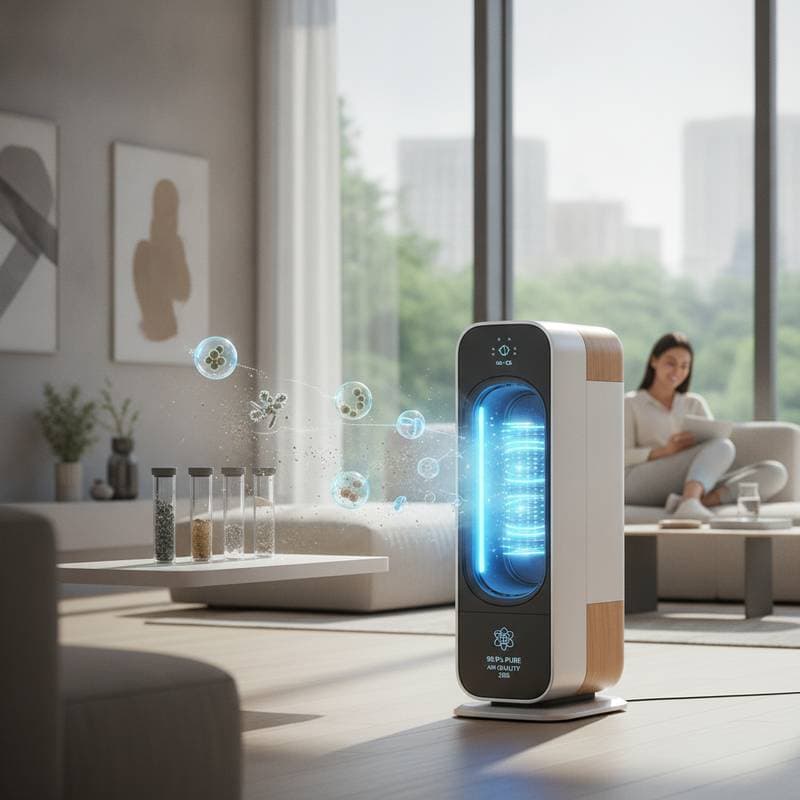
Portable units must demonstrate the same microbial reduction data and ozone limits required of duct mounted systems. Manufacturers provide test results that verify performance under standard room conditions.
How often should UV-C lamps be replaced?
Lamps lose germicidal strength after one year of continuous operation even when they still emit visible light. Replacement according to the schedule printed in the manual restores full output. Some systems include runtime counters that signal the proper interval.
Can UV-C purifiers eliminate all germs?
No single technology removes every airborne particle. UV-C reduces bacteria, viruses, and spores effectively when paired with mechanical filtration and adequate ventilation. The CDC recommends a layered approach that combines these methods.
What are the signs that a UV-C system needs maintenance?
Reduced airflow, recurring odors, or visible dust on the lamp housing indicate service is required. Indicator lights on newer models alert users to declining intensity. Schedule inspection whenever these symptoms appear.
Selecting a Qualified Installer for Your System
Licensed contractors understand airflow calculations, electrical codes, and shielding requirements. Request written confirmation that the completed installation meets CDC and manufacturer specifications. Ask about post installation testing, warranty coverage, and scheduled service visits.
Ensuring Long Term System Performance
Certified equipment, correct installation, and routine maintenance together deliver sustained air quality improvements. Homeowners who follow replacement schedules and keep records of service maintain compliance while protecting household health.