UV-C Air Purifiers Reduce Airborne Viruses by 89 Percent
Indoor air quality affects every breath you take. Many homeowners want cleaner, healthier air but remain unsure which technologies truly make a difference. UV-C air purifiers have gained attention for their ability to reduce airborne viruses dramatically. Here is what you need to know about how they work, what results to expect, and whether they suit your home.
What Is a UV-C Air Purifier
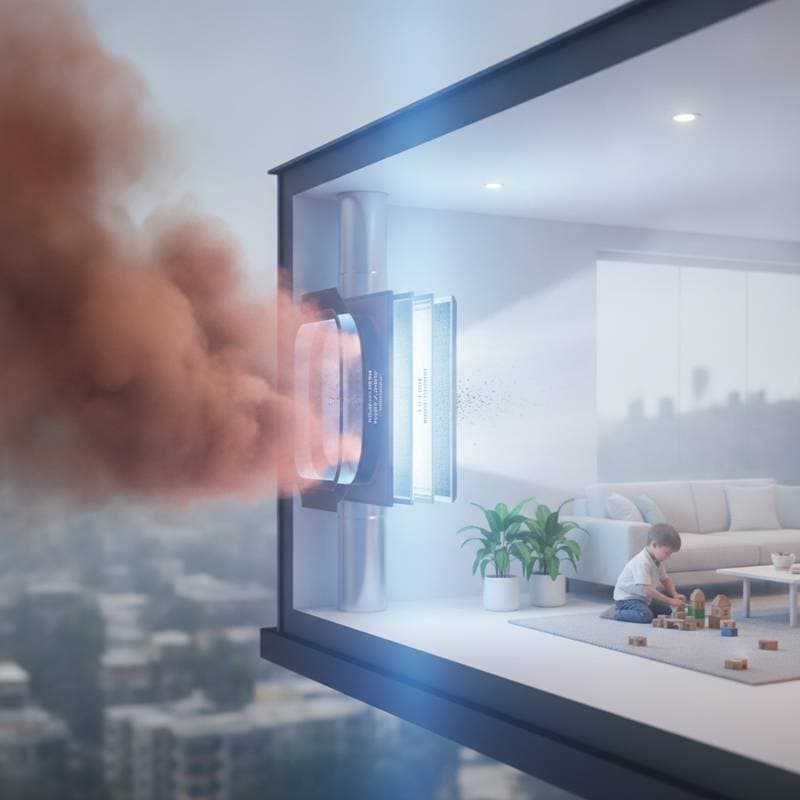
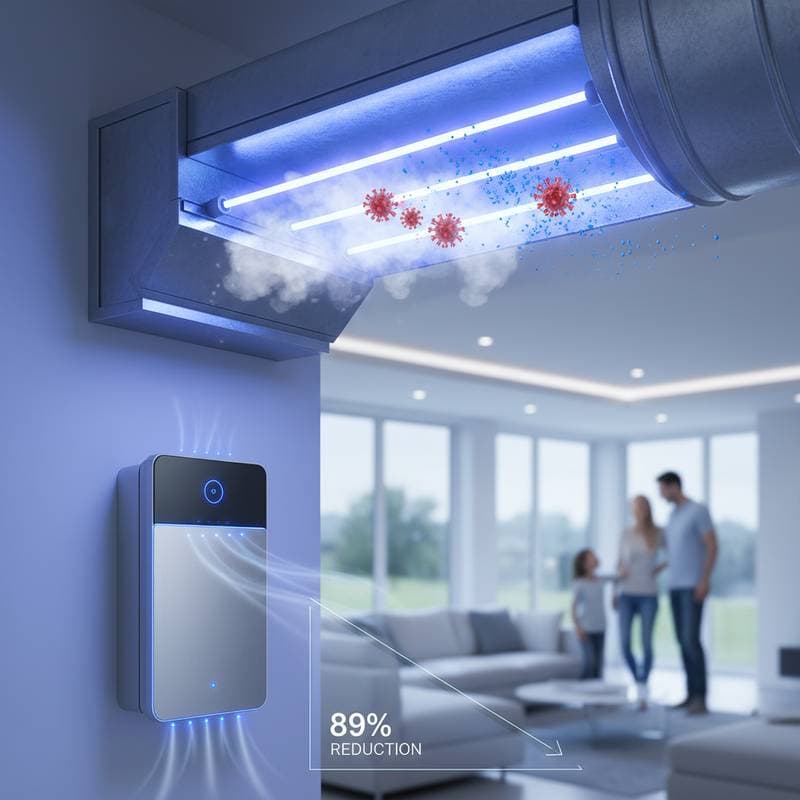
A UV-C air purifier uses ultraviolet light in the C wavelength to neutralize microorganisms. UV-C light breaks down the DNA and RNA of bacteria, viruses, and mold spores. This action prevents them from reproducing or spreading. When installed properly, these systems disinfect the air circulating through an HVAC system.
Unlike standard filters that trap particles, UV-C air purifiers actively deactivate pathogens. This capability makes them an excellent complement to high-efficiency particulate air filters or other mechanical filtration systems already in place.
How UV-C Technology Reduces Airborne Viruses
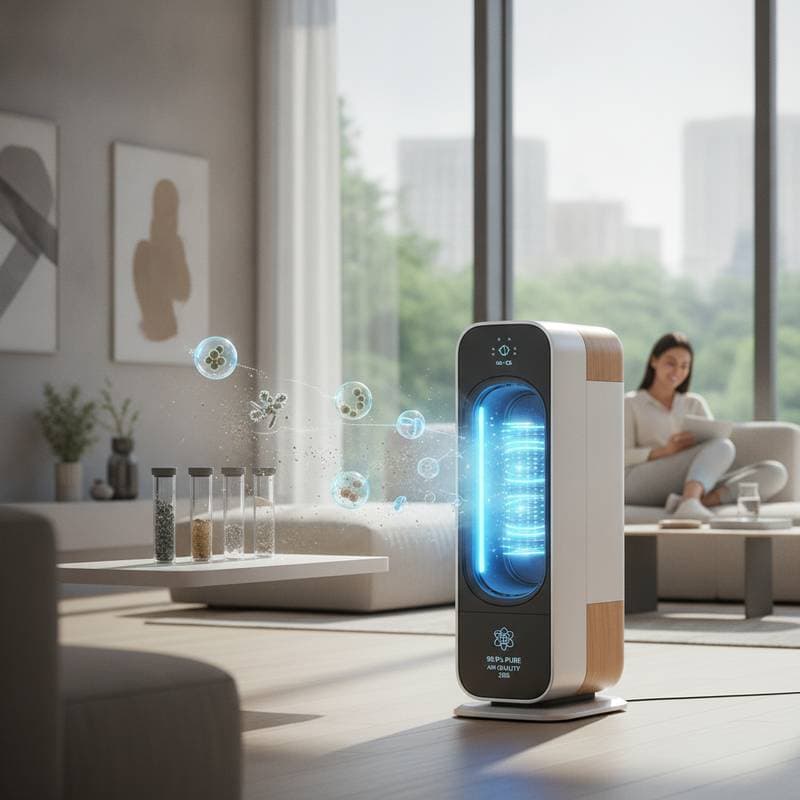
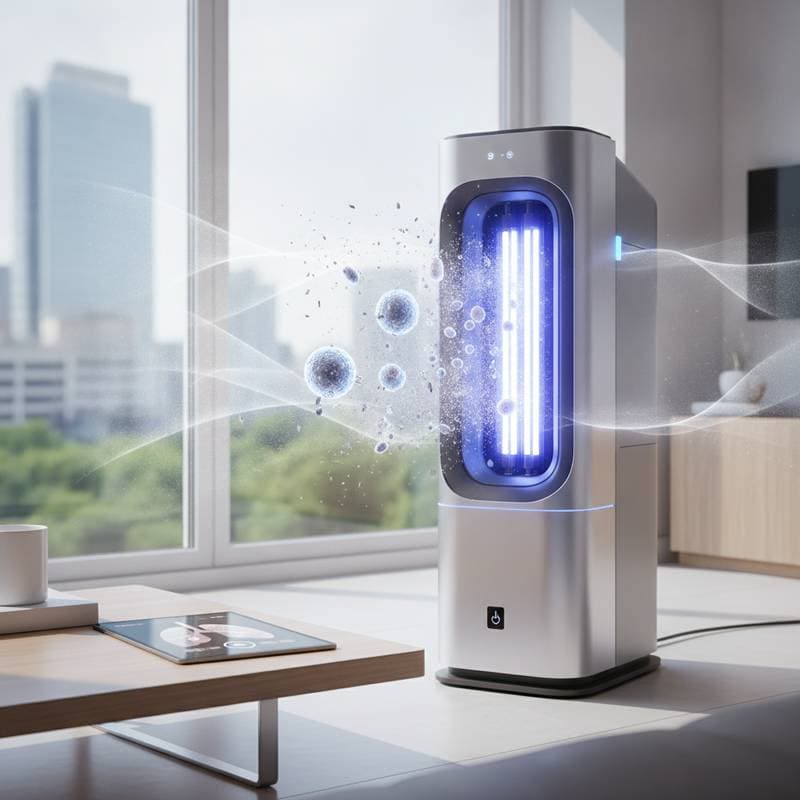
Laboratory tests show that UV-C air purifiers can cut airborne viruses by up to 89 percent. The process is simple yet powerful. As air passes through the HVAC system, the UV-C light targets viruses and other contaminants. Consistent exposure over time leads to a significant reduction in airborne viral particles.
No system removes every germ from the air. UV-C light adds a crucial layer of protection. It works continuously as the HVAC fan runs and keeps the air cleaner while reducing the spread of illness within the home.
Common Benefits of Installing a UV-C Air Purifier
Homeowners often notice several improvements after adding UV-C purification.
- Cleaner air circulation throughout living spaces
- Reduced spread of colds and respiratory illnesses
- Less odor from bacteria or mold
- Improved HVAC efficiency when paired with regular maintenance
A UV-C system helps maintain a healthier indoor environment by addressing airborne contaminants that filters alone cannot capture.
Key Factors Affecting UV-C Air Purifier Performance
Several factors influence how effectively a UV-C air purifier works in a home.
- Placement determines how much air passes by the light. Professional placement ensures maximum exposure.
- Lamp strength and quality affect disinfection rates. Higher-output lamps deliver stronger UV-C radiation.
- Airflow speed must be balanced. If air moves too quickly, exposure time decreases.
- Maintenance keeps the system performing well. Lamps lose intensity over time and require replacement every one to two years.
- System size must match HVAC capacity for even coverage.
A professional HVAC technician can assess these factors to confirm safe and efficient operation.
UV-C Systems Compared With DIY Air Cleaning Options
It may be tempting to purchase a portable UV-C device or attempt a DIY installation. Whole-home UV-C systems require precise calibration and correct lamp placement. Incorrect installation can reduce effectiveness or expose components to damage.
Homeowners can safely perform these tasks themselves.
- Replace or clean air filters regularly
- Keep vents clear and unobstructed
- Monitor humidity levels to discourage mold growth
The Professional Installation Process
- The technician evaluates the HVAC system to determine the best mounting location.
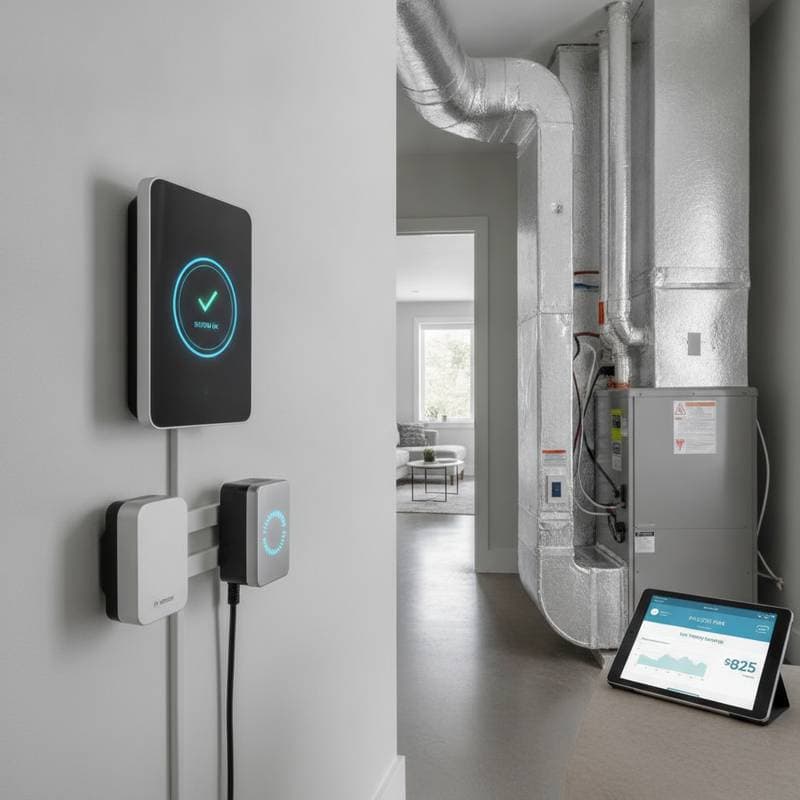
- The UV-C unit is installed inside the air handler or ductwork where passing air can be exposed to the light.
- A safe power source is connected and wiring is secured according to code.
- The technician verifies that the lamp activates correctly when the system operates.
- Instructions for safe lamp replacement and system care are provided.
Frequently Asked Questions
Are UV-C air purifiers safe for my family
Yes. When installed inside the HVAC system, the UV-C light is contained and not exposed to living spaces. Always rely on a professional installer to ensure safe placement.
How often should the UV-C lamp be replaced
Most lamps maintain effective output for about one to two years. Regular replacement ensures continuous disinfection performance.
Do UV-C air purifiers remove dust or allergens
No. UV-C light neutralizes microorganisms but does not trap particles. Pairing it with a HEPA filter provides complete air cleaning.
Can UV-C light damage HVAC components
When properly installed, the light will not damage equipment. A professional ensures the lamp is positioned safely away from sensitive materials.
Will a UV-C purifier increase my energy use
The energy draw is minimal, similar to a standard household light bulb. The system can even improve efficiency by keeping coils cleaner.
Next Steps for Healthier Indoor Air
Contact a qualified HVAC professional to evaluate your system and discuss UV-C integration options. This step supports long-term air quality improvements tailored to your home.