How Will the 2026 EPA Rules Affect UV-C Air Purifiers?
Understanding the 2026 EPA Rules for UV-C Air Purifiers
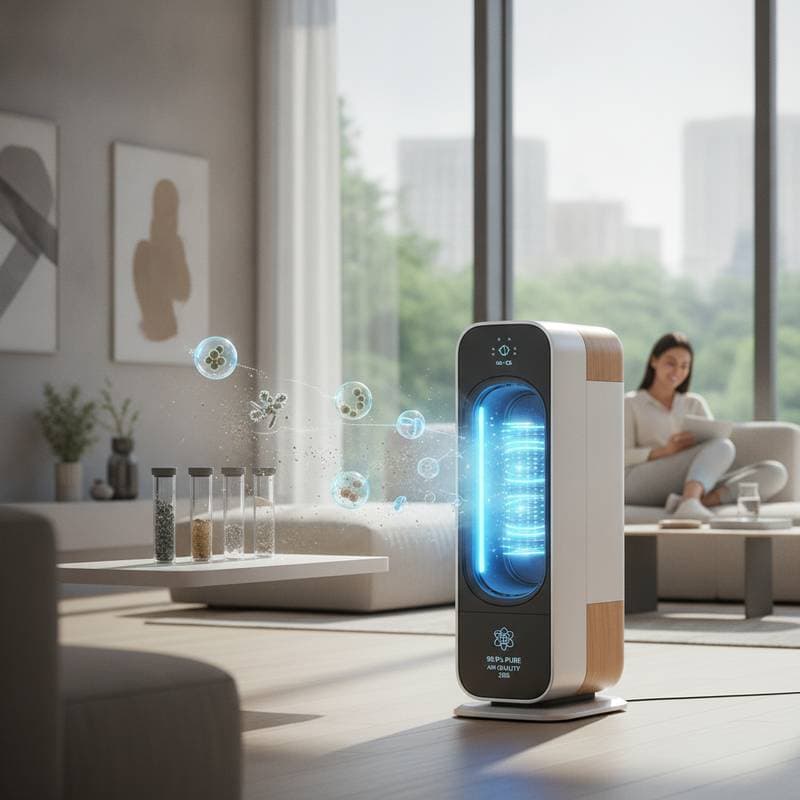
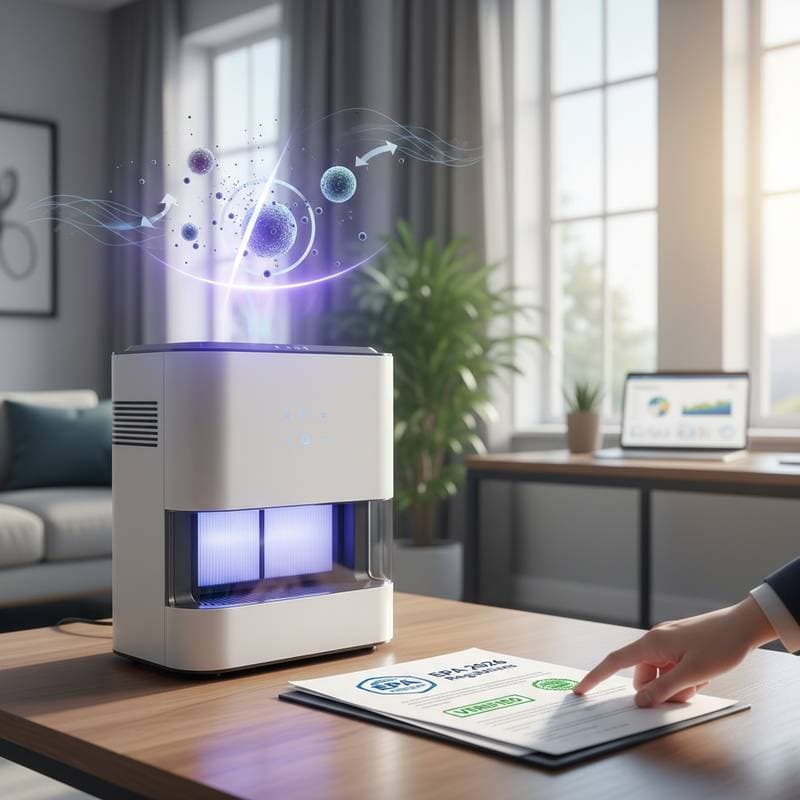
UV-C air purifiers have become a common feature in homes and businesses seeking cleaner indoor air. These systems use ultraviolet light to neutralize airborne pathogens and allergens. With new Environmental Protection Agency regulations taking effect in 2026, manufacturers and homeowners should understand how these rules influence product standards, labeling, and safety requirements. The upcoming guidelines aim to ensure that UV-C air purifiers meet higher safety and performance standards while maintaining effective air purification results.
This article explains what the 2026 EPA rules cover, how they may affect current and future UV-C products, and what consumers should know when purchasing or maintaining a purifier.
What Are the 2026 EPA Rules for UV-C Air Purifiers?
The 2026 EPA rules focus on improving the safety, testing, and environmental compliance of UV-C air purification systems. The regulations are designed to ensure that all devices marketed as air purifiers meet consistent filtration and disinfection standards while limiting harmful emissions such as ozone.
Key points in the EPA new framework include:
- Enhanced product testing before certification to verify germicidal effectiveness and mechanical safety.
- Updated labeling requirements that clearly identify UV wavelength output, energy use, and verified performance.
- Stricter ozone emission limits to reduce potential respiratory health risks.
- Manufacturer reporting obligations to ensure transparent production and environmental practices.
How These Regulations Influence the Air Purification Industry
The updated EPA rules will reshape how UV-C devices are marketed and tested. Manufacturers will need to align their production processes with stricter safety and environmental guidelines. For consumers, this means that certified air purifiers will offer more reliable performance data and evidence of compliance.
| Regulation Focus | Expected Impact | Details |
|---|---|---|
| Product Testing | Higher quality assurance | Third-party lab verification required |
| Labeling | Clearer consumer information | Energy and UV output must be listed |
| Ozone Emission Limits | Safer indoor air | Maximum allowable output reduced |
| Manufacturer Accountability | Greater transparency | Annual compliance reports mandated |
Homeowners using older UV-C systems do not need to replace their units immediately. They should verify whether their devices comply with the new standards once enforcement begins.
Why These Standards Matter for Homeowners
The EPA updated regulations are designed to protect both users and the environment. Poorly designed UV-C systems can produce ozone or ineffective sterilization if not properly calibrated. By enforcing stricter oversight, the EPA helps consumers choose systems that deliver measurable air quality improvements without added risks.
Key benefits for homeowners include:
- Improved safety assurance through verified testing.
- Reduced health hazards from ozone or UV exposure.
- More accurate product performance data for informed purchasing.
- Better long-term reliability of certified systems.
Preparing for the New Standards
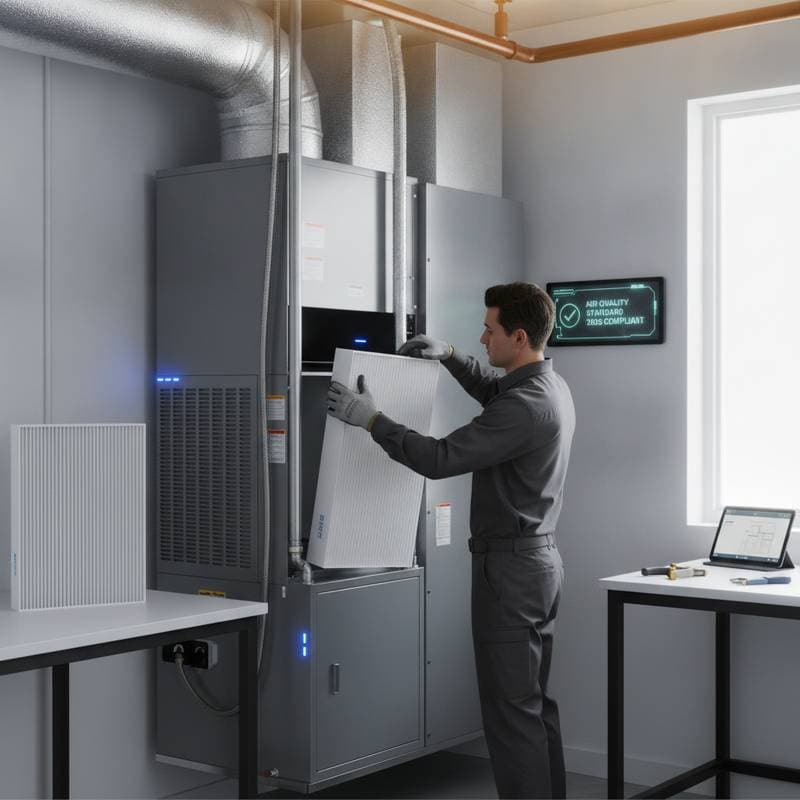
Homeowners considering a UV-C air purifier should review product specifications carefully. Look for EPA registration numbers, third-party testing certifications, and labels confirming compliance with emission limits. Contractors and HVAC professionals can also help by recommending units that already meet or exceed the 2026 standards.
Questions to Ask Before Buying
- Is the purifier tested and certified under current EPA guidelines?
- What is the UV-C wavelength output and coverage area?
- Does the device produce any measurable ozone?
- What maintenance is required to keep it effective?
- How long is the manufacturer warranty and service support?
Choosing Compliant UV-C Systems
The 2026 EPA regulations for UV-C air purifiers will create a safer, more transparent marketplace. Homeowners who understand these standards can make better decisions about air purification systems that protect their families and improve indoor air quality. Selecting an EPA-compliant unit provides confidence that the device meets verified safety and performance expectations.