How UV-C Filtration Reduces Airborne Allergens by Up to 89 Percent
If you or your family members struggle with allergies, you know how frustrating it can be to find lasting relief. Dust mites, pet dander, mold spores, and bacteria circulate through your home air every time the HVAC system runs. UV-C filtration offers a proven method to address these issues at the source.
What UV-C Filtration Involves
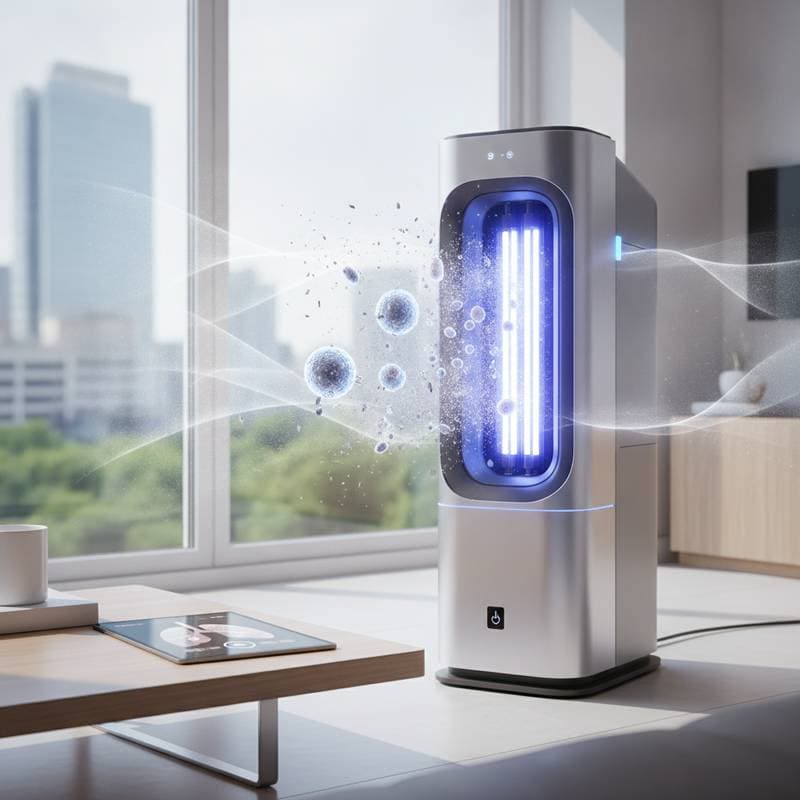
UV-C filtration uses ultraviolet light in the C spectrum to neutralize microscopic contaminants. This short-wavelength light damages the DNA and RNA of microorganisms such as bacteria, mold, and viruses. Once exposed, these particles can no longer reproduce or spread.
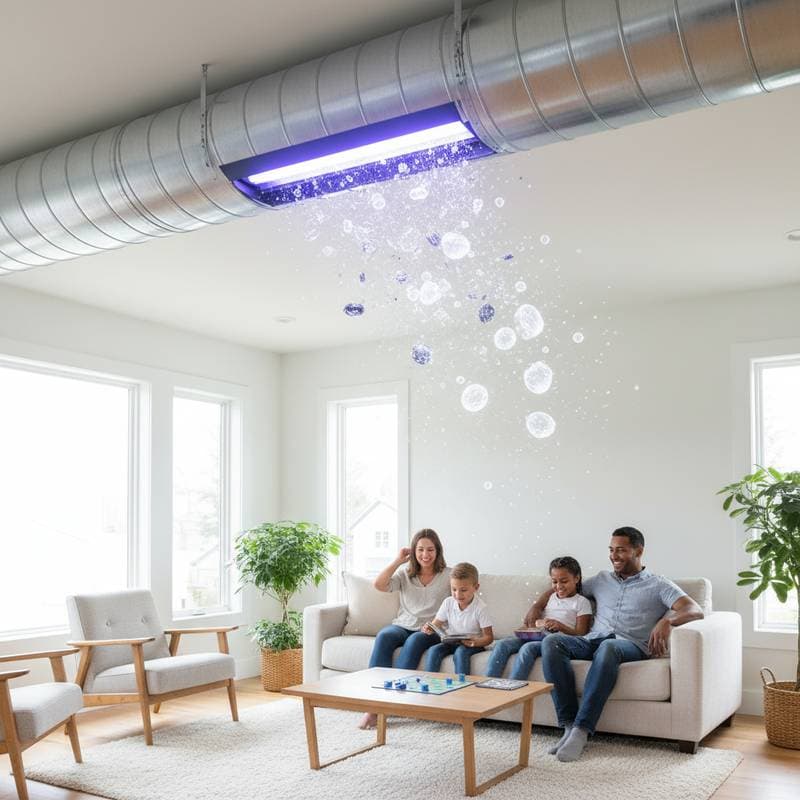
When integrated into a home HVAC system, a UV-C air purifier works continuously as air cycles through the ducts. The light targets airborne pathogens and breaks them down before they reach living spaces. Unlike traditional filters that trap particles, UV-C filtration destroys them and serves as a strong addition to any allergy control plan.
How This Approach Cuts Allergens
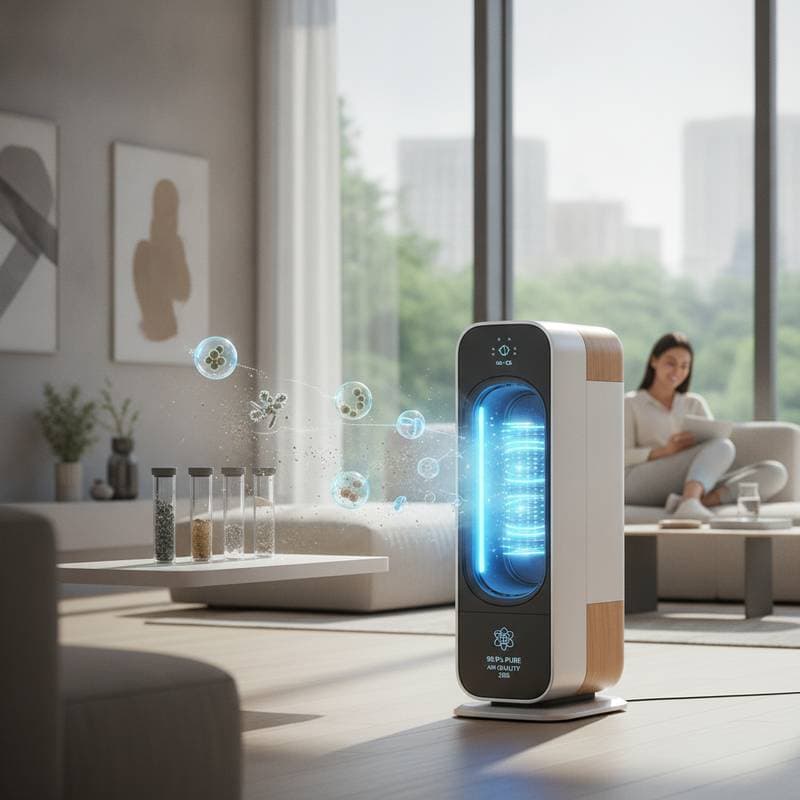
UV-C systems focus on the biological pollutants that trigger allergy symptoms. Standard filters capture dust and debris, yet UV-C light eliminates organic contaminants that cause respiratory irritation. It kills mold spores that grow in damp HVAC areas, neutralizes bacteria and viruses in air ducts, reduces pet dander and biological particles, and prevents biofilm buildup on coils.
By targeting the root cause of many allergens, UV-C filtration reduces the overall biological load in the home air supply. Over time this process can cut airborne allergens by up to 89 percent and bring meaningful relief to allergy sufferers.
Indicators of Poor Indoor Air Quality
Watch for these signs that a home could benefit from UV-C filtration. Frequent sneezing, coughing, or itchy eyes occur indoors. Musty odors come from vents. Visible mold appears near registers or on HVAC components. Dust increases even after cleaning. Family members experience allergy flare-ups at home.
Factors That Influence Performance
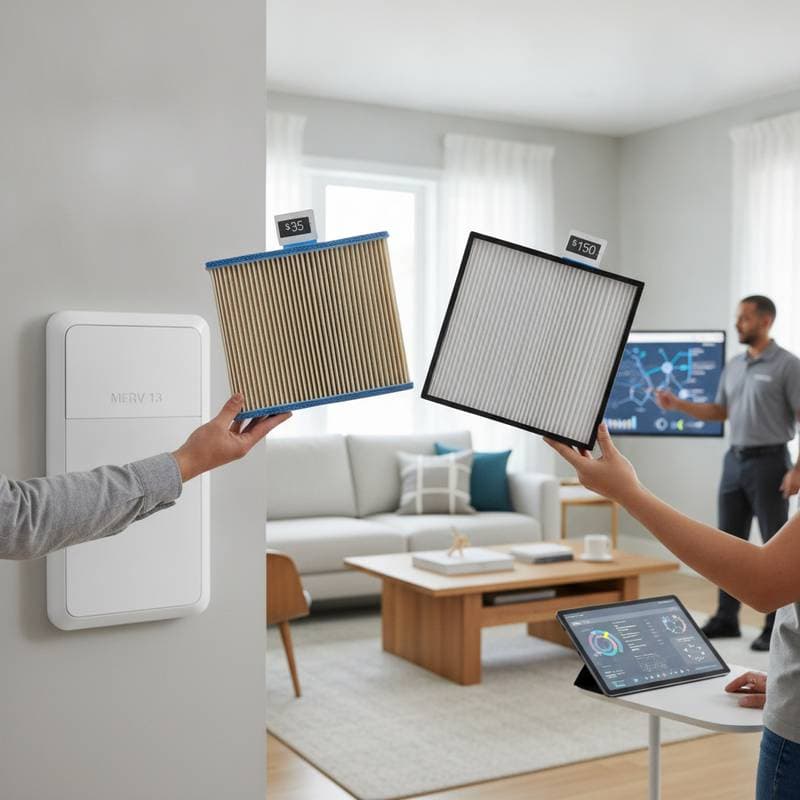
Several elements determine UV-C effectiveness. Proper placement near the evaporator coil or return duct ensures maximum airflow exposure. Lamp intensity and exposure time must be sufficient for neutralization. Regular bulb replacement maintains output levels. Larger systems may need multiple lamps. Pairing UV-C with a high-efficiency particulate filter removes dust before air reaches the lamp.
Professional Installation Steps
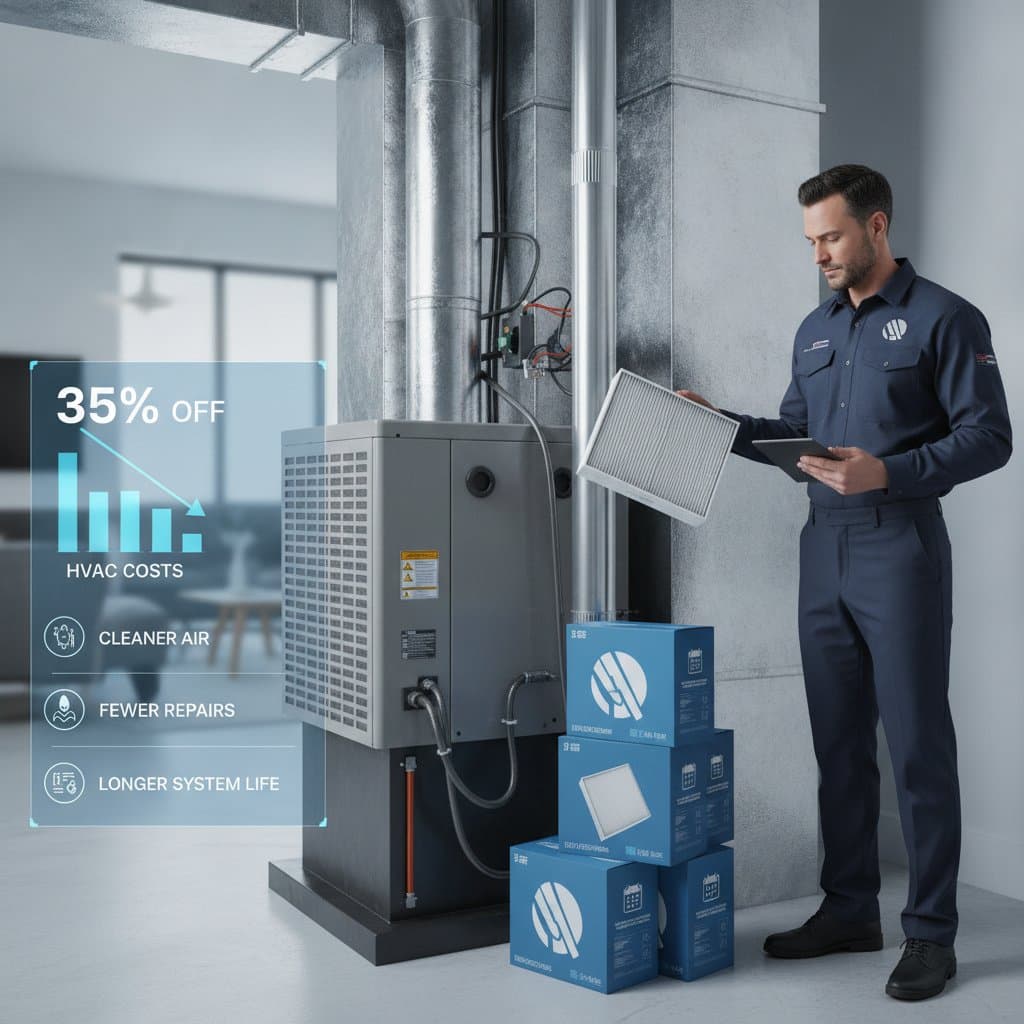
Homeowners can research compatible UV-C options and replace air filters on schedule. A licensed technician handles lamp installation, electrical connections, optimal placement, and system testing. Because UV-C light can harm skin and eyes if mishandled, professional service remains the safest choice.
Daily Operation Cycle
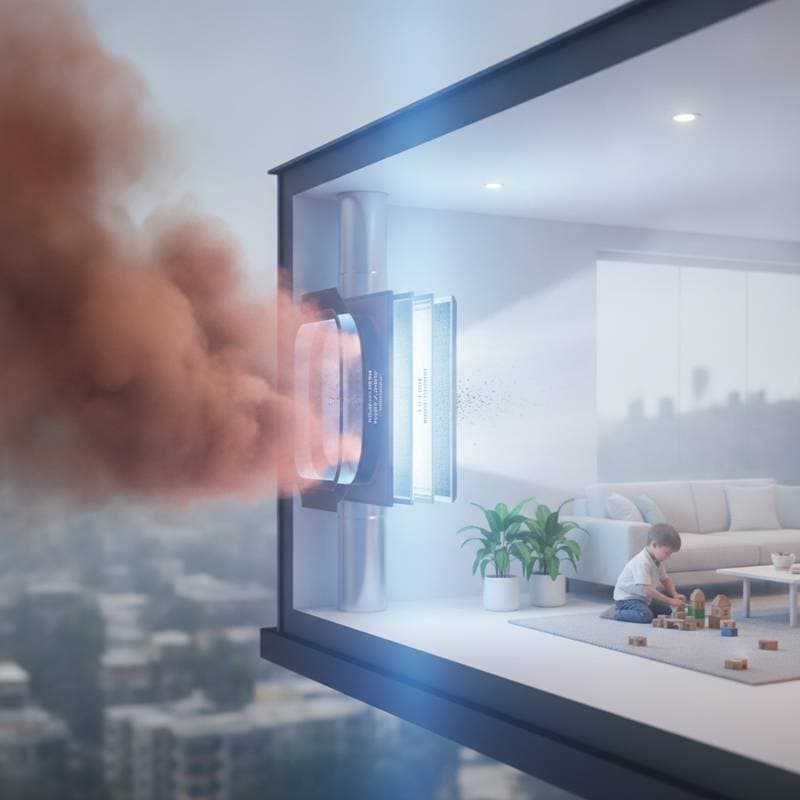
Air enters return ducts carrying dust, pollen, and microorganisms. A standard filter traps large particles. Air then passes through the UV-C chamber where high-intensity light destroys bacteria, mold spores, and viruses. Clean air circulates back into living spaces and lowers the overall allergen count.
Common Questions Answered
Most UV-C bulbs last about one year of continuous use. A technician checks lamp strength during routine maintenance. UV-C light does not remove dust or smoke, so pairing it with a HEPA filter yields the best results. When installed inside the HVAC system the light stays contained and safe for people and pets. Energy use stays minimal and coil cleanliness can improve overall HVAC efficiency.
Schedule a System Assessment
Allergy relief often begins with cleaner indoor air. UV-C filtration destroys biological allergens before they circulate and supports a healthier home environment. Contact a qualified HVAC professional to evaluate the current system and recommend an appropriate UV-C solution.