MERV 13: The New Standard for Wildfire Smoke Protection
If you live in an area affected by wildfire smoke, upgrading to a MERV 13 air filter can significantly improve your indoor air quality. MERV 13 filters represent the current standard for wildfire smoke protection because they capture fine particles, including those from smoke, that lower-rated filters fail to trap. This guide explains the meaning of MERV 13, its importance for health, and practical steps for selecting and maintaining the appropriate filter for your home.
| Key Detail | Quick Facts |
|---|---|
| Recommended Filter Rating | MERV 13 |
| Particle Size Captured | As small as 0.3 microns |
| Common Uses | Homes in wildfire-prone or high-pollution areas |
| Typical Cost Range | $15 to $45 per filter |
| Replacement Frequency | Every 3 months in normal use, monthly during wildfire season |
Understanding MERV Ratings and What They Mean
MERV stands for Minimum Efficiency Reporting Value, a standard that measures how effectively a filter captures airborne particles. The scale ranges from 1 to 16, with higher numbers indicating finer filtration capabilities.
- MERV 1-4: Basic filters that only catch large dust particles.
- MERV 5-8: Suitable for most homes, trapping common allergens such as pollen and pet dander.
- MERV 9-12: Capture smaller contaminants, including some bacteria and fine dust.
- MERV 13-16: Designed for superior filtration, capturing smoke particles, bacteria, and even some viruses.
MERV 13 filters provide a balance between high filtration efficiency and compatibility with residential HVAC systems, making them the ideal choice for protecting indoor air from wildfire smoke.
Why Wildfire Smoke Requires Stronger Filtration
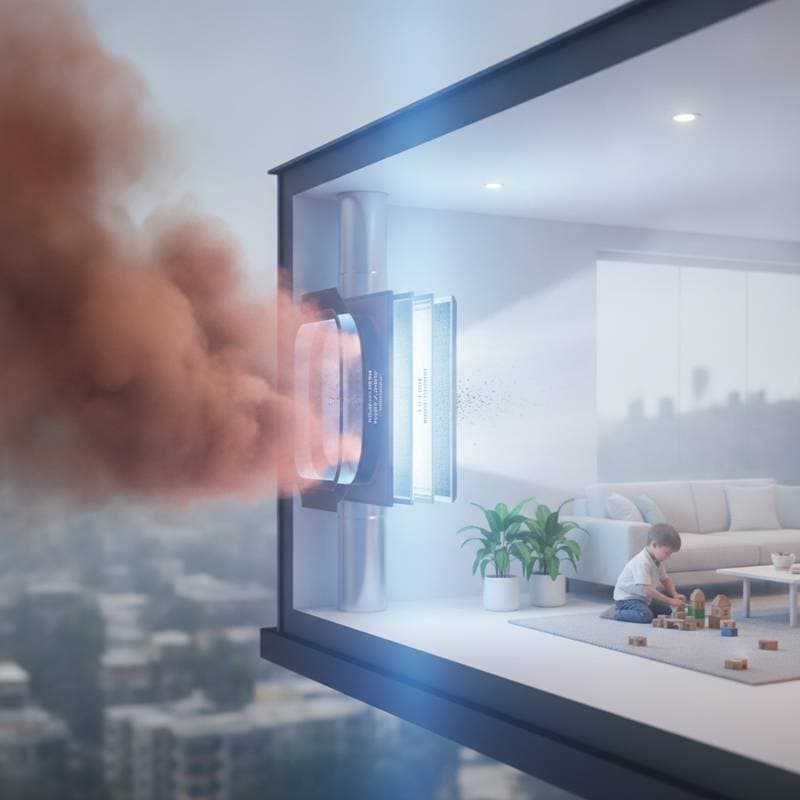
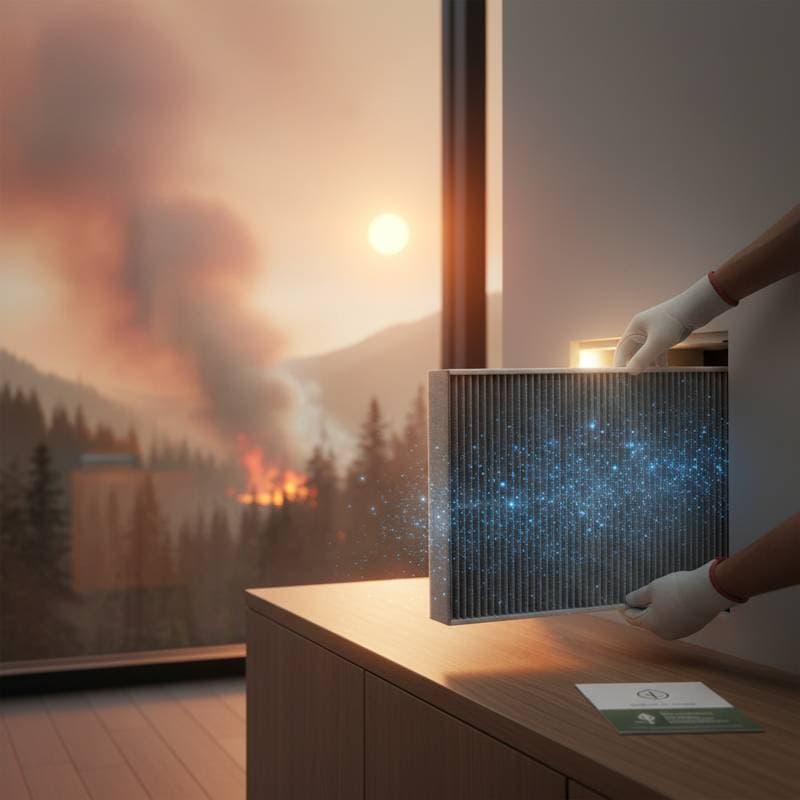
Wildfire smoke contains extremely fine particles known as PM2.5, which measure less than 2.5 microns in diameter. These particles can enter the lungs and bloodstream, triggering respiratory issues, aggravating allergies, and placing additional stress on the HVAC system if the air filter lacks the capacity to handle them.
Standard low-rated filters cannot trap these microscopic particles effectively. In contrast, MERV 13 filters capture up to 90 percent of airborne particles between 1 and 3 microns, including the most harmful smoke-related pollutants.
Key Factors That Affect Filter Performance
Several factors influence the performance of a MERV 13 filter in protecting your home from wildfire smoke.
Airflow and HVAC Compatibility
Higher-rated filters can restrict airflow if the HVAC system lacks the design to accommodate them. Always review the HVAC system specifications before upgrading. Many modern systems support MERV 13 filters, but older units may need a professional evaluation to confirm proper fit and airflow balance.
Filter Replacement Frequency
During wildfire season, the filter accumulates smoke particles at a faster rate. Replace it more frequently to sustain clean airflow. A practical guideline involves checking the filter every month when smoke persists and replacing it if the filter appears dark or clogged.
Indoor Air Quality Goals
If household members experience asthma, allergies, or respiratory issues, a MERV 13 filter delivers measurable health benefits. Cleaner air reduces symptoms and enhances comfort, particularly when outdoor air quality declines.
Filter Material and Construction
MERV 13 filters generally employ pleated synthetic media that expands the surface area for improved particle capture. Select filters with rigid frames and evenly spaced pleats to guarantee consistent performance.
Types of MERV 13 Filters Available
MERV 13 filters come in various formats, enabling selection based on HVAC setup and budget.
-
Disposable Pleated Filters
Pros: Affordable, easy to replace, widely available.
Cons: Require frequent replacement during heavy smoke events. -
Electrostatic Filters
Pros: Capture smaller particles through static charge.
Cons: Involve slightly higher cost and may need specific maintenance. -
Washable Filters
Pros: Reusable and eco-friendly.
Cons: May not retain full MERV 13 efficiency after multiple washes. -
Whole-Home HEPA Filtration Systems
Pros: Deliver hospital-grade air filtration.
Cons: Necessitate professional installation and higher upfront cost.
For most homeowners, disposable pleated MERV 13 filters provide the optimal combination of efficiency, cost, and convenience.
Signs You Need a Filter Upgrade
Air quality issues may not become apparent immediately, but certain indicators suggest that the current filter falls short.
- Persistent smoky or burnt odor indoors
- Dust accumulation despite frequent cleaning
- Worsening allergy or asthma symptoms
- HVAC system operating longer to maintain temperature
- Filter appearing dark or clogged before the expected replacement period
Upgrading to a MERV 13 filter addresses these concerns and yields immediate improvements.
How the Filter Replacement Process Works
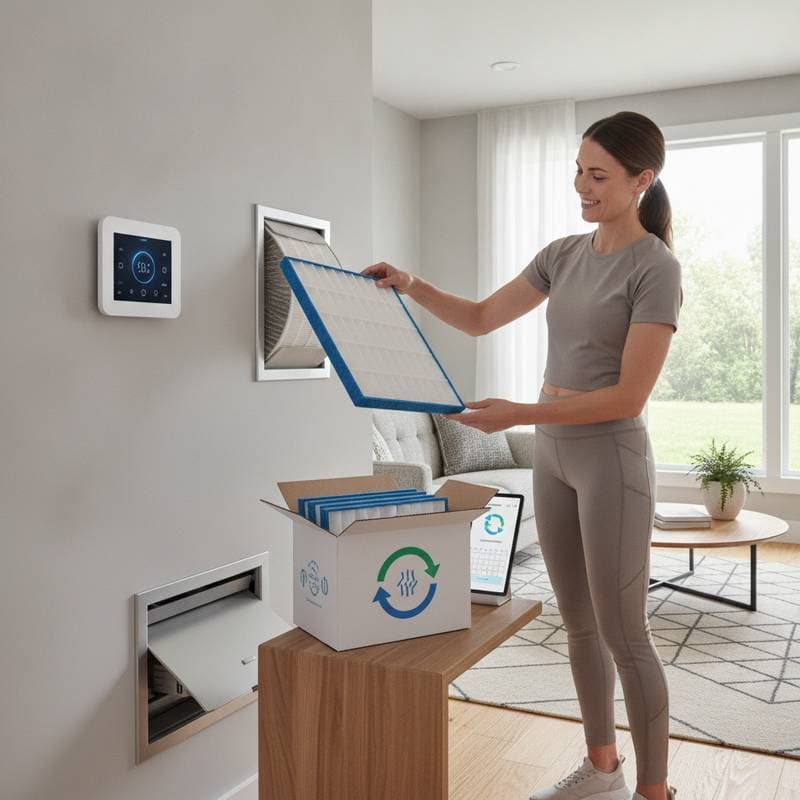
Replacing a MERV 13 filter requires straightforward steps, but proper execution ensures optimal performance.
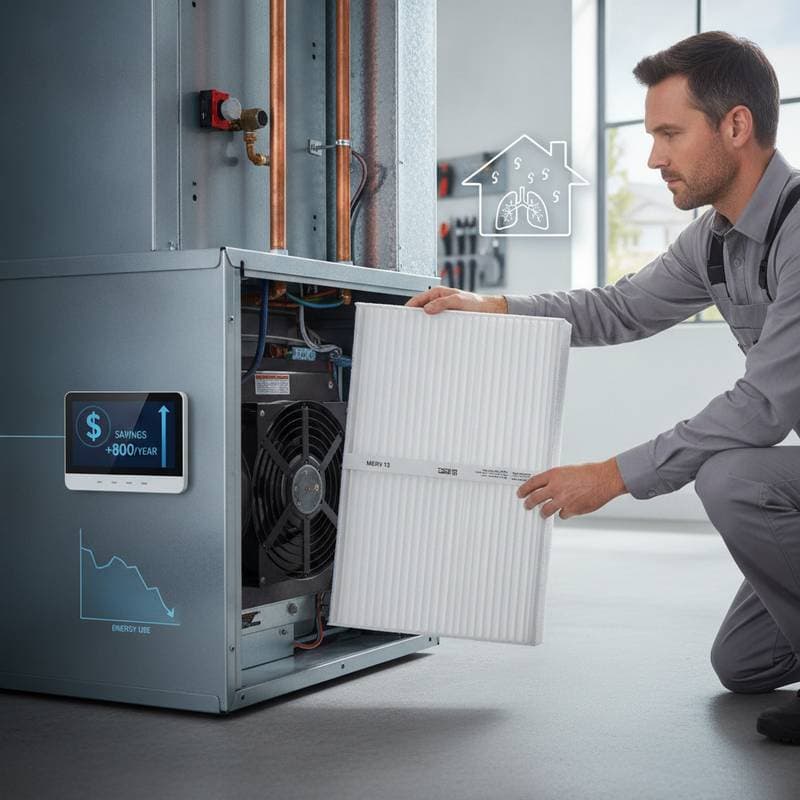
- Turn off the HVAC system to prevent unfiltered air from circulating.
- Locate the filter compartment in the return air duct or furnace cabinet.
- Remove the old filter and note the airflow direction indicated on the frame.
- Insert the new MERV 13 filter in the same orientation.
- Seal and close the compartment securely to avoid air leaks.
- Restart the HVAC system and monitor for proper airflow.
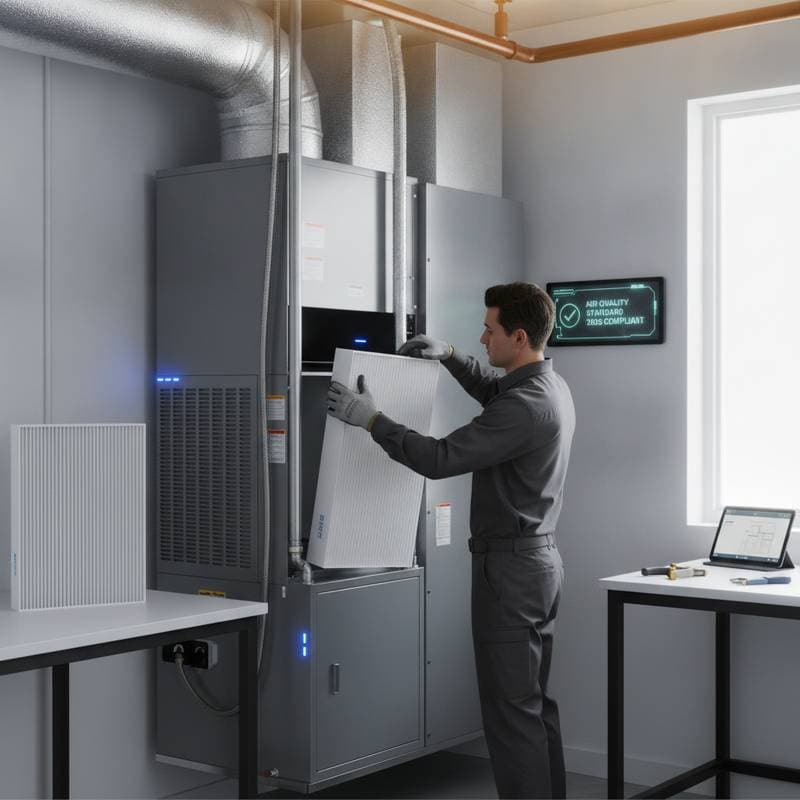
For systems with custom-size filters or integrated air cleaners, a technician should manage the replacement to verify compatibility.
What to Expect in Labor and Maintenance Costs
Most homeowners perform filter replacements independently, but some opt for professional assistance, particularly during wildfire season. Professional replacement labor typically costs between $50 and $150, varying by accessibility and system type.
Upgrading to a whole-home filtration system using MERV 13 or higher filters involves installation costs from $600 to $2,000, based on system complexity. Regular maintenance visits help maintain airflow and efficiency with the higher-rated filter.
Frequently Asked Questions About MERV 13 Filters
What makes MERV 13 filters better for wildfire smoke?
MERV 13 filters capture extremely fine smoke particles that lower-rated filters overlook. They trap particulates as small as 0.3 microns, aligning with the size range of most wildfire smoke contaminants.
Can I use a MERV 13 filter in any HVAC system?
Not always. Some older systems cannot manage the increased resistance from a high-efficiency filter. Review system specifications or consult an HVAC technician before upgrading.
How often should I replace my MERV 13 filter during wildfire season?
During heavy smoke periods, inspect the filter monthly and replace it if it appears dark or clogged. Under normal conditions, replacement every three months suffices.
Will a MERV 13 filter remove odors from smoke?
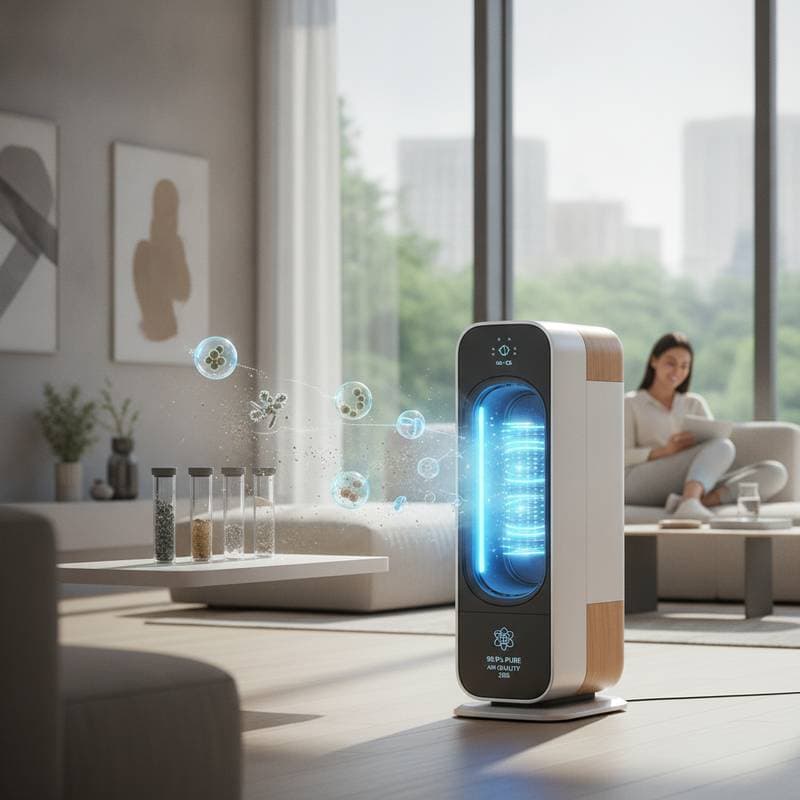
While it captures smoke particles, it may not eliminate odors completely. For better odor control, pair it with an activated carbon filter or air purifier.
Do MERV 13 filters affect my energy bill?
When installed correctly, energy consumption remains stable. A clogged or incompatible filter, however, can restrict airflow, forcing the system to work harder and consume more energy.
Are MERV 13 filters reusable?
Most MERV 13 filters, particularly disposable pleated types, are not reusable. Washable options exist but often lose efficiency after cleaning. For sustained performance, opt for replaceable filters.
Steps to Secure Cleaner Indoor Air Year-Round
To achieve the best outcomes, confirm that your HVAC system accommodates the higher filtration level, replace filters promptly, and schedule a professional inspection if frequent smoke exposure occurs. Expert advice ensures clean air, efficient system operation, and improved family health throughout the year.