UV-C Purifiers Combat Mold and Viruses Through 2026
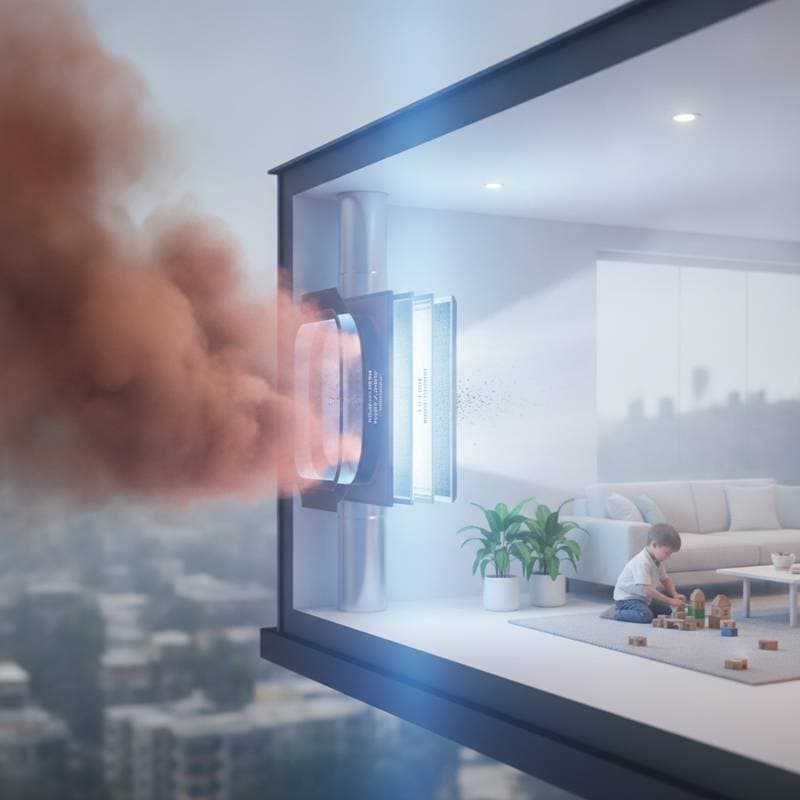
Homeowners increasingly prioritize indoor air quality as time spent indoors rises. Harmful contaminants like mold spores, bacteria, and viruses pose significant health risks in enclosed spaces. UV-C air purifiers address these threats by deploying ultraviolet light to neutralize pathogens directly within HVAC systems. This technology not only safeguards respiratory health but also maintains system efficiency.
This guide details the mechanics of UV-C purifiers, their integration into home systems, and the factors driving their adoption. Readers gain insights into preventing mold growth, curbing viral transmission, and achieving sustained air purity.
Understanding UV-C Air Purifiers
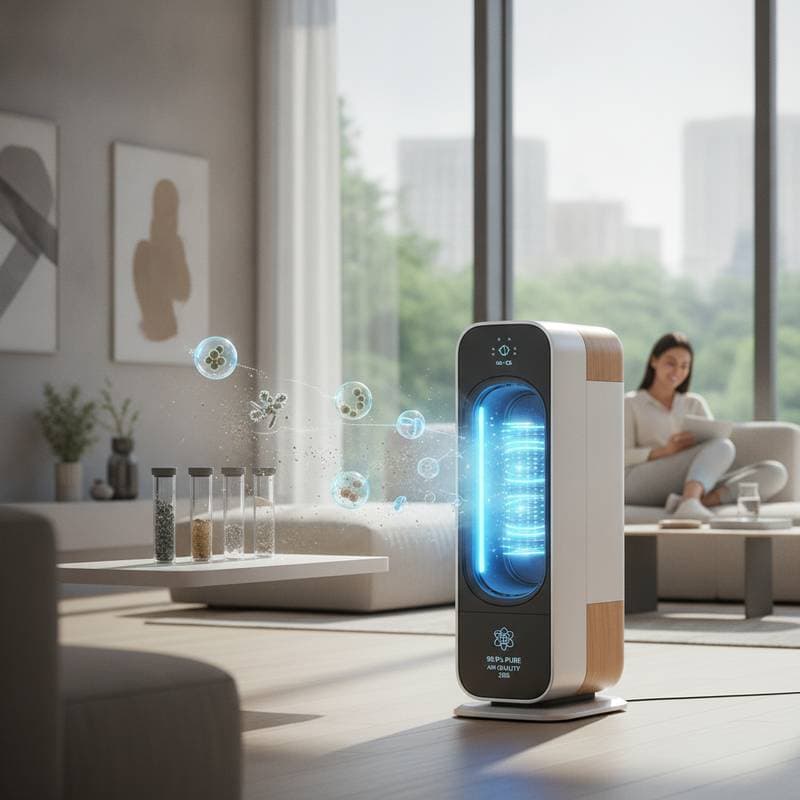
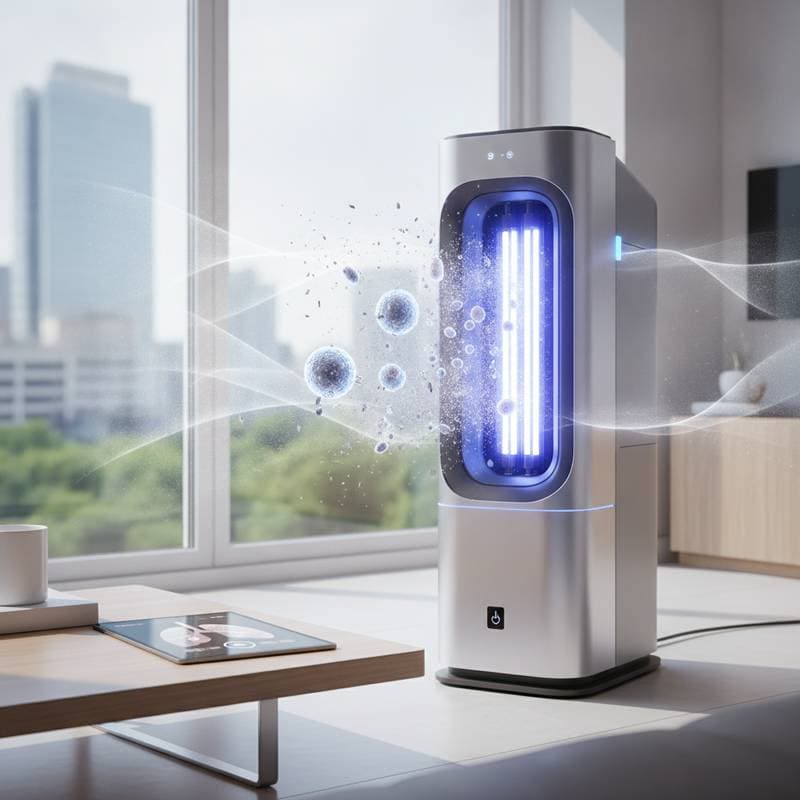
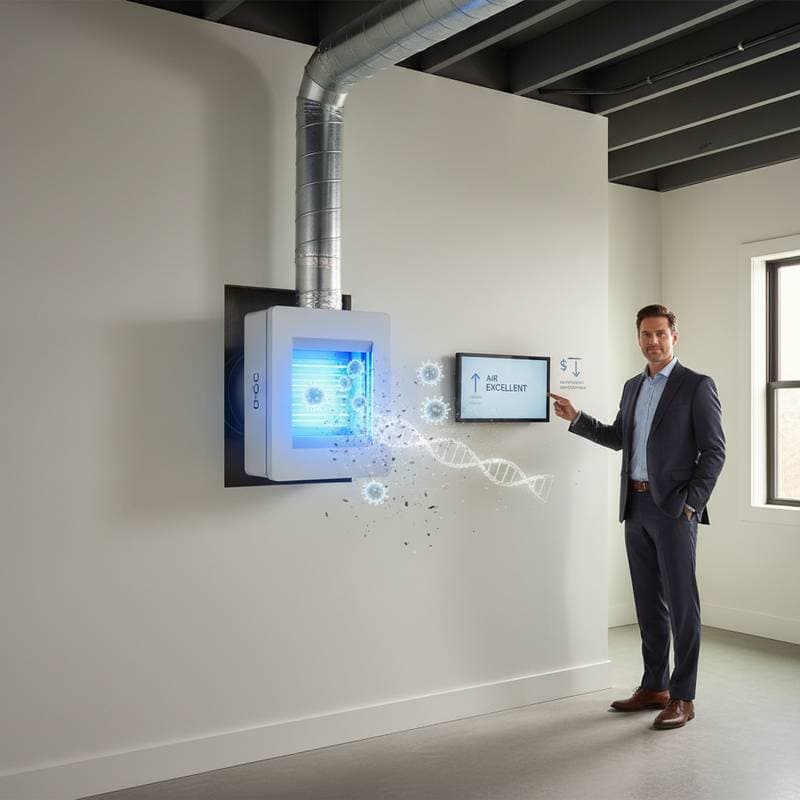
A UV-C air purifier employs ultraviolet light at specific wavelengths to disinfect air circulating through HVAC infrastructure. The UV-C spectrum targets the genetic structure of microorganisms, rendering them inactive. Exposure to this light damages the DNA or RNA of mold spores, bacteria, and viruses, halting their ability to replicate or infect.
Traditional filters capture particles mechanically, but UV-C purifiers operate on a biological level. Pathogens pass through the light field and emerge neutralized, rather than merely trapped. This process yields purer air, mitigates odor sources from microbial activity, and supports overall well-being.
Mechanics of UV-C Technology
Germicidal Action of UV-C Light
UV-C light functions within a 200- to 280-nanometer wavelength band, renowned for its ability to disrupt microbial genetics. As air flows past the lamps, contaminants absorb the energy, which breaks molecular bonds in their nucleic acids. The result leaves organisms incapable of survival or propagation, ensuring thorough decontamination.
HVAC System Integration
Installations typically position UV-C lamps adjacent to the evaporator coils or within the air handler. These locations expose moisture-rich surfaces to constant irradiation, where mold and bacteria commonly proliferate. Air traversing the ducts encounters the light continuously, combining with filtration for layered protection against both particulates and biological hazards.
Benefits Driving UV-C Adoption
Enhanced Health Safeguards
Airborne pathogens exacerbate conditions such as allergies, asthma, and infections. UV-C systems eliminate these threats before they disperse into occupied areas, providing particular value for households with vulnerable members like young children or seniors. Reduced exposure translates to fewer health episodes and improved daily comfort.
Effective Mold Suppression
HVAC coils, often damp from condensation, foster mold development. Growth here disperses spores throughout the home, leading to odors and irritation. UV-C irradiation sterilizes these surfaces proactively, interrupting the mold lifecycle and preserving system integrity.
Odor Neutralization
Microbial byproducts generate persistent musty scents in ducts and vents. By eradicating the sources, UV-C purifiers restore freshness without chemical interventions. Home environments benefit from this natural approach to air quality maintenance.
Improved System Performance
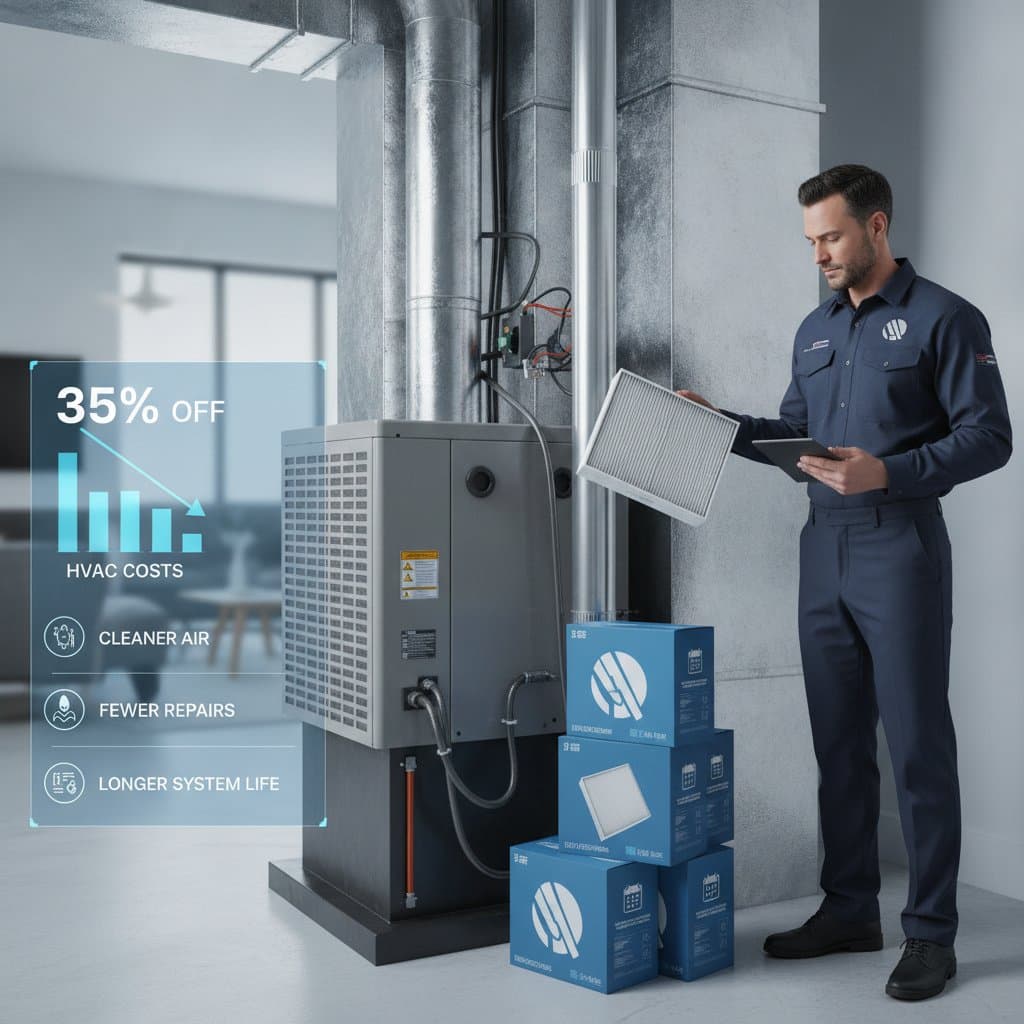
Clean coils and ducts facilitate unrestricted airflow, reducing the energy demands on HVAC units. Systems operate with less strain, extending equipment lifespan and lowering utility costs. This efficiency gain complements the health advantages of purified air.
Indicators of Need for UV-C Purification
Assess your home for these common signals of microbial issues:
- Lingering damp or musty smells emanating from vents
- Observable mold on HVAC elements or nearby surfaces
- Worsening indoor allergy or asthma flare-ups
- Recurrent respiratory ailments among residents
- Persistent dust accumulation despite filter maintenance
Such symptoms suggest limitations of conventional filtration. A UV-C installation offers a targeted remedy for underlying contamination.
Cost Considerations for UV-C Systems
Pricing for UV-C purifiers varies based on design and setup specifics. Awareness of influencing elements aids in budgeting.
-
Unit Scale and Capacity
Homes with expansive HVAC networks demand robust lamps or multi-unit arrays to handle high air volumes. Compact systems suit smaller setups, keeping expenses lower. -
Bulb Durability and Output
Premium bulbs sustain high irradiance over extended periods, often up to 9,000 hours. Features like reflective enclosures amplify coverage, enhancing value. -
Setup Demands
Access challenges in confined spaces elevate labor charges. Skilled placement optimizes efficacy while adhering to safety protocols. -
Ongoing Upkeep Needs
Bulb replacements occur annually under typical use. User-friendly designs simplify this task, minimizing service costs. -
Supplementary Capabilities
Options such as intensity monitors or automated cycles boost functionality at a premium. Evaluate these against your air quality priorities.
Expect total costs to range from moderate to substantial, depending on home size. Consult professionals for tailored quotes.
Installation Options: DIY or Professional
UV-C setup requires careful handling of electrical and positional elements. Weigh these aspects before proceeding.
Feasible Self-Maintenance Tasks
Post-installation, owners can manage bulb swaps and housing wipes. Always power down the unit and adhere to guidelines to avoid risks.
Professional Installation Essentials
Experts ensure optimal lamp alignment for full exposure, secure wiring, and containment of light emissions. Faulty setups risk equipment harm or UV exposure. Certification guarantees compliance with industry benchmarks.
Varieties of UV-C Purifiers
Select from configurations suited to specific needs.
Coil-Focused Sterilizers
Positioned by evaporator coils, these provide nonstop surface treatment against moisture-induced growth. Their simplicity appeals to those prioritizing mold control.
Duct-Mounted Air Sterilizers
These units irradiate passing air streams, neutralizing viruses and bacteria in transit. Synchronization with HVAC cycles maximizes airborne threat reduction.
Standalone Portable Units
Ideal for non-centralized systems, portables deliver spot purification in targeted zones. They suit supplemental use in high-traffic areas.
Installation and Upkeep Procedures
Partner with certified technicians for reliable outcomes. The sequence unfolds as follows:
-
Site Assessment
Inspectors review system condition, identify contamination, and pinpoint ideal lamp sites. -
Model Recommendation
Choices align with airflow metrics and objectives, ensuring compatibility. -
Mounting and Wiring
Secure fixtures within enclosures, link to power, and shield emissions. -
Performance Checks
Verify operation through air sampling and flow tests; provide upkeep instructions. -
**Sustained Care
Monitor bulb efficacy quarterly; replace as intensity wanes. Complement with coil rinses for peak results.
Common Queries on UV-C Purifiers
What Level of Effectiveness Do UV-C Purifiers Achieve Against Mold and Viruses?
Properly configured systems inactivate over 99% of exposed microbes by genetic disruption. Steady exposure maintains low contaminant levels.
Does a UV-C Purifier Substitute for HVAC Filters?
It enhances rather than replaces filters. Particulates require mechanical capture, while UV-C handles biological elements.
Are UV-C Systems Safe for Households with Pets or Children?
Yes, enclosed designs prevent light escape into living areas. Professional setup eliminates exposure hazards.
What Is the Replacement Interval for UV-C Bulbs?
Typically one year for continuous operation, varying by usage and manufacturer specs. Routine checks confirm timing.
Can UV-C Technology Eliminate Household Odors?
It targets microbial origins of smells effectively, though non-biological sources may persist. Results yield noticeably fresher air.
Steps to Achieve Superior Indoor Air Quality
Evaluate your current HVAC performance and health patterns to determine UV-C suitability. Schedule a consultation with a local specialist to explore options tailored to your residence. Implement this upgrade to secure long-term protection against airborne threats, fostering a healthier living environment through 2026 and beyond.