MERV 13 Filters Effectively Capture Wildfire Smoke Particles
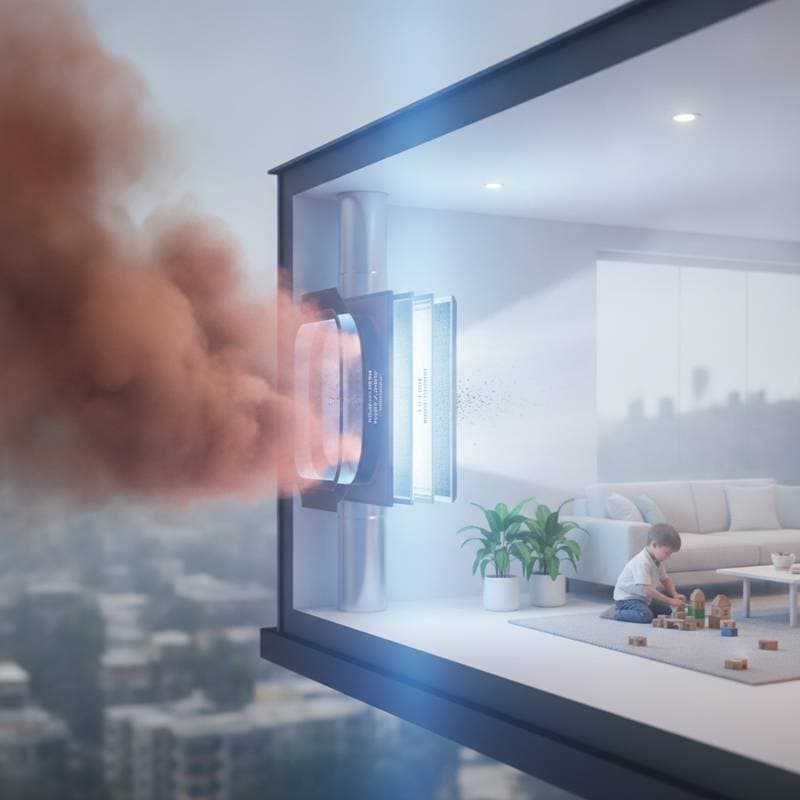
Wildfire smoke poses a significant threat to indoor air quality, prompting homeowners to seek reliable protection for their living spaces. During periods of heavy smoke, fine particles infiltrate homes through ventilation systems and tiny openings. MERV 13 filters emerge as a superior solution, trapping these hazardous elements that lower-rated filters overlook. This guide explores the capabilities of MERV 13 filters, their role in health protection, and practical steps for implementation.
Understanding MERV 13 Filters
The MERV rating, or Minimum Efficiency Reporting Value, quantifies an air filter's ability to capture airborne particles based on size. Ratings range from low to high, with higher numbers indicating greater efficiency against smaller contaminants. A MERV 13 filter excels in residential settings by capturing particles down to 0.3 microns in diameter.
These filters effectively remove a range of pollutants, including:
- Fine dust and pollen
- Mold spores
- Pet dander
- Bacteria
- Smoke particles from wildfires
In wildfire-prone regions, such filters prevent the circulation of ultrafine smoke particulates, ensuring residents inhale substantially cleaner air. Homeowners benefit from reduced exposure to irritants that exacerbate respiratory conditions.
The Health Risks of Wildfire Smoke
Wildfire smoke consists of gases and particulate matter, with PM2.5 particles representing the most concerning fraction. These particles measure 2.5 microns or smaller and can lodge deep in the lungs or enter the bloodstream upon inhalation. Extended exposure heightens risks for asthma attacks, cardiovascular strain, and chronic respiratory disorders.
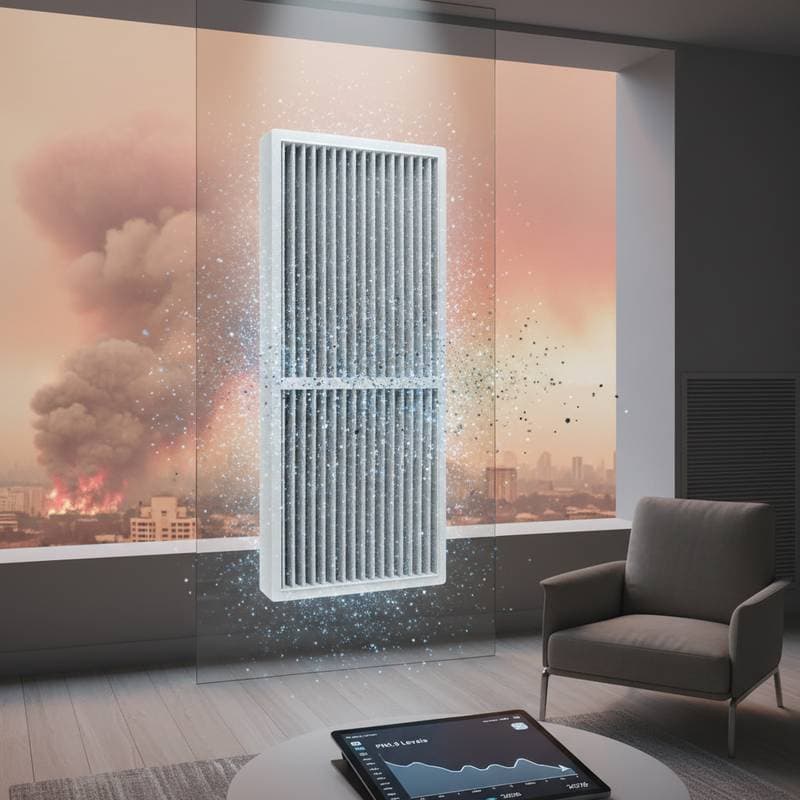
When outdoor air quality deteriorates, individuals retreat indoors for safety. However, unfiltered ventilation allows smoke to permeate interiors via cracks, doors, and HVAC intakes. Installing a MERV 13 filter blocks a high percentage of these invasives, maintaining a healthier indoor environment even amid severe outdoor conditions.
Indicators That Your Filter Requires an Upgrade
Homeowners often overlook filter performance until symptoms arise. Persistent indoor odors resembling smoke or mustiness signal inadequate capture of volatile compounds. Worsening allergy or asthma symptoms during smoke events point to unchecked particle infiltration.
Additional red flags include accelerated dust accumulation on surfaces and reduced HVAC efficiency, where the system labors longer without adequate cooling or heating. Visible haze or motes near vents in sunlight further confirms filtration shortcomings. Addressing these prompts an evaluation for MERV 13 compatibility.
Essential Elements for Optimal MERV 13 Performance
Several considerations determine the success of a MERV 13 filter in a home setup.
-
System Compatibility: Verify that the HVAC unit accommodates the filter's resistance without compromising airflow. A professional assessment measures static pressure to confirm suitability.
-
Proper Sealing: Ensure the filter installs snugly to eliminate bypass routes for unfiltered air. Inspect slots for gaps and use seals if necessary.
-
Scheduled Replacements: Monitor for clogging, which diminishes efficiency. In high-smoke areas, inspect monthly and replace every 1-3 months based on usage.
-
Duct and Vent Care: Regularly clean registers and ducts to sustain unrestricted airflow, allowing the filter to function at peak levels.
-
Material Quality: Select filters from established manufacturers, which provide consistent MERV ratings and longevity over generic options.
Mastering these aspects maximizes the filter's protective benefits and extends system lifespan.
Comparing MERV 13 to Lower-Rated Filters
MERV 8 Filters
Standard in many households, MERV 8 filters target larger debris such as household dust and lint. They offer minimal defense against fine wildfire particulates or microbial agents, permitting significant indoor contamination during smoke episodes.
MERV 11 Filters
An improvement over MERV 8, these filters capture more mid-sized particles like some pollen and dust mites. However, they permit passage of many PM2.5 smoke components, providing only partial safeguarding in polluted conditions.
MERV 13 Filters
Rated for up to 90 percent efficiency on 0.3-1.0 micron particles, MERV 13 filters excel at retaining wildfire soot, ash, and related toxins. This rating strikes an optimal balance for homes, enhancing air purity without excessively restricting system airflow.
Performing Filter Changes: DIY or Professional Assistance
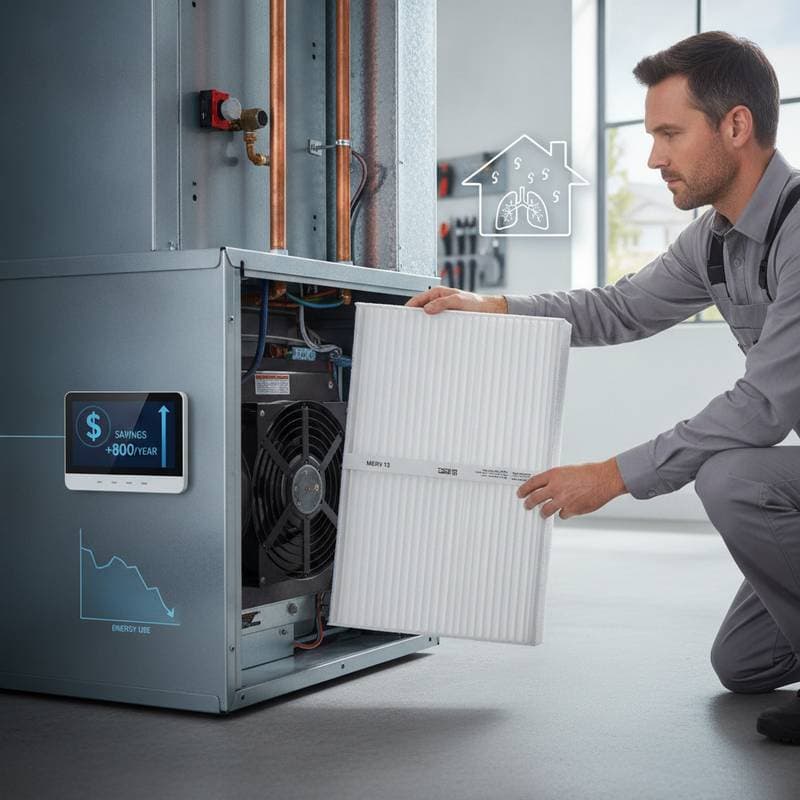
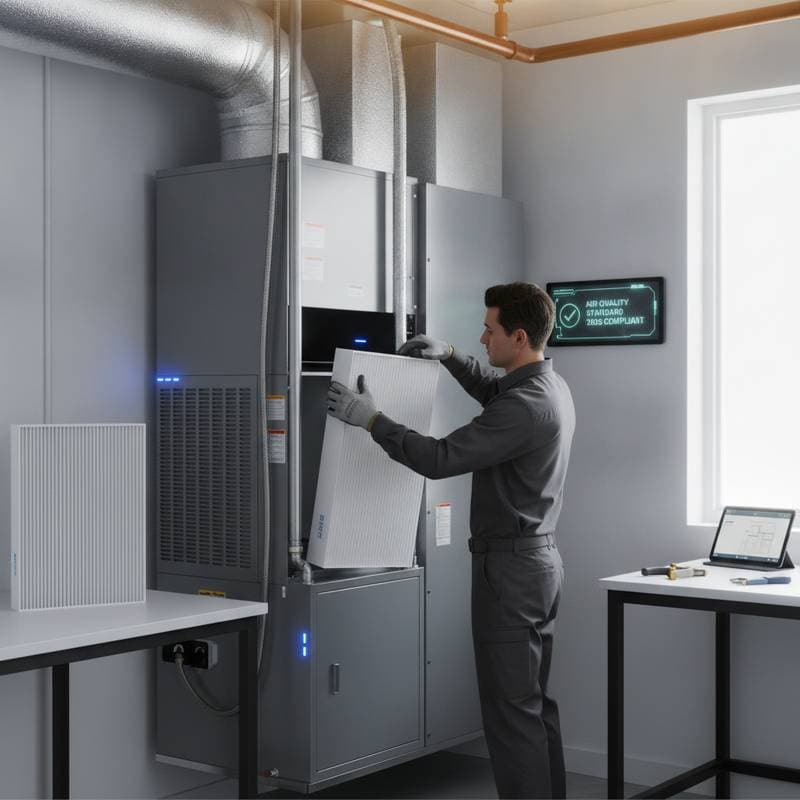
For straightforward swaps, homeowners can replace filters independently by powering down the HVAC, donning protective gear against dust, and confirming the new unit's dimensions align precisely. Follow directional arrows on the filter for correct orientation to maintain efficiency.
Complex scenarios, such as modifying air handlers or balancing pressures, necessitate expert intervention. Technicians evaluate motor strain and recommend tailored solutions, preventing overloads that could lead to premature wear. Consult a specialist for personalized advice suited to local environmental challenges.
Steps in a Professional Filtration System Upgrade
Engaging an HVAC professional for enhancement follows a structured approach:
-
Initial Assessment: The expert examines the furnace or air handler for compatibility with elevated filtration demands.
-
Housing Review: They inspect and, if required, adjust the filter compartment to guarantee airtight installation.
-
Air Quality Baseline: Measurements establish current conditions, enabling quantifiable progress tracking post-upgrade.
-
Implementation and Verification: The filter installs, followed by airflow tests and system fine-tuning for optimal operation.
-
Ongoing Support: Guidance covers monitoring techniques, replacement timelines, and signs of performance decline.
This methodical process secures reliable, high-efficiency filtration tailored to the home.
Common Questions About MERV 13 Filters
Is a MERV 13 Filter Suitable for Every HVAC System?
Compatibility varies; older or compact units may experience airflow reductions leading to inefficiency. A technician's evaluation ensures safe integration without risking component damage.
What Is the Recommended Replacement Schedule for MERV 13 Filters?
Quarterly changes suffice in typical conditions, but intensify to monthly during peak wildfire activity or intense smoke exposure to preserve effectiveness.
Can MERV 13 Filters Eliminate Smoke Odors?
They target particulate sources of odor effectively but may not neutralize all gaseous elements. Pairing with activated carbon media enhances comprehensive odor management.
Steps to Secure Your Home Against Wildfire Smoke
Begin by assessing your current filter and HVAC setup through a professional consultation. Select high-quality MERV 13 replacements and establish a vigilant maintenance routine. These measures not only elevate indoor air standards but also foster long-term health and comfort for your household.