How Whole-Home Humidity Systems Reduce Mold Claims by 58 Percent
The Role of Humidity Control in Home Protection
Data from recent studies indicates that whole-home humidity systems lower mold-related insurance claims by 58 percent in residential settings. This substantial decrease underscores the importance of regulating indoor moisture to safeguard health and maintain property worth. Proper humidity balance inhibits mold proliferation, enhances living comfort, and upholds the condition of structural elements and furnishings.
This guide delineates the mechanics of humidity systems, their efficacy in mold prevention, available varieties, and selection criteria for homeowners. It addresses pricing structures, upkeep protocols, and installation recommendations to facilitate well-informed choices.
Pricing Overview for Whole-Home Humidity Systems
Costs for whole-home humidity systems fluctuate based on unit dimensions, manufacturer, and setup specifics. Homeowners typically invest between $1,200 and $3,500 for a unit installed by professionals. Units suited for expansive residences or moisture-prone areas command higher prices, whereas portable alternatives offer affordability at the expense of comprehensive coverage.
| System Type | Average Cost | Description |
|---|---|---|
| Whole-home dehumidifier | $1,200 – $3,500 | Integrates with HVAC ductwork to regulate humidity across the entire house |
| Portable dehumidifier | $150 – $500 | Suited for individual rooms or compact areas |
| Smart humidity control system | $2,000 – $4,000 | Features sensors for real-time monitoring and app-based automation |
| Energy-efficient unit | $1,800 – $3,200 | Operates with reduced energy consumption for steady humidity management |
Although initial expenses exceed those of portable models, enduring advantages frequently offset the outlay. Diminished mold hazards, decreased remediation costs, and prolonged HVAC durability position these systems as prudent investments for property owners.
Available Humidity Control System Types
Property owners select from diverse humidity control options tailored to their requirements, financial plans, and residence scale.
Whole-Home Dehumidifiers
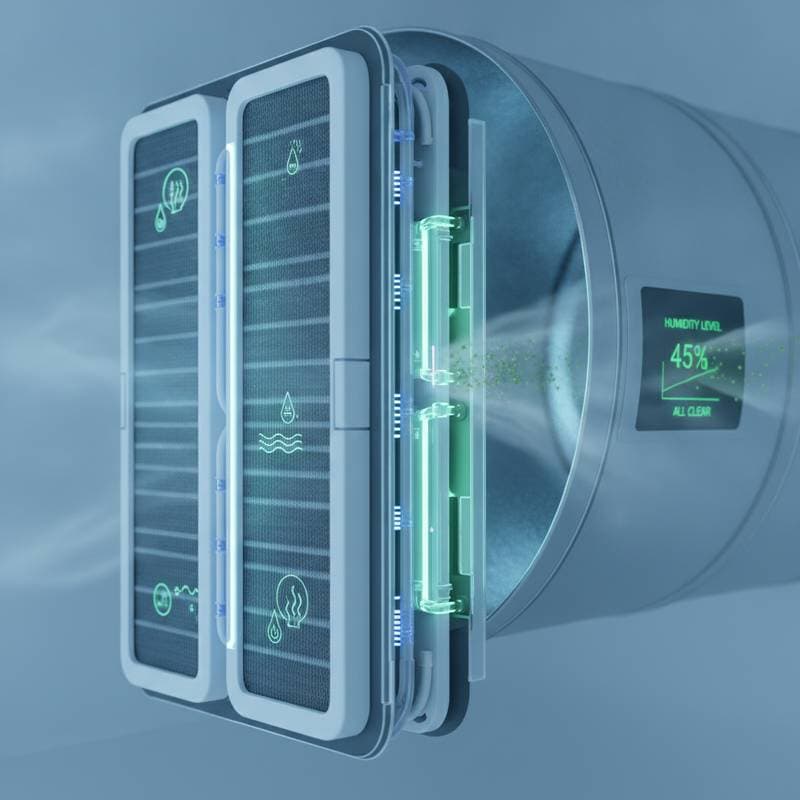
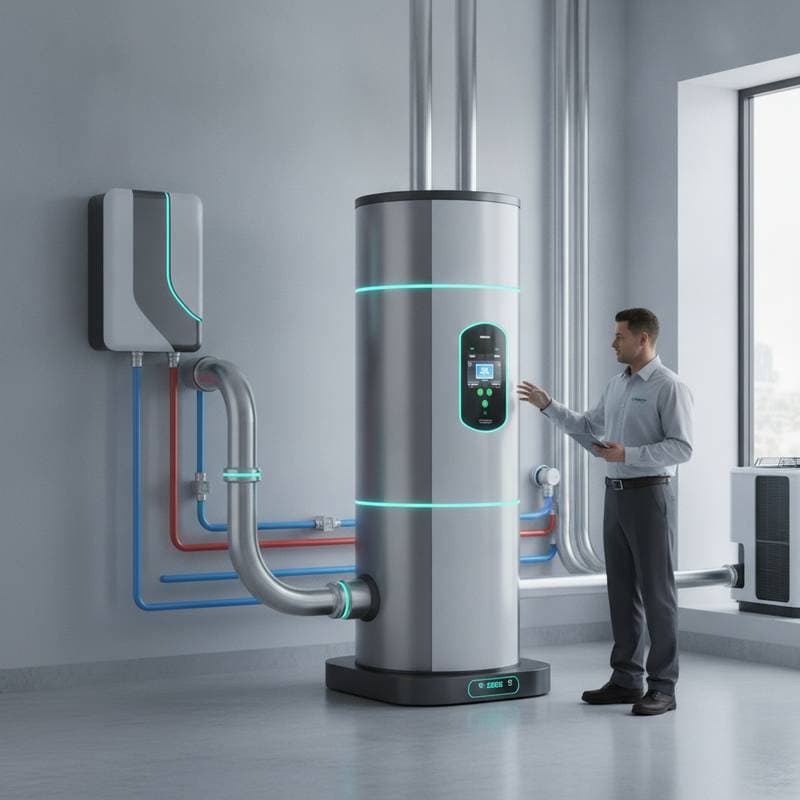
These units link to HVAC ductwork, extracting moisture from incoming air and circulating dehumidified air house-wide. They prove essential for sizable homes or locales with elevated ambient humidity levels.
Ventilation-Based Systems
Such systems facilitate air exchange between indoor and outdoor environments while modulating moisture. They excel in sealed structures where passive airflow proves insufficient.
Smart Humidity Controllers
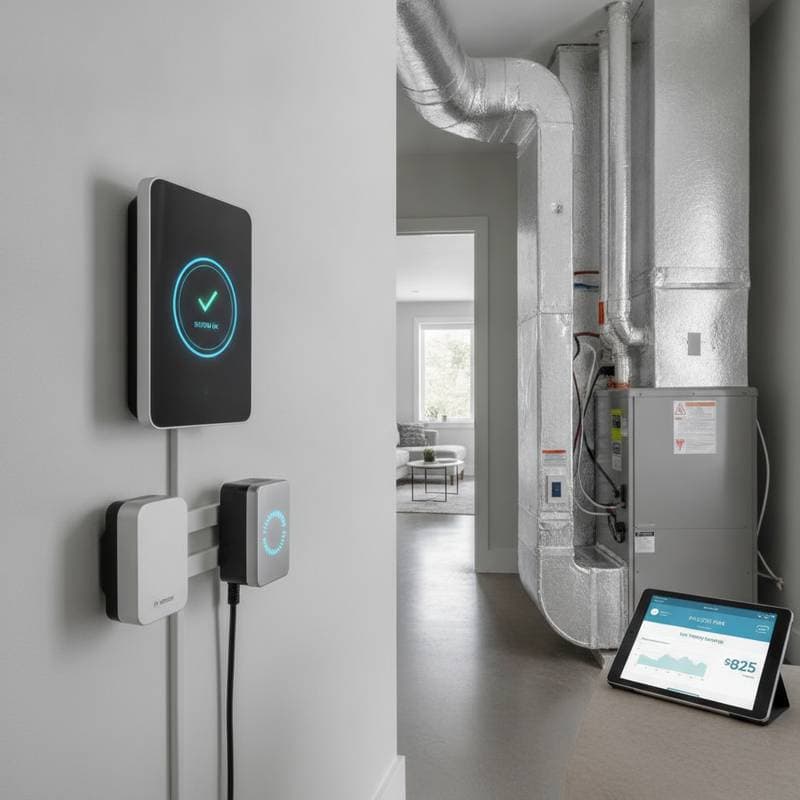
Advanced models incorporate sensors for continuous humidity assessment and self-regulating functionality. Integration with mobile applications enables remote oversight and data analysis on air quality metrics.
Key Factors Affecting Humidity System Effectiveness
Multiple elements influence the performance of humidity control systems in averting mold development.
-
Residence Dimensions and Configuration
Expansive properties demand robust units or supplementary installations to achieve uniform moisture distribution. -
Regional Climate
Areas with high humidity necessitate enhanced-capacity systems to counteract seasonal moisture influxes. -
Insulation Quality and Air Sealing
Inadequate barriers permit external humidity infiltration, compromising overall system output. -
Integration with HVAC Infrastructure
Seamless compatibility with current heating and cooling components ensures optimal functionality. -
Upkeep Schedule
Consistent servicing, including coil sanitation and filter renewal, sustains efficiency and prolongs service life.
Frequently Asked Questions on Humidity Systems and Mold Mitigation
Indicators That a Home Requires Dehumidification
Homeowners observe clues such as persistent musty smells, window condensation, or mold visibility in moisture-prone zones like basements and bathrooms. Employing a hygrometer to gauge indoor humidity above 60 percent signals the necessity for intervention.
Recommended Servicing Intervals for Humidity Systems
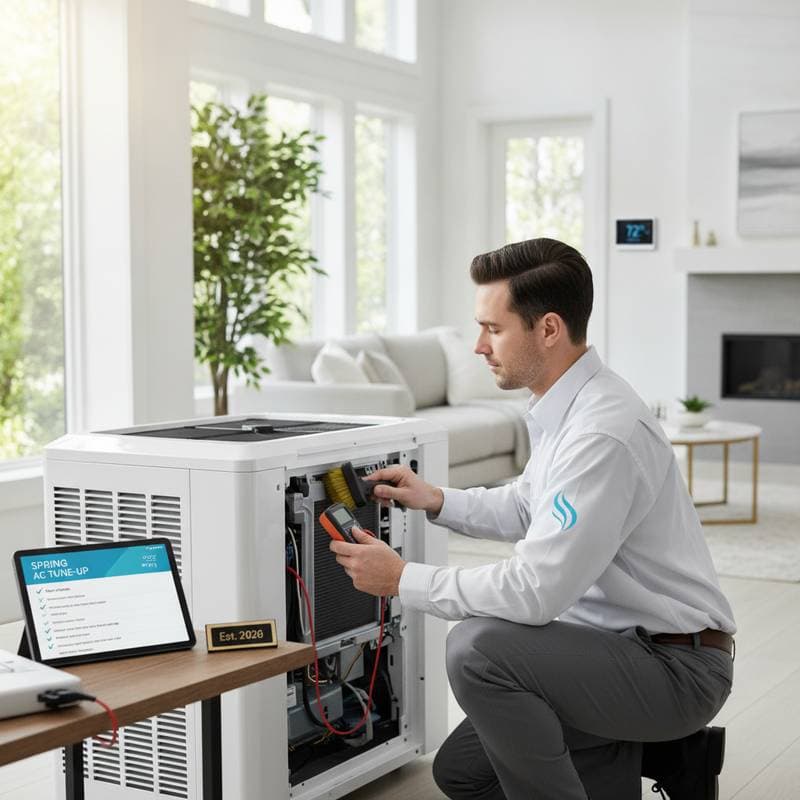
Professionals advise annual inspections by certified technicians. Procedures encompass coil cleaning, drainage verification, and sensor calibration to uphold efficiency and avert malfunctions.
Enhancements to Indoor Air Quality from Humidity Systems
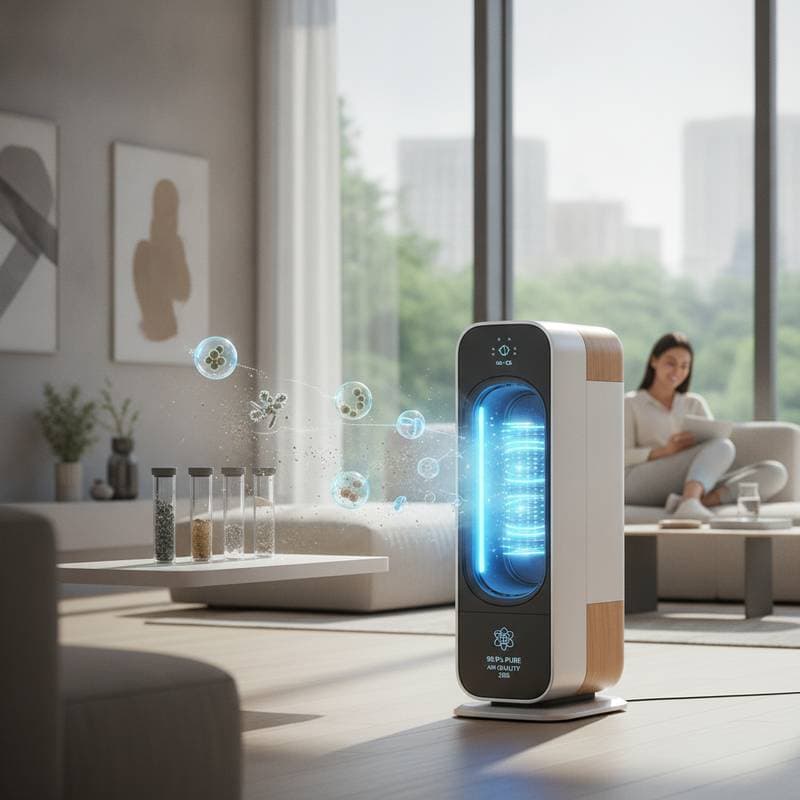
Affirmative. Optimal moisture regulation curtails allergens including dust mites, mildew, and mold particles. Additionally, it averts deformation in wooden elements like cabinetry and floors, thereby conserving interior aesthetics and durability.
Expected Durability of Whole-Home Dehumidifiers
Units under diligent care endure 8 to 15 years, contingent on operational demands and construction caliber. Proactive filter exchanges and duct sanitation maximize longevity.
Functionality of Humidity Systems in Colder Seasons
Indeed. Winter indoor moisture accumulates from daily routines like meal preparation and bathing. Numerous systems adapt automatically to environmental shifts, ensuring year-round humidity equilibrium.
Engaging Professionals for Humidity System Installation
Professional HVAC specialists guarantee appropriate system sizing, precise placement, and harmonious integration with existing climate control apparatus. Suboptimal setup risks inconsistent dehumidification, energy inefficiency, and diminished results.
Essential Inquiries for HVAC Contractors
- What capacity matches my home's square footage?
- Is this unit compatible with my current HVAC configuration?
- What annual maintenance obligations apply?
- Do warranties or maintenance contracts exist?
- What filtration technology does the system employ?
- Does it support remote or smart device operation?
- How extended is the installation timeline?
- What operational noise levels anticipate?
- Are incentives available for energy-saving variants?
- What durability projections apply to this model?
Sustaining Humidity System Performance
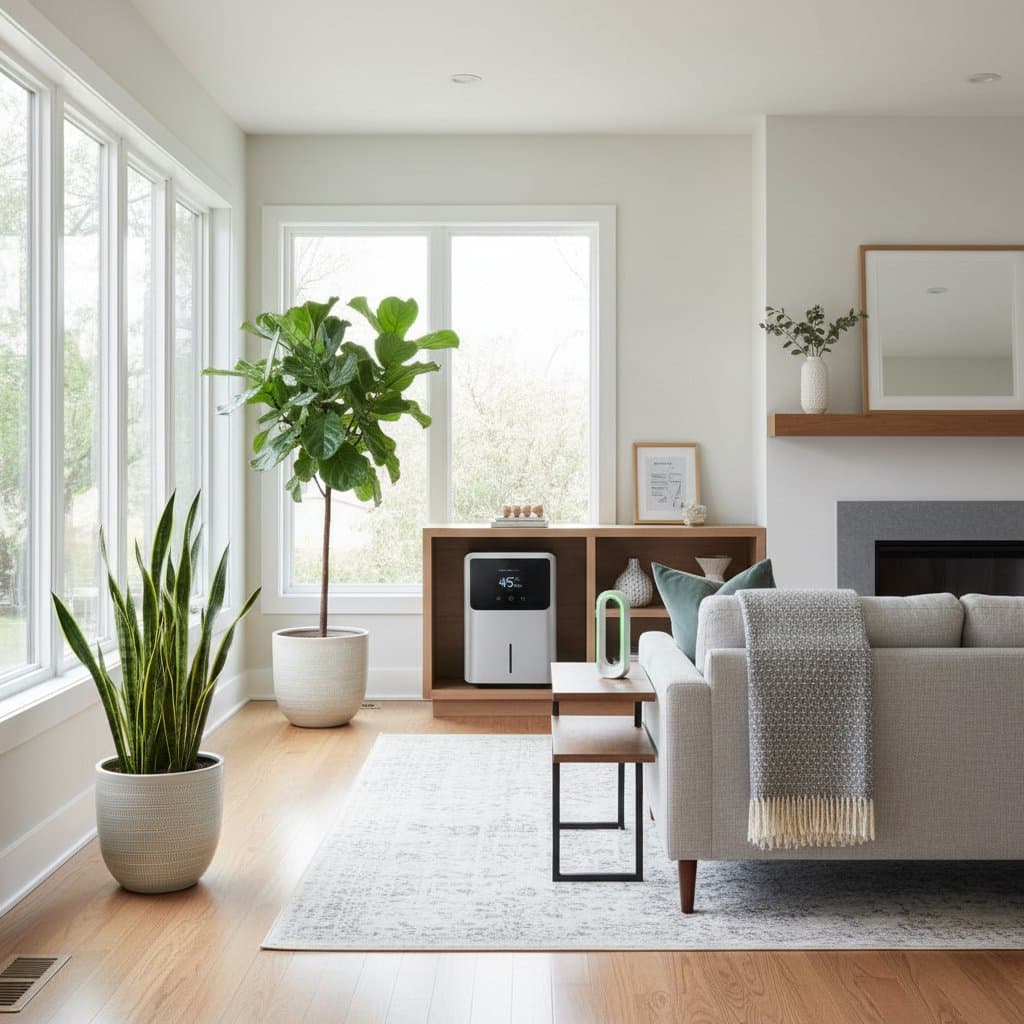
Post-installation, humidity systems integrate into comprehensive home defense measures. Periodic evaluations, filter substitutions, and seasonal adjustments preserve operational reliability. Utilizing a digital hygrometer for ongoing humidity tracking confirms adherence to target ranges of 30 to 50 percent.
Effective moisture governance not only curtails mold incidences but also shields textiles, surfaces, and frameworks from deterioration. The documented 58 percent decline in insurance claims affirms the prowess of contemporary humidity solutions in fortifying residences. Thoughtful procurement and meticulous care yield enduring wellness, purified atmospheres, and mitigated expenditure over time.