How 2026 HVAC Innovations Prevent $15,000 in Mold Damage
Mold remediation expenses range from $2,000 to $15,000 or higher, based on the extent of infestation and affected areas. Elevated indoor humidity often initiates this damage without immediate notice. Advanced HVAC systems in 2026 target this issue proactively by controlling moisture levels and averting mold development that results in substantial repair costs.
This guide details how emerging HVAC technologies facilitate mold prevention, identifies effective system types and enhancements, and provides investment estimates for humidity management. It features cost comparisons, upkeep recommendations, and specialist advice for choosing equipment that delivers enduring safeguards.
Average Costs for Mold Remediation and Preventive Upgrades
Mold issues arise in diverse locations, yet warm and humid regions incur the steepest remediation fees. Expenses vary with mold variety, impacted materials, and HVAC or duct involvement. Preventive modifications to HVAC setups prove more economical than comprehensive cleanup efforts.
| Type of Expense | Average Cost | Description |
|---|---|---|
| Mold Remediation | $2,000 – $15,000 | Elimination of mold from drywall, insulation, or ducts |
| Whole-Home Dehumidifier | $1,500 – $3,500 | HVAC-integrated unit for humidity regulation |
| Smart Thermostat with Humidity Control | $250 – $600 | Device that tracks and modifies humidity levels |
| UV Air Purifier | $400 – $1,200 | System that eliminates spores and bacteria in ducts |
| HVAC Maintenance and Cleaning | $150 – $400 per visit | Routine checks to avoid moisture accumulation and microbes |
Remediation addresses existing mold on a short-term basis, whereas humidity regulation through HVAC offers a sustainable approach. Allocating funds toward sophisticated HVAC configurations can eradicate mold-favorable conditions entirely.
Mechanisms of 2026 HVAC Innovations in Mold Prevention
Contemporary HVAC progress emphasizes humidity stabilization and air purity via automation and refined engineering. These developments sustain steady indoor environments while shielding structural elements like walls, flooring, and furnishings from water damage.
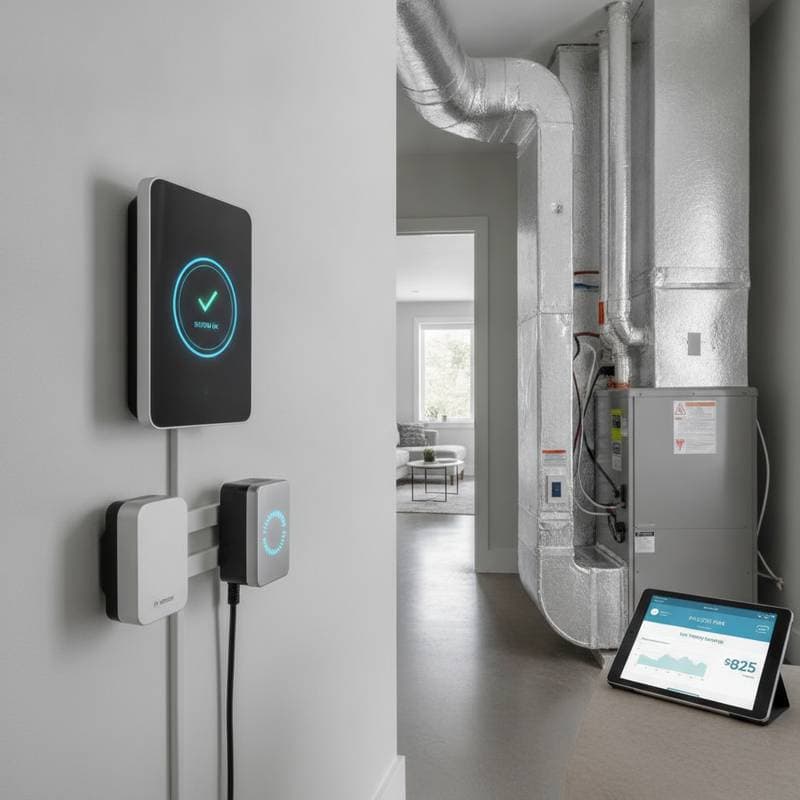
Smart Humidity Sensors
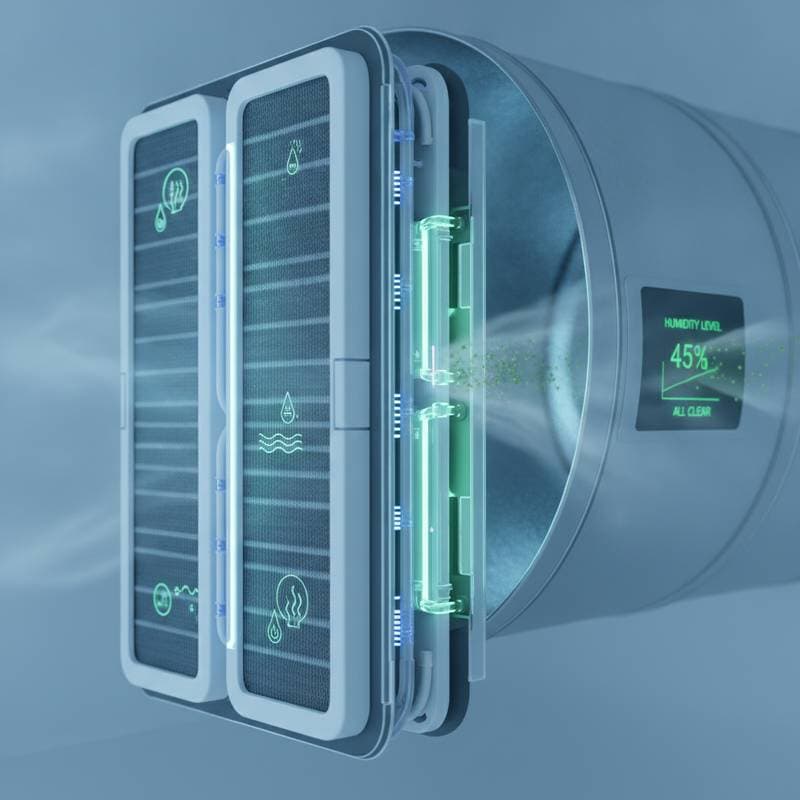
Integrated sensors in 2026 HVAC units detect fluctuations and modulate operations to sustain relative humidity between 30% and 50%. Upon detecting excess moisture, the system activates enhanced dehumidification, extracting water vapor prior to surface condensation.
Homeowners benefit from real-time monitoring through connected apps, which alert to potential issues and suggest adjustments. This proactive feature minimizes energy waste by optimizing runtime only when necessary.
Whole-Home Dehumidifiers
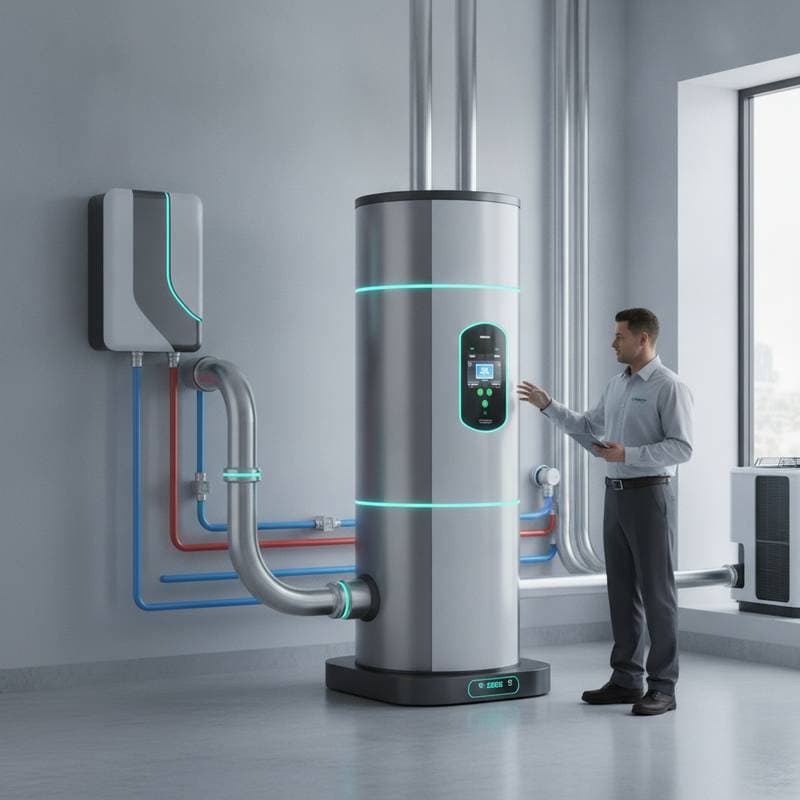
These units connect seamlessly to central HVAC, processing air across the entire residence for uniform control. Capable of extracting up to 15 gallons of moisture daily, they adapt to household demands and regional weather patterns.
Installation involves linking to existing ducts, ensuring efficient drainage to exterior lines. Such integration outperforms standalone devices by addressing humidity sources comprehensively.
Variable-Speed Compressors
These compressors vary output to match cooling needs, eliminating abrupt shutdowns that leave residual humidity. Extended coil contact time during operation extracts more moisture, fostering drier air circulation.
The result includes quieter performance and reduced wear on components. In humid climates, this technology maintains lower humidity without overcooling living spaces.
Energy Recovery Ventilators (ERVs)
ERVs exchange indoor and outdoor air while preserving thermal and moisture balance. They discharge humid exhaust and introduce filtered fresh air, mitigating dampness in prone areas like basements and bathrooms.
Efficiency stems from transferring energy between airstreams, which cuts heating or cooling loads. Proper sizing ensures adequate ventilation rates without compromising indoor humidity targets.
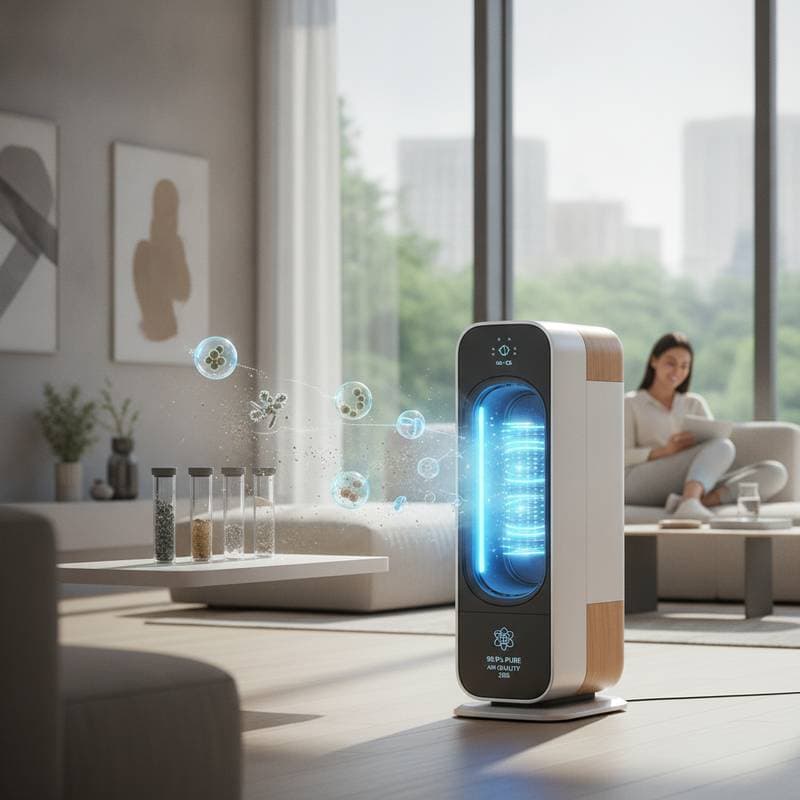
Antimicrobial Coatings and UV Lights
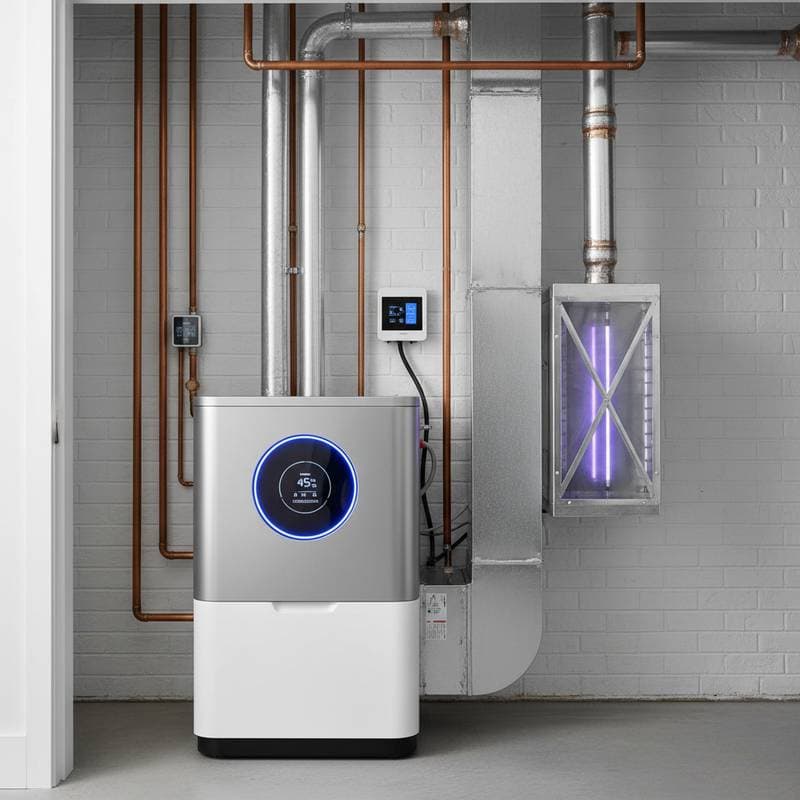
Coils treated with antimicrobial agents resist microbial adhesion, while UV-C lamps within handlers or ducts eradicate spores and pathogens. Continuous exposure during system cycles inhibits growth on internal surfaces.
This combination enhances overall efficiency by preventing blockages from biofilms. Homeowners notice improved air freshness and fewer allergy triggers as a result.
Cost Analysis for Mold-Preventive HVAC Systems
Selection of HVAC setups hinges on residence dimensions, local weather, and current infrastructure. The following outlines typical installation expenses and corresponding mold mitigation advantages.
| System Type | Average Installed Cost | Mold Prevention Benefit |
|---|---|---|
| Central AC with Smart Humidity Control | $5,000 – $10,000 | Automated humidity management |
| Heat Pump with Variable Speed Motor | $6,000 – $12,000 | Steady moisture extraction |
| Whole-Home Dehumidifier Add-On | $1,500 – $3,500 | Ongoing humidity reduction |
| ERV or HRV System | $2,000 – $4,500 | Enhanced ventilation to expel damp air |
| UV Purification System | $400 – $1,200 | Neutralization of mold spores and bacteria |
Pairing a primary HVAC unit with a dehumidifier and UV purifier yields robust defense. Consult professionals to tailor combinations to specific home profiles.
Factors Influencing HVAC Upgrade Costs for Mold Prevention
Multiple elements determine expenses for moisture-control enhancements. Awareness of these aids in precise financial planning.
Home Size and Layout
Expansive properties necessitate robust units and possibly zoned distribution. Multi-level structures or basements may require supplementary venting for even coverage.
Assess square footage and room count during consultations to scale appropriately. This prevents underperformance in remote areas.
Local Climate
Regions with high rainfall or coastal humidity call for intensified dehumidification. Arid zones prioritize equilibrium to avoid overly dry conditions.
Technicians evaluate seasonal patterns to recommend suitable capacities. Adaptations ensure year-round efficacy.
System Efficiency and Brand
High-SEER models demand greater initial outlay but yield savings on utilities. Reputable manufacturers incorporate superior sensors and controls as defaults.
Prioritize ENERGY STAR certifications for verified performance. Long-term returns justify the premium.
Installation Complexity
Modifying ducts or replacing obsolete components elevates labor fees. Experts verify airflow and drainage to avert concealed damp spots.
Opt for certified installers to guarantee compliance with codes. This minimizes future complications.
Maintenance and Upkeep
Scheduled inspections sustain peak operation. Overlooking filter replacements or drain maintenance invites condensation and mold.
Annual plans range from $150 to $400, covering diagnostics and adjustments. Proactive care extends equipment lifespan.
Rebates and Incentives
Utilities frequently subsidize efficient installations, including dehumidifiers. Research local programs to reduce net costs.
Apply for incentives post-installation where applicable. These offsets accelerate return on investment.
Frequently Asked Questions on 2026 HVAC Mold Prevention
Indicators of HVAC Contribution to Mold
Musty vent smells, mold on registers, or duct condensation signal problems. Short cycling or poor dehumidification fosters growth. Schedule inspections for precise diagnostics and remedies.
Optimal Indoor Humidity for Mold Avoidance
Levels above 60% promote mold; aim for 30% to 50%. Devices automate monitoring to uphold this range. Consistency supports health and material integrity.
Servicing Frequency for Mold Prevention
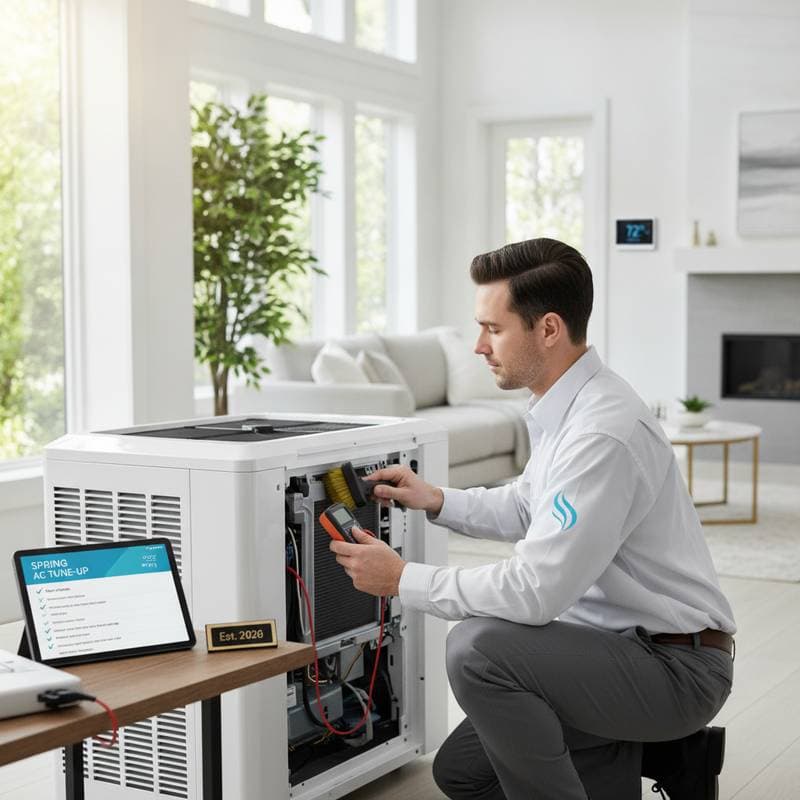
Biannual visits align with seasons: spring for cooling, fall for heating. These address moisture in pans and ducts while refreshing filters. Adherence deters accumulation.
Effectiveness of UV Lights Against Mold
UV-C targets spores in air and on coils, halting proliferation. Bulb replacements every 1-2 years maintain potency. Integration boosts air purity.
Advantages of Whole-Home Dehumidifiers
They provide house-wide treatment versus room-specific portables. HVAC linkage ensures automatic operation and external drainage. Uniform control eliminates overlooked zones.
Durability of Humidity Control Components
Dehumidifiers and ventilators endure 8-15 years with care. UV bulbs need periodic swaps; sensors match unit longevity. Warranties cover typical failures.
Value of Upgrading Older Systems for Mold Control
Systems prone to humidity lapses warrant replacement. Modern units excel in efficiency and moisture handling, averting repairs. Enhanced comfort follows suit.
Securing Quotes for Professional Mold Prevention Installations
Key Questions for Contractors
- What humidity thresholds does the system target?
- Does it feature integrated dehumidification, or is an add-on required?
- How does the drainage mechanism avoid water pooling?
- Are UV or antimicrobial features options for the handler?
- What routine maintains optimal function?
- Does it compatible with smart home integrations?
- What warranty applies to humidity elements?
- Which local rebates qualify?
- How long does installation last, and does it interrupt service?
- Which enhancements best suit my regional conditions?
Sustaining a Mold-Resistant Home Through HVAC Strategies
Implement these technologies to fortify against moisture threats. Regular monitoring and professional support ensure lasting protection. Enjoy healthier air, preserved structures, and peace of mind in 2026 and beyond.