The Hidden HVAC Boost for Crystal-Clear Air in 2026
Indoor air quality concerns every homeowner, with good reason. Dust, bacteria, and airborne particles circulate quietly through HVAC systems, impacting comfort and health. Modern germicidal UV-C purification technology changes how indoor air stays clean. Homeowners seeking cleaner, healthier air without bulky purifiers in every room find a solution here. This overview explains the hidden HVAC enhancement that delivers pristine air directly from vents.
What is UV-C Air Purification?
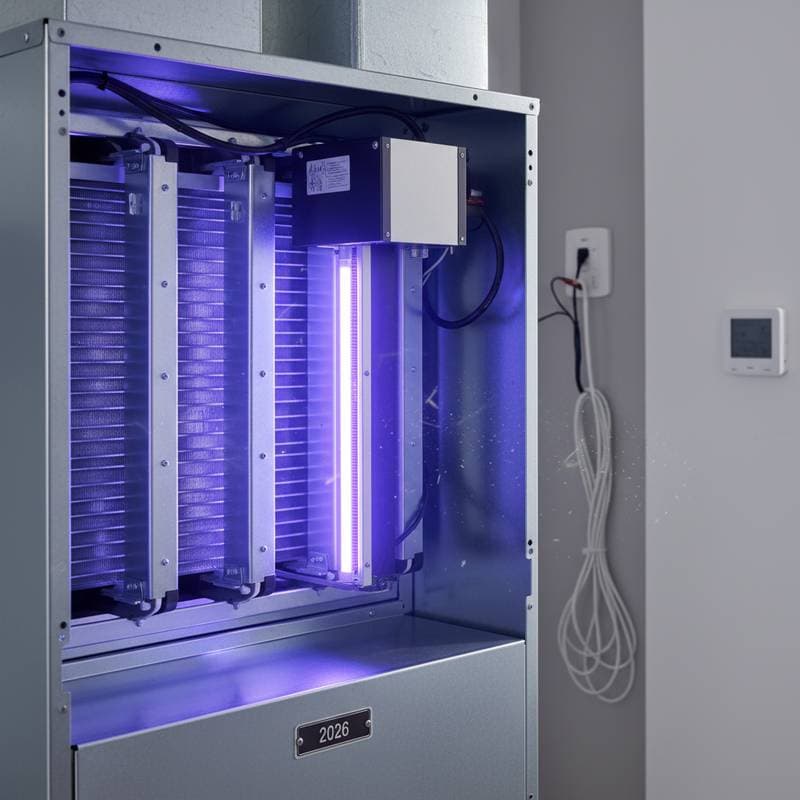
UV-C purification employs a specific ultraviolet light wavelength to neutralize microorganisms such as bacteria, mold spores, and viruses. Installed within the HVAC system, these UV-C lamps direct light onto air streams and surfaces harboring contaminants. The light disrupts their DNA, preventing reproduction and spread.
Integrated into heating and cooling equipment, the UV-C system operates continuously as air flows through ducts. It disinfects inhaled air while maintaining the system's interior cleanliness. This approach enhances efficiency and minimizes maintenance requirements.
Why Indoor Air Quality Matters
Home air appears clean, yet invisible particles persist. Common problems encompass:
- Dust and pet dander
- Mold spores
- Pollen and other allergens
- Bacteria and viruses
- Volatile organic compounds from cleaning supplies or paints
HVAC systems recirculate these pollutants, potentially triggering allergies, asthma, and discomfort. A UV-C purification system reduces airborne threats. It fosters a safer, more comfortable environment for the family.
How Germicidal UV-C Works Inside Your HVAC System
Step 1: Installation Inside the Air Handler or Ductwork
Technicians position UV-C lamps near the evaporator coil or within the primary duct line. These locations accumulate moisture and organic matter most readily.
Step 2: Continuous Air Treatment
Air passing the UV light exposes bacteria and pathogens to it briefly. This exposure suffices to deactivate numerous contaminants.
Step 3: Cleaner Coils, Cleaner Air
UV-C light inhibits mold growth on coils over time. It preserves system cleanliness, sustains airflow, and boosts energy efficiency. Buildup on coils otherwise compels the system to labor excessively.
Common Signs You Could Benefit from a UV-C Purification System
Determine if this HVAC upgrade suits the home by noting these indicators:
- Persistent odors or musty smells throughout the house
- Rapid dust accumulation post-cleaning
- Frequent allergy symptoms among family members
- Visible mold near vents or on the evaporator coil
- Diminished airflow or inconsistent heating and cooling
Multiple signs suggest a UV-C system delivers tangible improvements.
Key Factors Affecting UV-C Purification Cost
Costs for integrating UV-C purification into HVAC systems vary. Several elements shape the total expense:
- System Type: Retrofitting central air systems proves simpler than adapting smaller or ductless units.
- Lamp Quantity and Placement: Extensive homes or systems require multiple lamps for comprehensive coverage.
- Brand and Quality: Higher-output lamps and durable housings elevate performance and longevity.
- Professional Installation Fees: Certified HVAC technicians ensure safe, effective setup, including precise electrical connections.
- Maintenance and Replacement: Bulbs endure approximately one year; replacements remain cost-effective.
Anticipate expenses from several hundred to more than one thousand dollars, influenced by setup specifics, home dimensions, and local labor costs.
UV-C Purification vs. Other Air Cleaning Options
Homeowners often rely on filters or portable purifiers, yet UV-C purification functions distinctly.
Air Filters
Filters capture particles such as dust and pollen but fail to neutralize bacteria or viruses. UV-C provides supplementary defense by eliminating passing microorganisms.
Portable Air Purifiers
Portable devices treat air in single rooms exclusively. HVAC-integrated UV-C addresses all circulating air across the entire home.
Ionizers and Ozone Generators
Certain devices purport to disinfect air but generate ozone, a lung irritant. UV-C purifies without introducing chemicals or byproducts.
DIY vs. Hiring a Professional
Some kits promote DIY UV-C installation, yet professionals handle this task more safely. Reasons include:
- UV-C light harms skin and eyes upon direct exposure.
- Experts position lights optimally, avoiding damage to plastics or wiring.
- Improper setup diminishes efficacy or invalidates HVAC warranties.
Professionals manage wiring, placement, and safety checks for reliable operation. Homeowners then focus on bulb replacement at lifespan's end, often during scheduled maintenance.
Frequently Asked Questions
Can UV-C light really kill germs in my HVAC system?
Yes. UV-C light interrupts microorganism DNA, halting multiplication. Correctly placed within the HVAC, it eradicates substantial amounts of circulating bacteria, mold, and viruses.
Is UV-C light safe for my family and pets?
Enclosed within the HVAC system, UV-C light poses no risk. Exposure remains impossible, as the light confines to the unit's interior.
How often should I replace the UV-C bulbs?
Bulbs typically last one year. Germicidal potency wanes even if the light persists. Replace during annual HVAC servicing.
Can UV-C lights reduce odors?
Yes. UV-C breaks down odor-causing organic particles, particularly alongside filtration and cleaning routines.
Does UV-C purification work with any HVAC system?
Most central systems accommodate UV-C. Technicians assess configurations to select ideal placement and equipment.
Breathing Easier with a Cleaner System
To secure fresher, safer home air, consult a licensed HVAC professional. They evaluate the system, suggest appropriate UV-C configurations, and oversee secure installation.